There are some screen villains who merely menace, and then there are those who burrow into your subconscious, leaving a residue of pure dread. Rahul Mehra, the obsessive spectre at the heart of 1993's Darr (Fear), belongs firmly in the latter category. His hesitant, chilling whisper of "K-k-k-Kiran" became more than just dialogue; it was the sound of burgeoning obsession curdling into something truly terrifying, echoing long after the VCR clicked off in the dead of night.

An Idol Shattered
On the surface, Darr presents a familiar, almost idyllic Bollywood setup. Kiran Awasthi (Juhi Chawla, radiating both charm and later, palpable fear) is a vibrant college student, happily in love with Sunil Malhotra (Sunny Deol), a stoic and decorated Navy commando. Their world is one of colourful Holi celebrations and picturesque Swiss holidays, the kind of cinematic escape director Yash Chopra (a maestro typically associated with grand romances like Chandni or Lamhe) excelled at painting. But beneath this glossy surface, a sinister current pulls relentlessly. An unseen admirer, Rahul (Shah Rukh Khan), watches Kiran's every move, his adoration twisting into a dangerous, all-consuming fixation. This isn't just unrequited love; it's a violation, an unseen invasion that steadily dismantles Kiran's sense of safety.
The Birth of an Anti-Hero
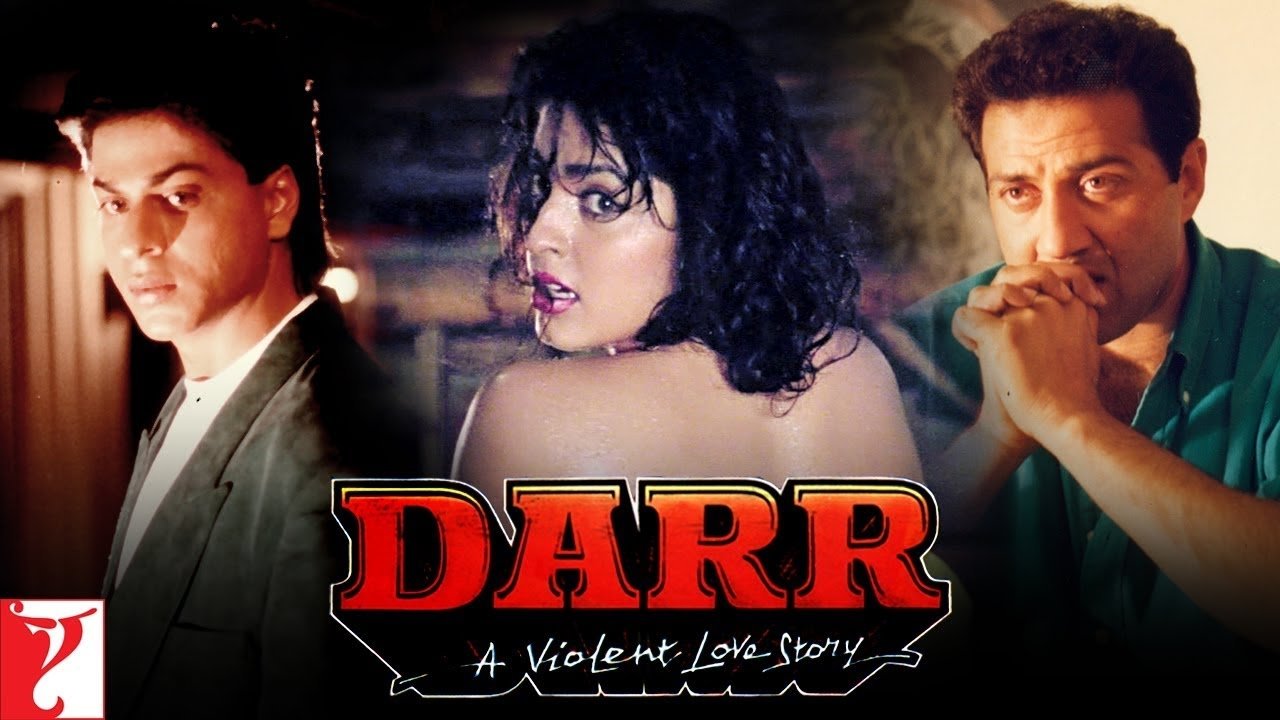
What truly elevates Darr beyond a standard thriller is the raw, unnerving performance of Shah Rukh Khan. Still relatively early in his career, Khan took a role that more established stars reportedly shied away from – Aamir Khan apparently declined, perhaps wary of the negativity. It proved to be a masterstroke. Khan doesn't just play obsessive; he embodies it. His Rahul is pathetic and petrifying in equal measure. The slight frame, the intense gaze, and that stutter – reportedly an addition suggested by Khan himself to signify the character's underlying psychological disturbance – create a villain unlike almost anything mainstream Hindi cinema had offered before. He’s not a swaggering gangster or a cartoonish evil mastermind; he’s the quiet terror lurking just out of sight, the persistent caller breathing threats down the line. It's a performance that feels disturbingly real, tapping into primal fears of being watched, of being wanted by someone you desperately wish would just disappear. Doesn't that specific portrayal still feel unsettlingly potent?
The Contrast of Forces
Against Khan's volatile energy, Sunny Deol plays Sunil with a simmering intensity. As the protective hero, he represents traditional masculinity and strength, the shield against the encroaching darkness. Yet, the film cleverly shows the limitations of physical power against an enemy who operates in shadows and psychological manipulation. Deol, already a major action star from hits like Ghayal, brings the required gravitas, but the narrative forces his character to grapple with a threat he can't simply punch into submission. Juhi Chawla, meanwhile, delivers a compelling portrayal of mounting terror. Her journey from carefree student to a woman living in constant fear is the emotional anchor of the film, making Rahul's obsession feel tangibly destructive. Supporting turns from veterans like Anupam Kher and Tanvi Azmi add further texture to the family dynamics shattered by Rahul's actions.
A Darker Palette for Chopra
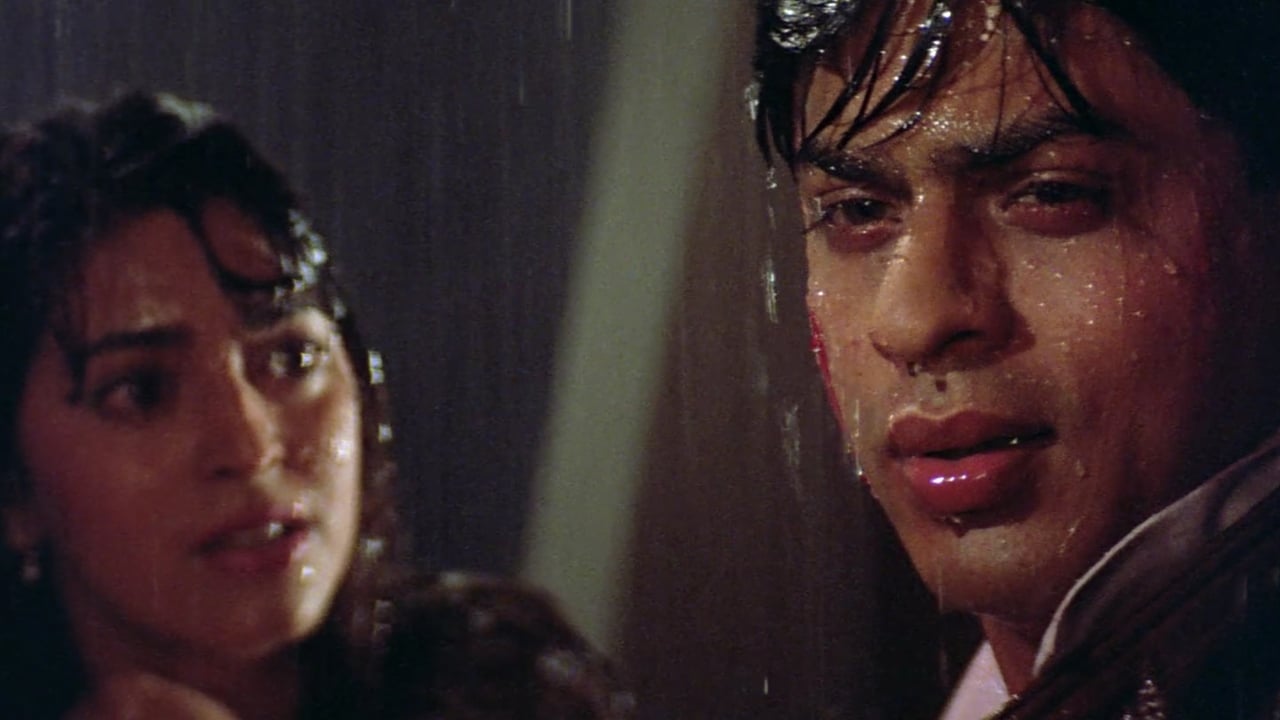
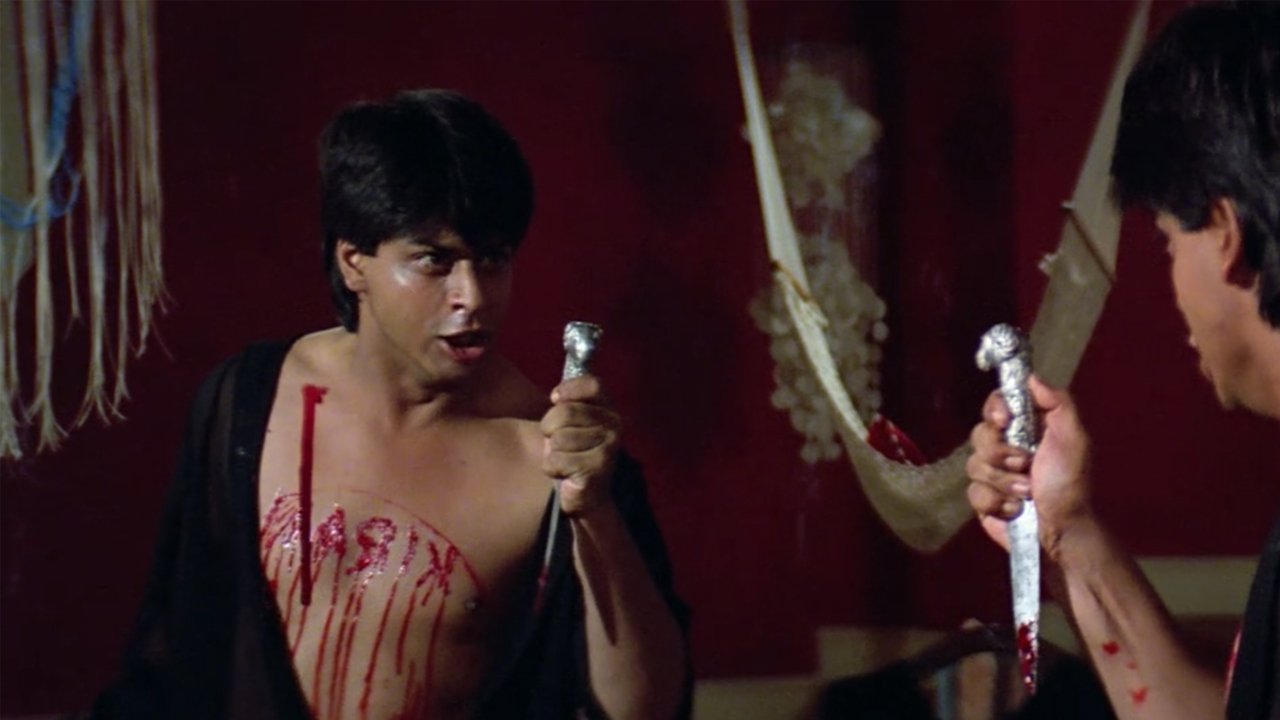
For Yash Chopra, Darr represented a significant departure. While the signature stunning Swiss landscapes are present, serving almost as an ironic counterpoint to the darkness unfolding, the film's core is steeped in suspense and psychological tension. He uses framing and shadow effectively, often showing Rahul as a peripheral figure, enhancing the sense of unease. The film reportedly cost around ₹11 crore to make, a decent sum for the time, and its eventual gross of over ₹20 crore cemented its status as a blockbuster, proving Chopra's gamble on a darker theme paid off handsomely. Interestingly, the director was initially hesitant about the film's bleakness, a testament to how boundary-pushing it felt within the romantic framework he usually favoured.
Melody and Menace
Of course, being a 90s Bollywood blockbuster, Darr comes complete with a chart-topping soundtrack by Shiv-Hari. Songs like the incredibly popular Holi number "Ang Se Ang Lagana" provide moments of vibrant colour and celebration. Yet, viewed through the lens of the narrative, even these moments can feel tinged with unease, especially knowing Rahul is likely watching from afar. The music, while excellent in its own right, sometimes punctuates the tension in a way that feels quintessentially Bollywood – a brief, sometimes jarring, respite before plunging back into the suspense. It’s a feature of the era's filmmaking that feels distinctly nostalgic now.
Legacy of Fear
Darr wasn't just a hit; it was a cultural phenomenon. It dramatically altered the trajectory of Shah Rukh Khan's career, proving his versatility and paving the way for other complex, sometimes negative roles like those in Baazigar (released the same year) and Anjaam. The film tapped into societal anxieties about stalking and obsession, sparking conversation even as some critics debated whether it inadvertently glorified its antagonist. Its influence on subsequent Bollywood thrillers is undeniable. Watching it again on a grainy tape (or, let's be honest, a streaming service nowadays) reminds you of a time when mainstream cinema felt like it was taking bigger risks, pushing boundaries in ways that genuinely shocked and captivated audiences. I distinctly remember the buzz around this film, the feeling that Khan had done something electrifyingly different.
***
VHS Heaven Rating: 8/10
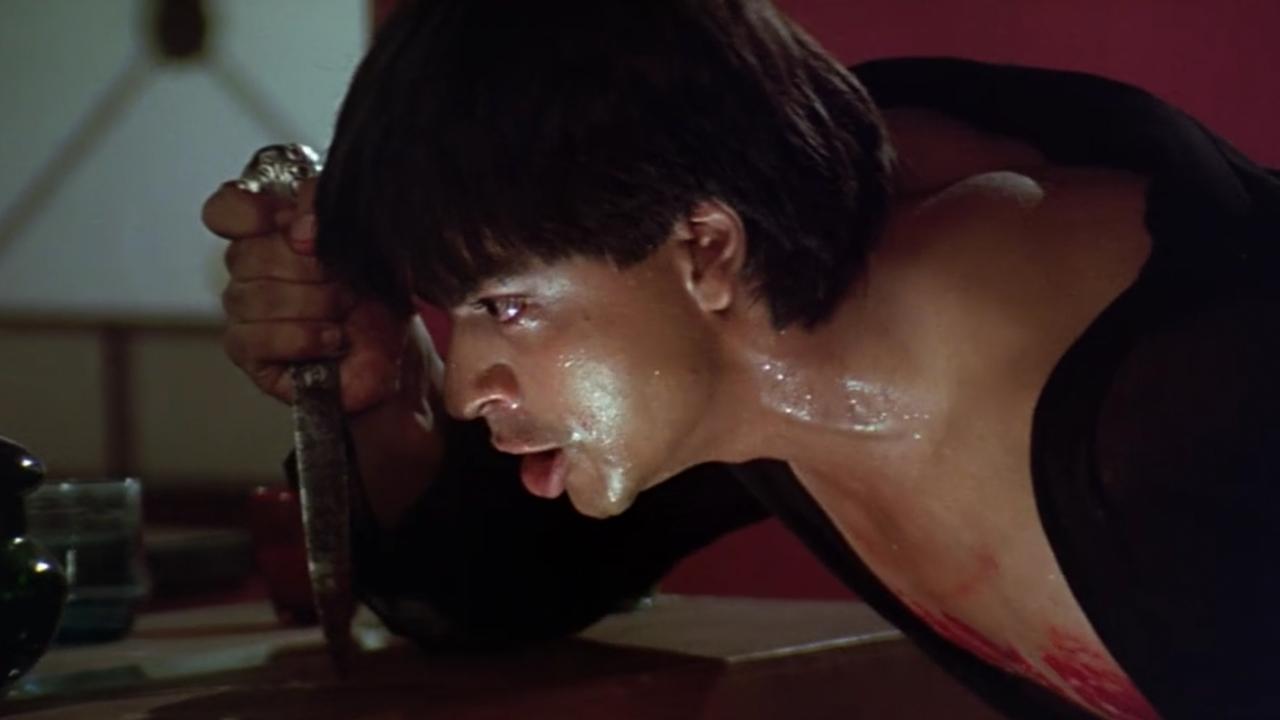
Justification: Darr earns its high score primarily due to Shah Rukh Khan's career-defining, genuinely chilling performance and Yash Chopra's brave foray into darker territory. The film masterfully builds tension and explores the terrifying nature of obsession, creating iconic moments that linger long after viewing. Juhi Chawla effectively portrays the victim's fear, and the production values are strong for the era. Points are slightly tempered by the sometimes abrupt integration of musical numbers that occasionally stall the thriller momentum, a common trait of the time but noticeable nonetheless.
Final Thought: More than just a Bollywood blockbuster, Darr remains a potent and unsettling psychological thriller, a testament to the power of a truly unforgettable villainous performance that helped redefine stardom in 90s Indian cinema. It’s a film that proved fear could be just as captivating as romance.