Alright, settle in, rewind your memories, and adjust the tracking – we’re diving headfirst into a pulsating bolt of late-90s cinematic lightning: Tom Tykwer’s Run Lola Run (German: Lola rennt) from 1998. If your local video store had a "High Octane Euro Thrillers You Didn’t Know You Needed" section (and oh, how I wish they did!), this tape, with its instantly iconic image of a flame-haired woman sprinting against the clock, would have been front and center. Forget slow burns; this film hits the ground running and simply never stops.
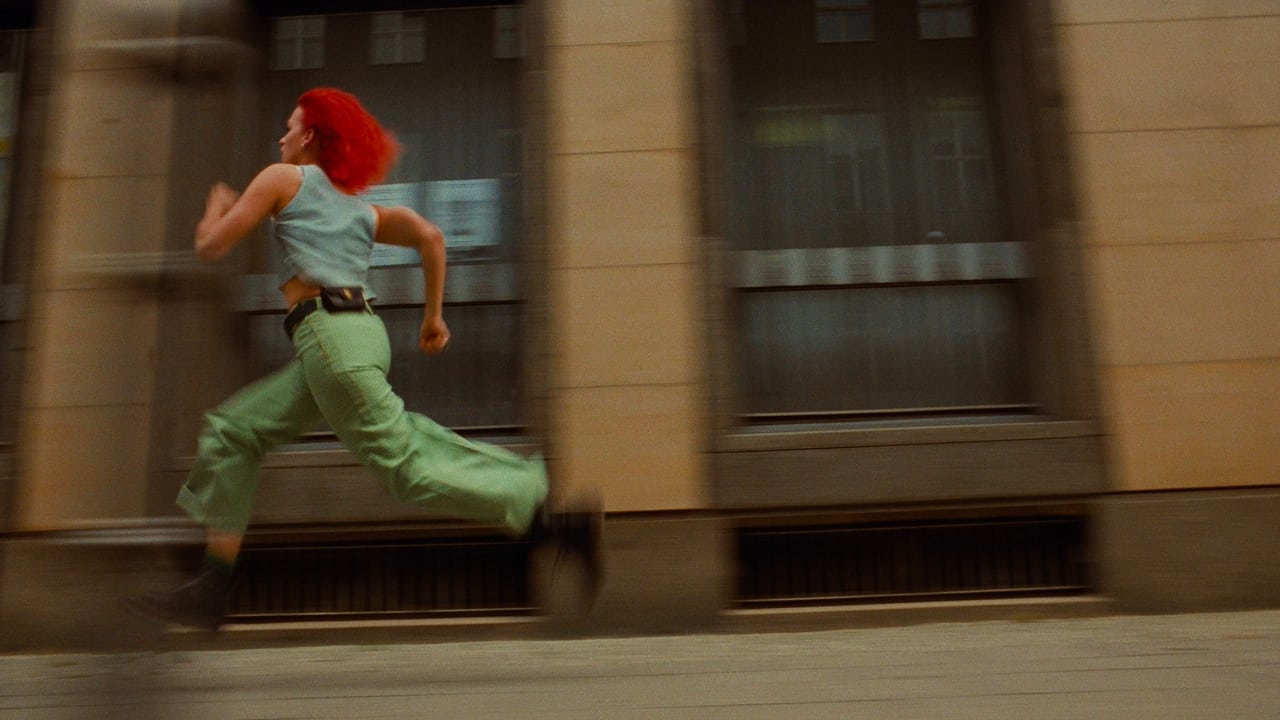
The premise is deceptively simple, yet brilliantly executed. Lola (Franka Potente, in a star-making inferno of a performance) gets a frantic call from her small-time criminal boyfriend, Manni (Moritz Bleibtreu). He’s lost 100,000 Deutschmarks belonging to a seriously dangerous boss and has only 20 minutes to get it back before facing fatal consequences. What follows isn't just one desperate dash across Berlin, but three potential versions of that same 20-minute window, each triggered by a seemingly minor change, cascading into wildly different outcomes. It’s like a video game’s "try again" mechanic fused with chaos theory, drenched in sweat and techno.
Full Throttle Filmmaking
Let’s talk about the sheer energy of this thing. Tom Tykwer, who not only directed but also wrote the screenplay and co-composed the driving electronic score, crafts an experience that feels less like watching a movie and more like being strapped to the front of a speeding train. The editing is relentlessly kinetic, utilizing split screens, whip-fast cuts, and abrupt shifts in perspective that perfectly mirror Lola’s frantic state of mind. Remember how different this felt compared to the often more measured pacing of Hollywood action flicks back then? This was pure adrenaline, mainlined. Tykwer’s background, including his work on the pulsating soundtrack with collaborators Johnny Klimek and Reinhold Heil, clearly informed the film's rhythm; the music isn’t just accompaniment, it’s the film’s heartbeat.
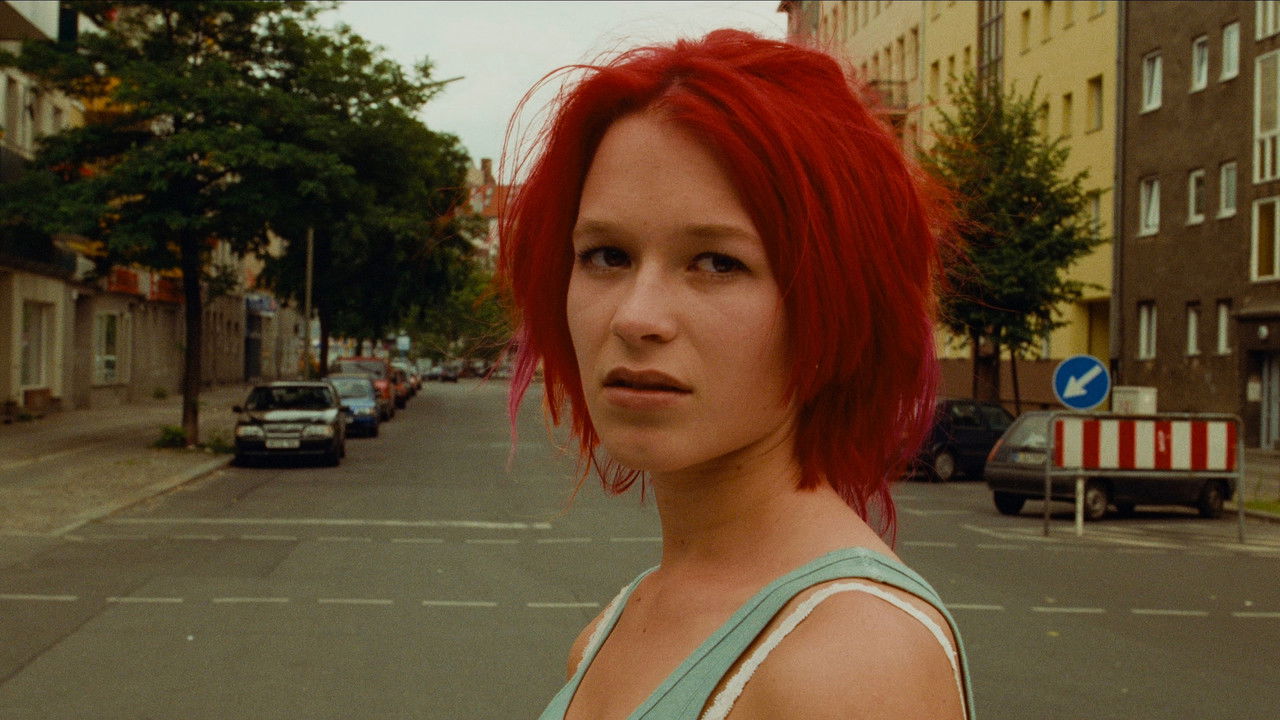
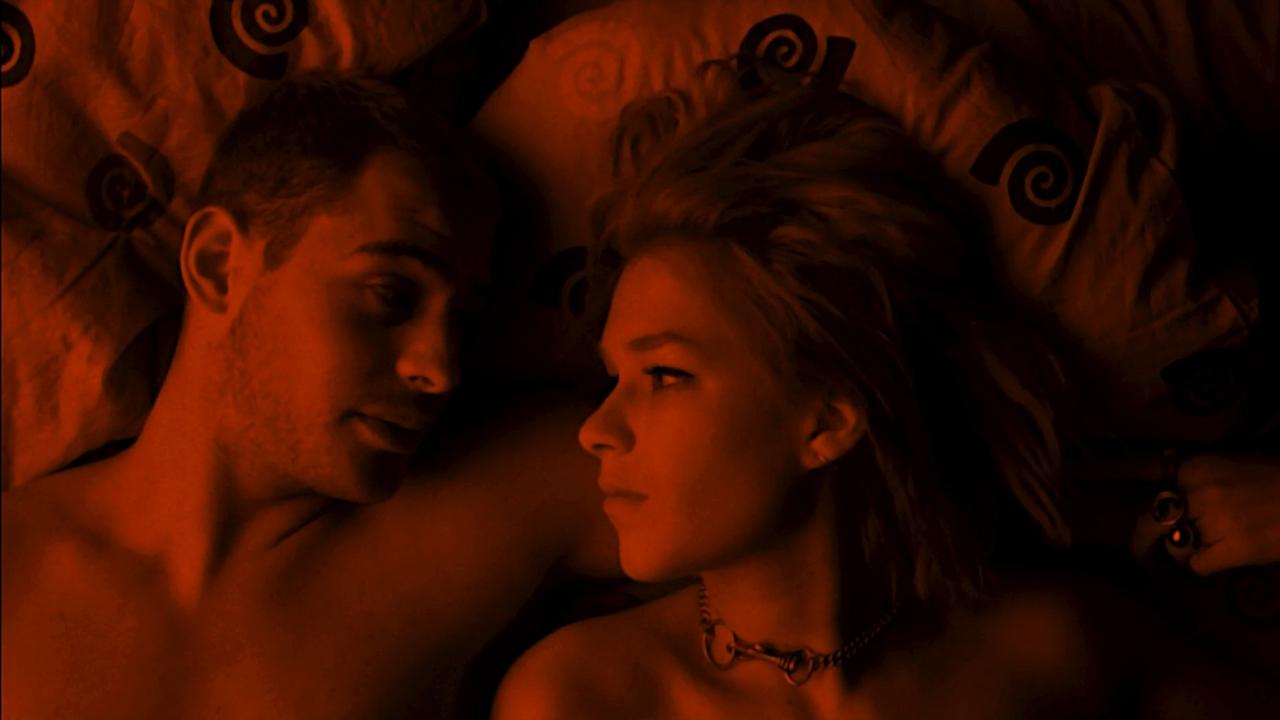
And the look! Tykwer masterfully blends gritty 35mm film for the main narrative with bursts of lo-fi video and even brief animated sequences to punctuate the story or flash-forward into the potential futures of characters Lola bumps into (literally) along her route. It was a bold, experimental style that felt incredibly fresh in '98. Seeing those distinct textures on a CRT, maybe with a little magnetic interference fuzzing the edges, only added to the manic charm. It’s a testament to how innovative filmmakers were pushing boundaries even before digital workflows became the norm.
That Iconic Sprint
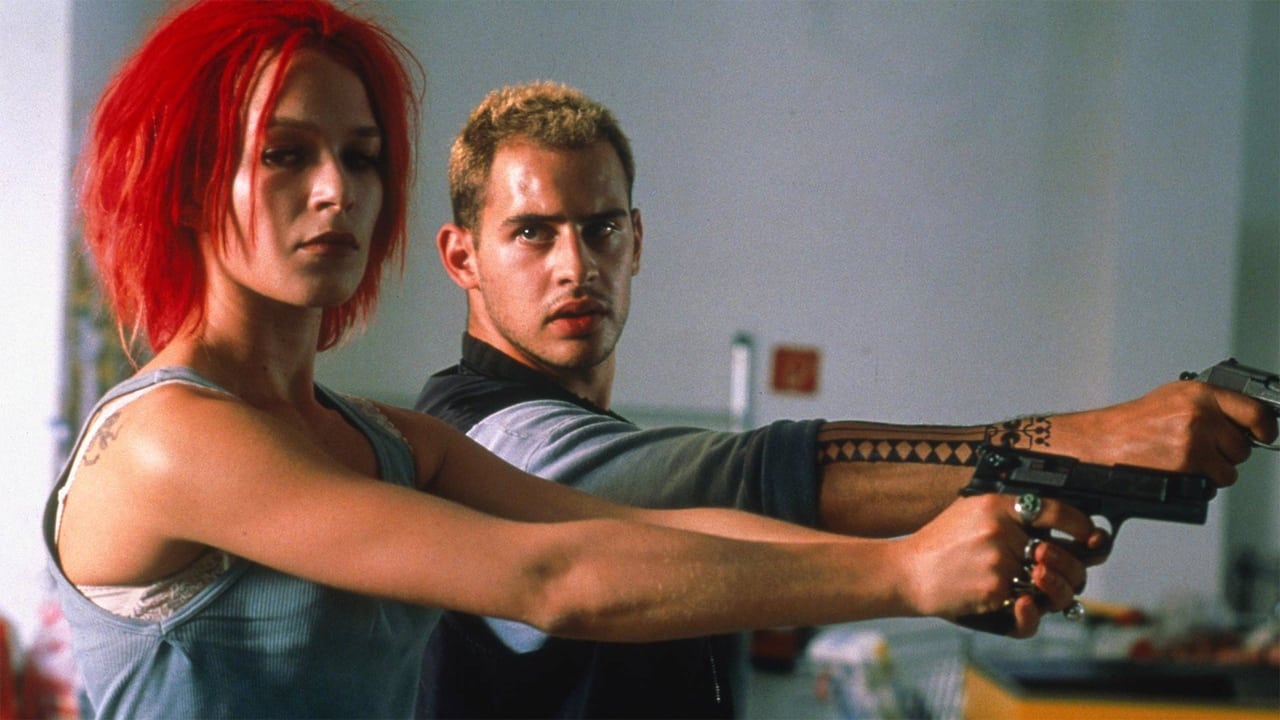
Franka Potente is Lola. It’s impossible to imagine anyone else in the role. Her physical commitment is staggering; she runs – a lot – embodying sheer determination and desperation. That bright red hair, a deliberate choice that required constant upkeep during filming, became instantly iconic, a splash of vibrant defiance against the urban landscape of Berlin. It wasn't just a visual quirk; it was practically a character in itself. Potente perfectly captures Lola's fierce loyalty and resourcefulness, making you root for her every breathless step of the way. Opposite her, Moritz Bleibtreu grounds the film as the panicked, slightly hapless Manni, his desperation the catalyst for Lola’s explosive reaction. And let's not forget Herbert Knaup as Lola's estranged, complicated father, a key figure in her frantic search for cash.
Beyond the Chase: Chance and Choice
While Run Lola Run functions brilliantly as a high-concept thriller, it’s also playing with deeper ideas about fate, free will, and the butterfly effect. How tiny, seemingly insignificant moments – a delayed start, a near-collision, a brief interaction – can radically alter the course of events. This structural ingenuity elevates it beyond just a stylish chase film. It invites you to consider the "what ifs," making each of the three scenarios compelling in its own right. It’s the kind of structure that probably had you hitting rewind on your VCR back in the day, trying to pinpoint the exact moment things diverged.
This wasn't some huge blockbuster; reportedly made for under $2 million, Run Lola Run became a massive international art-house hit and a bona fide cult classic. Its success propelled Tykwer and Potente onto the global stage (Potente would soon appear opposite Matt Damon in The Bourne Identity). It proved that innovative, high-energy filmmaking could come from anywhere and connect with audiences worldwide, even with subtitles! Its influence can be seen in countless films and music videos that followed, attempting to capture that same blend of speed, style, and substance.
The Verdict
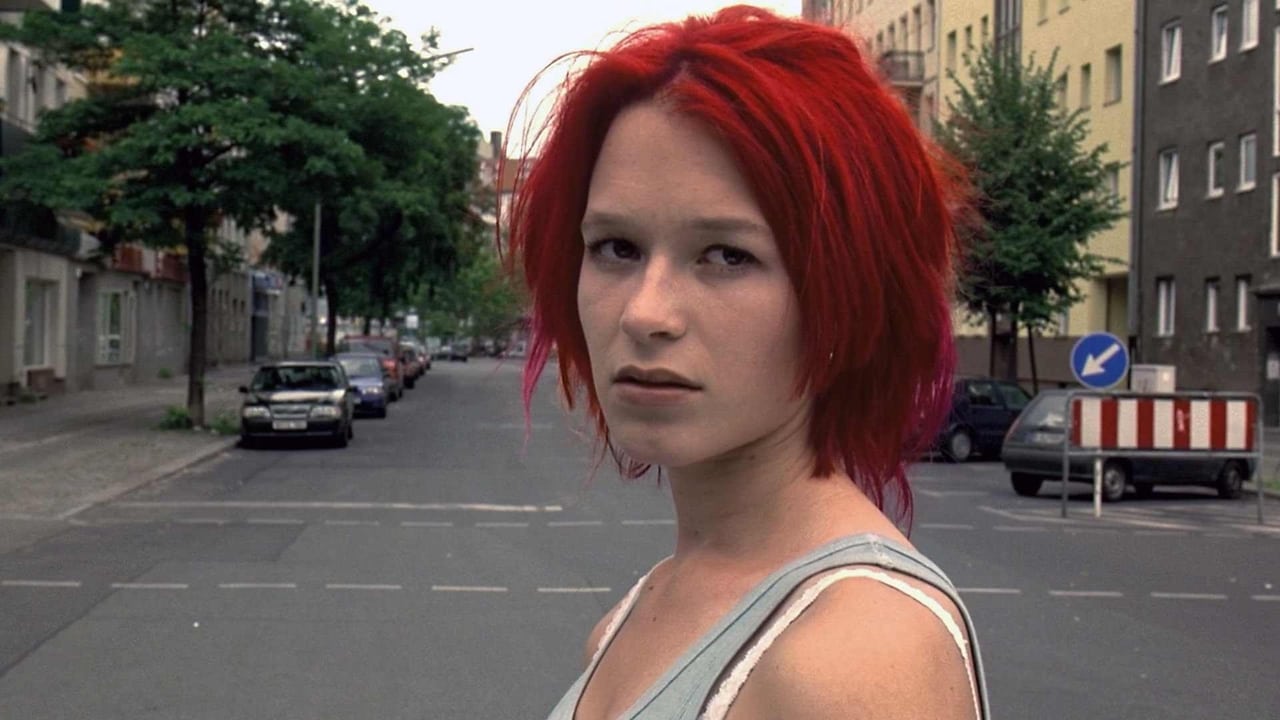
Watching Run Lola Run today is like unearthing a time capsule filled with pure, uncut cinematic adrenaline. Its pace might feel less revolutionary now in our era of hyper-editing, but the sheer creativity, commitment, and raw energy pulsating through every frame remain undeniable. The practical reality of Franka Potente pounding the Berlin pavement, the clever use of different visual textures, and the perfectly synchronized techno score create an experience that’s still exhilarating. It’s a reminder of a time when filmmakers experimented boldly with form and style, delivering something genuinely unique.
Rating: 9/10 - The score reflects its groundbreaking style, incredible energy, iconic central performance, and clever narrative structure that still feels fresh. It loses a single point perhaps only because the sheer velocity might leave some viewers breathless rather than deeply emotionally invested in the side characters, but its impact and execution are near flawless for what it sets out to achieve.
Final Thought: Run Lola Run isn't just a movie you watch; it's a movie that grabs you by the collar and sprints alongside you for 80 breathless minutes. A definitive blast of late-90s cool that proves sometimes, the most thrilling action is simply putting one foot in front of the other, again and again, against impossible odds. Go find it. Just try to keep up.