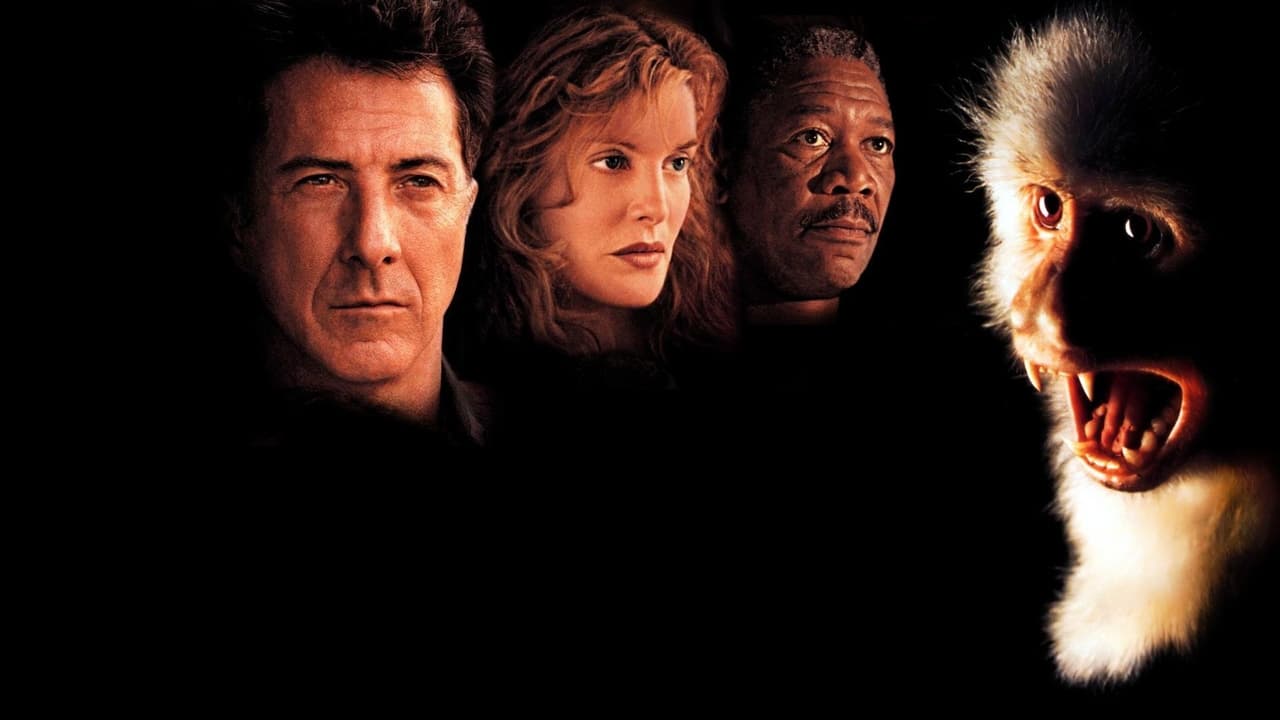
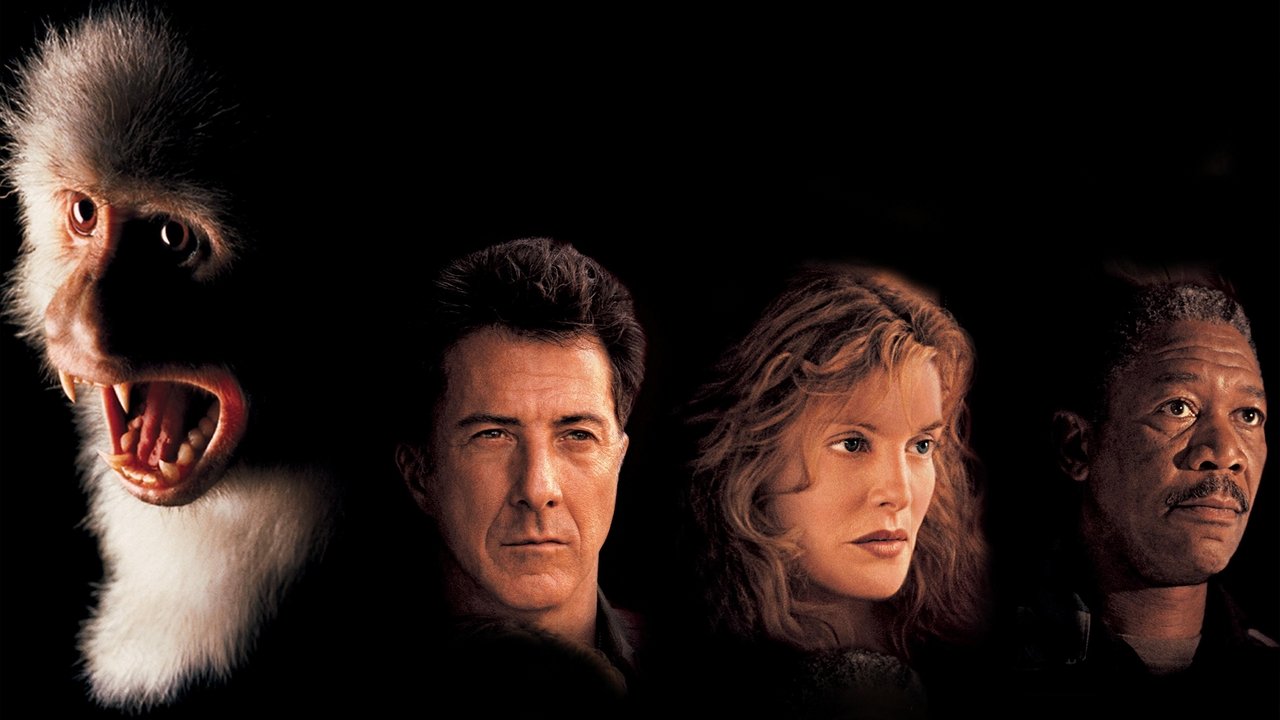
The opening images burn themselves onto your retinas: a single monkey, caged and terrified, its screech echoing in the dense Zaire jungle. It’s 1967, and the Motaba virus makes its devastating debut. Fast forward nearly thirty years, and that primal terror feels uncomfortably close to home. Wolfgang Petersen’s Outbreak (1995) wasn’t just another disaster flick; it was a slick, high-octane thriller that tapped into a latent fear festering beneath the surface of the seemingly secure 90s – the fear of the unseen enemy, the microscopic killer. Watching it again now, on a format perhaps less crisp than Blu-ray but certainly more aligned with its original viewing context, that specific brand of dread feels chillingly potent.
The Invisible Enemy
Petersen, already a master of contained tension after the phenomenal Das Boot (1981) and the tightly wound In the Line of Fire (1993), knew precisely how to ratchet up the stakes. The plot is deceptively simple: a smuggled Capuchin monkey carries the deadly, rapidly mutating Motaba virus from Africa to the idyllic (and fictional) town of Cedar Creek, California. What follows is a desperate race against time as Colonel Sam Daniels (Dustin Hoffman), a virologist at USAMRIID (United States Army Medical Research Institute of Infectious Diseases), battles not only the terrifyingly efficient pathogen but also a military apparatus seemingly more interested in containment – and weaponization – than cure. The film throws you headfirst into the escalating panic: the subtle cough, the sudden fever, the horrifyingly rapid progression of the disease visualized with queasy effectiveness. Remember those scenes in the movie theatre? Pure, distilled nightmare fuel.
Stars Under Pressure
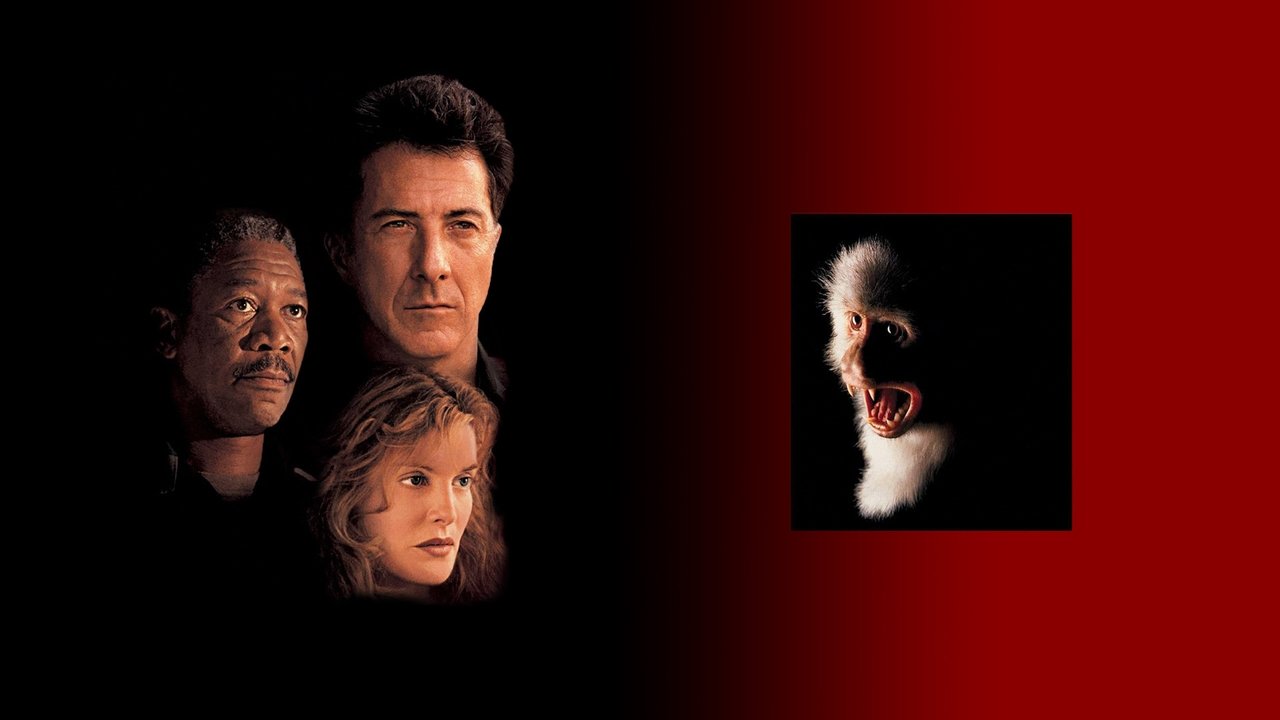
A film like this lives or dies on its cast's ability to sell the stakes, and Outbreak assembled a truly impressive ensemble. Hoffman brings his trademark intensity to Daniels, a man driven by conscience even when facing down direct orders from superiors like the stoic General Billy Ford (Morgan Freeman) and the ruthlessly pragmatic General Donald McClintock (Donald Sutherland, oozing calculated menace). Rene Russo, as Daniels' ex-wife and CDC scientist Robby Keough, provides both a crucial scientific counterpoint and the emotional core, forcing Daniels to confront the personal cost of the epidemic. It’s also a snapshot of rising talent: a pre-Jerry Maguire Cuba Gooding Jr. is earnest and capable as Major Salt, Daniels' trusted pilot, while a pre-Oscar Kevin Spacey practically steals his scenes with acerbic wit as the cynical, doomed Major Casey Schuler. Their interactions feel authentic, grounding the escalating chaos in believable human drama.
Behind the Biohazard Suit
Pulling off a film this ambitious wasn't simple. The production famously raced against a rival project based on Richard Preston's non-fiction bestseller The Hot Zone, which ultimately collapsed despite having Ridley Scott and Robert Redford attached at various points. Outbreak's script, penned by Laurence Dworet and Robert Roy Pool, took significant liberties with virology for dramatic effect – the speed of transmission and mutation, the airborne capability – leading to some raised eyebrows from the scientific community back in '95. But Petersen wasn't aiming for a documentary; he wanted a pulse-pounding thriller, and scientific accuracy occasionally took a backseat to suspense. Interestingly, the picturesque town of Ferndale in Northern California stood in for Cedar Creek, its Victorian architecture providing a stark, almost surreal contrast to the military lockdown and biohazard tents that descend upon it. Shot on a hefty $67 million budget, Outbreak became a box office smash, raking in nearly $190 million worldwide – proving audiences were ready for this particular brand of fear. Reportedly, Petersen was a demanding director, pushing for realism in the depiction of military procedures and the chaos of the outbreak, even if the central virus was pure Hollywood invention.
That 90s Thriller Sheen
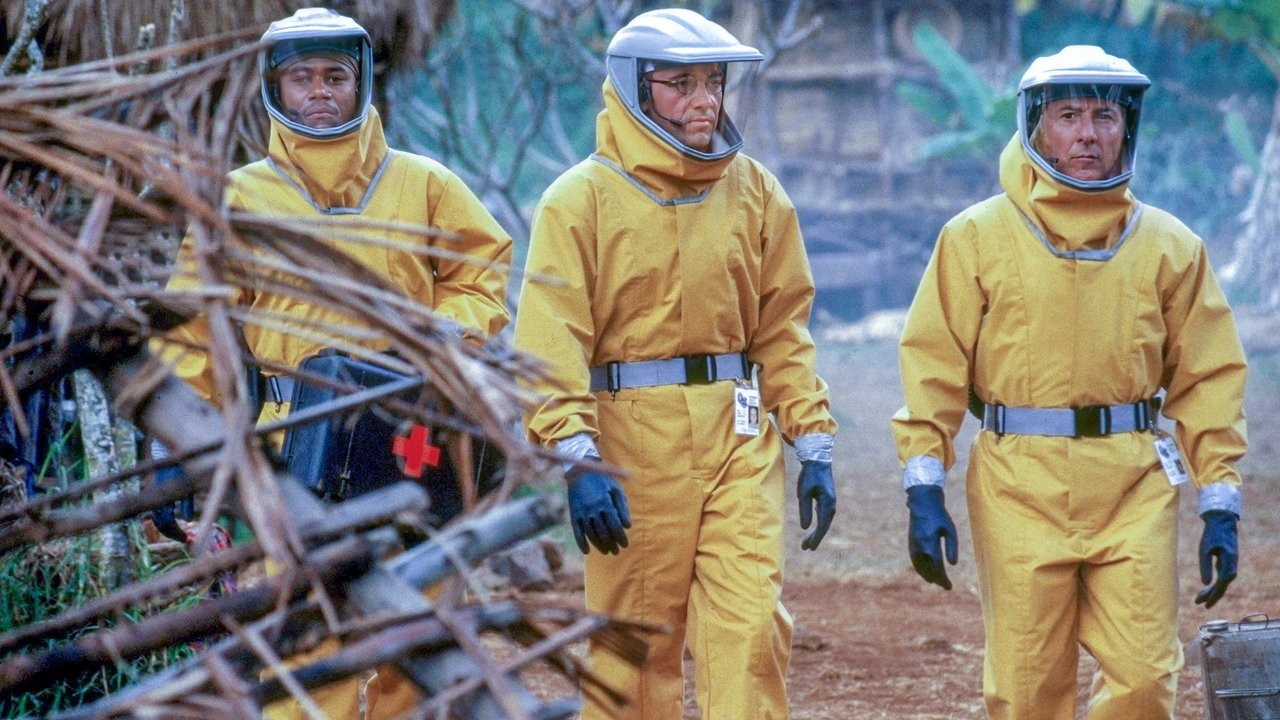
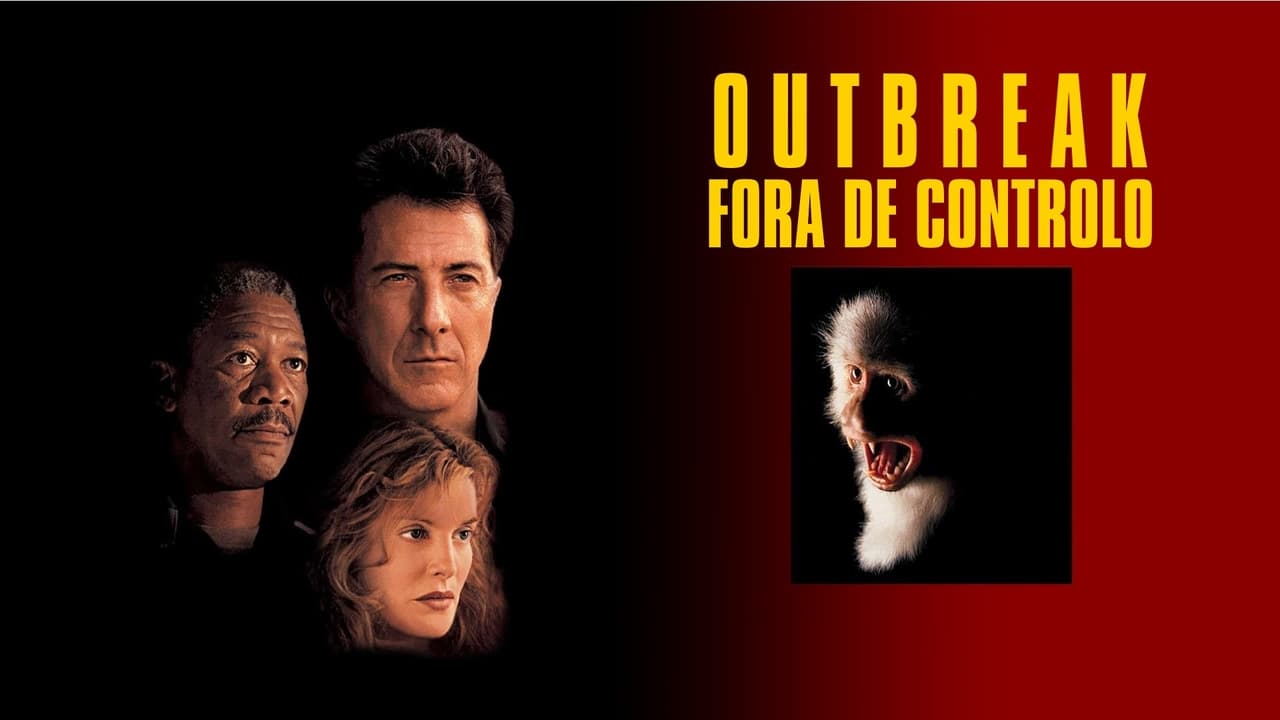
Watching Outbreak today evokes that specific 90s blockbuster feel – glossy production values, a stirring James Newton Howard score, and action sequences that, while occasionally bordering on the outlandish (that helicopter chase!), deliver undeniable excitement. The practical effects, especially the makeup depicting the stages of the disease and the omnipresent hazmat suits, hold up surprisingly well, contributing significantly to the film’s oppressive atmosphere. It felt big, the kind of movie you rented on a Friday night, maybe with friends, the tension in the room palpable as the invisible threat spread across the screen. Does the science hold up? Not entirely. Are some plot elements convenient? Absolutely. But did it deliver as a gripping piece of entertainment that preyed on contemporary anxieties? Without a doubt.
The Verdict
Outbreak remains a highly effective and superbly crafted 90s thriller. It benefits immensely from Wolfgang Petersen's taut direction, a stellar cast operating at peak form, and a premise that taps into primal fears with unsettling precision. While its scientific liberties might make epidemiologists wince, they serve the narrative's relentless forward momentum. It captures a specific moment in time, blending disaster movie tropes with conspiracy thriller elements, all wrapped in that slick Hollywood package. My old VHS copy saw plenty of action back in the day, and revisiting it confirms its enduring power to thrill and occasionally unnerve.
Rating: 8/10
Outbreak stands as a high-water mark for the 90s pandemic thriller, delivering suspense, star power, and spectacle in equal measure. Its core anxieties about disease and authority feel, perhaps unnervingly, even more relevant today, securing its place as more than just a nostalgic thrill ride, but a chillingly prescient piece of blockbuster filmmaking.