"I don't care." Three simple words, delivered with bone-dry precision by Tommy Lee Jones, perfectly encapsulate the relentless, unwavering pursuit at the heart of Andrew Davis's 1993 masterpiece, The Fugitive. It’s a line that chills you, not because it’s cruel, but because it represents an objective force, a system moving with implacable momentum towards its target. Watching it again now, decades after first seeing that iconic profile of Harrison Ford silhouetted against the raging waters of a dam spillway on the VHS box art, the film feels less like a simple chase movie and more like a pressure cooker examination of justice, desperation, and sheer, dogged determination.
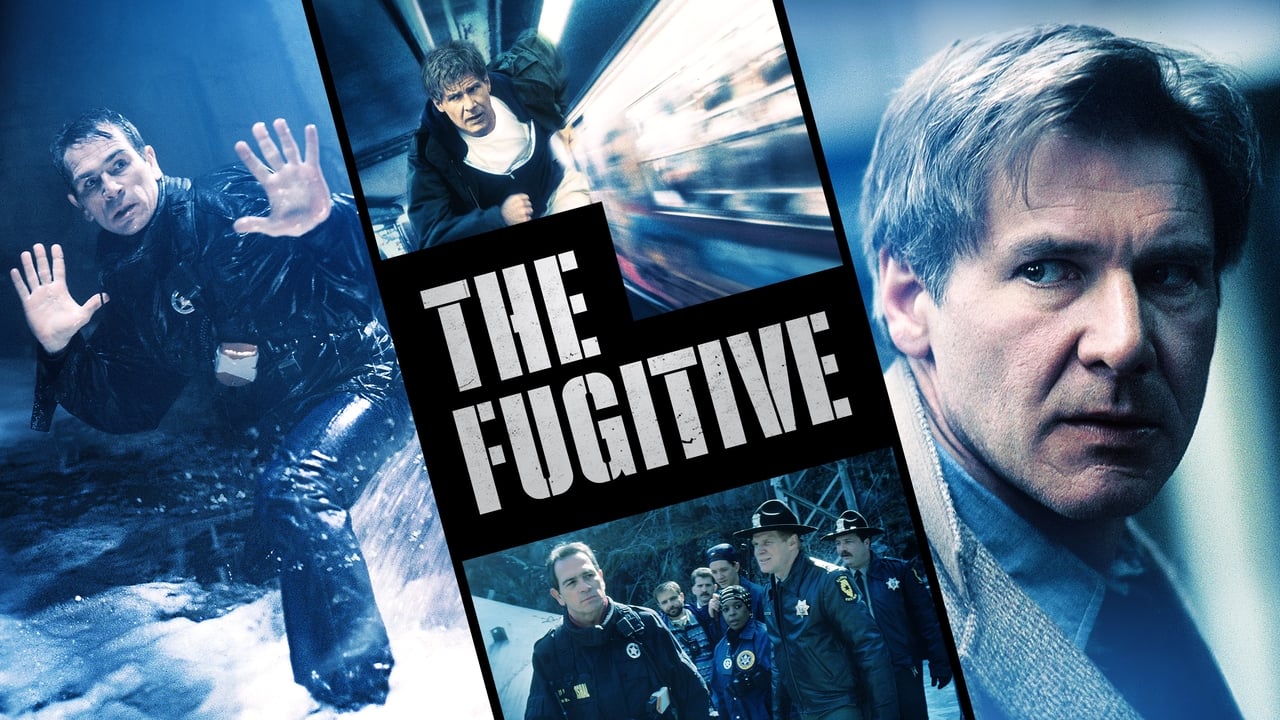
Based on the popular 1960s television series, this big-screen adaptation elevated the concept, transforming it into one of the most intelligent and impeccably crafted thrillers of the 90s. It’s a film that respects its audience, trusting us to keep pace with its intricate plot and the complex motivations driving its characters.
The Hunter and the Hunted
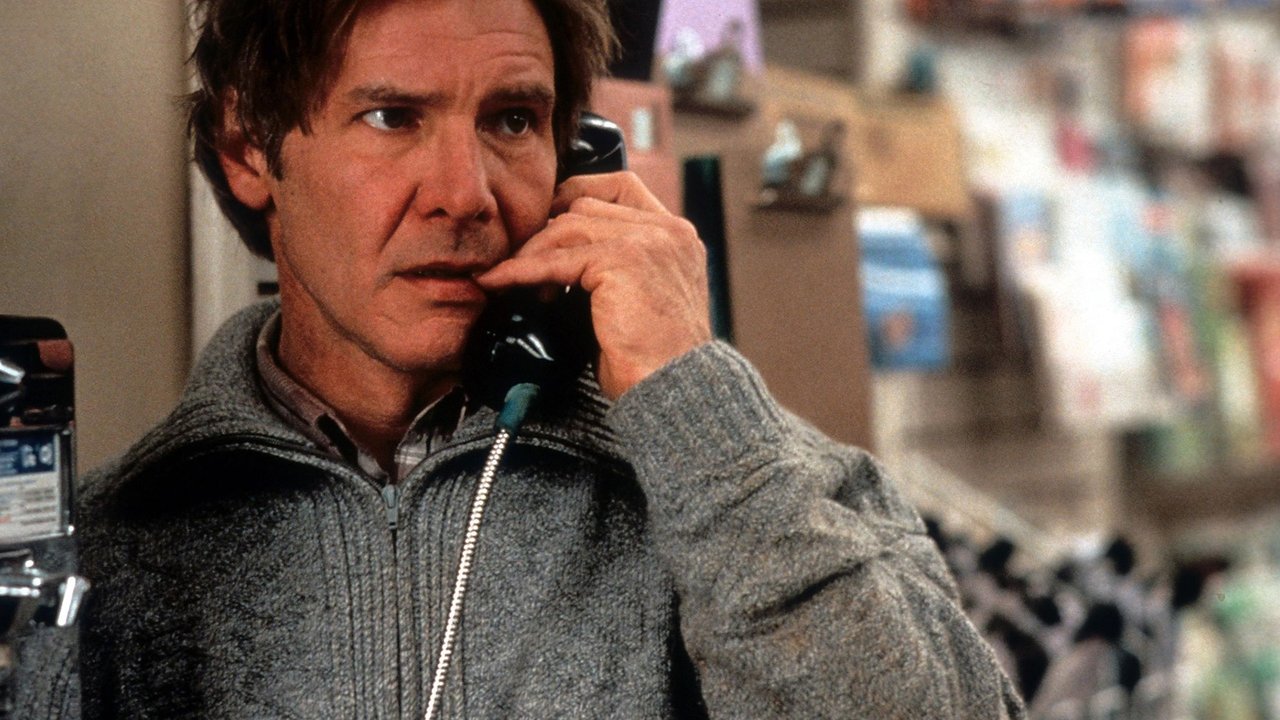
At its core, The Fugitive thrives on the dynamic between its two leads. Harrison Ford, stepping into the role of Dr. Richard Kimble, framed for the murder of his wife Helen (Sela Ward, whose presence lingers effectively throughout the film), is simply magnificent. He embodies the shell-shocked disbelief, the simmering rage, and the resourcefulness of an intelligent man stripped of everything. There’s a profound weariness in Ford’s portrayal, a physical and emotional toll etched onto his face that feels utterly authentic. It's said Ford actually sustained a leg injury during filming in the woods early on, which meant the limp Kimble develops wasn't entirely acting – a detail that only adds to the grounded realism he brought to the role.
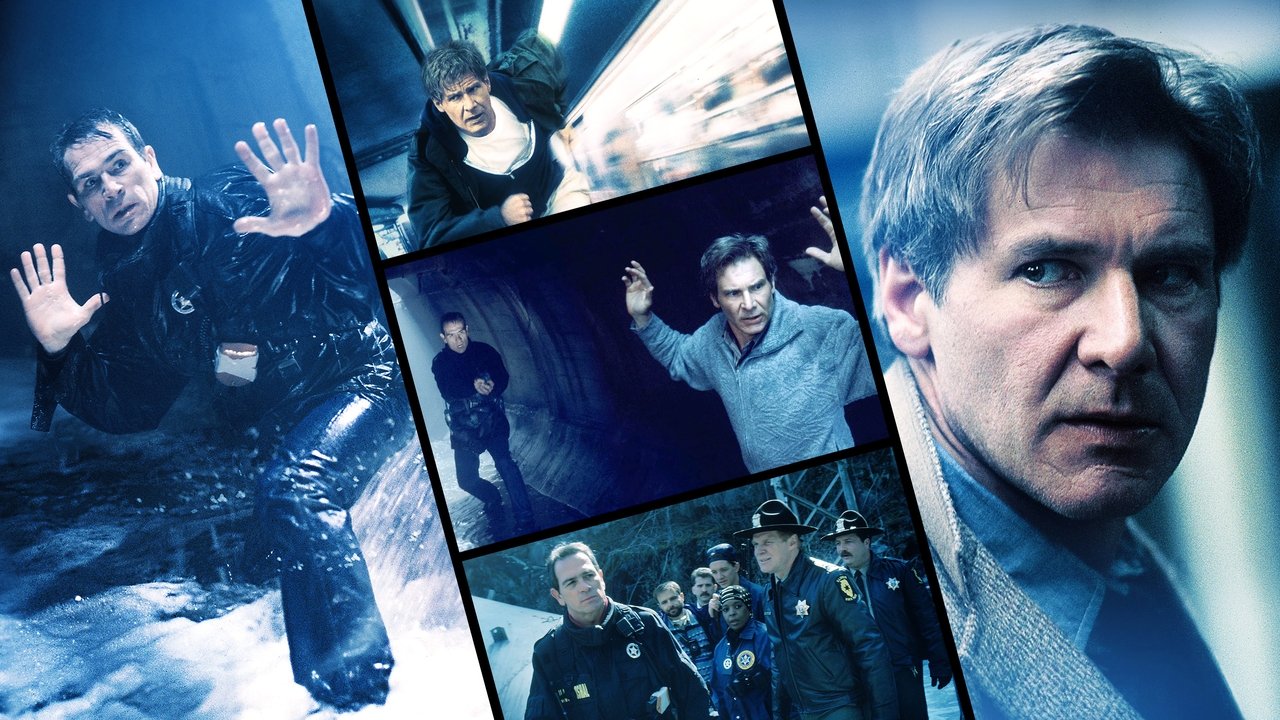
And then there's Tommy Lee Jones as Deputy U.S. Marshal Samuel Gerard. This wasn't just a star turn; it was a career-defining performance that rightly earned him an Academy Award for Best Supporting Actor. Jones doesn't play Gerard as a villain, but as the ultimate professional. He’s relentless, sharp, and possesses a wit as dry as the Mojave desert. His focus isn't on guilt or innocence initially; it's on the capture. The brilliance lies in how Jones subtly allows Gerard's perspective to evolve, respecting Kimble's intelligence even as he closes the net. That famous exchange at the dam ("I didn't kill my wife!" / "I don't care!") is peak Gerard – pure, unadulterated procedural focus. While often cited as an ad-lib, the line was reportedly in Jeb Stuart and David Twohy's sharp script, though Jones’s delivery made it immortal.
Craftsmanship on a Grand Scale
Director Andrew Davis, who also gave us the solid actioner Under Siege (1992), demonstrates a masterclass in tension and pacing here. The Fugitive moves like a bullet train from its harrowing opening – the brutal murder, the frantic escape – culminating in that absolutely stunning practical train wreck sequence. I remember seeing that for the first time and just being floored. They actually wrecked a real train (and a bus!) for that scene, a testament to the kind of large-scale, real-world filmmaking that feels increasingly rare today. Shot largely on location in Chicago, the city itself becomes a character, its alleys, hospitals, and grand hotels providing a realistic, atmospheric backdrop for the chase. There's a gritty texture to the film, aided by Michael Chapman's grounded cinematography, that makes the extraordinary events feel plausible.
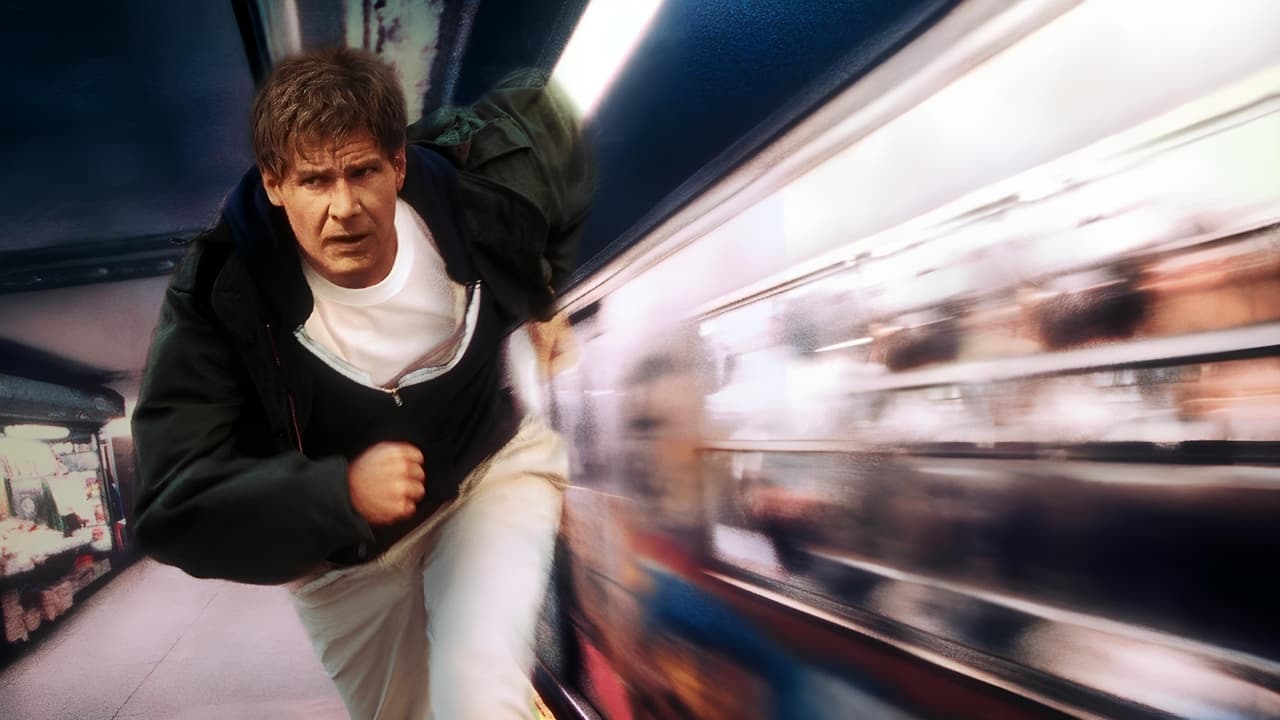
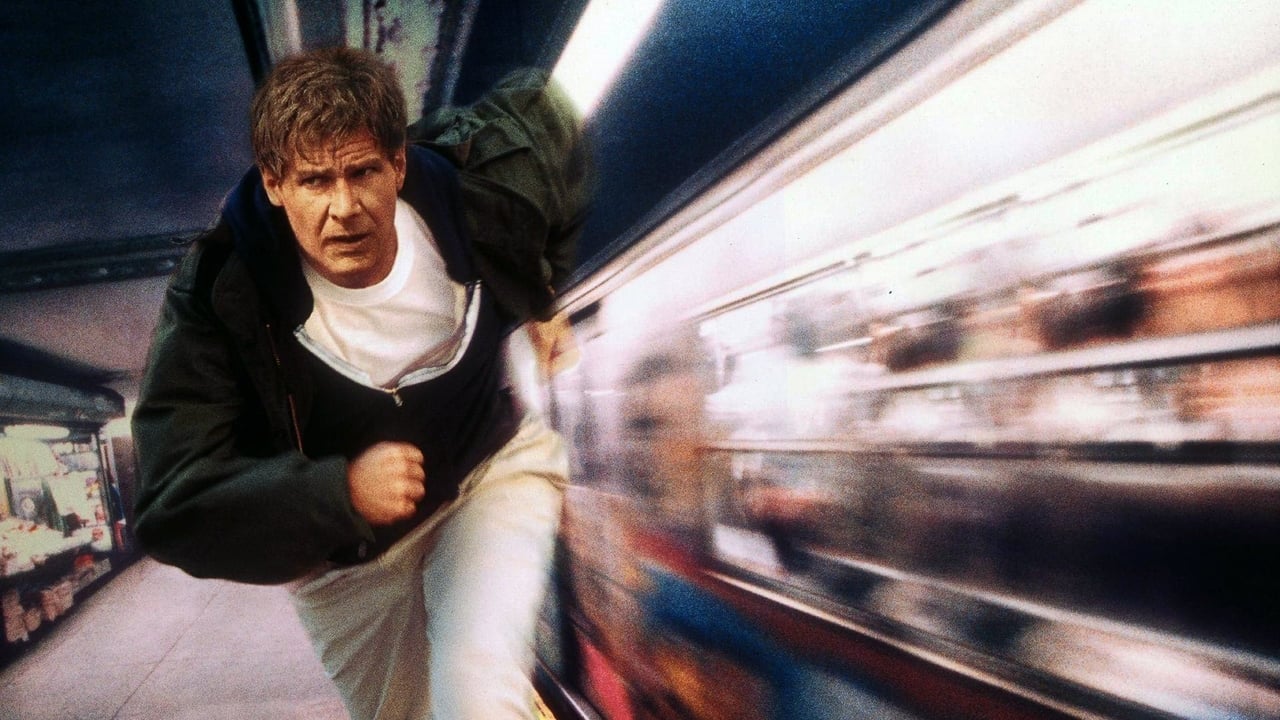
Beyond the spectacle, the film is packed with memorable moments – Kimble performing makeshift surgery on himself, his tense encounters with former colleagues, the clever deductions he makes while simultaneously evading capture. It’s a narrative puzzle where both Kimble and Gerard are piecing things together from different angles, and Davis ensures the audience is always engaged, always leaning forward.
More Than Just a Chase
What truly elevates The Fugitive beyond a standard action thriller is its intelligence and thematic depth. It touches upon flaws in the justice system, the power of reputation, corporate malfeasance, and the sheer resilience of the human spirit when pushed to the absolute limit. Kimble isn't just running; he's actively investigating, using his intellect to clear his name while Gerard's team uses theirs simply to find him. It’s this parallel investigation, this cat-and-mouse game played on an intellectual as well as physical level, that gives the film its enduring power.
Weaving in production details often highlights the commitment involved. For instance, the dam sequence wasn't just CGI; Ford was genuinely interacting with the massive structure and torrents of water (albeit with extensive safety measures), adding a layer of visceral reality that digital effects often struggle to replicate. The film was a significant gamble with its $44 million budget but became a colossal success, grossing nearly $370 million worldwide, proving audiences were hungry for smart, adult-oriented thrillers. Its success cemented Ford's action-hero status well into the 90s and led to the solid, if less essential, spin-off U.S. Marshals in 1998, focusing on Jones's character.
The Verdict
The Fugitive holds up remarkably well. It's a film built on strong characters, a taut script, masterful direction, and spectacular, grounded set pieces. Ford delivers one of his finest performances, portraying vulnerability and determination in equal measure, while Jones created an iconic screen character whose influence can still be felt. It’s the kind of film that reminds you how thrilling practical effects and sharp storytelling could be back in the VHS era – a perfectly calibrated machine designed for maximum tension and audience satisfaction. It felt important renting this one, like you were bringing home a truly substantial piece of cinema.
Rating: 9.5/10
Justification: Near-perfect execution of the thriller genre. Stellar performances from Ford and Jones, masterful direction by Davis, incredible practical stunt work (train, dam), and a script that remains intelligent and engaging throughout. It set a high bar for 90s action-thrillers that few others reached. The slight deduction accounts for minor plot contrivances inherent in the genre, but they barely detract from the overall brilliance.
What lingers most after revisiting The Fugitive? Perhaps it’s the satisfying click of a well-oiled machine, a film where every component works in perfect harmony to deliver pure, electrifying cinema. It remains a benchmark.