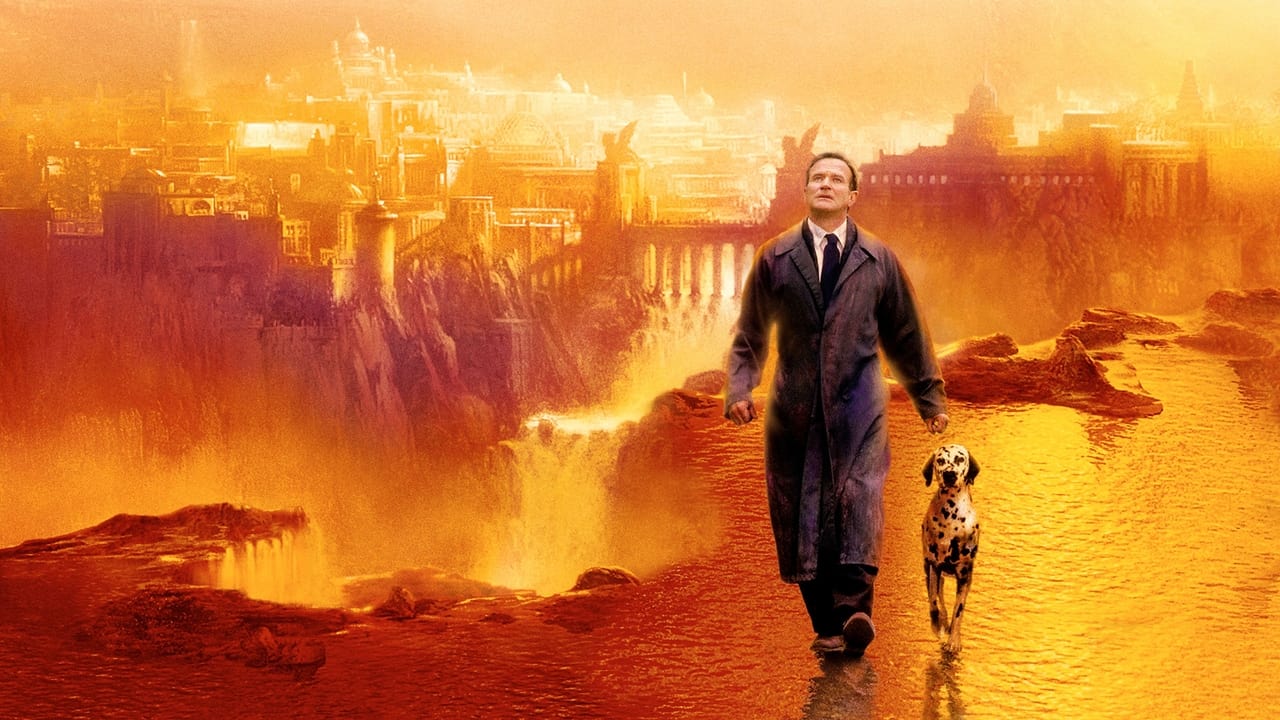
It arrives not as a story whispered, but as a world thrown onto the canvas with breathtaking, audacious strokes of color. Watching What Dreams May Come (1998) again, decades after first sliding that tape into the VCR, the sheer visual ambition remains staggering. It wasn't just a movie; it felt like stepping inside a series of living paintings, a bold declaration about the power of cinema to visualize the unimaginable – in this case, the very fabric of the afterlife. What lingers most, though, isn't just the spectacle, but the raw, aching heart beating beneath it all.
Beyond the Veil, A World Painted with Love
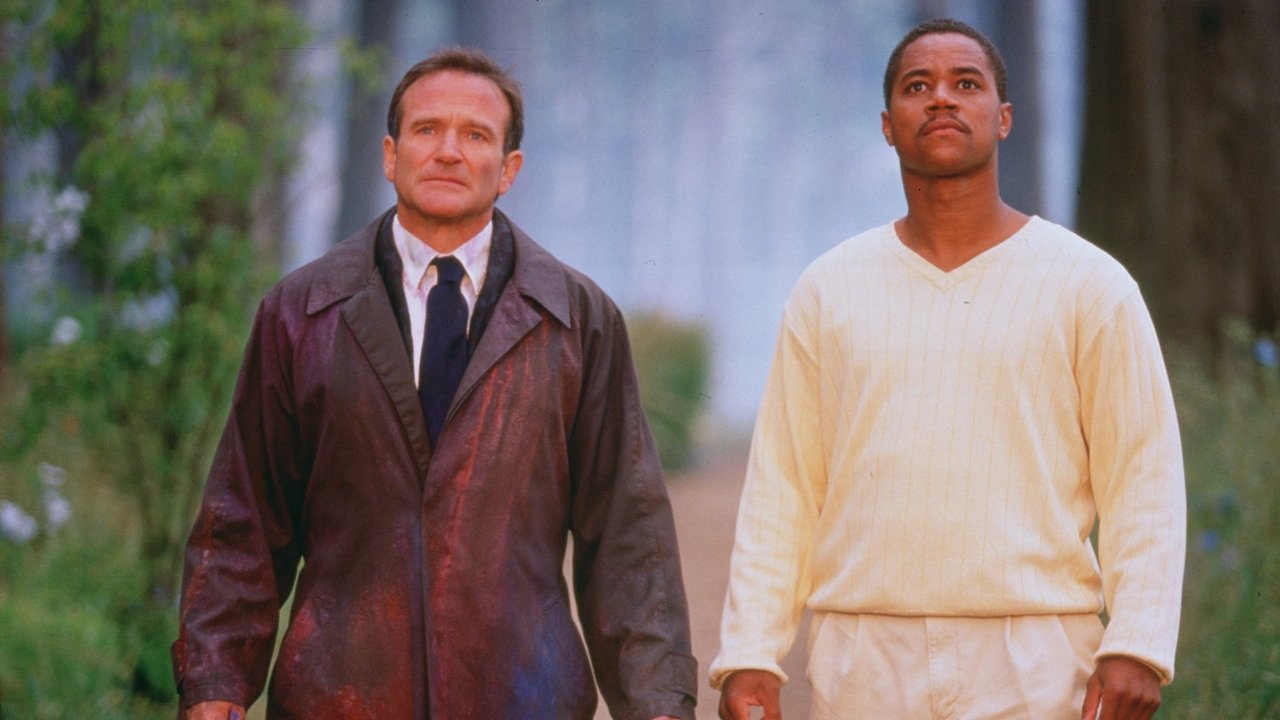
The premise, drawn from Richard Matheson's 1978 novel (yes, the same Matheson who gave us I Am Legend and countless classic Twilight Zone episodes), is deceptively simple yet profoundly resonant. Pediatrician Chris Nielsen, played by the inimitable Robin Williams, shares a deeply loving, almost idyllic life with his artist wife, Annie (Annabella Sciorra). Tragedy strikes, not once but twice, ultimately leaving Chris navigating an afterlife constructed from his own memories, beliefs, and, most vividly, Annie's artwork. His heaven is literally painted with her love. But when unbearable grief drives Annie to a desperate act, condemning her soul to a desolate realm, Chris embarks on an impossible journey, guided by an afterlife mentor, Albert (Cuba Gooding Jr.), to rescue her from a self-made hell.
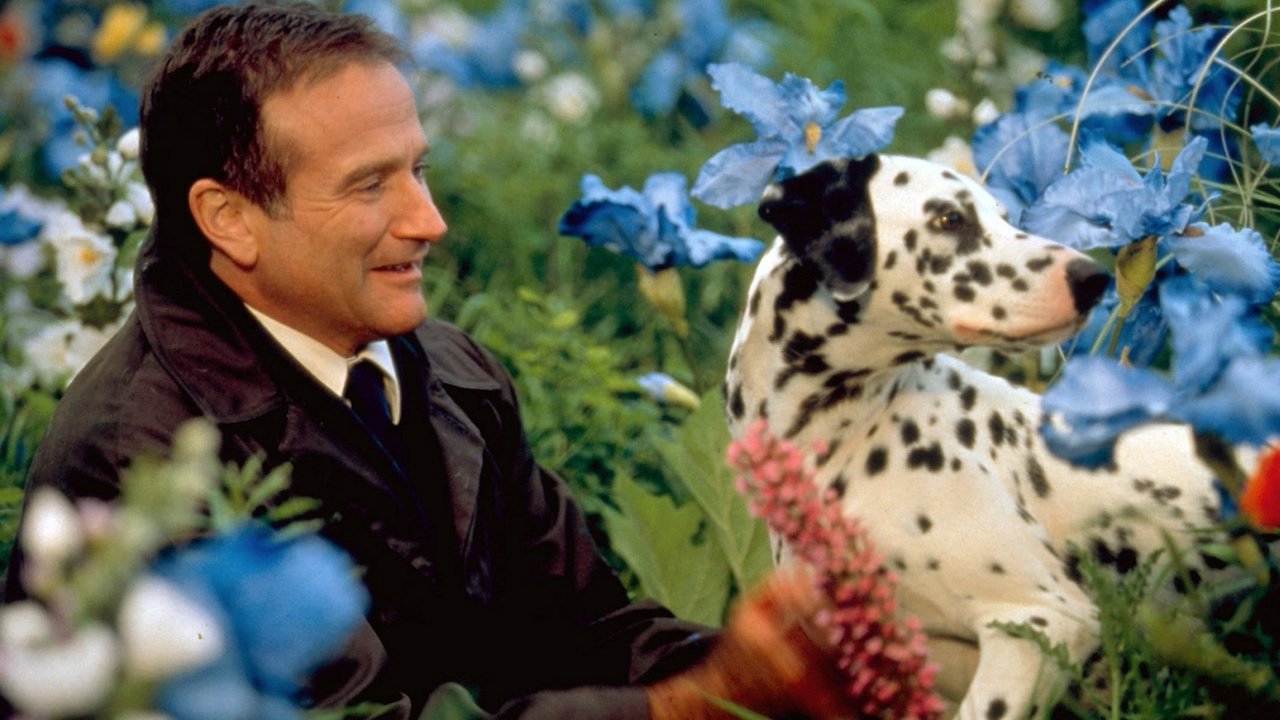
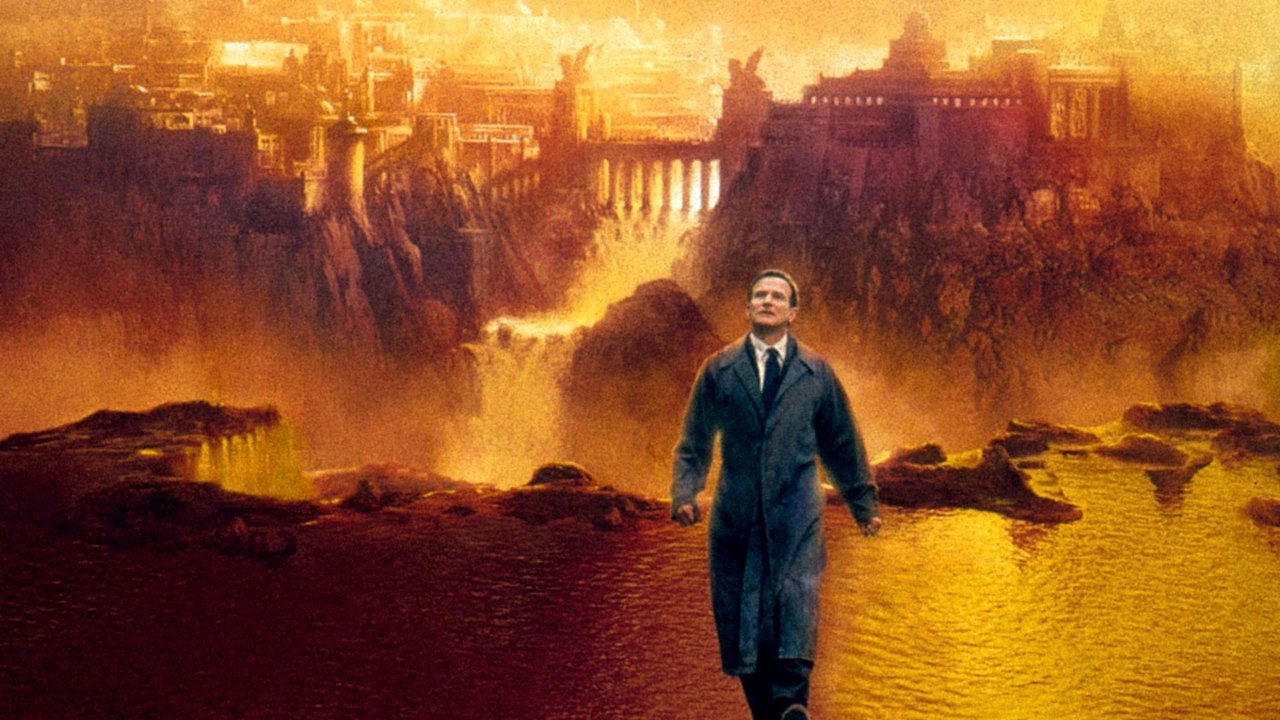
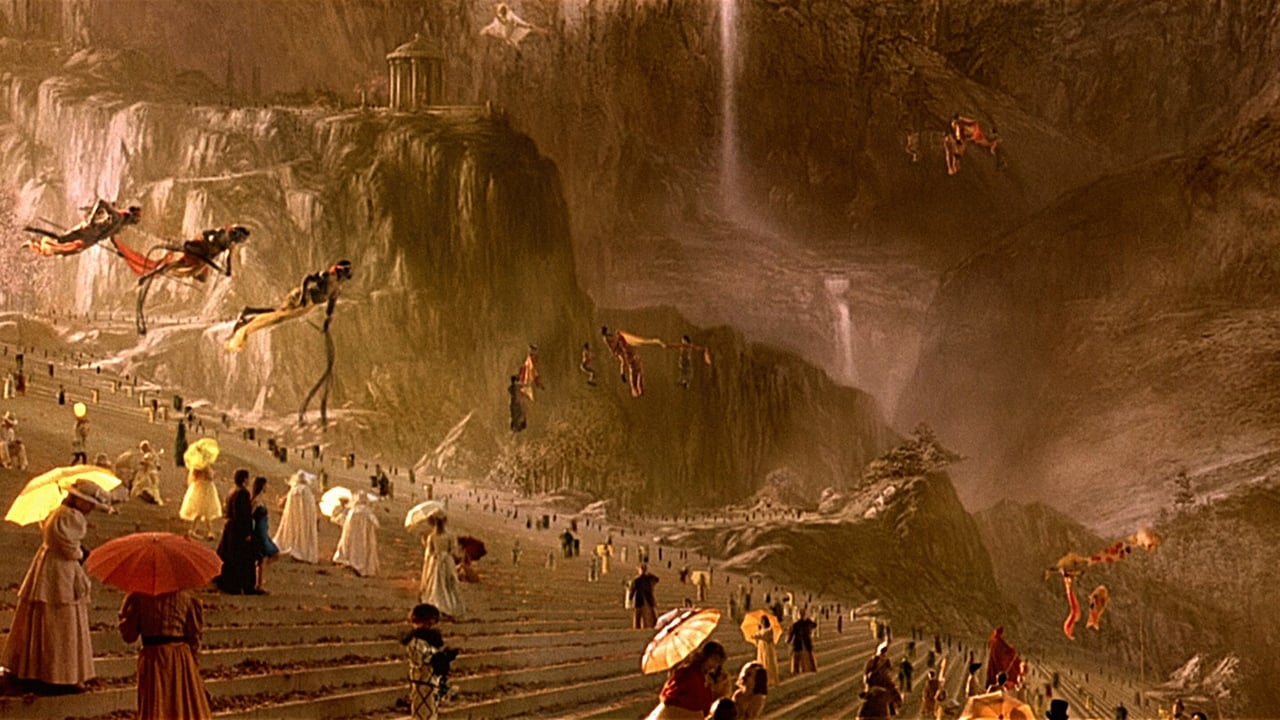
It's this visual translation of the afterlife that truly defined What Dreams May Come. Director Vincent Ward, known previously for the visually distinct Map of the Human Heart (1992), brought a unique, art-history-infused sensibility to the project. The vibrant, shifting landscapes Chris first encounters – fields of impossible flowers, skies swirling with pigment – feel lifted directly from Impressionist and Romantic paintings. This wasn't accidental; Ward actively drew inspiration from artists like Caspar David Friedrich. Achieving this "painted world" effect was a monumental task in the late 90s. It involved pioneering techniques, including scanning actual paintings and developing new technology with Fujifilm just to capture the necessary detail and texture, mapping these onto 3D environments. The effort paid off, earning the film a well-deserved Academy Award for Best Visual Effects, a testament to its groundbreaking approach in an era where CGI was still finding its footing. This visual splendor, however, came at a steep price – an estimated $85 million budget (around $160 million today), which sadly wasn't recouped at the box office, making it a fascinating example of artistic ambition perhaps outstripping commercial appeal at the time.
Heartbreak Rendered in Vivid Hues
Beyond the technical wizardry lies the film's emotional core. Robin Williams, stepping away from the manic comedy many associated him with, delivers a performance of profound warmth, sorrow, and unwavering devotion. His Chris is a man defined by love, and Williams conveys this with a gentle sincerity that anchors the fantastical journey. You feel his joy, his confusion, and ultimately, his desperate determination. He reportedly took the role specifically for this dramatic weight, a chance to explore deeper emotional territory.
Matching him is Annabella Sciorra as Annie. Her portrayal of grief is devastatingly raw and complex. It’s not just sadness; it's a soul-deep despair that feels terrifyingly real. The film doesn't shy away from the darkness of her depression and the controversial subject of suicide, depicting her personal hell not as a place of fire and brimstone, but as a cold, desolate echo of her earthly pain. It’s a challenging, often uncomfortable portrayal, but Sciorra commits fully, making Annie’s plight the desperate, driving force of the narrative. Cuba Gooding Jr., fresh off his Oscar win for Jerry Maguire (1996), provides a necessary grounding presence as Albert, offering guidance and exposition, though his character sometimes feels more functional than fully fleshed out. And look closely for the gravitas of Max von Sydow as The Tracker, a figure essential for navigating the darker realms.
Echoes in the Digital Stream
Revisiting What Dreams May Come now offers a unique perspective. The visual effects, while groundbreaking then, occasionally show their age compared to modern CGI, yet their painterly quality retains a distinct charm often missing from today's hyperrealism. There's a tangible artistry to them. The film's earnestness, its unabashed sentimentality, can also feel like a product of its time. Critics in 1998 were divided; many praised the visuals but found the story overly saccharine or the metaphysical rules a bit convoluted. The screenplay, by Ronald Bass (Rain Man, My Best Friend's Wedding), significantly altered the ending of Matheson's novel, aiming for a more emotionally cathartic, Hollywood-friendly resolution – a choice that still sparks debate among fans of the book.
Yet, the film's willingness to tackle enormous themes – the endurance of love beyond death, the nature of reality shaped by perception, the depths of grief, the possibility of redemption even from self-inflicted despair – remains potent. It asks profound questions, wrapped in a visually stunning package. Remember seeing those swirling paint visuals on a fuzzy CRT? It felt like magic, a glimpse into possibilities we hadn't seen rendered so vividly before. The title itself, lifted from Hamlet's famous soliloquy ("...what dreams may come / When we have shuffled off this mortal coil..."), perfectly encapsulates the film's blend of beauty and existential dread.
---
Rating: 7.5/10
Justification: What Dreams May Come earns its score through sheer audacity and heart. Its Oscar-winning visual effects were genuinely innovative, creating unforgettable, painterly visions of the afterlife that remain striking. Robin Williams delivers a deeply felt performance, anchoring the film's emotional core, and Annabella Sciorra's portrayal of grief is powerfully raw. While sometimes hampered by overt sentimentality and a narrative that occasionally struggles under the weight of its ambition (plus its box office disappointment showing it didn't quite connect universally), its willingness to grapple with profound themes of love, loss, and the nature of existence within such a unique visual framework makes it a memorable and often moving piece of late-90s cinema. It’s a film that feels intensely, even when it stumbles.
Final Thought: It remains a film that dares to visualize the unknowable, not just as spectacle, but as an extension of human emotion, leaving you pondering the landscapes we might paint for ourselves in the great beyond.