The cold doesn't just bite; it seeps into the soul. That's the promise whispered by the stark, unforgiving landscape of Sometimes They Come Back... for More (1998). Forget the sunlit horrors of the original Stephen King story's small town; this second direct-to-video sequel plunges us into the blinding white hell of an Antarctic military outpost, a place where isolation itself becomes a breeding ground for a unique, chilling strain of dread. The hiss of the VCR, the static snow on the screen – they almost felt like part of the film's desolate soundscape back in the day.
Ice Station Terror
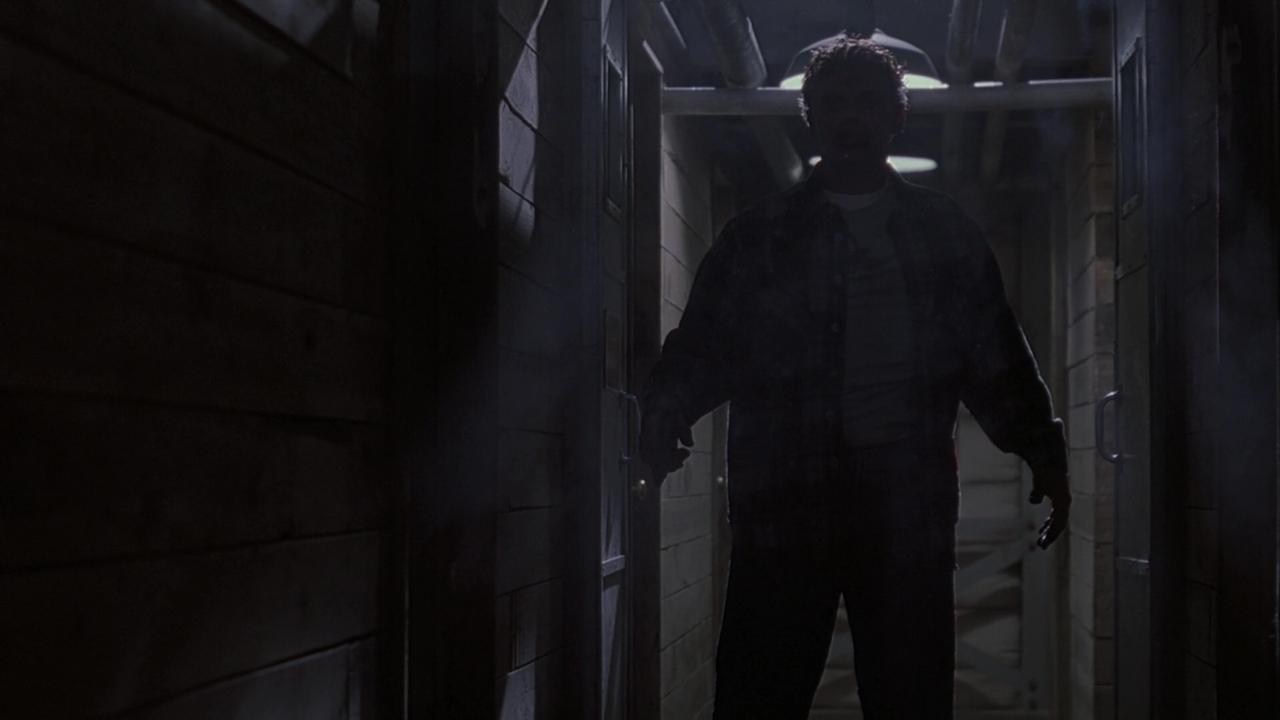
The setup is pure B-movie gold, distilled to its most potent, claustrophobic form. A remote US Antarctic outpost, Moriah, sits above something ancient and deeply wrong. When communications cease, Captain Sam Cage (Clayton Rohner, who brought a different kind of unease in April Fool's Day) and military psychiatrist Dr. Jennifer Wells (Faith Ford, a surprising but effective casting choice far from her Murphy Brown persona) are dispatched to investigate. They arrive to find only two traumatized survivors – played with twitchy intensity by Max Perlich (Drugstore Cowboy) and Chase Masterson – and a mounting sense of palpable wrongness. Director Daniel Berk uses the confined, sterile corridors of the outpost to maximum effect, creating a pressure cooker environment where the true horror isn't just what's outside, but what's trapped inside with you.
Atmosphere of Decay
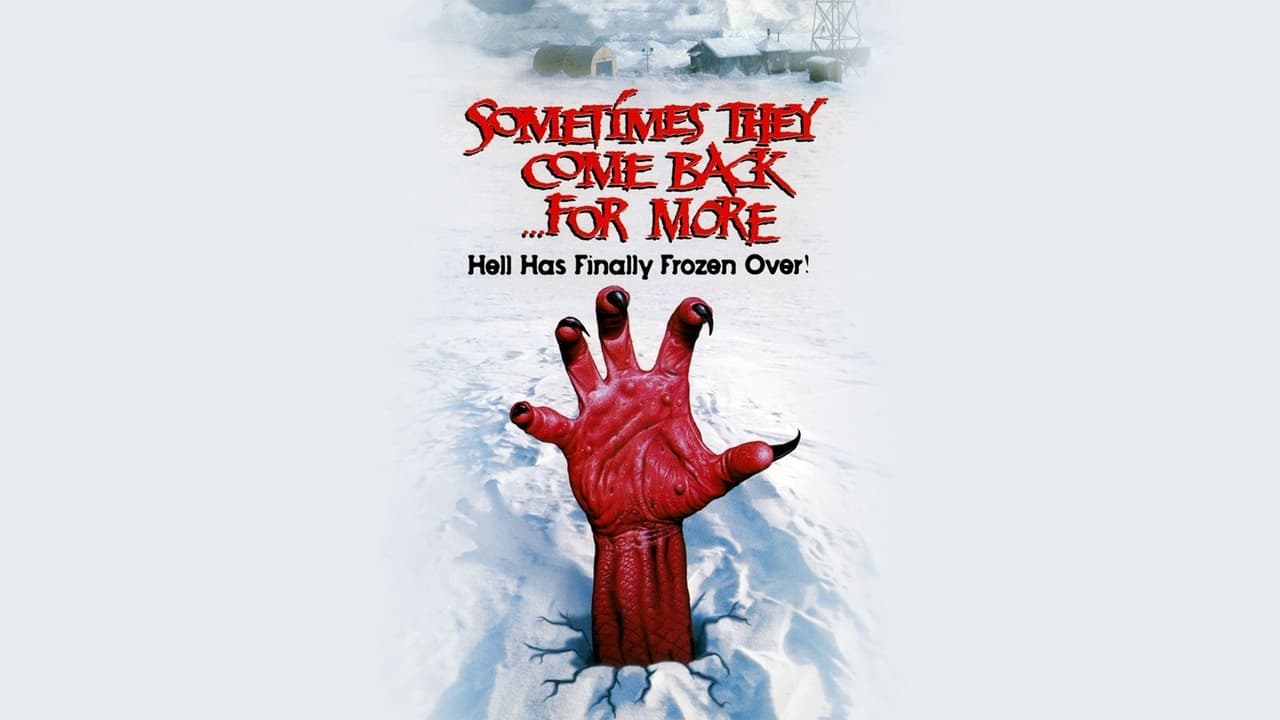
This isn't a film that relies on subtlety. From the moment our investigators arrive, the atmosphere is thick with decay and suspicion. The sparse, metallic clang of the sound design echoes through the near-empty station, punctuated by unsettling silences that feel heavier than any jump scare. While the budget limitations of a late-90s DTV sequel are occasionally apparent, the production design manages to convey a convincing sense of industrial isolation falling into ruin. It taps into that primal fear of being cut off, surrounded by an environment actively hostile to human life, long before the supernatural elements even fully kick in. You can almost feel the chill creeping off the screen, that specific damp cold of a place long abandoned, even if the filming actually took place far from the Antarctic tundra, reportedly in chilly Montreal, Canada.
Demons in the Details
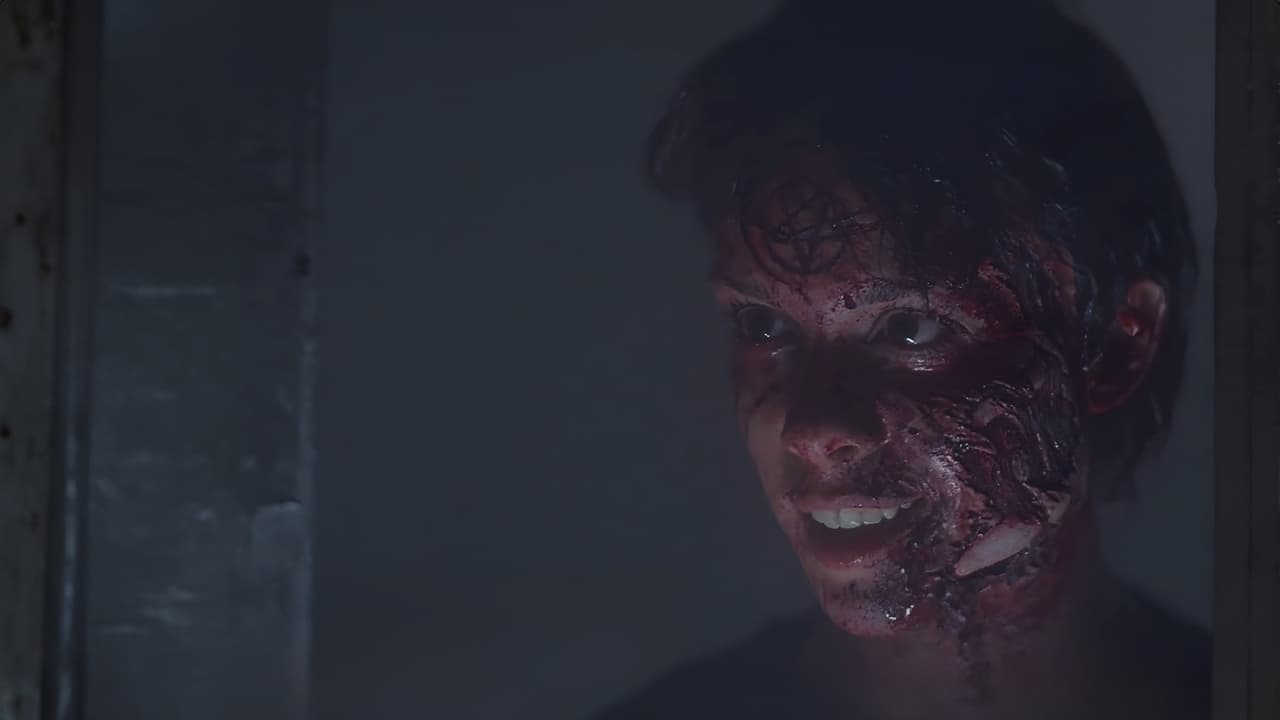
When the titular 'they' do come back, it’s with a decidedly demonic twist, a far cry from the greasers of the original TV movie. The film delves into possession, occult symbols, and a gateway to Hell narrative, leaning heavily into grotesque practical effects. And let's be honest, wasn't that part of the gritty charm of these VHS-era shockers? The effects here are a mixed bag, typical of their time and budget. Some of the demonic makeup and gore gags land with a squelchy, visceral impact that still holds a certain raw power – the kind of stuff that felt genuinely disturbing on a flickering CRT screen late at night. Other moments might induce more of a grimace than a gasp today. There's a certain earnestness to the practical bloodletting, however, a commitment to the physical reality of horror that often gets lost in modern CGI. Did anyone else rewind the tape just to get a better look at that one particularly nasty effect?
Retro Fun Facts: Frozen Origins
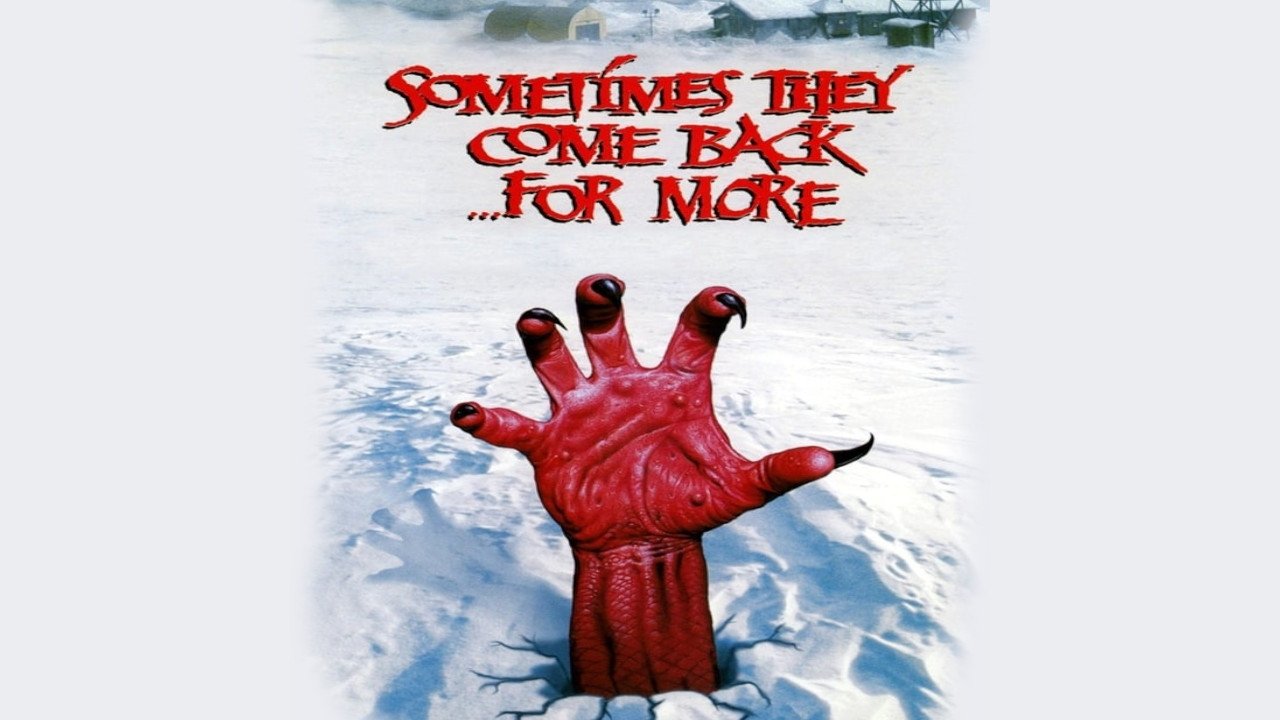
Originally titled Frozen before being folded into the Sometimes They Come Back franchise (a connection mostly tangential, relying on the core concept of returning evil rather than direct plot links), this sequel aimed for a different kind of chill. The tagline perfectly captured the B-movie spirit: "Terror has reached the boiling point... at 20 degrees below zero." It’s a classic example of late-90s DTV horror trying to carve out its niche, often by grafting familiar names (like King's, however loosely) onto straightforward genre premises. Clayton Rohner brings a weary competence to his role, anchoring the increasingly bizarre events, while Faith Ford adds a welcome layer of grounded skepticism that slowly erodes. Max Perlich, as ever, excels at playing characters frayed at the edges, adding to the overall sense of paranoia and collapse.
A Relentless Chill
Sometimes They Come Back... for More doesn't aspire to the psychological depth of Carpenter's The Thing, despite the shared Antarctic setting. Its aims are simpler, more direct: to deliver claustrophobic tension and visceral shocks within its icy confines. The plot eventually spirals into full-blown demonic chaos, sacrificing some of the initial atmospheric dread for more overt confrontations. Yet, there's an undeniable intensity to its final act, a bleak, almost nihilistic energy that lingers. It’s a film that commits to its grim premise, delivering a cold, sharp dose of supernatural horror perfect for that late-night viewing slot. It understands the power of isolation and the terror of realizing that the sanctuary you sought is actually the source of the nightmare.
Rating: 6/10
Final Thought: While undeniably a product of the 90s direct-to-video boom and far removed from its Stephen King roots, Sometimes They Come Back... for More conjures a surprisingly effective atmosphere of icy dread and delivers enough memorable practical grotesquerie to earn its place as a chilly, worthwhile find in the dusty corners of the VHS shelf. It’s a testament to the enduring power of a simple, isolated horror setup.