Dust motes dancing in the projector beam, the low hum of worn magnetic tape… sometimes the most potent chills aren't just in the film, but in the memory of how we first encountered them. There's a particular flavour to late-90s horror efforts that tried to recapture old gods and monsters, a certain grim ambition often bound for the flickering embrace of the CRT screen. Such is the case with Russell Mulcahy's 1998 dive into sarcophagal dread, Tale of the Mummy (also known, fittingly, as Talos the Mummy). Forget heroic adventurers; this film whispers of curses that cling like grave dust, of an ancient malevolence stirring beneath the grey London skies.
### Ancient Evils, Modern Gloom
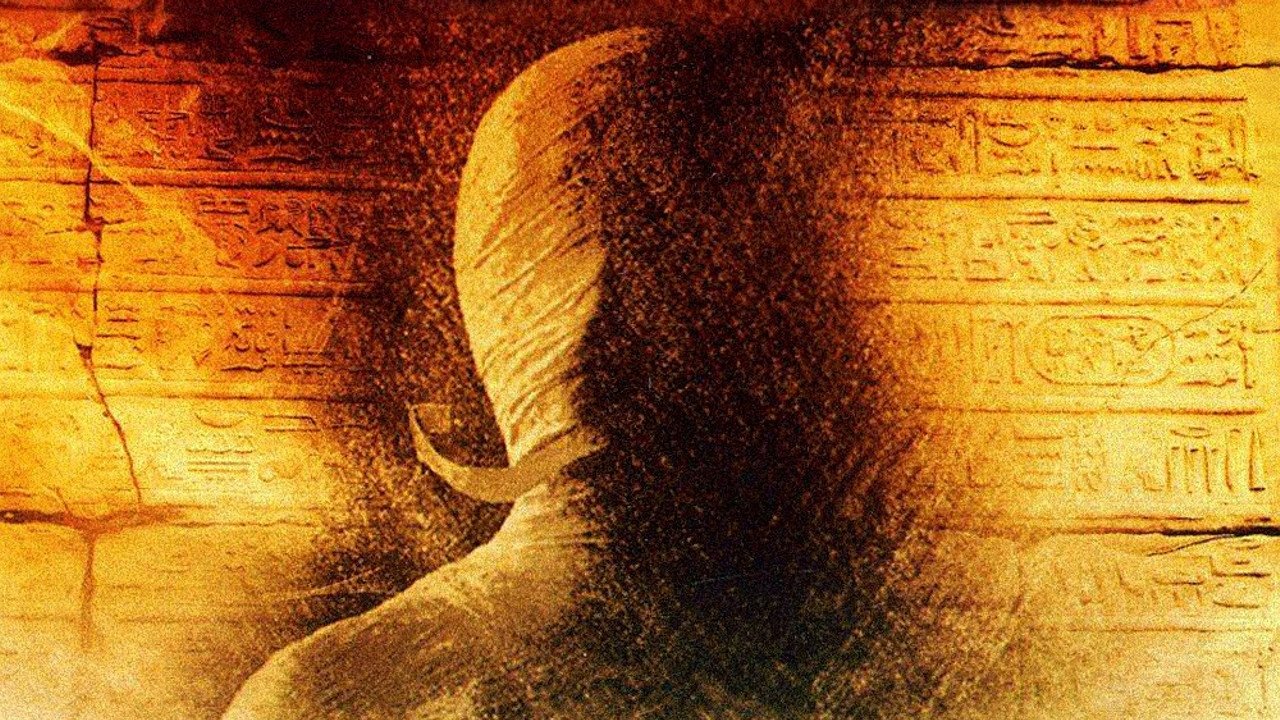
The opening sets a tone thick with foreboding. We're thrust into an Egyptian expedition in 1948, led by the venerable Sir Richard Turkel (played with immediate, grave authority by the legendary Christopher Lee). They unearth the tomb of Talos, a vengeful prince whose spirit, the warnings claim, seeks rebirth under a specific celestial alignment. The discovery sequence is drenched in shadow and apprehension, Mulcahy leveraging claustrophobic sets and a palpable sense of violation. Of course, ignoring ancient warnings is Rule #1 in the Cursed Tomb Handbook, and the expedition meets a grisly, psychologically shattering end. It's a potent setup, immediately establishing stakes drenched in blood and madness, tapping directly into that primal fear of disturbing things best left buried. That Lee, a Hammer Horror icon who faced Kharis himself in 1959's The Mummy, bookends this film feels like a deliberate, almost ritualistic passing of the torch – or perhaps, a solemn warning.
Decades later, the sarcophagus finds its way to London, just as the prophesied planetary conjunction looms. Turkel's granddaughter, Samantha (Louise Lombard), now a determined archaeologist herself, finds herself drawn into the ensuing nightmare alongside Riley (Jason Scott Lee), a somewhat brooding American detective investigating a series of bizarre, ritualistic murders. The atmosphere shifts from the sun-baked dread of Egypt to the damp, oppressive chill of modern London, a city soon to be stalked by something ancient and implacable.
### Mulcahy's Shadow Play
Director Russell Mulcahy, a maestro of stylized visuals known for the electric energy of Highlander and the grimy outback terror of Razorback, brings a distinct, if sometimes uneven, hand to the proceedings. He leans heavily into shadow, crafting sequences steeped in murky blues and deep blacks. The intent is clear: to create a suffocating sense of unseen threat. There are moments where this works effectively, particularly in sequences hinting at Talos's power – a victim dragged into darkness, the unsettling suggestion of movement just beyond the frame. The sound design often complements this, with creaks, whispers, and a score that favours ominous drones over overt orchestral sweeps, aiming for a persistent unease. Does it always succeed? Not quite. Occasionally, the darkness feels less like deliberate atmosphere and more like visual incoherence, a common pitfall when translating gothic mood to the screen without a consistently sharp focus.
One fascinating production tidbit involves the sheer ambition versus budget. While made for a reported $10 million, Tale of the Mummy aimed for a scope that often feels constrained. Yet, this constraint sometimes forces a kind of grim ingenuity, particularly in how Talos's presence is suggested rather than always shown, relying on reaction shots and aftermath to convey the horror.

### A Monster of Shreds and Whispers
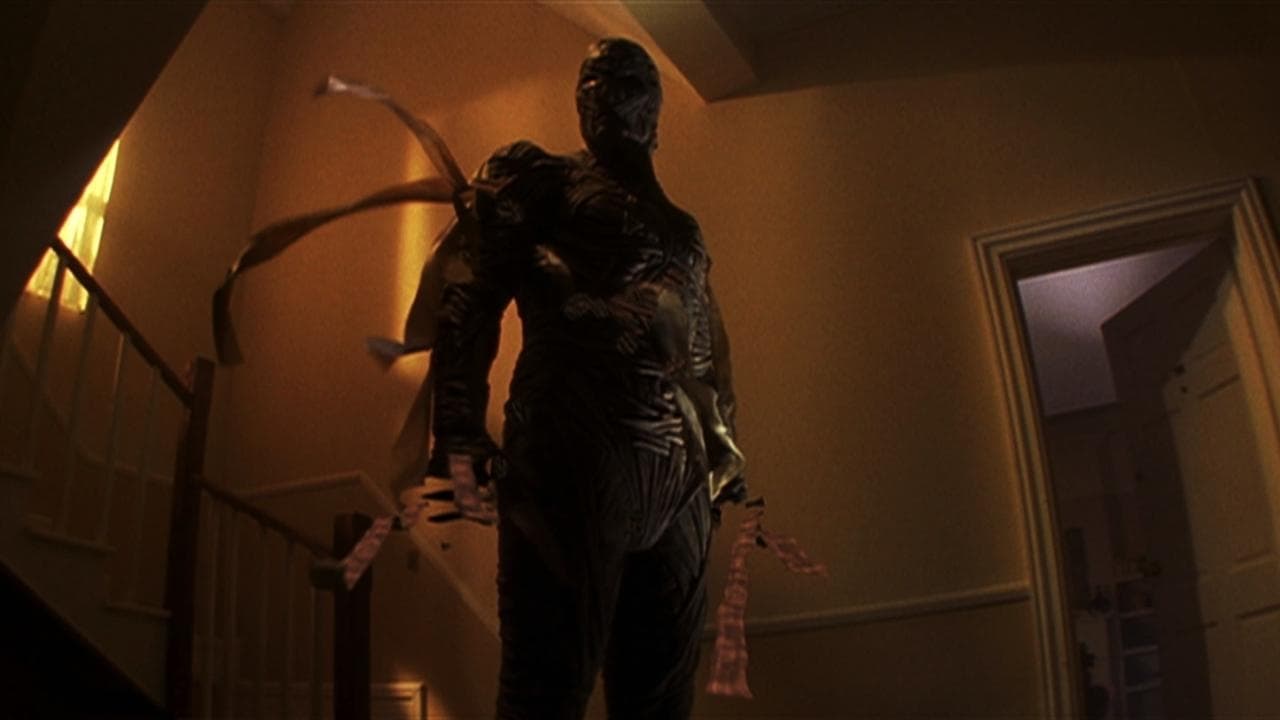
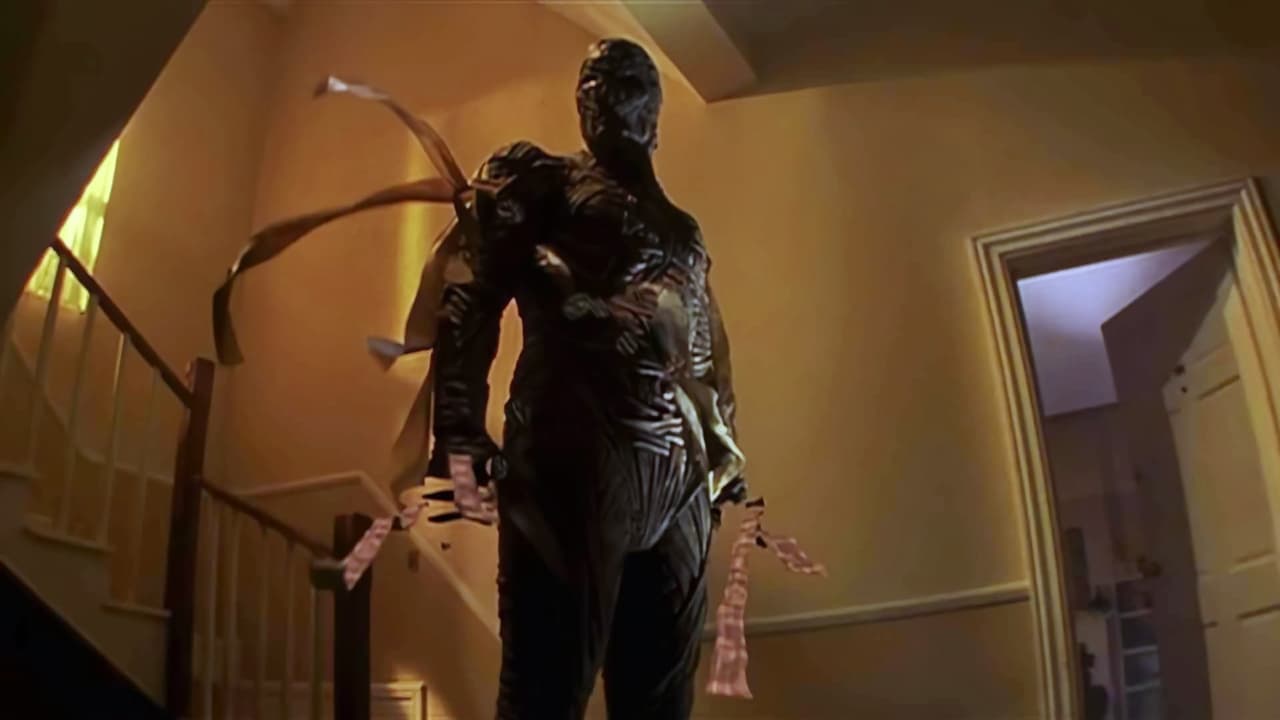
The concept of Talos is genuinely unnerving. Not a lumbering, bandage-wrapped brute, but a creature capable of reducing victims to dust, absorbing their knowledge, and eventually reforming itself from scavenged strips of cloth and, horrifyingly, bandages stolen from hospitals. The visual of Talos – a shifting, semi-formed figure composed of tattered rags – is often quite effective in its fleeting appearances. It taps into a body horror sensibility, the idea of something unnatural piecing itself together from detritus. The practical effects used to achieve this, while occasionally betraying their late-90s origins, possess a tangible quality that digital creations often lack. There's a disturbing physicality to the way the bandages constrict and consume, moments that genuinely crawl under the skin. Did that sudden reveal of the forming creature make anyone else's pulse jump back in the day? It certainly felt like a fresh, grislier take on the mummy mythos.
The cast does capable work grounding the escalating supernatural events. Jason Scott Lee, carrying a stoic intensity honed from roles like Dragon: The Bruce Lee Story, makes Riley a believable anchor amidst the chaos. Louise Lombard effectively portrays Samantha's blend of academic curiosity and inherited dread. And Sean Pertwee, as the increasingly unhinged former expedition member Bradley, injects a necessary dose of frantic paranoia, embodying the curse's lingering psychological trauma. His descent is one of the film's more unsettling threads.
### Echoes in the Video Store Aisle
Watching Tale of the Mummy now evokes a specific kind of nostalgia – the feeling of browsing the horror section at Blockbuster or Hollywood Video, drawn in by lurid cover art promising ancient terrors reborn. This film landed in that peculiar pre-millennium window, just before Stephen Sommers' bombastic, action-adventure The Mummy (1999) would completely redefine the creature for a new generation. Mulcahy's film feels like a throwback, an attempt at a darker, more atmospheric horror story in the vein of the classic Universal or Hammer cycles, albeit filtered through a late-90s sensibility. Its release timing was perhaps its greatest curse; initially planned for theatrical release, it ended up going straight-to-video in many territories, overshadowed by its impending, higher-budgeted cousin. For many of us, finding this tape felt like uncovering a slightly forgotten, perhaps grimmer, alternative vision of the mummy's return.
The film isn't without its flaws. The pacing can drag in the middle act, and the plot sometimes relies on convenient discoveries or slightly muddled exposition regarding Talos's specific mechanics and goals. The attempt to blend procedural investigation with ancient curse mythology occasionally feels disjointed. Yet, the commitment to a dark, often bleak tone remains consistent. There are sequences, like the attack in the London Underground or the final confrontation in the museum, that achieve a genuine sense of chaotic intensity and visceral impact.
### Rating and Final Desecration
Tale of the Mummy strives for a serious, chilling horror experience, aiming to invoke dread rather than jump scares alone. It partially succeeds, thanks to Mulcahy's atmospheric direction (when it lands), a genuinely creepy central monster concept, some effective practical effects, and solid performances grounding the supernatural threat. However, pacing issues, occasional visual murkiness, and a script that doesn't always smoothly integrate its disparate elements prevent it from reaching the heights of the classics it evokes or the visceral punch it clearly aims for. The presence of Christopher Lee lends undeniable gravitas, and the film's commitment to its grim tone is commendable in an era increasingly leaning towards irony or action spectacle in its horror.
Rating: 6/10
Justification: The film earns a 6 for its strong atmospheric ambition, the genuinely unsettling concept and occasional effective execution of Talos, Christopher Lee's impactful presence, and moments of real visual flair from Mulcahy. It avoids being truly generic. However, it loses points for inconsistent pacing, a script that sometimes feels underdeveloped or convoluted, and visuals that occasionally slip from atmospheric into simply hard-to-see. It's a respectable, often interesting attempt at dark fantasy horror, but ultimately falls short of being truly terrifying or wholly cohesive, preventing it from reaching the 7 or 8 range.
Ultimately, Tale of the Mummy remains a fascinating curio from the twilight of 90s horror. It's a film that feels like it belongs on VHS, discovered late at night, offering a darker, grittier vision of ancient curses unleashed upon a modern world, even if the execution doesn't fully resurrect the potent dread it exhumes. It's a worthy dig for fans of Mulcahy's style or those seeking a mummy story with more shadow than swashbuckle.