It’s a curious thing, revisiting old friends after decades apart. Sometimes the spark reignites instantly, the shared history creating an effortless warmth. Other times… well, the magic feels a little harder to summon, the familiar rhythms slightly out of sync. Watching Jack Lemmon and Walter Matthau step back into the perpetually mismatched shoes of Felix Ungar and Oscar Madison in 1998's The Odd Couple II evokes precisely this complex blend of fondness and faint awkwardness. Thirty years had passed since the original film captured Neil Simon's stage masterpiece, and seeing these two titans of comedy together again, one last time as it tragically turned out, feels like both a gift and a slightly bittersweet coda.
### Ghosts of Laughtermakers Past
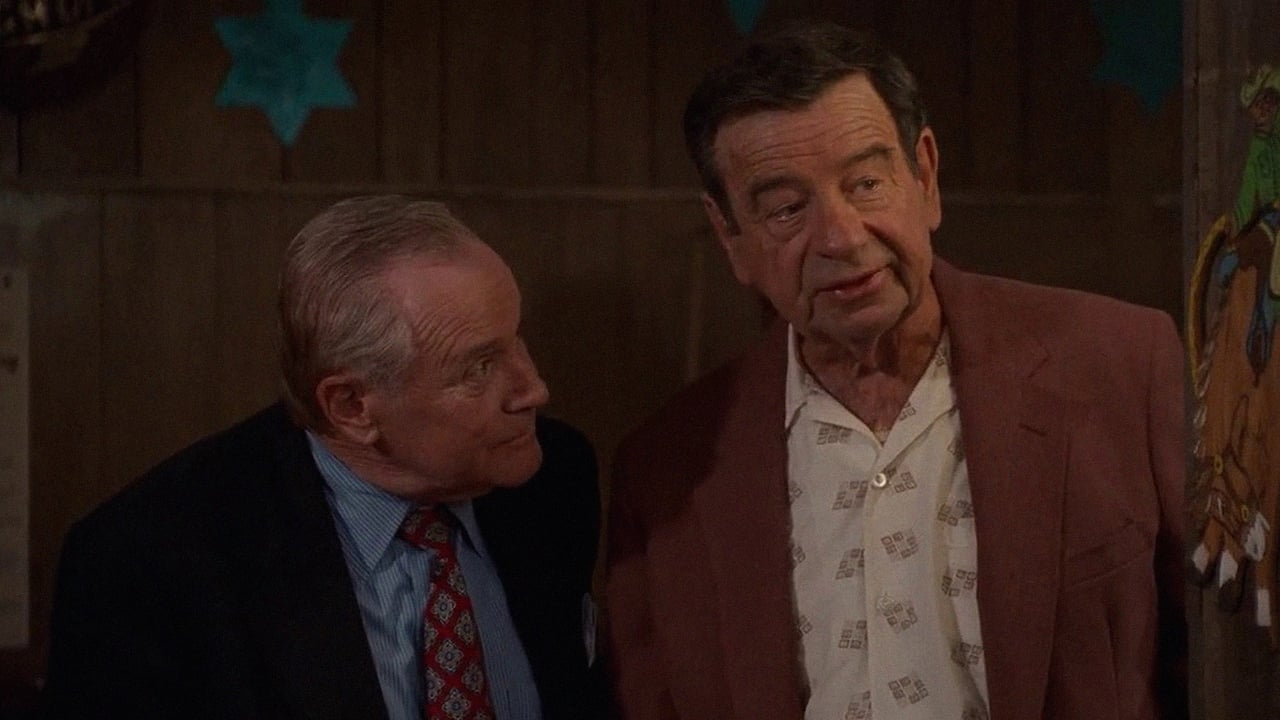
The premise whisks us away from that iconic Manhattan apartment. Felix and Oscar, now estranged and living separate lives on opposite coasts, are thrown back together for a cross-country road trip to California for the wedding of Oscar’s son and Felix’s daughter. It’s a classic setup, ripe for the kind of bickering brilliance that defined their original pairing. Neil Simon, returning to script the only movie sequel of his illustrious career, clearly aimed to recapture that lightning in a bottle. And who better to helm this reunion than Howard Deutch, a director familiar with the rhythms of 80s and 90s character comedy, having given us gems like Pretty in Pink and Some Kind of Wonderful?
Yet, something feels different this time around. The claustrophobic intensity of the apartment, which forced Felix’s fussy neatness against Oscar’s slobbish chaos, is replaced by the open road. While this allows for broader comedic set pieces – run-ins with colourful locals, car troubles, misunderstandings galore – it also diffuses some of the focused energy that made the original dynamic so potent. The situations often feel more contrived, less organically born from the characters themselves.
### The Enduring Chemistry of Legends
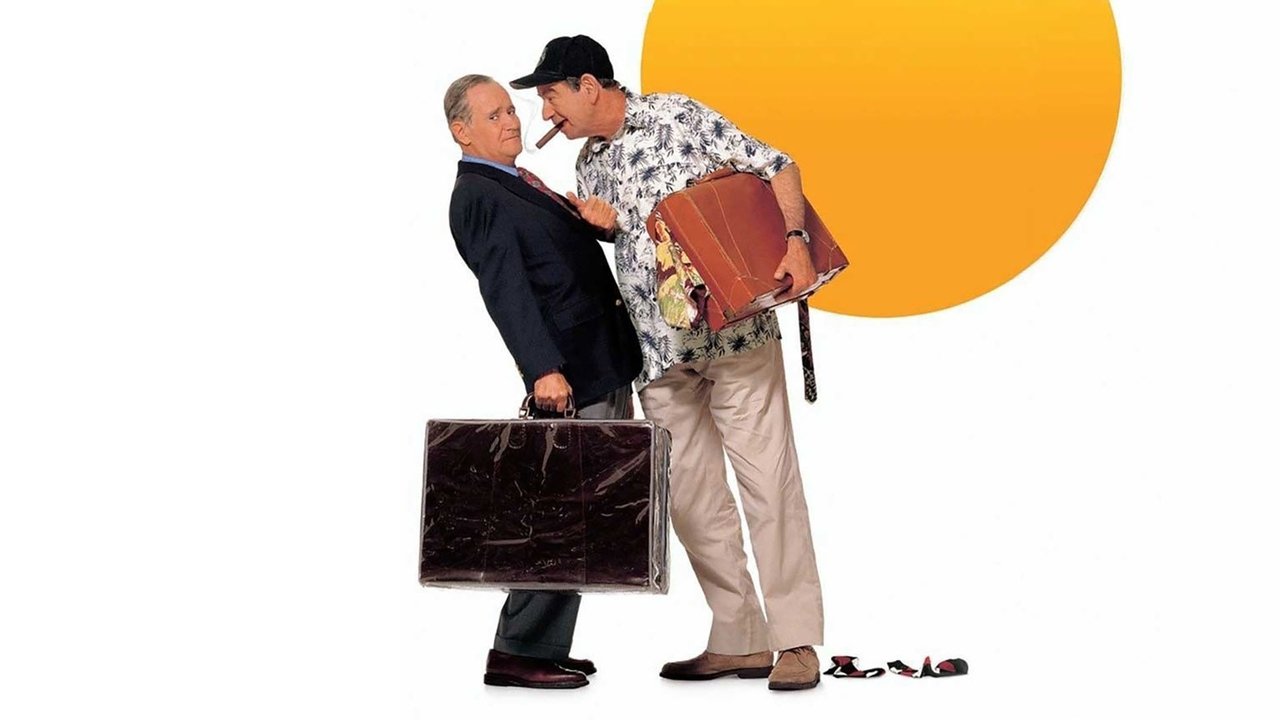
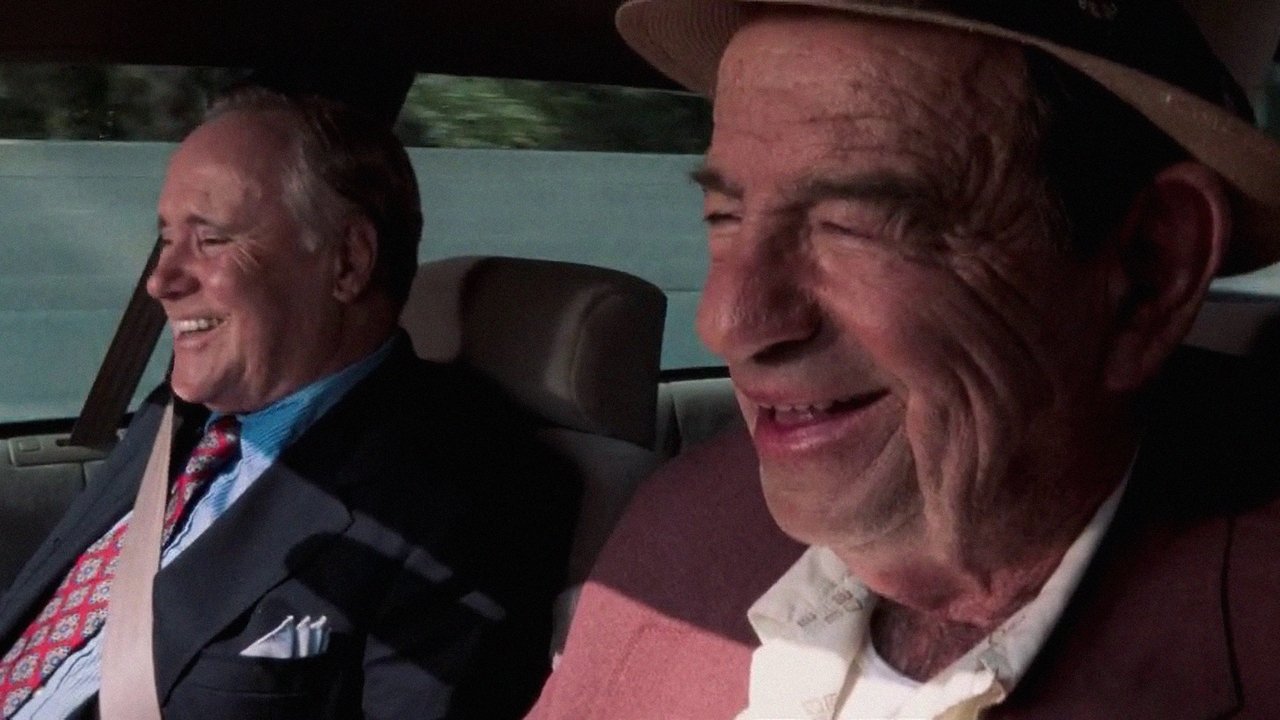
But let's be honest: the primary reason any of us slid this tape into the VCR back in the day, or seek it out now, is Lemmon and Matthau. Their chemistry remains undeniable, a comfortable old shoe of comedic timing and mutual exasperation honed over decades of collaboration since The Fortune Cookie (1966). They slip back into Felix and Oscar effortlessly. Lemmon still fusses and frets with unparalleled precision, his anxieties practically vibrating off the screen. Matthau, ever the irascible curmudgeon, shuffles and grumbles with lived-in weariness. There are moments, flashes in their interactions – a perfectly timed eye-roll from Matthau, a high-pitched whine from Lemmon – that remind you exactly why this pairing is legendary. It was reportedly Matthau who convinced a hesitant Lemmon to return to the roles, a testament perhaps to their off-screen bond mirroring the enduring, if exasperating, connection of their characters.
The trouble is, the material doesn't always serve them as well as it should. While Simon's dialogue retains flashes of his signature wit, many of the jokes feel… well, a bit tired. The road trip structure leads to episodic encounters that sometimes land, but often feel like sketches strung together rather than a cohesive narrative propelled by character. Supporting players, including the always welcome Christine Baranski, do their best, but the film lives and dies on the shoulders of its two leads.
### Echoes in the Laugh Track
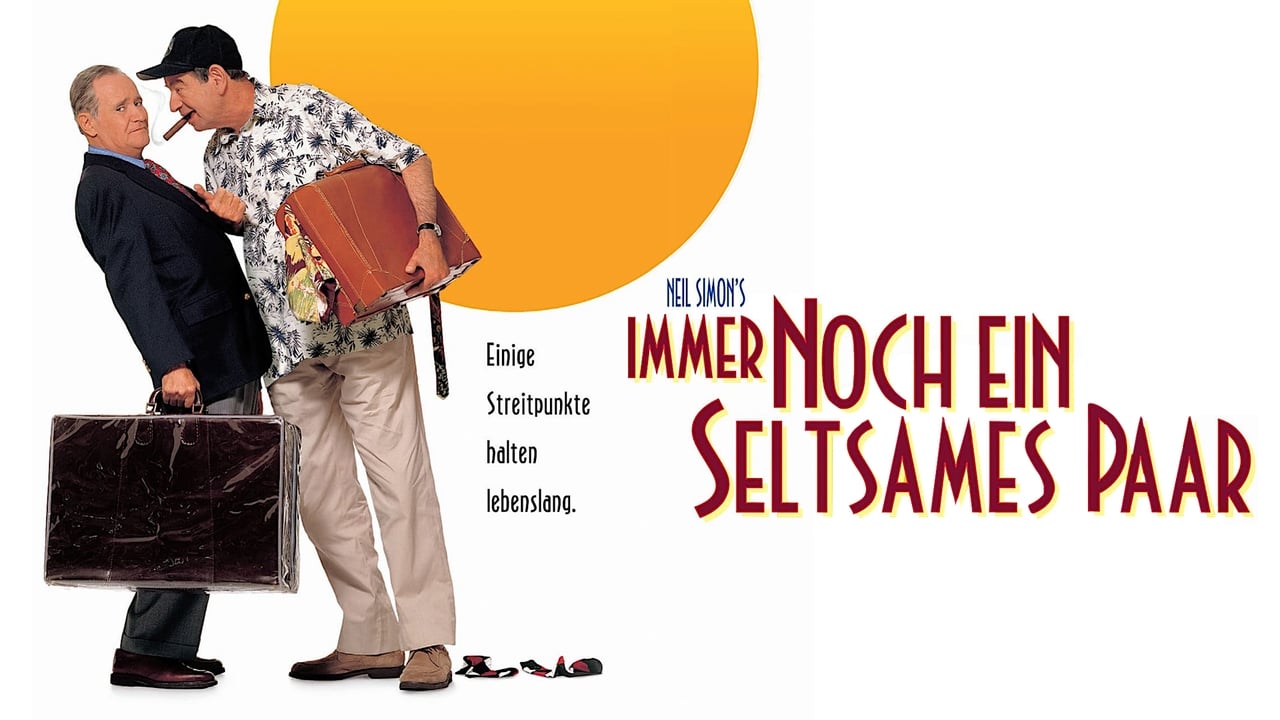
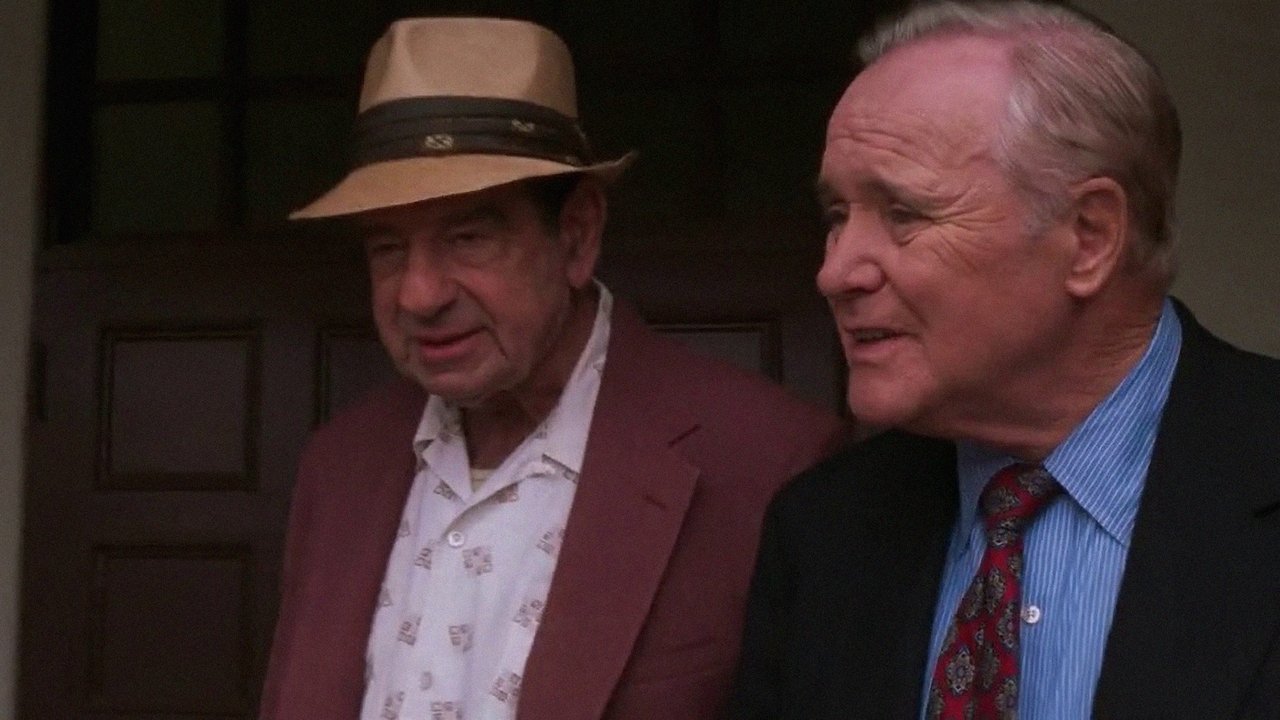
Digging into the production history reveals a film perhaps caught between eras. Made for a reported budget leaning towards $40 million – a hefty sum back then – it unfortunately failed to connect with audiences, grossing less than half of that domestically. The critical reception was similarly lukewarm. Was it that the world had moved on from this style of comedy? Or did the sequel simply lack the sharp, observational edge of the original play and film, which felt so specific to its time and place? Perhaps it’s a bit of both. Watching it now, there's an undeniable layer of melancholy, knowing this was the final cinematic dance for Lemmon and Matthau, who passed away in 2001 and 2000 respectively. Their age is central to the plot, but it also adds a poignant resonance that the sometimes-forced comedy doesn't fully acknowledge.
The journey itself, winding through dusty California towns, provides some amusing scenarios, but few achieve the truly iconic status of the original's poker games or linguini dinners. It's less a piercing character study fueled by brilliant dialogue, and more a series of gentle, occasionally funny mishaps experienced by two beloved figures. It feels less like classic Neil Simon and more like a Grumpy Old Men road trip (fitting, given Deutch also directed Grumpier Old Men).
### Final Thoughts on the Reunion
The Odd Couple II is far from a disaster. It's a fundamentally pleasant experience carried aloft by the sheer force of personality and ingrained comedic genius of its stars. Seeing Lemmon and Matthau together again offers genuine moments of warmth and recognition, like bumping into old acquaintances you’re still fond of, even if the conversation isn't quite as sparkling as you remember. The film doesn't tarnish the legacy of the original, but it doesn't significantly add to it either. It exists as a gentle, somewhat forgettable encore performance.
Rating: 5/10
Justification: The rating reflects the undeniable, albeit faded, magic of seeing Lemmon and Matthau reunite (worth 5 points alone for sheer screen presence and chemistry), balanced against a script that feels formulaic, less sharp than Simon's best work, and comedic situations that are hit-or-miss. It's a nostalgic trip worth taking for fans of the actors, but it lacks the brilliance and enduring substance of its predecessor.
Final Comment: It may not capture the original's lightning, but as a final bow for one of cinema's greatest comedy duos, it's a reunion you watch with affection, even if tinged with the knowledge that some magic is best left undisturbed.