Alright fellow tapeheads, gather ‘round. Sometimes, digging through those dusty cardboard boxes behind the counter at the video store unearthed something… different. Not just another action hero or teen comedy, but a film that felt genuinely transgressive, maybe even a little dangerous. That’s the feeling I get popping the tape of Santiago Segura’s 1998 directorial debut, Torrente, el brazo tonto de la ley (or Torrente, the Dumb Arm of the Law), into the old VCR. This wasn't just a movie; it felt like finding contraband, a gloriously grimy window into a world of sublime sleaze.
### Meet Your Worst Nightmare (Who Thinks He's Your Hero)
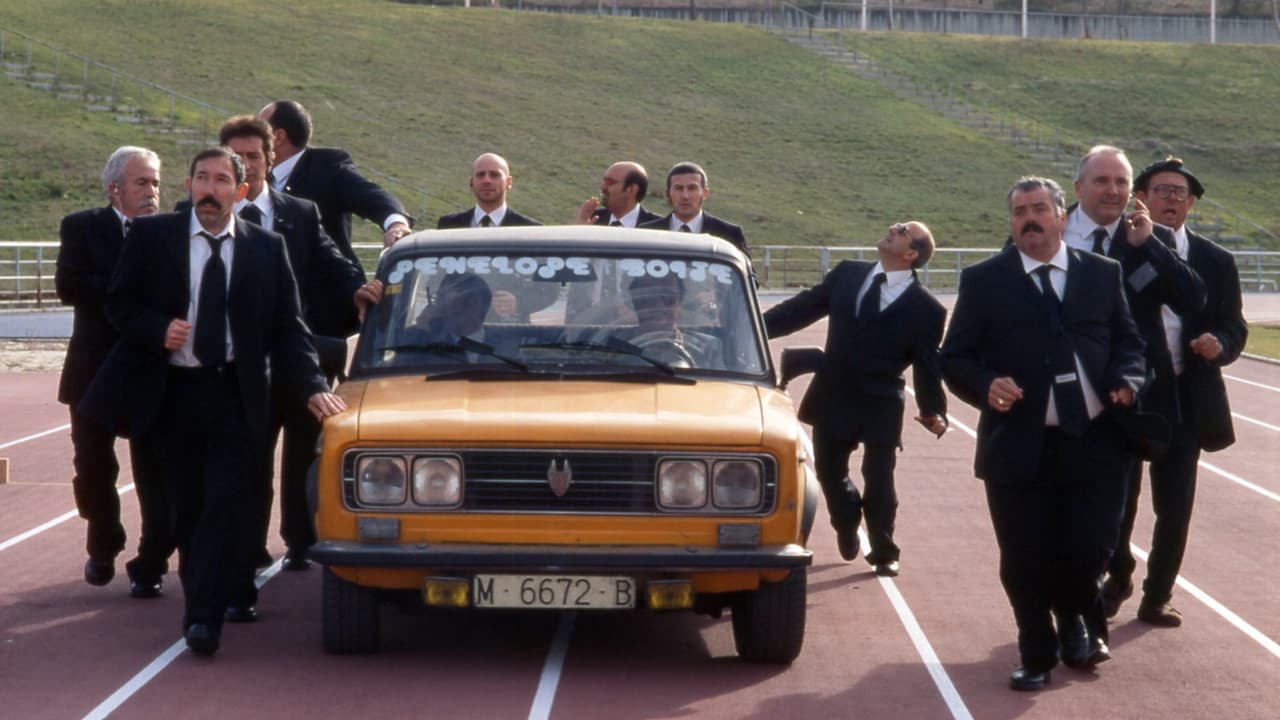
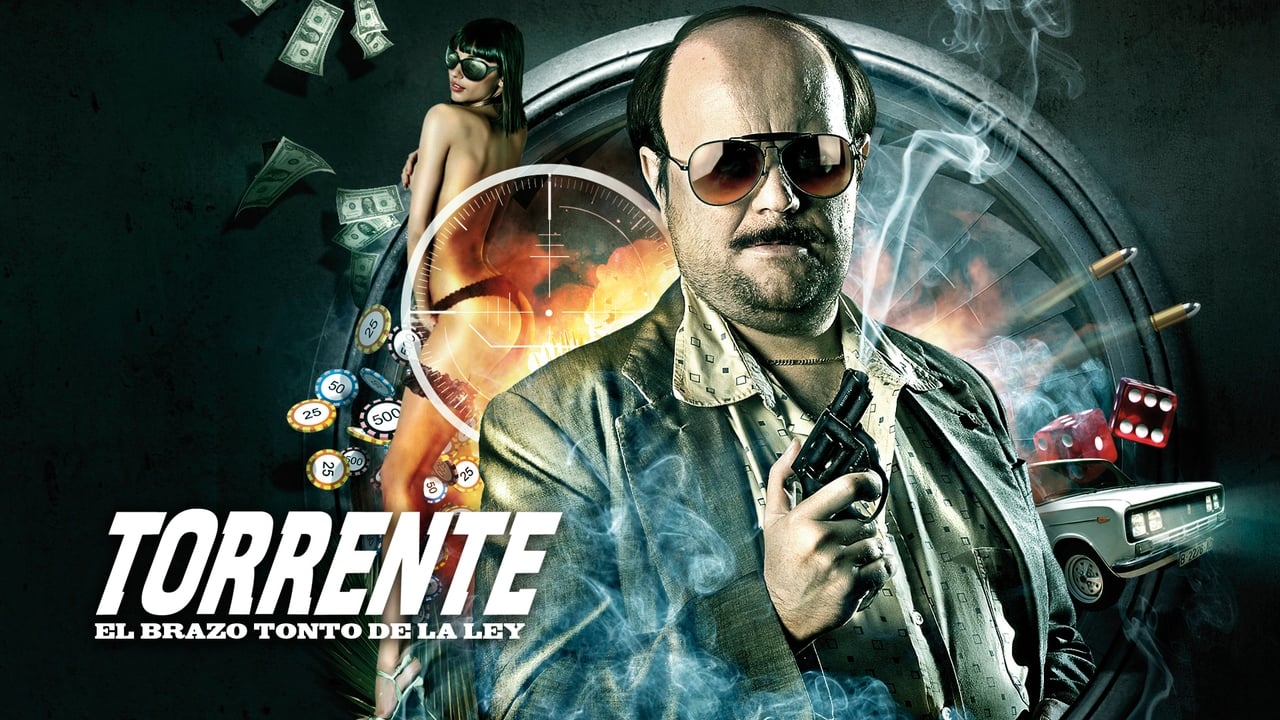
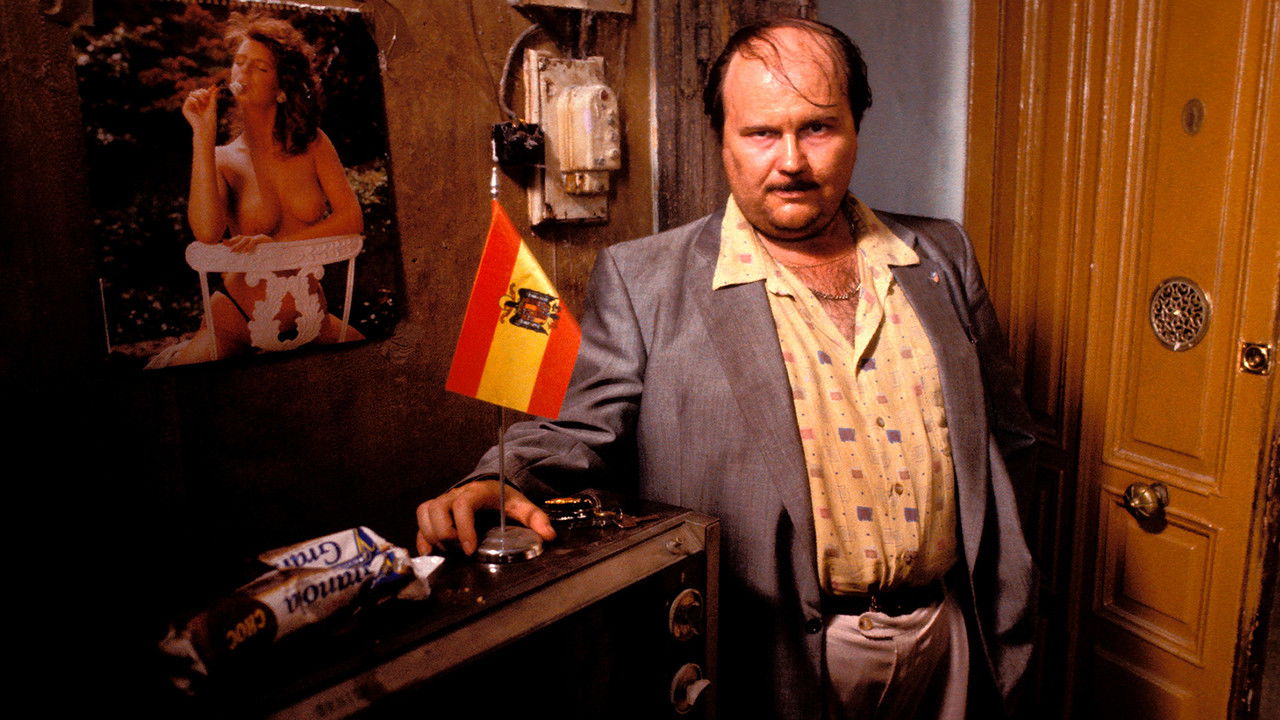
Forget charming rogues or conflicted anti-heroes. José Luis Torrente, brought to life with terrifying gusto by Segura himself, is something else entirely. He’s a slovenly, racist, sexist, homophobic, corrupt, hygiene-averse ex-cop clinging delusionally to his Franco-era glory days in Madrid. He sweats profusely, openly roots for Atlético Madrid with violent passion, lives in squalor with his wheelchair-bound father (whom he treats abominably), and scams everyone he meets. He is, without exaggeration, one of the most repulsive protagonists ever committed to film. And somehow… it’s hilarious.
The genius, and the controversy, lies in Segura’s fearless portrayal. He doesn't just play Torrente; he inhabits him, layering on the grime, the cheap suits, the disgusting eating habits, and the sheer, unadulterated awfulness. It’s a performance of grotesque commitment. Segura, who also wrote and directed, reportedly poured his own savings into getting the film made when traditional financiers balked, a gamble that paid off spectacularly when Torrente became the highest-grossing Spanish film in history up to that point. It struck a nerve, a raw, uncomfortable one, holding up a distorted mirror to certain aspects of Spanish society.

### A Sleazy Plot in a Grimy World
The plot, such as it is, involves Torrente stumbling upon a drug trafficking operation run out of a local Chinese restaurant. Seeing an opportunity for personal gain (naturally), he ropes in Rafi (Javier Cámara, brilliant here as the naive, nerdy neighbor obsessed with action movies and weaponry) and a colourful crew of local misfits – including the alluring Amparito (Neus Asensi) and her nymphomaniac cousin – to help him bust the ring.
What follows is less a tightly plotted thriller and more a series of increasingly outrageous and offensive vignettes. Segura crafts a vision of Madrid that’s far from the tourist brochures – it’s sweaty, run-down, and populated by characters clinging to the bottom rung. The film's look isn't glossy; it has that slightly fuzzy, lived-in texture familiar from countless late-night VHS viewings, which perfectly complements the morally bankrupt world Torrente inhabits. There aren't huge pyrotechnics here; the "effects" are the visceral reactions Torrente provokes – disgust, laughter, maybe even a strange sort of pity. Remember how sometimes the sheer audacity of a low-budget scene felt more real than slick Hollywood perfection? That's the vibe here.
### Finding the Funny in the Foul
The humor is relentlessly dark, pushing boundaries with gleeful abandon. It mines comedy from racism, misogyny, bodily functions, and general human degradation. It's the kind of stuff that would send modern studio executives running for the hills, screaming. But Segura’s direction, influenced perhaps by the anarchic spirit of certain Spanish comics and filmmakers like Luis García Berlanga, walks a tightrope. Is it endorsing Torrente's worldview? Absolutely not. It's exposing it, exaggerating it to ludicrous extremes, and inviting us to laugh at him, not necessarily with him. Javier Cámara as Rafi serves as the audience surrogate, initially idolizing Torrente's perceived machismo before slowly realizing the horrifying reality. His wide-eyed reactions are often our own.
Finding details about the production adds another layer. Segura apparently called in favours from numerous famous friends in Spain for cameos, adding to the film's slightly chaotic, almost home-movie feel amongst the professionals. The sheer nerve of putting such a character front-and-center, financed partly out of pocket, speaks volumes about Segura's singular vision. It wasn't just a movie; it was a personal mission statement wrapped in filth.
### Legacy of Laughs and Cringes
Torrente wasn't just a one-off shocker; it spawned a whole franchise of sequels (of varying quality, extending well beyond the VHS era), cementing the character as a cultural icon in Spain, albeit a deeply problematic one. Its success proved there was an audience for comedy that dared to be truly ugly and unapologetic.
Watching it now is a fascinating experience. The politically incorrect humor hits differently today, of course. Some jokes land with a thud, others retain their power to shock and amuse precisely because they feel so out of step. It’s a potent time capsule of late-90s cynicism mixed with a uniquely Spanish sensibility. It’s grubby, offensive, and undeniably memorable.
Rating: 8/10
Justification: While undeniably offensive and certainly not for everyone, Torrente is a masterclass in grotesque character comedy and a fearless piece of filmmaking. Santiago Segura's commitment is astonishing, Javier Cámara provides the perfect foil, and its status as a cultural phenomenon in Spain is undeniable. It achieves exactly what it sets out to do with audacious energy, even if what it sets out to do involves plumbing the depths of human depravity for laughs. The sheer nerve earns it high marks, warts and all.
Final Thought: Torrente is like finding a suspiciously stained tape at the bottom of a rental bin – you’re not sure you should watch it, but morbid curiosity wins. A uniquely pungent blast from the past that proves sometimes the most memorable characters are the truly awful ones.