Don't Be a Menace to South Central While Drinking Your Juice in the Hood
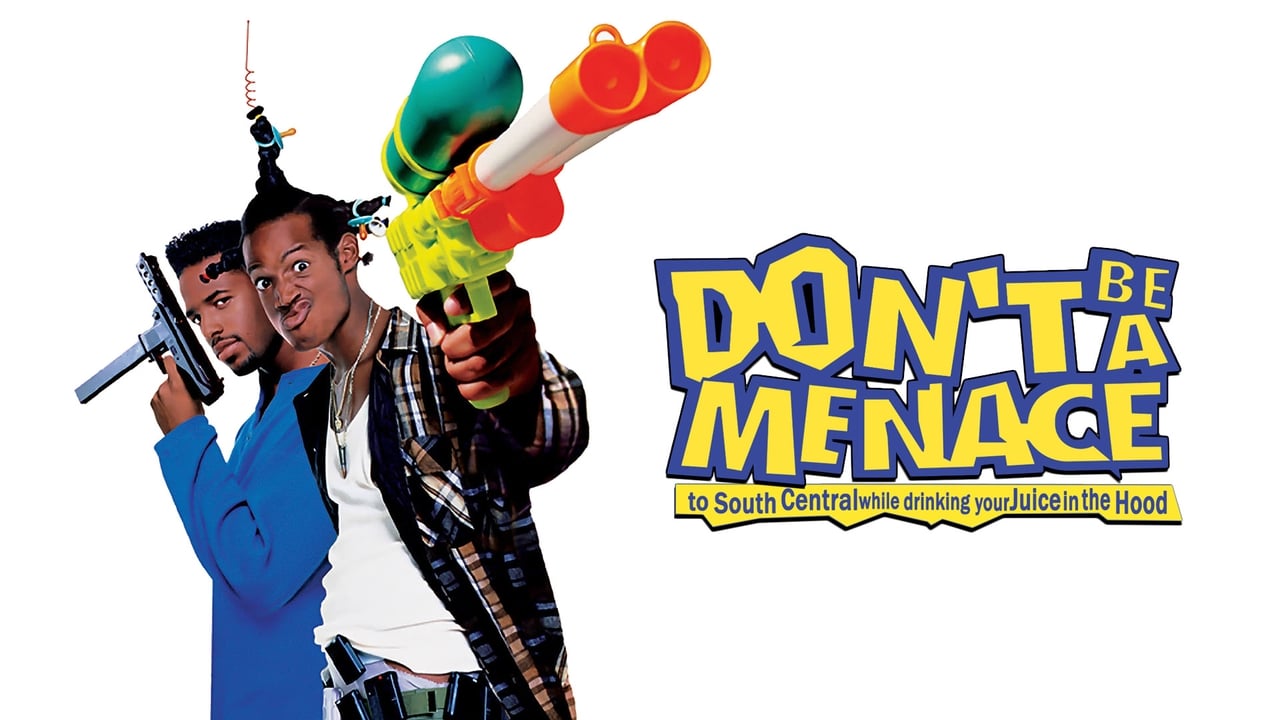
Alright, fellow tapeheads, slide that worn-out copy of Don't Be a Menace to South Central While Drinking Your Juice in the Hood into the VCR slot – you know, the one with the slightly chewed label you probably rented a dozen times from Blockbuster back in '96. The tracking might be a bit fuzzy, the sound might hum, but the sheer, unapologetic silliness? That comes through crystal clear. This wasn't just another movie on the shelf; it felt like a whispered dare, a comedic counter-punch to a genre that was taking itself very seriously at the time. And honestly? We kind of needed it.
### Straight Outta Spoofville
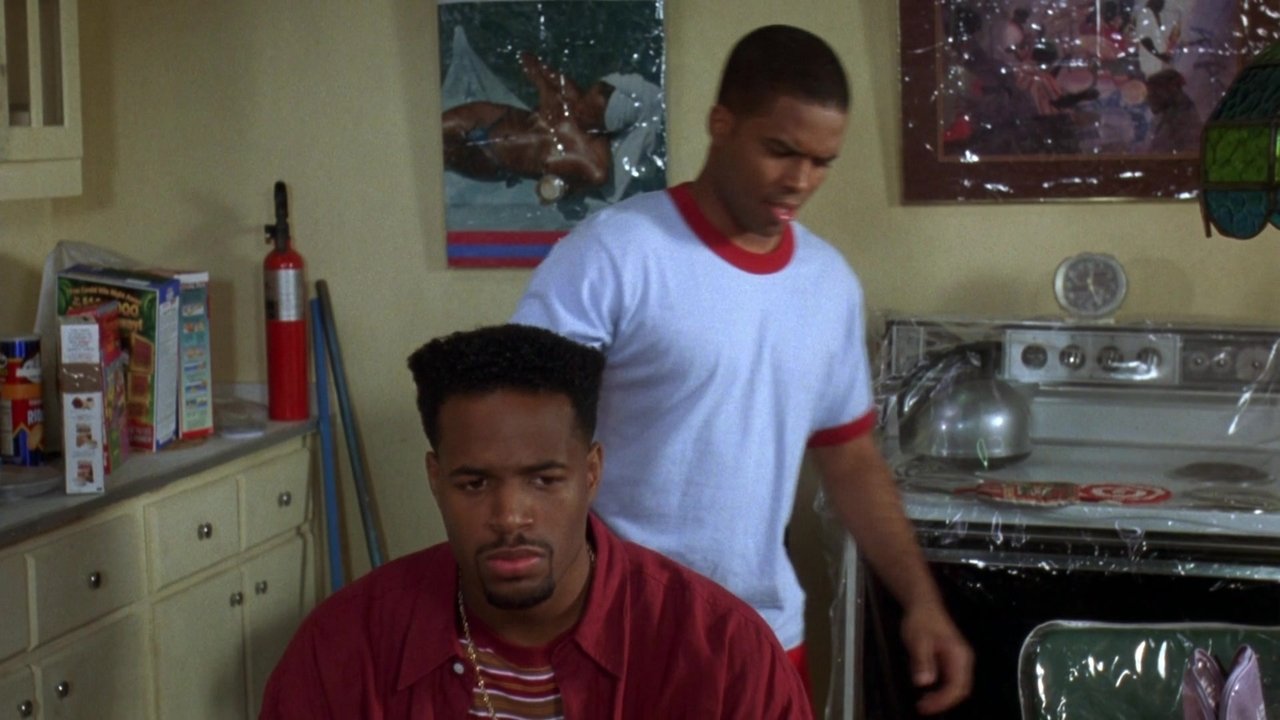
Let's be real, the early 90s gave us a wave of powerful, important, and often heavy "hood dramas" – films like Boyz n the Hood (1991), Menace II Society (1993), South Central (1992), and Juice (1992). They painted vivid, often grim pictures of life in urban America. Then along came the Wayans Brothers, specifically Shawn and Marlon Wayans (along with co-writer Phil Beauman), fresh off their In Living Color success, deciding it was time to deflate the tension with a barrage of gags. Don't Be a Menace doesn't gently satirize; it throws comedic pies directly at the faces of its inspirations. The plot, such as it is, follows Ashtray (Shawn Wayans) moving back to the 'hood' to live with his father (who happens to be younger than him – first gag landed). This flimsy structure is merely a vehicle to careen from one parody setup to the next, lampooning iconic scenes and character archetypes with relentless, often juvenile, glee.
### The Wayans Brand Takes Aim

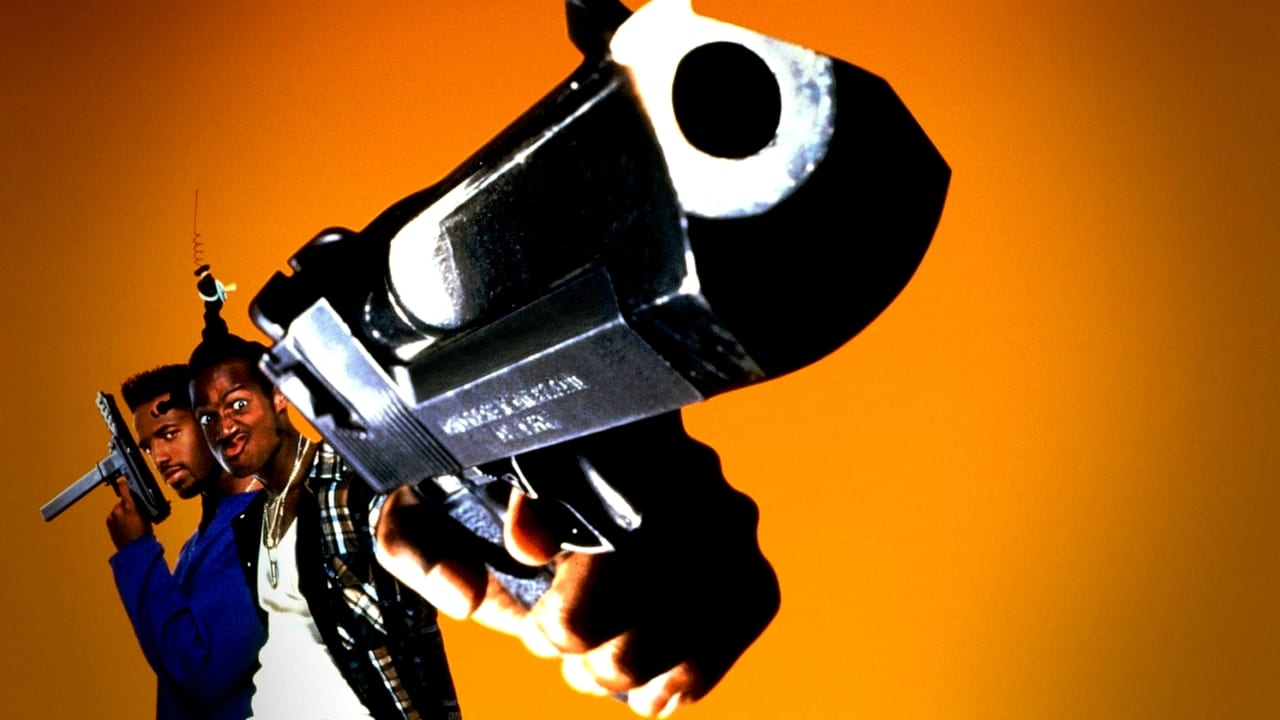
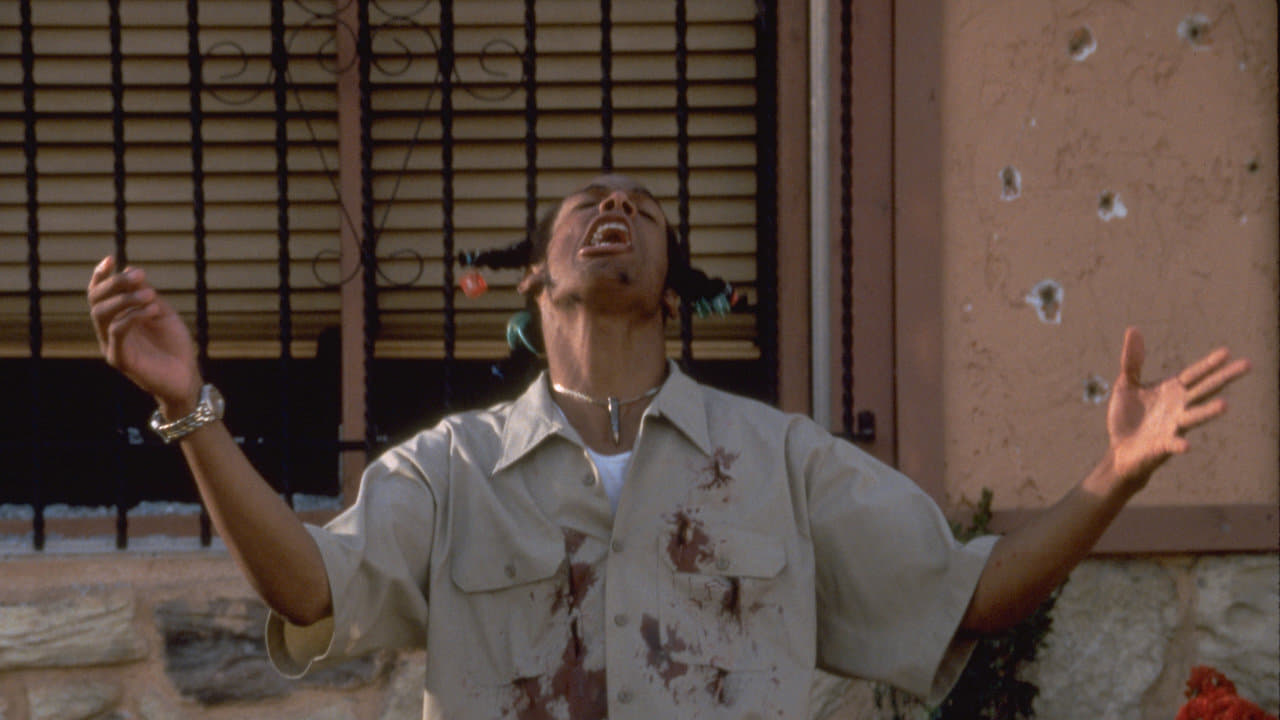
This film cemented the Wayans family's particular style of parody, which they'd later hone in the Scary Movie franchise. It's less Zucker-Abrahams-Zucker precision and more a chaotic, everything-including-the-kitchen-sink approach. Shawn Wayans plays Ashtray as the (relatively) straight man, our audience surrogate navigating the absurdity, while Marlon Wayans explodes onto the screen as Loc Dog. Loc Dog, with his ever-changing, gravity-defying hairstyles, his forty-ounce strapped into a baby carrier, and his complete lack of filter, is the film's anarchic heart. It’s pure Marlon, unrestrained and dialing the ridiculousness up to eleven. It's fascinating to know that the film was directed by Paris Barclay, a filmmaker who, even then, was building a reputation for sophisticated television drama like NYPD Blue. Perhaps it took someone with a grounding in serious storytelling to effectively marshal this level of deliberate cinematic chaos.
### Gag Rate Overdrive
The jokes come thick and fast, hitting targets with blunt force. Remember Loc Dog’s job application? Grandma (the late, great Helen Martin) getting down with her shotgun? The omnipresent Mailman (played with perfect deadpan timing by Keenen Ivory Wayans) delivering exposition dumps and warnings like a Greek chorus dipped in street slang? Or how about Ashtray's love interest, Dashiki (Tracey Cherelle Jones), who already has seven kids despite being seemingly young? The film directly lifts scenes and dialogue from its source material and twists them into absurdity. Some jokes land perfectly, sharp and insightful in their silliness. Others… well, let’s just say 90s sensibilities were different, and some of the humor hasn't aged quite as gracefully. It’s a product of its time, warts and all, capturing a specific moment in comedy where almost nothing was off-limits. A fun fact: the film was made on a tight budget, reportedly around $3.8 million, but managed to pull in over $20 million at the box office (that's roughly $37 million today), proving there was a definite audience hungry for this kind of send-up.
### More Than Just Laughs?
Is there deep social commentary layered beneath the fart jokes and sight gags? Probably not. Don't Be a Menace isn't aiming for subtlety. Its primary goal is to make you laugh by highlighting the tropes and occasional self-importance of the films it parodies. It’s a reminder that even powerful genres can become formulaic, ripe for comedic dissection. The supporting cast is packed with memorable faces, including a fantastic turn by Vivica A. Fox as Ashtray's mom and an unforgettable, scene-stealing appearance by the legendary Bernie Mac as Officer Self Hatred. Even in a small role, Mac’s energy was undeniable, a precursor to the stardom that awaited him.
The film's reception was predictable: critics were mostly dismissive, finding it crude and derivative (parody often gets that rap), but audiences, particularly the video rental crowd, embraced it. It became a cult favorite, endlessly quotable ("Message!") and a staple of late-night TV and worn-out VHS collections. It tapped into a shared understanding of the movies it mocked, creating an 'in-joke' feeling for anyone who'd seen the originals. I distinctly remember renting this with friends, the cover alone promising something outrageous, and spending the next week quoting Loc Dog lines.
***
VHS Heaven Rating: 7/10
Justification: Don't Be a Menace isn't high art, and some of its humor feels dated or misses the mark today. However, as a specific cultural artifact – a brash, unapologetic parody from the heart of the 90s – it’s remarkably effective and often hilarious. The Wayans brothers are fully committed, the gag rate is relentless, and it perfectly captured the feeling of needing a laugh amidst the seriousness of the era's 'hood' dramas. It earns points for sheer audacity, memorable characters (Loc Dog!), and its status as a beloved VHS-era comedy staple. It knew exactly what it was and delivered it with gusto.
Final Thought: In the age of slick, sometimes toothless parody, there's something refreshingly raw about Don't Be a Menace. It's like that bootleg concert tape – rough around the edges, maybe a bit distorted, but capturing an energy that’s impossible to replicate. Pop it in and remember when comedy wasn’t afraid to throw a comedic brick.