Okay, let's rewind the tape slightly past our usual 80s/90s stomping grounds, but trust me, this one feels right at home in the slightly chaotic, turn-of-the-millennium section of the video store shelf. We're talking about a film that, for a whole generation in Poland, isn't just a movie – it's a cultural touchstone, a source of endlessly repeatable quotes, and a gloriously shambolic snapshot of a specific time and place. Forget the similarly titled American drama for a moment; today, VHS Heaven is diving into the wonderfully absurd world of Olaf Lubaszenko's 2000 Polish gangster comedy, Chłopaki nie płaczą (literally, Boys Don't Cry).

### A Symphony of Errors and Weed Smoke
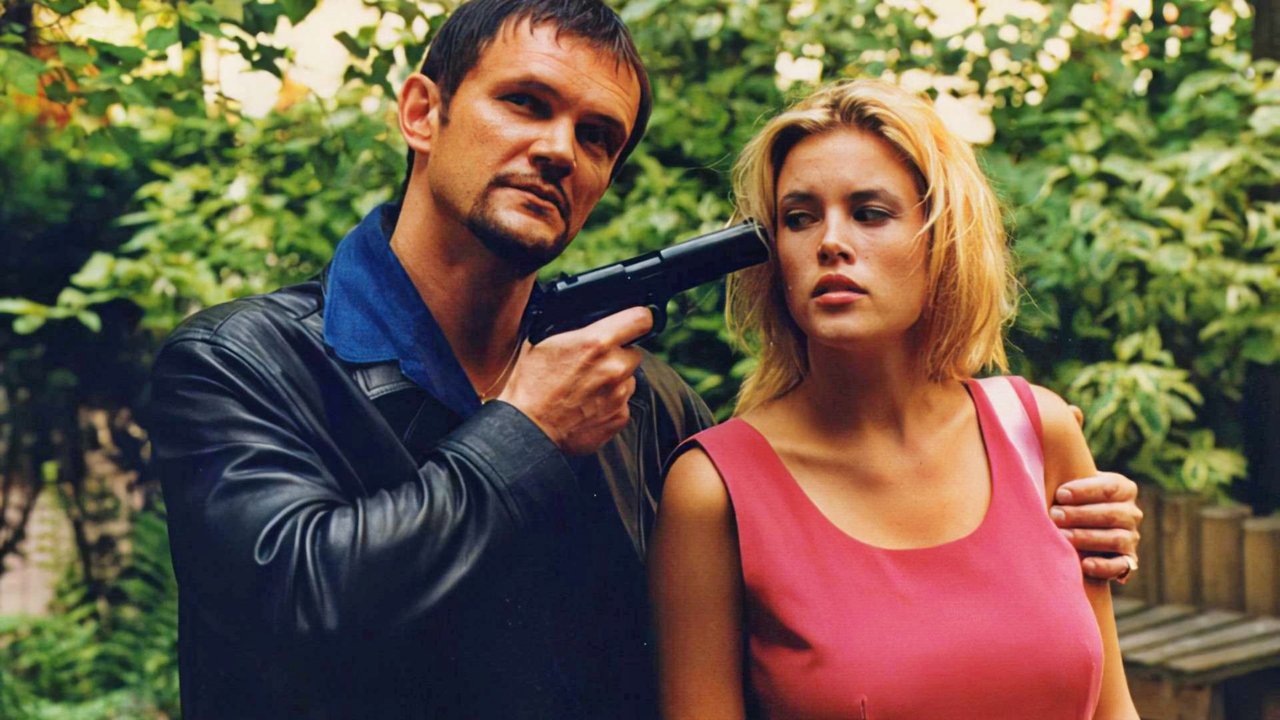
What happens when a sensitive young violinist, desperate to impress a girl (and perhaps lose his virginity), gets entangled with bumbling gangsters, mistaken identities, copious amounts of drugs, and a healthy dose of sheer panic? That's the chaotic spiral Kuba Brenner (Maciej Stuhr) finds himself in. Stuhr, who would become one of Poland's most recognizable actors, perfectly embodies the awkward, well-meaning student completely out of his depth. His descent into the criminal underworld isn't driven by ambition or malice, but by a series of unfortunate events and spectacularly bad decisions, often aided (or hindered) by his equally clueless friend Oskar (Wojciech Klata). The plot, penned by Mikołaj Korzyński, zips along with the frantic energy of a pinball machine, bouncing Kuba between intimidating figures like the seasoned gangster Fred (Cezary Pazura, delivering a typically charismatic performance) and the truly unforgettable Bolec (Michał Milowicz).
### Meet Bolec: Son of the Toilet King
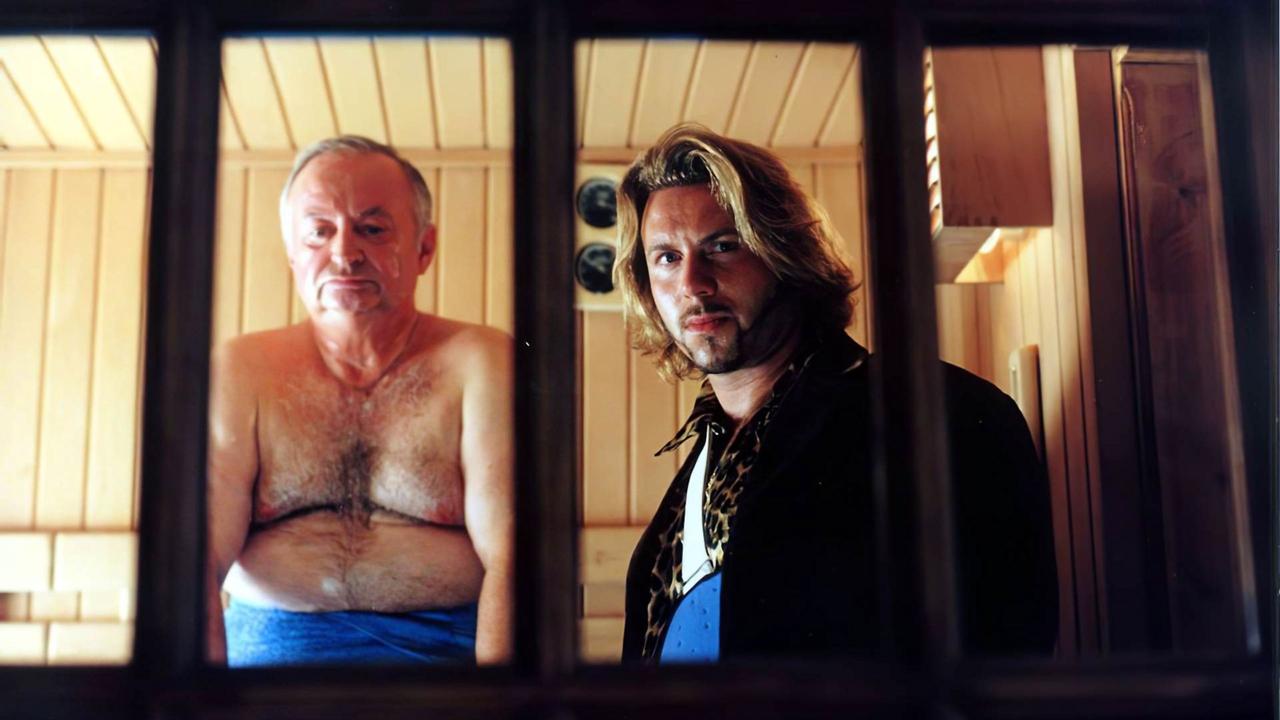
If there's one element that cements Chłopaki nie płaczą's cult status, it's the gallery of supporting characters, particularly the gangsters. They aren't the slick, menacing figures of Hollywood lore. These are guys wrestling with their own insecurities, bizarre philosophies, and often, sheer incompetence. Michał Milowicz as Bolec is a revelation. Clad in questionable tracksuits, obsessed with his gangster image yet deeply sensitive about his father's plumbing fixture empire (leading to the immortal line, "Jestem synem króla sedesów!" – "I'm the son of the toilet king!"), Bolec is a comedic goldmine. His attempts at philosophical depth, often delivered while high, are responsible for some of the film's most quoted moments ("Koksu pięć gram!" - "Five grams of coke!"). Milowicz doesn't just play a character; he creates an icon of Polish comedy, a perfect blend of absurdity and pathos.
### Capturing the Zeitgeist
Released in 2000, Chłopaki nie płaczą arrived at a fascinating moment in Poland's history. The wild transition years of the 90s were settling, but a certain chaotic energy, a mix of newfound opportunities and lingering anxieties, still permeated the culture. The film taps directly into this, satirizing the aspirations of the 'nouveau riche', the often-crude realities of the burgeoning criminal underworld, and the bewildered younger generation trying to navigate it all. Director Olaf Lubaszenko, already known for comedies like Sztos (1997), keeps things moving briskly. The direction isn't flashy; it serves the script and the performances, letting the situational humor and rapid-fire dialogue (much of which became instant slang) take center stage. It has that slightly unpolished, lived-in feel common to many Polish productions of the era, which only adds to its charm now.
### From Modest Budget to National Phenomenon
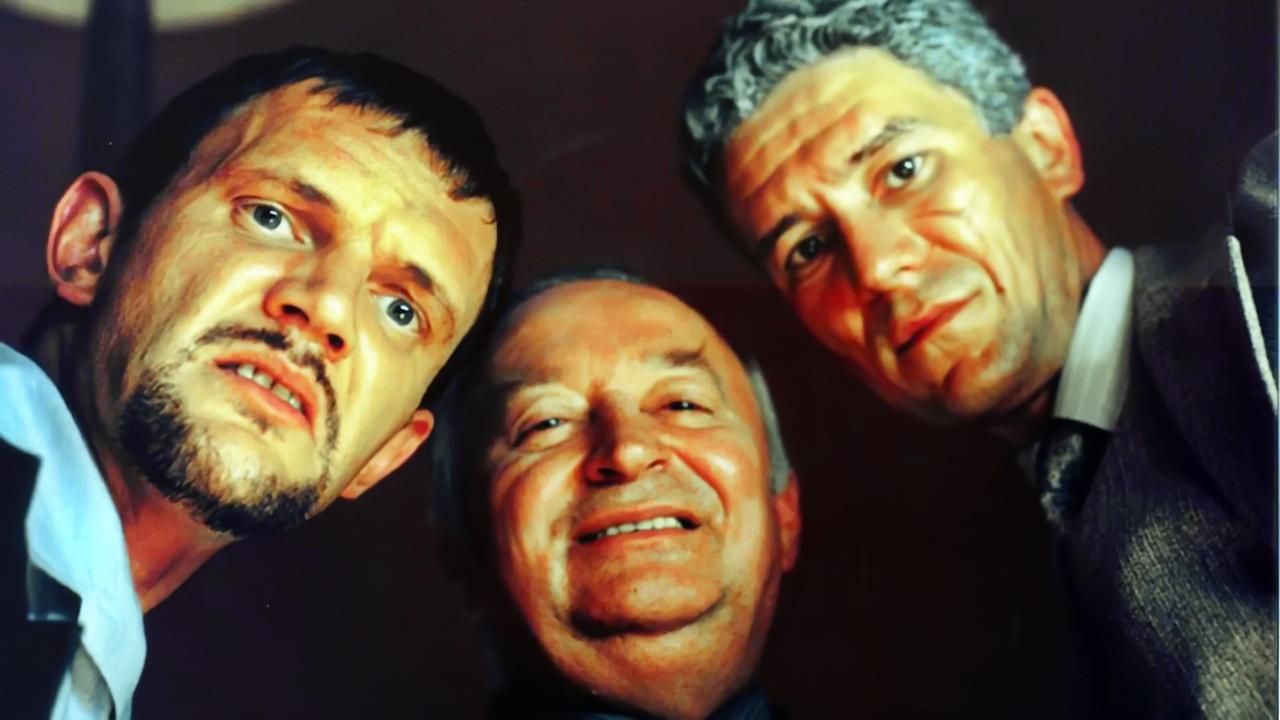
It's hard to overstate just how huge this film was in Poland. Made on a relatively modest budget, it pulled in over half a million viewers at the box office – a massive success for a domestic film at the time. I remember hearing lines from it constantly; it felt like everyone under 30 had seen it and could quote half the script verbatim. It wasn't just a movie; it was a shared experience, a comedic language. While largely unknown outside of Poland (don't mistake it for the Hilary Swank film!), its impact there is comparable to how films like Clerks (1994) or maybe even The Big Lebowski (1998) captured a specific subculture and generated endless quotability in the US. It perfectly skewered certain Polish archetypes and anxieties in a way that resonated deeply. The soundtrack, too, featuring Polish pop and rock acts of the time, firmly anchors it in its specific cultural moment.
### Why It Still Resonates (In Poland, At Least)
Watching it now, does it feel dated? Absolutely. The fashion, the technology (or lack thereof), the specific cultural references – it's a time capsule. But the core appeal remains: the sharp, often absurd dialogue, the memorable characters, and the sheer, unpretentious energy. It's a comedy that doesn't try to be overly clever or profound; it just wants to make you laugh at the ridiculousness of its escalating situations. For anyone with Polish roots or an interest in international cult comedies, it’s a fascinating watch. It captures a particular brand of post-communist Polish humor – cynical, slang-heavy, and finding laughter in chaos – that might feel alienating to some, but deeply familiar and hilarious to others. It’s the kind of film you might have discovered on a copied VHS tape passed amongst friends, its reputation built purely on word-of-mouth.
---
Rating: 7.5/10
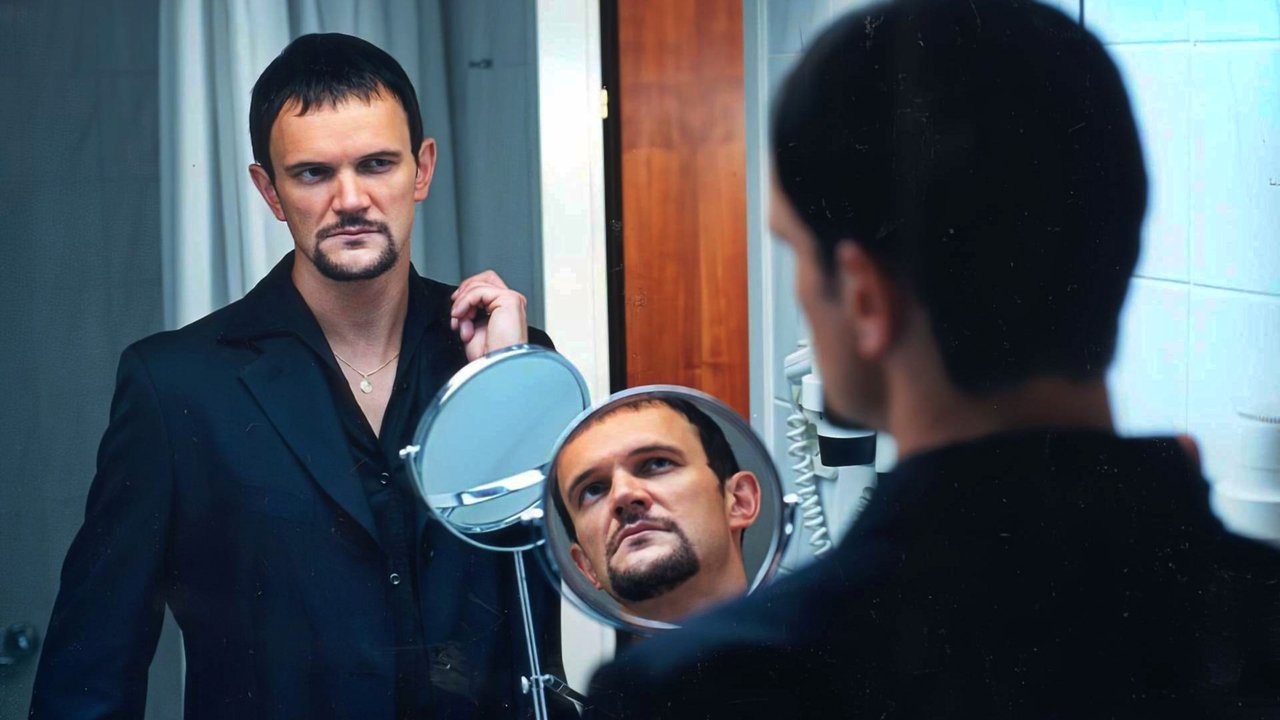
Justification: While its production values and some comedic sensibilities feel distinctly of their time (and very specifically Polish), Chłopaki nie płaczą is a masterclass in cult comedy world-building for its target audience. The performances, particularly from Milowicz and Stuhr, are iconic within Polish cinema, and the script delivers countless lines that have genuinely entered the lexicon. Its sheer cultural impact in Poland elevates it beyond just another gangster parody. It loses points for its sometimes uneven pacing and humor that might not fully translate universally, but its energy and quotability make it a standout example of turn-of-the-millennium Polish cult cinema.
Final Thought: Even if you don't speak Polish (subtitles are essential!), there's a universal humor in watching hapless characters navigate escalating chaos. Chłopaki nie płaczą is a potent reminder that sometimes, the most enduring comedies are the ones deeply rooted in a specific time and place, capturing lightning in a bottle... or maybe just five grams of coke.