The crackle of the VCR powering on, the whir of the tape feeding through… sometimes the anticipation was almost as good as the movie itself. And when you slid a tape like U.S. Marshals into the machine back in ‘98, you knew you were in for a ride. It wasn’t just another action flick; it was the return of Deputy Marshal Samuel Gerard, the relentless hunter who’d already earned Tommy Lee Jones an Oscar for chasing Harrison Ford across Illinois in The Fugitive (1993). Could lightning strike twice? The magnetic hum of the CRT seemed to hold the answer.

### Another Man on the Run
The setup is pure, distilled 90s thriller: Mark Sheridan (Wesley Snipes), a seemingly ordinary tow truck driver arrested on gun charges, finds himself aboard a prison transport plane alongside Gerard. Naturally, disaster strikes – a brutal decompression, a desperate crash landing – and Sheridan vanishes into the chaos. Gerard, gruff and indomitable as ever, gathers his familiar team, including the ever-reliable Cosmo Renfro (Joe Pantoliano), ready to run down another fugitive. But this time, there's a wrinkle: a slick Diplomatic Security Service agent, John Royce (Robert Downey Jr.), assigned to "assist" Gerard, adding a layer of unwelcome oversight and simmering distrust.
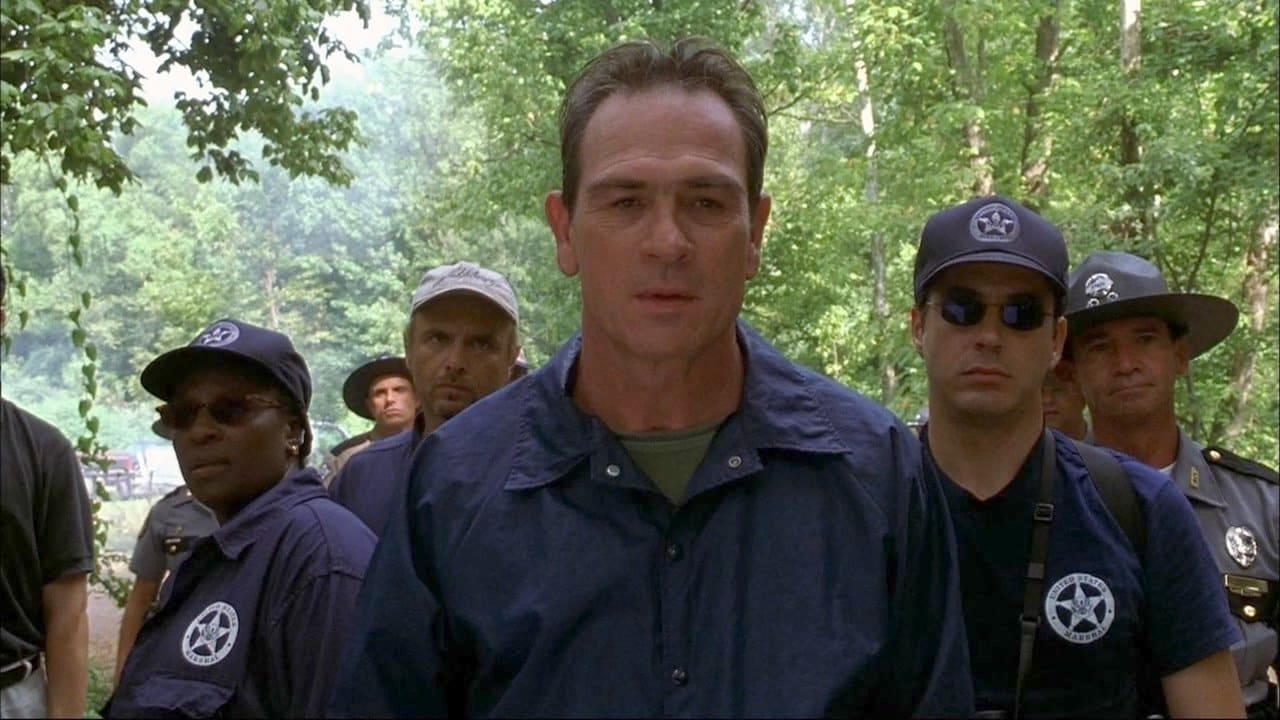
From the rain-slicked streets of Chicago to the murky swamps of Southern Illinois and finally the concrete canyons of New York City, the chase is on. Director Stuart Baird, who came to the chair after honing his razor-sharp skills editing action behemoths like Lethal Weapon (1987) and Die Hard 2 (1990), certainly knows how to stage a spectacle. His editing background feels palpable; the pacing is often breathless, cutting between the pursued and the pursuers with kinetic energy.
### The Weight of Expectation
Let’s be honest, following The Fugitive was always going to be a monumental task. Andrew Davis’s 1993 classic wasn’t just a hit; it was a critically acclaimed, perfectly calibrated machine of suspense and character. U.S. Marshals aims for the same blend of high-stakes action and procedural detail, and while it delivers on the former, it perhaps fumbles slightly on the latter. The plot, involving international espionage and shadowy government dealings, feels a tad more convoluted and less emotionally resonant than Dr. Kimble’s desperate quest for exoneration.
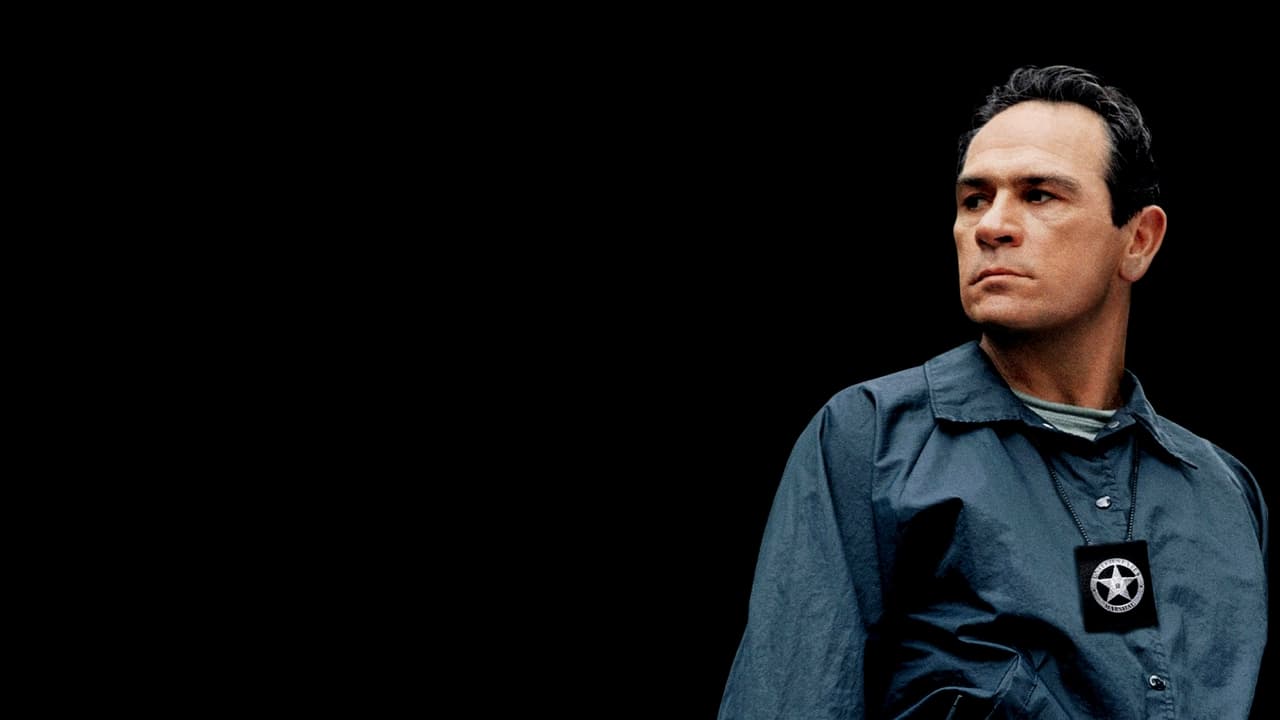
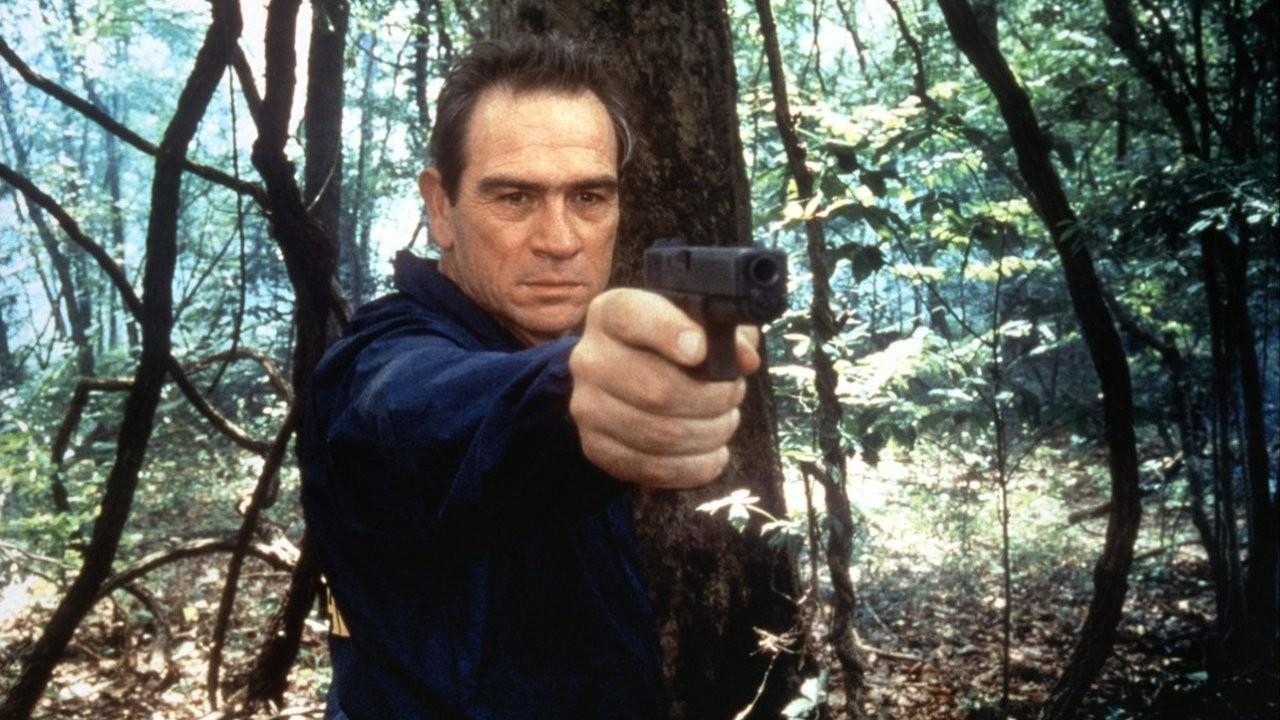
Yet, Tommy Lee Jones slips back into Gerard’s weary boots as if he never left. Every barked order, every squint of world-weary frustration, feels utterly authentic. He is Sam Gerard, embodying that "I don't care" attitude with unparalleled conviction. It’s fascinating to think that the studio initially hesitated about a spin-off focusing solely on Gerard, but Jones’ Oscar win clearly sealed the deal. His presence elevates the entire enterprise. Wesley Snipes, then at the peak of his action-star prowess (Blade would hit theaters the same year), brings an intense physicality and simmering intelligence to Sheridan. He's a believable match for Gerard, making their cat-and-mouse game compelling, even if the script doesn't give him quite the same underdog sympathy as Ford’s Kimble.
### That Plane Crash
You can’t talk about U.S. Marshals without talking about the plane crash. It’s a staggering piece of practical filmmaking, reportedly costing around $10 million of the film's $60 million budget. They purchased a real Boeing 727 fuselage, mounted it on a massive gimbal rig inside a hangar, and subjected it to utter chaos – tearing holes in the side, simulating rapid descent, and sending actors and stunt performers tumbling through the wreckage. While CGI would handle such sequences today, there's a tangible weight and terrifying reality to the practical effects here that still impresses. It’s a brutal, visceral opening that immediately hooks you, even if the rest of the film struggles to maintain that same level of sheer impact. It's a testament to the kind of large-scale, in-camera mayhem that defined big-budget 90s action.
Another interesting piece of trivia: the swamp sequence wasn't filmed in Louisiana as you might expect, but rather in Southern Illinois, near the actual location of the real-life crash that inspired the sequence in The Fugitive. They even had to contend with unseasonably cold weather during the shoot, making those waterlogged scenes genuinely uncomfortable for the actors.
### The RDJ Factor and Lingering Shadows
Watching Robert Downey Jr. here is intriguing through the lens of hindsight. Years before his Iron Man resurrection, he brings a fascinating, slippery energy to Agent Royce. Is he helpful? Is he hindering? Downey plays the ambiguity perfectly, creating a secondary layer of tension alongside the main manhunt. His verbal sparring with the perpetually unimpressed Gerard provides some of the film's sharper moments.
Despite its strengths – Jones’ iconic performance, Snipes' formidable presence, some genuinely thrilling set pieces, and that incredible crash – U.S. Marshals never quite escaped the shadow of its predecessor. The score by Mark Mancina (Speed, Twister) is effective and driving, but lacks the instantly memorable, haunting quality of James Newton Howard's Oscar-nominated work on The Fugitive. The critical reception at the time reflected this, generally acknowledging it as a well-made, entertaining thriller but noting its derivative nature. It pulled in a respectable $102 million worldwide, profitable but nowhere near the global phenomenon The Fugitive had been ($368 million).
### VHS Verdict
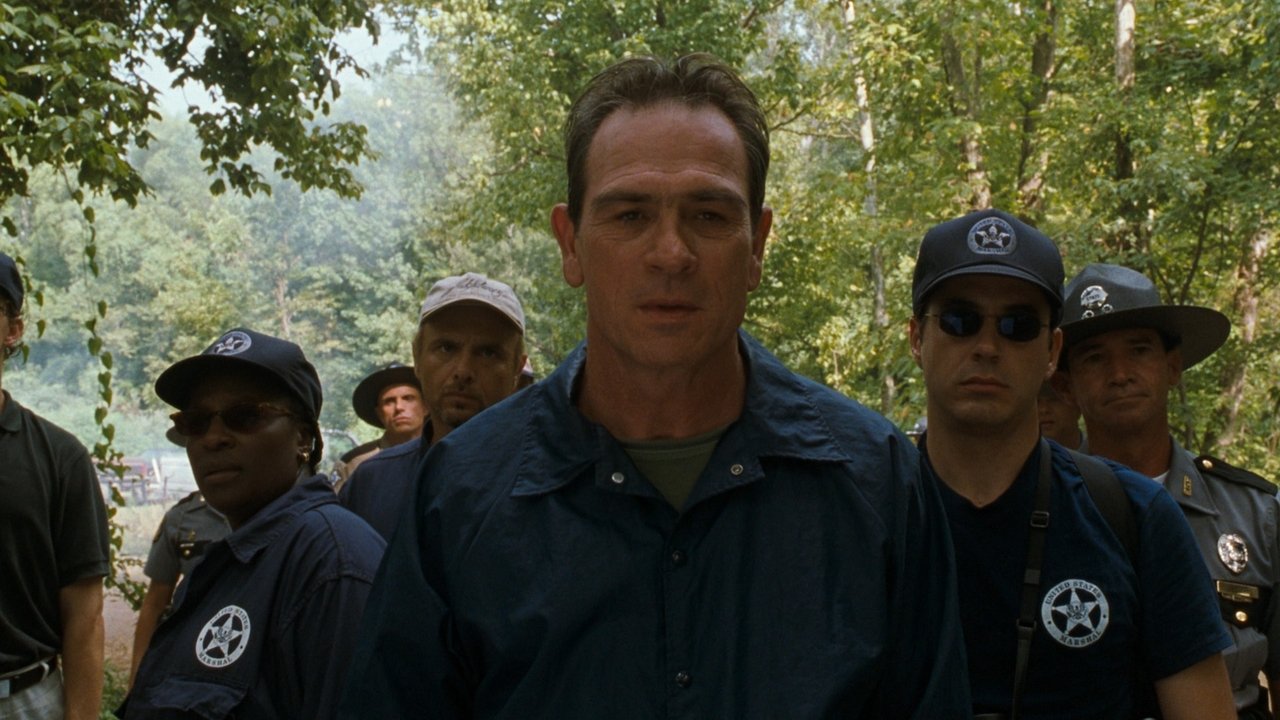
Rewatching U.S. Marshals feels like reconnecting with a reliable old friend from the video store shelves. It might not be the groundbreaking classic its predecessor was, but it's a damn entertaining slice of 90s action-thriller filmmaking. It delivers exactly what it promises: Tommy Lee Jones being effortlessly cool and commanding, explosive action sequences crafted with tangible grit, and a twisty (if slightly familiar) plot to keep you guessing. It's the kind of movie that was perfect for a Friday night rental – engaging, exciting, and anchored by powerhouse stars doing what they do best.
Rating: 7/10
Justification: The film earns points for Tommy Lee Jones's magnetic return as Gerard, Wesley Snipes' strong performance, several high-octane and practically-realized action sequences (especially the plane crash), and Robert Downey Jr.'s compelling supporting role. It loses points for a plot that feels less original and emotionally engaging than The Fugitive, a slightly less memorable score, and ultimately existing as a well-executed but somewhat unnecessary follow-up that doesn't quite recapture the magic.
Final Thought: While it may live in the shadow of a giant, U.S. Marshals remains a solidly entertaining manhunt thriller and a welcome chance to spend another two hours watching Sam Gerard refuse to bargain. Sometimes, that's exactly what a night with the VCR ordered.