Okay, settle in, maybe crack open a Tab or a Crystal Pepsi if you’ve still got one squirrelled away somehow. Let’s talk about a film that landed on video store shelves in the mid-90s with a certain amount of… well, expectation is maybe too gentle a word. There was genuine buzz, a collision of counter-culture literary royalty and indie film darling energy. I’m talking about Gus Van Sant’s ambitious, sprawling, and ultimately bewildering adaptation of Tom Robbins’ beloved novel, Even Cowgirls Get the Blues (1993). Pull up a beanbag chair; this one’s a curious trip.
### The Unfilmable Book Meets the Indie Auteur
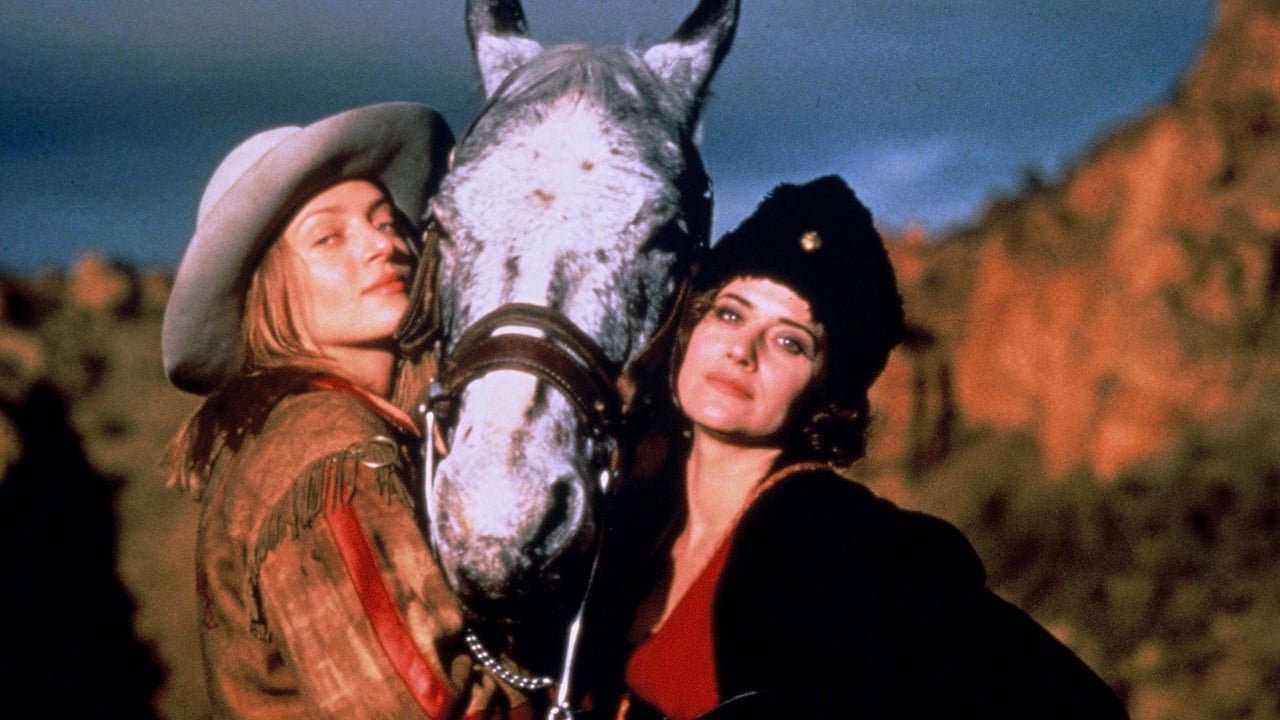
Remember the anticipation? Gus Van Sant was riding high after the critical successes of Drugstore Cowboy (1989) and the hauntingly poetic My Own Private Idaho (1991). He felt like the perfect director, maybe the only director, who could possibly capture the playful philosophy, the psychedelic feminism, and the sheer weirdness of Tom Robbins' 1976 literary touchstone. The book itself was a rite of passage for a certain kind of reader – dense, funny, profound, and utterly unique. Bringing Sissy Hankshaw and her extraordinarily large thumbs to the screen felt like a monumental task, but if anyone could do it, surely it was Van Sant.
Landing this one on VHS felt like getting your hands on something potentially explosive, something that might just redefine quirky cinema. My own well-worn paperback copy of the novel sat expectantly on the shelf next to the VCR. The reality, as many of us discovered after hitting play, was… complicated.
### Sissy and the Search for Something
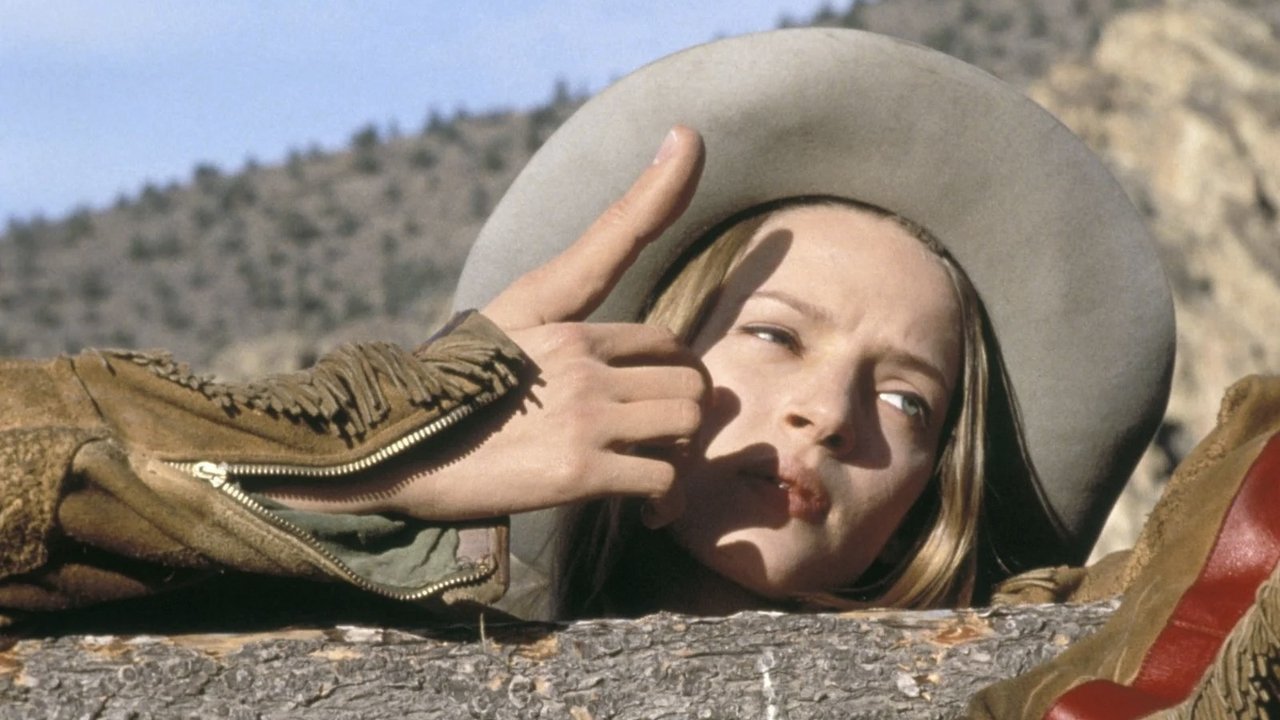
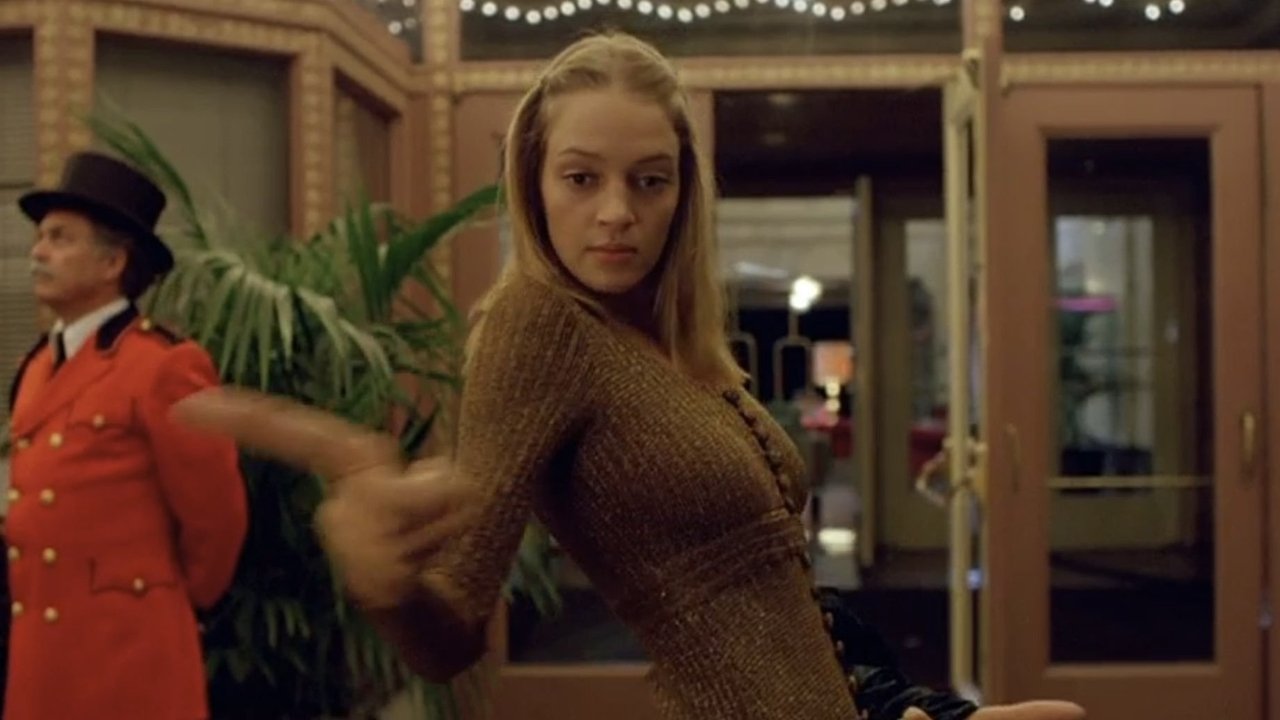
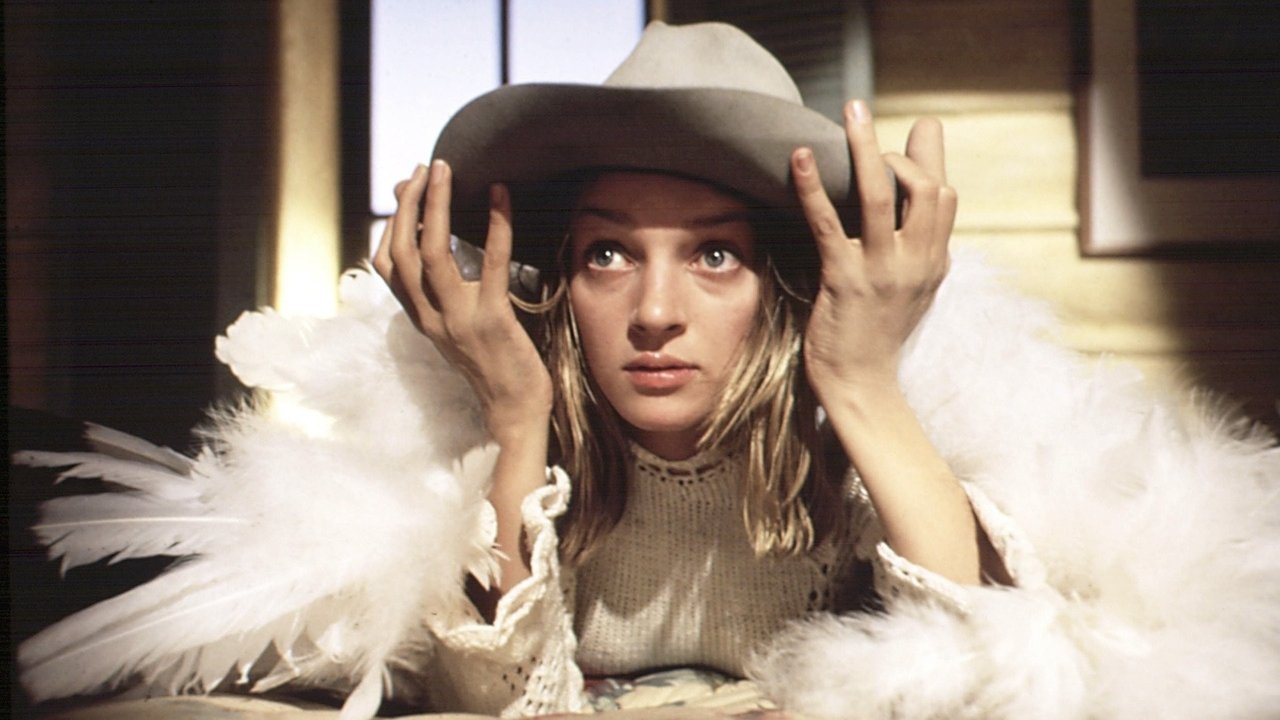
At the heart of the story is Sissy Hankshaw, portrayed by a luminous, pre-Pulp Fiction Uma Thurman. Born with enormous thumbs, Sissy embraces her unique appendages to become the world's greatest hitchhiker, a symbol of freedom drifting across America. Thurman certainly looks the part – ethereal, statuesque, and gamely sporting the cumbersome thumb prosthetics. There's a gentle earnestness to her performance; she captures Sissy's wide-eyed curiosity and her innate desire for connection. Yet, something feels adrift. Is it the screenplay, also penned by Van Sant, struggling to translate Robbins' internal monologues and philosophical tangents into compelling cinema? Or is it that Sissy, as written for the screen, sometimes feels more like a passive observer than the vibrant force of nature from the novel?
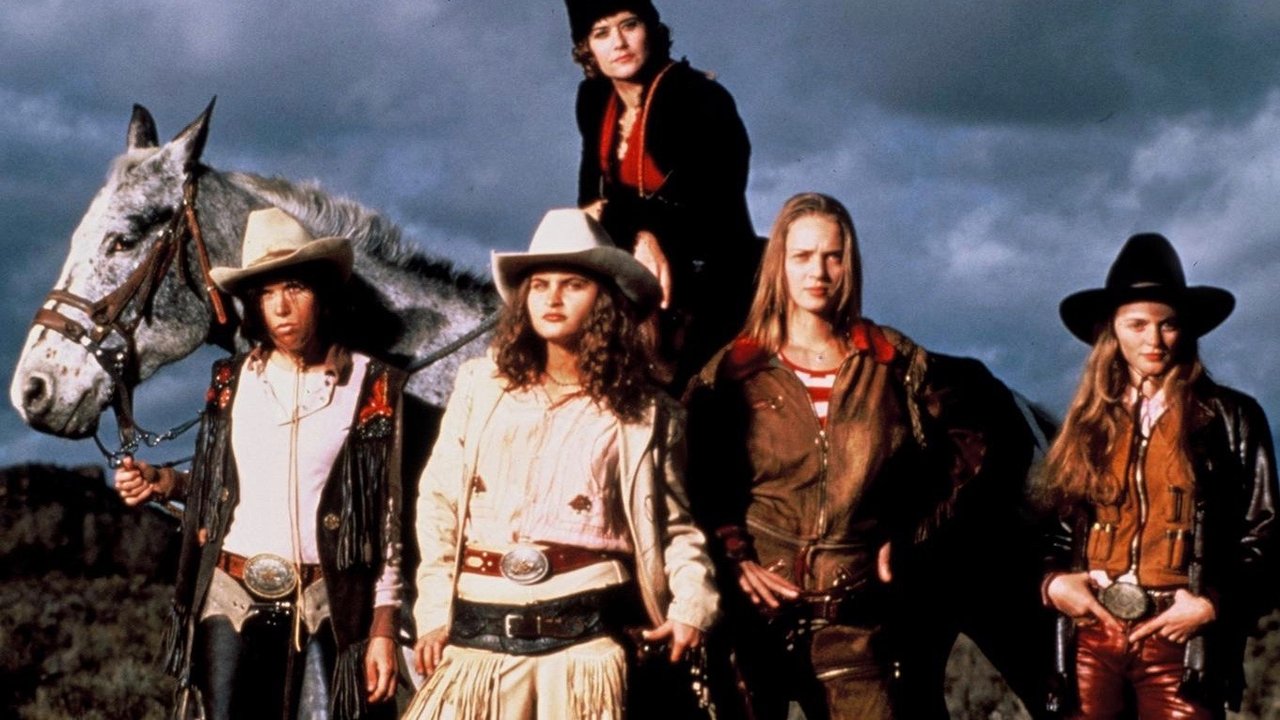
Her journey leads her to the Rubber Rose Ranch, a feminist spa retreat run by the flamboyant, cross-dressing "Countess" (John Hurt, chewing scenery with glorious abandon). The ranch has been taken over by radical cowgirls led by the fiery Bonanza Jellybean, played with swagger by Lorraine Bracco (fresh off Goodfellas). Here, Sissy finds a chaotic utopia, sexual awakening, and a connection with nature, particularly the migrating whooping cranes.
### A Troubled Trail to the Screen
The film notoriously struggled to find its footing, a fact that became part of its slightly tragic lore even back in the video store days. Whispers of disastrous festival screenings at Venice and Toronto in 1993 led to the studio shelving the film for nearly a year. Van Sant went back to the editing room, trimming significantly and, perhaps most notably, adding narration recorded by Tom Robbins himself. This feels less like an artistic choice and more like a rescue attempt, a way to inject some of the novel's missing voice and explain the often meandering plot. Hearing Robbins' distinctive cadence layered over the images is a fascinating artifact in itself, but it rarely bridges the gap between the source material's anarchic spirit and the film's strangely languid pace.
Retro Fun Fact: The budget was around $8.5 million, not huge but substantial for an indie-minded project then. Its eventual box office take was a mere $1.7 million, making it a significant financial disappointment and a notable stumble for Van Sant at the time. It's a stark reminder that sometimes, even with immense talent involved, translating literary magic to the screen remains an elusive alchemy. Another poignant piece of trivia involves River Phoenix, star of Van Sant’s My Own Private Idaho. He was reportedly considered for the role of Julian Gitche (played adequately, if somewhat blankly, by Keanu Reeves), but tragically passed away in October 1993, during the period the film was being reworked for its delayed release. His sister, Rain Phoenix, gives a memorable performance as cowgirl Bonanza Jellybean.
### Quirky Cast and Van Sant's Touch
Despite the narrative wobbles, the film is packed with an incredible, eclectic cast. Pat Morita brings his trademark warmth to the role of "The Chink," a desert mystic. Angie Dickinson vamps it up as the stern spa director. Look closely and you’ll spot cameos from figures like counter-culture icon William S. Burroughs and various musicians. The soundtrack by k.d. lang is another highlight, providing a wistful, country-tinged atmosphere that often feels more emotionally resonant than the scenes themselves.
Visually, Van Sant’s eye is still evident. The Oregon landscapes are beautifully shot, capturing a sense of open-road freedom and natural wonder. There are moments of visual poetry – Sissy contemplating the horizon, the almost surreal image of the cowgirls against the vast landscape – that hint at the stronger film that might have been. But these moments struggle to cohere into a satisfying whole. The tone veers uncertainly between playful satire, earnest drama, and outright silliness, never quite settling into a consistent rhythm.
### A Noble Failure Worth Revisiting?
Watching Even Cowgirls Get the Blues today evokes a complex blend of nostalgia and critical reassessment. There's a fondness for the ambition, for the sheer audacity of trying to capture Robbins' unique world. It feels very much of its time – the early 90s indie scene grappling with bigger budgets and mainstream attention, the specific brand of quirky counter-culture earnestness. It’s a fascinating curio, a snapshot of talented people reaching for something extraordinary and not quite grasping it. Was the source material truly unfilmable? Perhaps. Or maybe the specific blend of ingredients just didn't synergize this time around.
It’s certainly not a film one recommends casually. It requires patience and perhaps a pre-existing affection for the artists involved or the source material. But for dedicated "VHS Heaven" dwellers, it represents something more: a reminder of a time when studios occasionally took wild swings, when auteur directors were given chances (even if they sometimes missed), and when finding a truly weird movie on the rental shelf felt like uncovering a strange, flawed gem.
Rating: 4/10
Justification: While visually appealing in spots and boasting a brave central performance from Uma Thurman and a fascinating cast, the film ultimately buckles under the weight of its source material. The troubled production history is evident on screen through tonal inconsistencies, pacing issues, and a narrative that feels both overstuffed and underdeveloped. The added narration, while a notable artifact, signals the storytelling problems rather than solving them. It’s a significant misfire from a major director, but its ambition and place as a 90s cinematic oddity give it a sliver of cult interest, preventing a lower score.
Final Thought: Even Cowgirls Get the Blues remains a potent reminder that some magic is perhaps best left on the page, a fascinatingly flawed time capsule from the intersection of literary counter-culture and early 90s indie filmmaking ambition. What lingers isn't necessarily the story, but the ghost of the vibrant, untamable film it desperately wanted to be.