Here we go, another trip down the rabbit hole – or perhaps, in this case, down a cramped, low-ceilinged portal behind a filing cabinet. Some films lodge themselves in your memory not just for their story or stars, but for the sheer, unadulterated weirdness of their premise. And let's be honest, does it get much weirder, or more wonderfully inventive, than 1999's Being John Malkovich? It’s one of those late-decade gems that felt like a jolt – a sign that cinema still had utterly bizarre tricks up its sleeve, even as we braced for a new millennium.
The Portal on Floor 7½
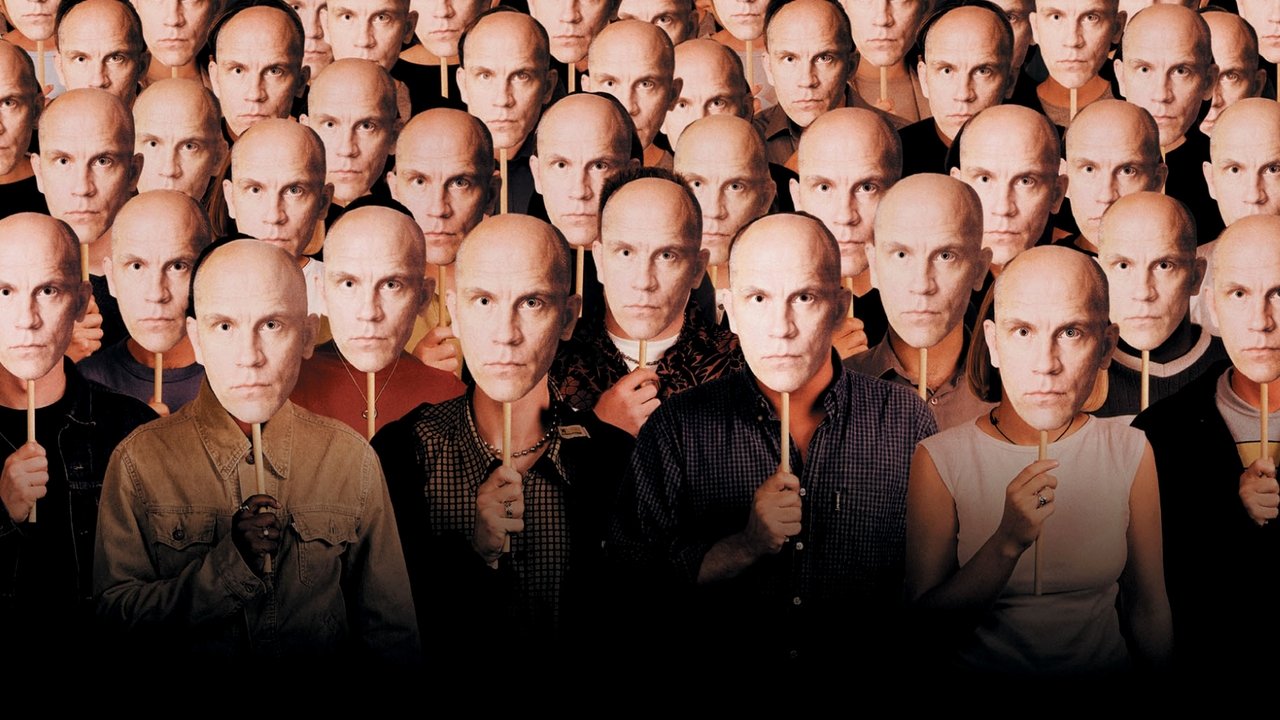
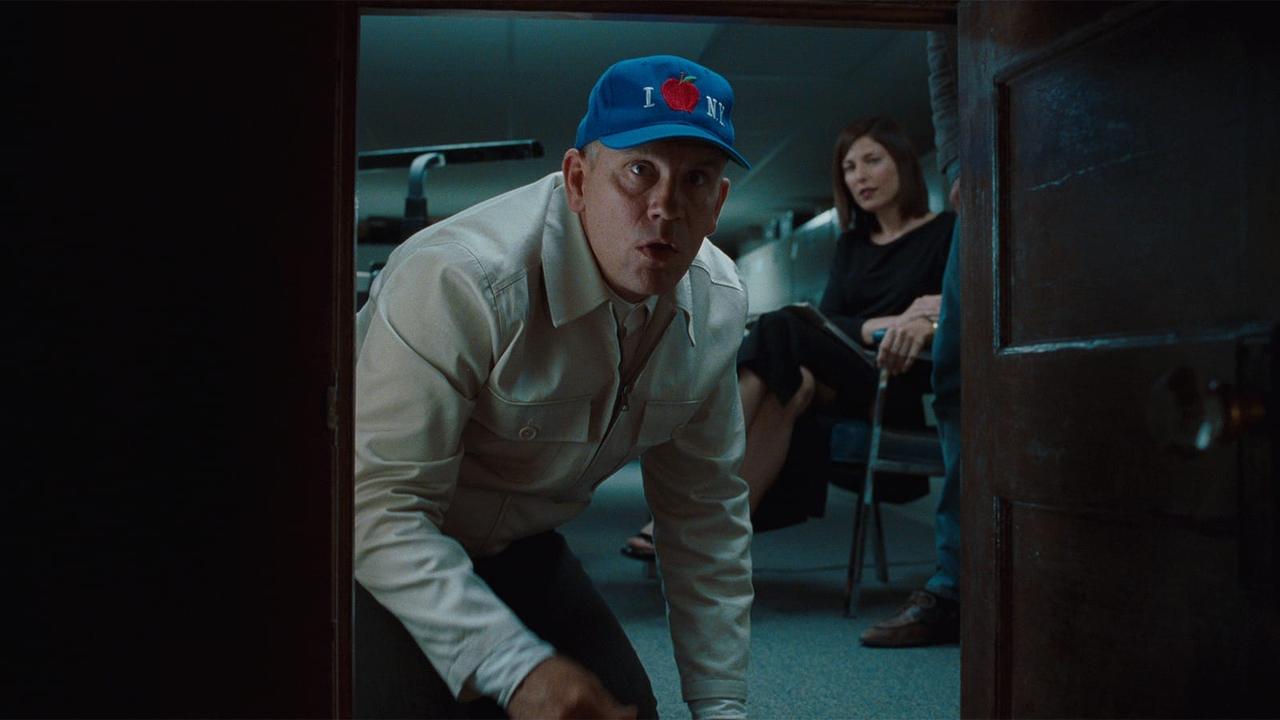
Remember encountering this one for the first time? Maybe you caught it in an indie cinema, or perhaps, like me, you picked up the slightly battered VHS box from the ‘New Releases’ shelf at Blockbuster, intrigued by the vaguely unsettling cover art and the title alone. The setup is deceptively simple, yet brilliantly absurd: Craig Schwartz (John Cusack, perfectly cast as the melancholic, frustrated puppeteer), takes a dead-end filing job at the bizarre LesterCorp, located on the 7½ floor of a Manhattan office building (where everyone has to stoop). He discovers a small, hidden door. Crawl through it, and you find yourself inside the head of acclaimed actor John Malkovich for fifteen minutes before being unceremoniously dumped onto the side of the New Jersey Turnpike. It’s a concept so audacious, so specific, it feels like it could only have sprung from the singular mind of Charlie Kaufman, making his feature screenwriting debut.
A Symphony of Strangeness
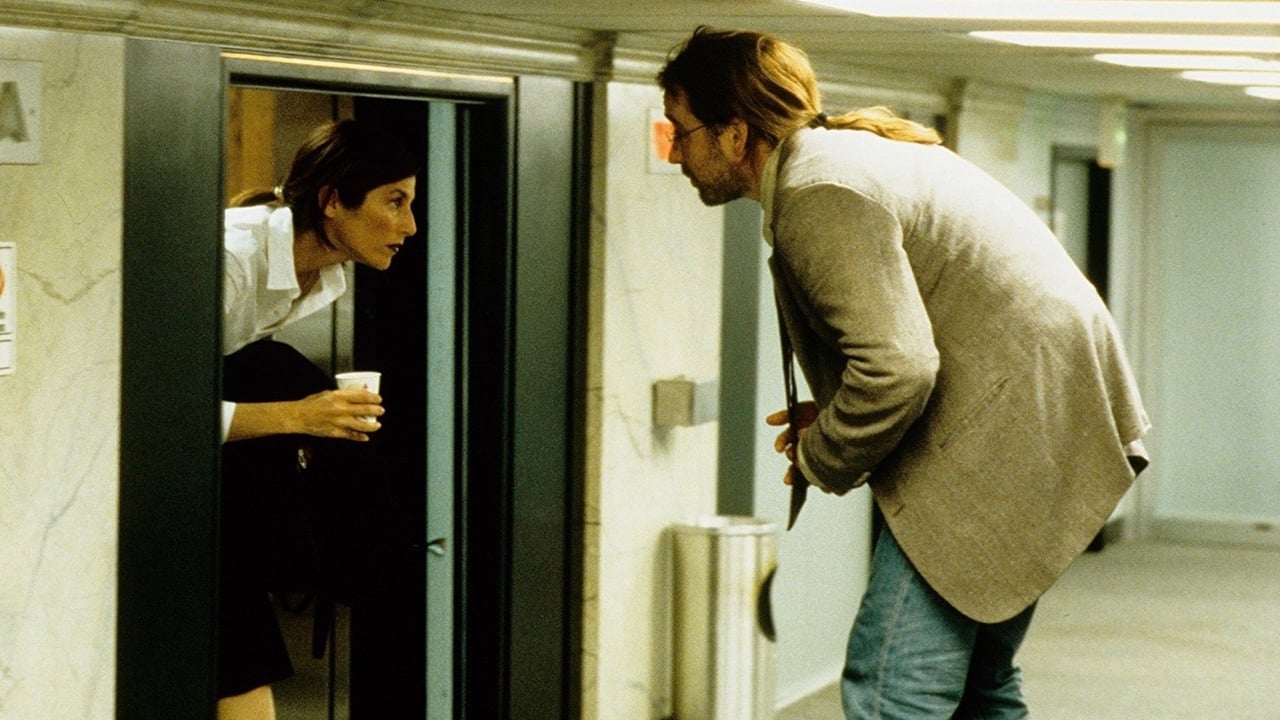
What unfolds is a darkly comedic, often poignant exploration of identity, desire, voyeurism, and the bizarre ways we seek fulfillment. Craig, along with his animal-loving, perpetually frizzy-haired wife Lotte (Cameron Diaz, virtually unrecognizable and delivering a surprisingly nuanced performance), and his sharp, manipulative co-worker Maxine Lund (Catherine Keener, absolutely magnetic and earning an Oscar nomination), decide to capitalize on this bizarre discovery. They start charging people $200 for fifteen minutes of Malkovich. It’s capitalism at its most surreal.
Director Spike Jonze, then primarily known for his groundbreaking music videos (think Beastie Boys' "Sabotage" or Weezer's "Buddy Holly"), brought a distinct visual style and a surprisingly grounded approach to Kaufman's high-concept script. He doesn't lean too heavily into flashy tricks; instead, he lets the inherent strangeness of the situation speak for itself, often framing scenes with a detached, almost documentary-like quality that somehow makes the impossible feel strangely plausible. Jonze reportedly had to fight to keep the title, as some studio execs were understandably nervous about a film literally named after an actor who wasn't even the main star in the traditional sense.
Malkovich, Malkovich, Malkovich
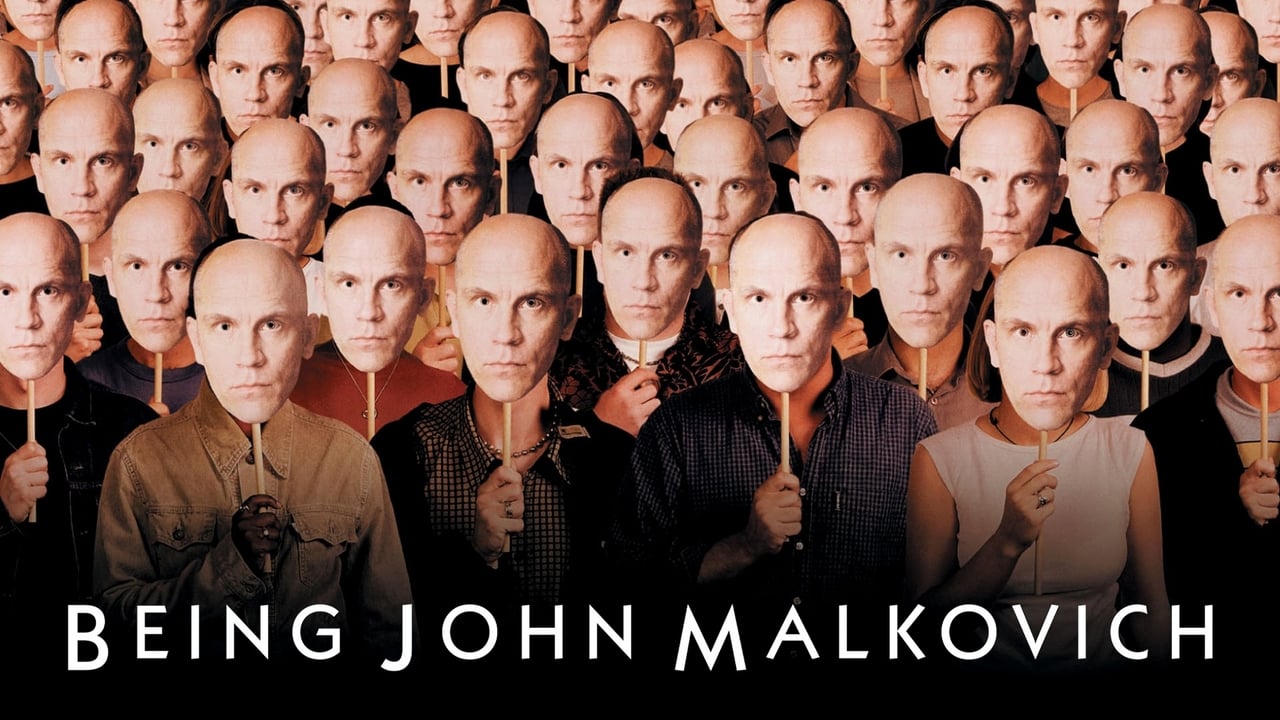
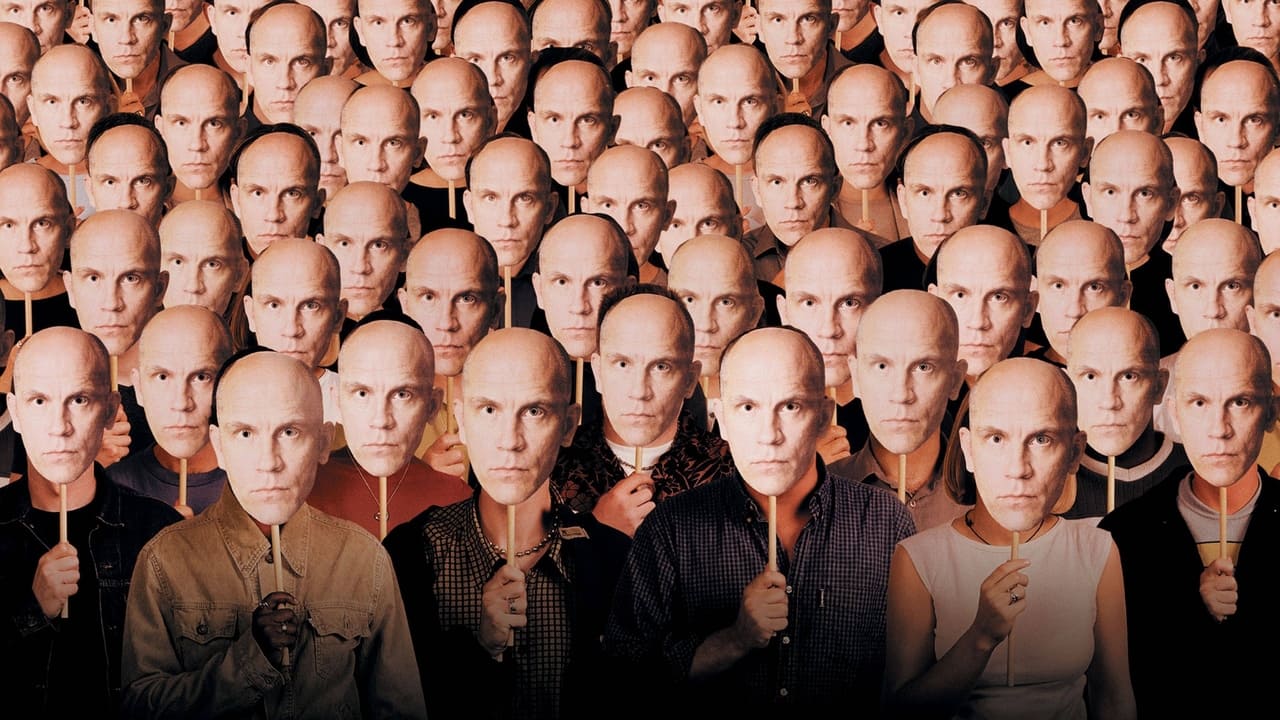
Of course, the linchpin is John Malkovich himself, playing a version of "John Malkovich" with remarkable sportsmanship and subtle comedic timing. It's a performance layered with irony – the esteemed actor reduced to a vessel, a human theme park ride. The sequence where Malkovich enters his own portal is filmmaking absurdity reaching a kind of sublime peak – a world populated only by Malkoviches, uttering only the word "Malkovich." It’s unforgettable. Apparently, Malkovich was initially hesitant, worried the film was a prank or simply too strange, but Kaufman and Jonze eventually won him over. Can you imagine anyone else in that role? It’s simply unthinkable.
The casting itself is full of interesting notes. John Cusack brings his signature soulful searching, grounding Craig's increasingly questionable actions in a relatable (if pathetic) yearning. Cameron Diaz’s transformation was reportedly her own suggestion, wanting to fully embody the dowdy, repressed Lotte, a world away from her usual glamorous roles like in There's Something About Mary (1998). And Catherine Keener as Maxine is the film's cool, calculating center – alluring and dangerous in equal measure.
Beyond the Gimmick
For all its surreal humor, Being John Malkovich probes some genuinely deep questions. What does it mean to be someone else? Is identity fixed, or fluid? The film explores the intoxicating, corrupting nature of experiencing life through another's eyes, the ultimate form of escapism. Craig initially sees it as artistic potential – controlling Malkovich like a puppet – while Lotte finds a confusing liberation, experiencing the world as a man. Maxine, ever the pragmatist, sees only profit and power. Doesn't this strange portal tap into universal anxieties about dissatisfaction with our own lives and the allure of living vicariously?
The film was made for a relatively modest $13 million, a testament to Jonze and Kaufman managing to bring such a high-concept idea to life without a blockbuster budget. It became a critical darling and a modest indie hit, grossing over $32 million worldwide and netting three Oscar nominations (Best Director for Jonze, Best Original Screenplay for Kaufman, and Best Supporting Actress for Keener). Its influence lingers – a benchmark for audacious, original screenwriting and proof that truly bizarre ideas could find an audience.
Rating: 9/10
This rating feels earned by the film's sheer, unadulterated originality, its perfect blend of dark comedy and existential unease, and the brilliant, committed performances across the board. It’s a movie that dares to be utterly itself, refusing easy categorization. While its deliberately strange nature might not be for everyone, its intelligence, wit, and surprisingly resonant themes make it a standout not just of the 90s, but of modern cinema. It’s a film that burrows into your brain, much like its characters burrow into Malkovich’s, leaving you pondering its delightful absurdity long after the credits roll and you've ejected the tape (or clicked 'stop').
What lingers most is that feeling of witnessing something truly unique unfold – a reminder that sometimes, the strangest trips are the most rewarding. Malkovich? Malkovich.