There's a certain sanctuary many of us found amidst the towering shelves and flickering fluorescent lights of the local video rental store back in the day. A haven filled with possibilities, escapes tucked neatly into plastic clamshells. Nicolas Winding Refn’s 1999 film Bleeder opens within such a space, but swiftly reminds us that even sanctuaries can border darker territories. It lures you in with the familiar comfort of cinematic obsession, only to plunge you headfirst into a chilling study of alienation and impending violence.
Copenhagen Nocturne
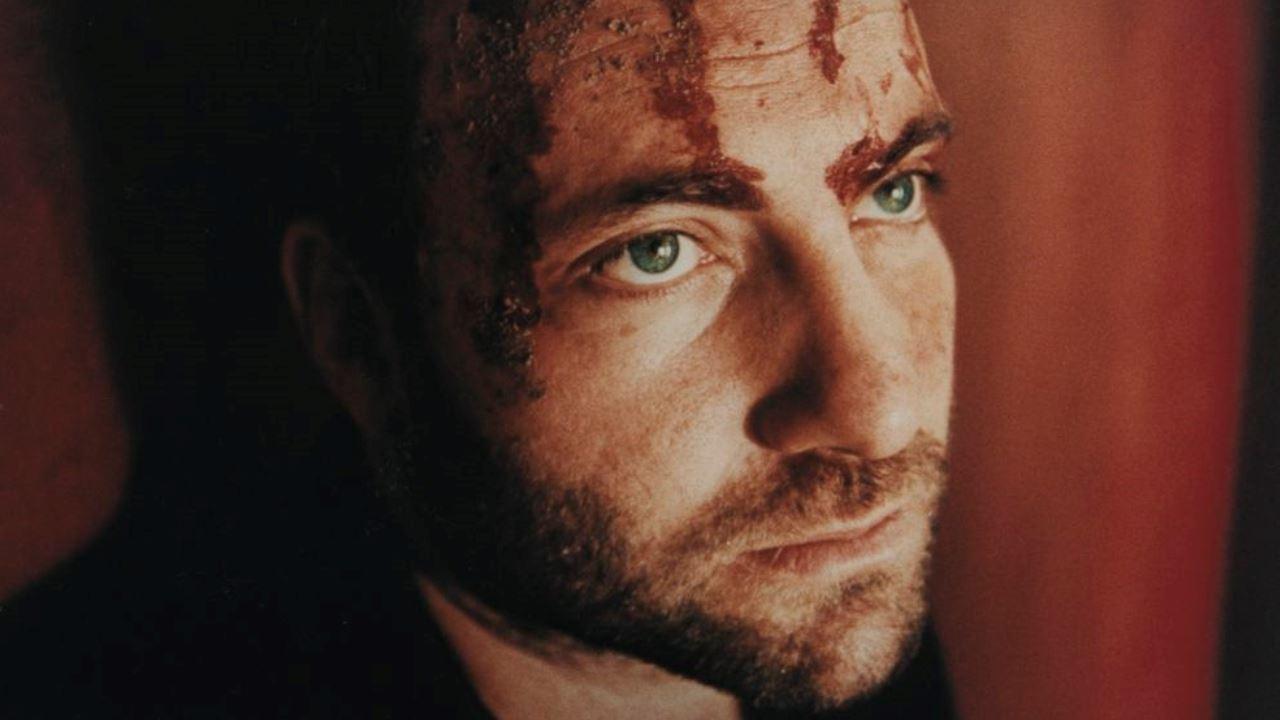
Set against the backdrop of a gritty, pre-gentrified Copenhagen – the same Nørrebro streets that felt so electrically dangerous in Refn’s debut, Pusher (1996) – Bleeder introduces us to Leo (Kim Bodnia) and Lenny (Mads Mikkelsen). They’re coworkers, perhaps loosely friends, spending their days surrounded by the escapism of film in a small video shop. Leo is volatile, coiled energy barely contained, living with his waitress girlfriend Louise (Rikke Louise Andersson). Lenny, by stark contrast, is cripplingly shy, a film encyclopedia who retreats into the worlds projected onto screens, finding more solace in discussions about Sergio Leone or Sam Peckinpah than in actual human interaction. This fragile equilibrium shatters when Louise announces she’s pregnant. The news doesn’t inspire joy in Leo; it triggers something dark, a fear of entrapment that rapidly metastasizes into terrifying aggression.
Raw Nerves Exposed
What makes Bleeder burrow under your skin is the sheer, unvarnished intensity of the performances, particularly from Kim Bodnia. Fresh off his star-making turn as the frantic Frank in Pusher, Bodnia here crafts a portrait of masculine terror that’s almost unbearable to watch. Leo isn't just angry; he's imploding. His inability to process the looming responsibility of fatherhood manifests as paranoia, resentment, and ultimately, brutal violence. There’s no Hollywood gloss here, no attempt to make Leo sympathetic, only a horrifyingly believable depiction of a man cracking apart. It’s a demanding, draining performance, and whispers of on-set friction between Bodnia and Refn following this film perhaps speak to the raw nerves being touched. Did that real-life tension fuel the on-screen fire? One can only speculate, but the result is undeniably potent.
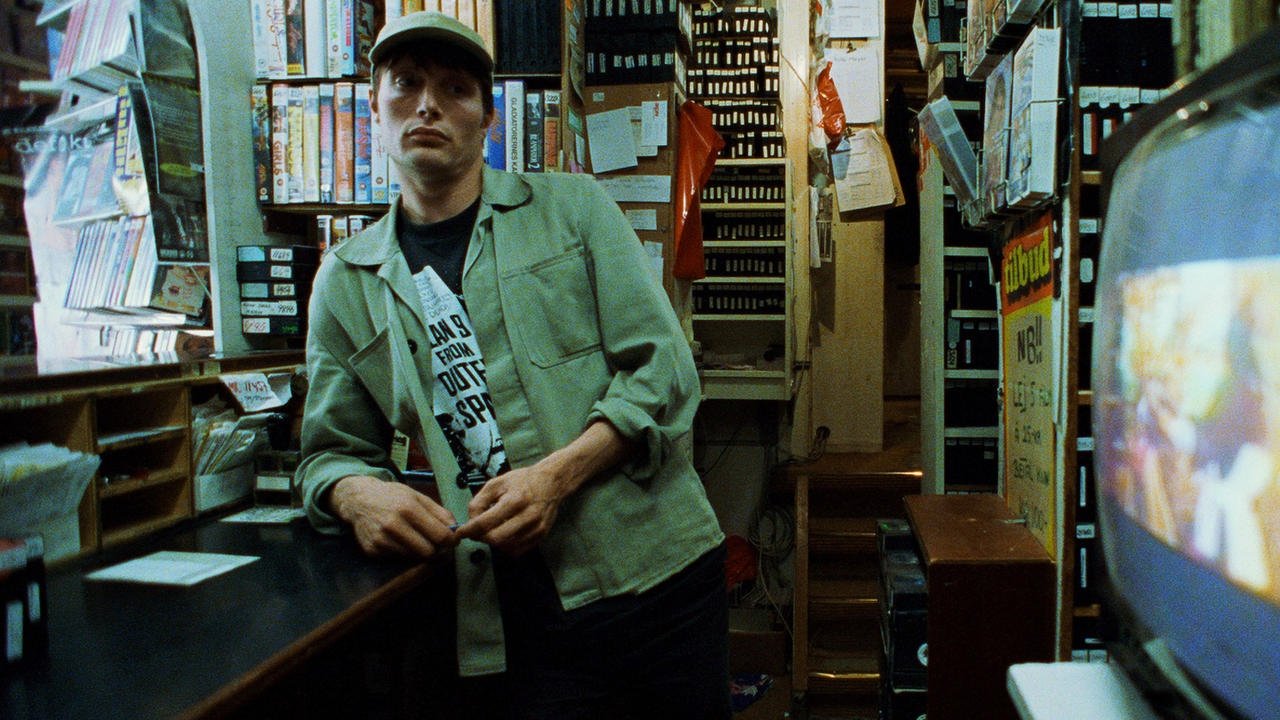
Contrasting this is Mads Mikkelsen as Lenny. Years before he’d become an international star, known for sophisticated villains and complex heroes, Mikkelsen delivers a performance of profound vulnerability and aching loneliness. Lenny’s social anxiety is palpable; his retreat into film trivia feels less like a charming quirk and more like a desperate defense mechanism against a world he can barely navigate. His tentative interactions with Lea (Liv Corfixen), a server at a local diner, are heartbreakingly awkward yet offer the film's few glimmers of potential connection. Doesn't his struggle to bridge the gap between reel life and real life resonate with anyone who ever felt safer lost in a story? Refn uses Lenny, the obsessive cinephile working in a video store, almost like a mirror reflecting the audience's own love for film, but pushes it towards a painful extreme of isolation.
Refn Finding His Voice
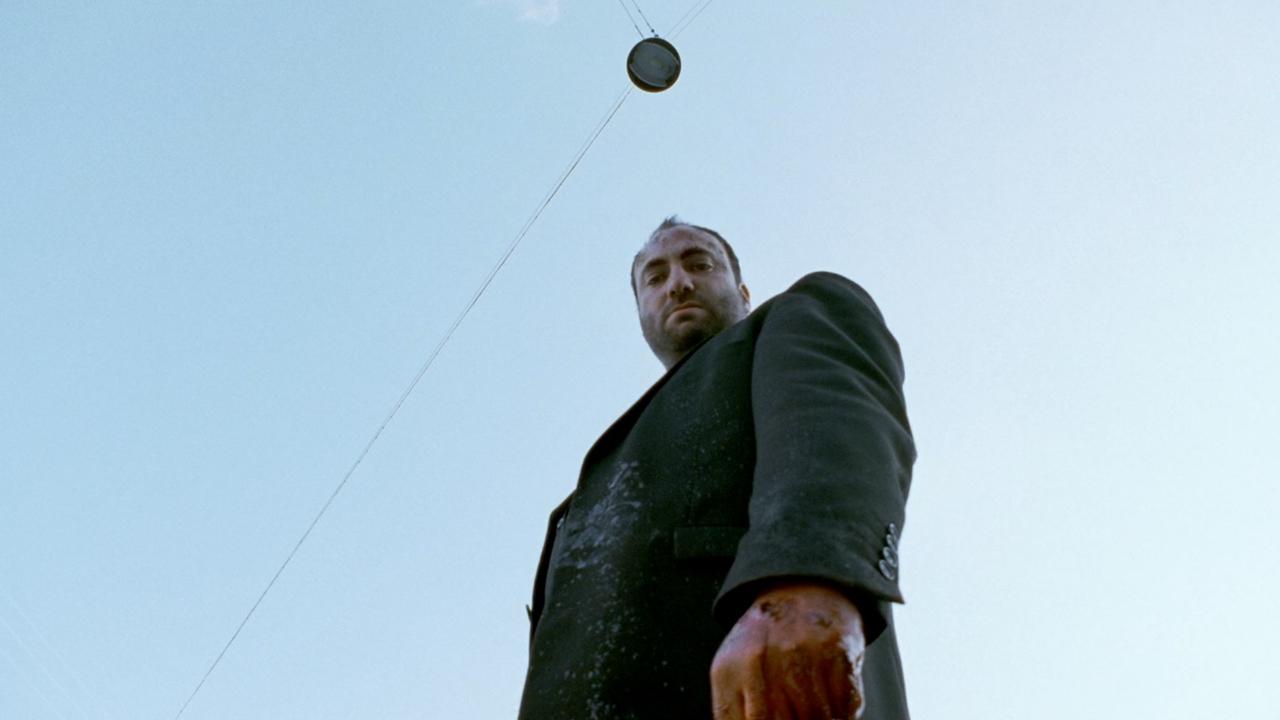
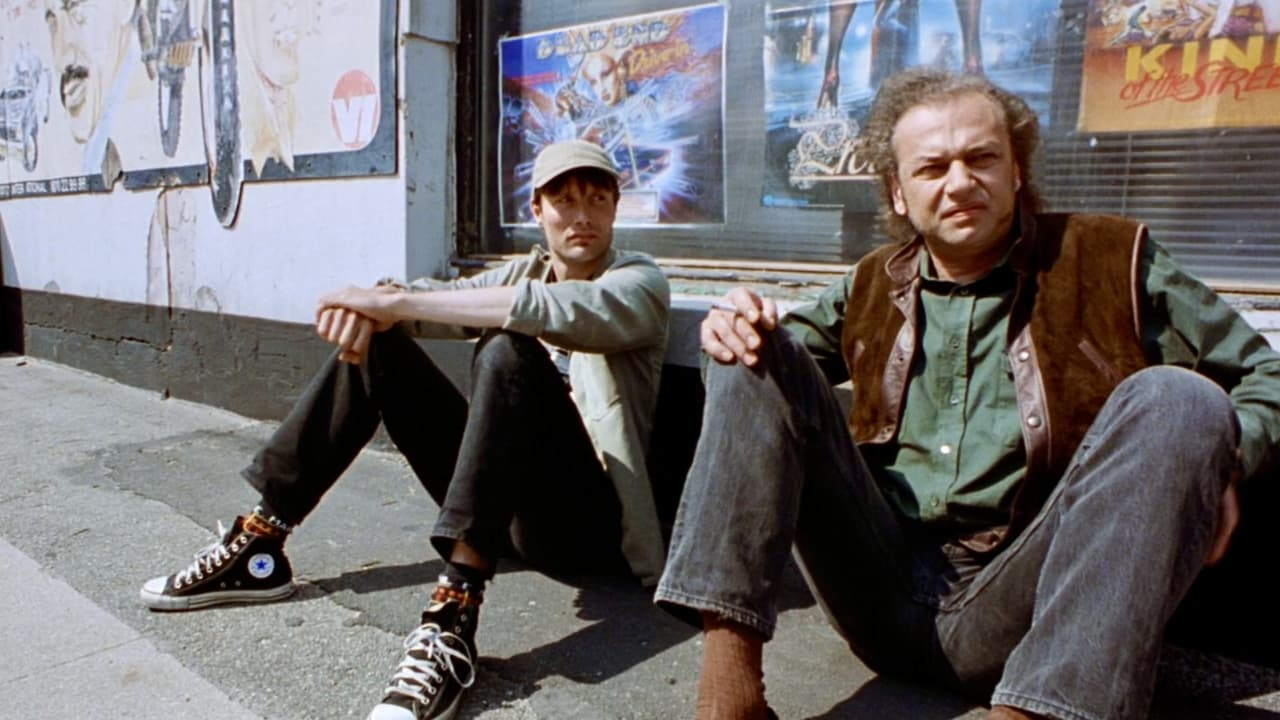
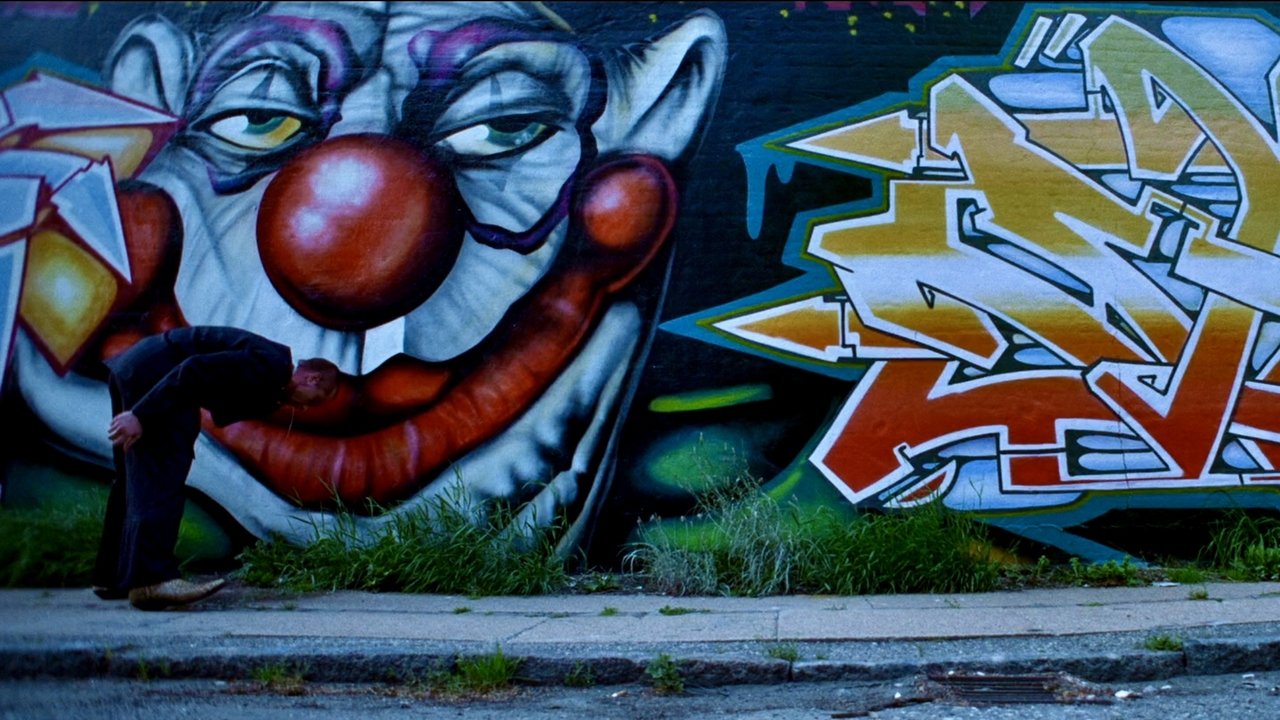
While Pusher crackled with restless energy and handheld immediacy, Bleeder feels more deliberate, almost suffocating. Refn, working again with cinematographer Morten Søborg, employs a more static camera at times, trapping characters within the frame, often bathed in stark, oppressive color palettes – harsh reds hinting at the violence simmering beneath the surface. It’s a visual language that feels distinctly Refn, even in these earlier stages of his career. He’s less interested in the mechanics of crime here (though violence is unflinchingly depicted) and more focused on the psychological decay of his characters. The film cost around 12 million Danish Kroner, a modest budget even then, but Refn leverages the gritty realism of the locations and the power of his actors to create something far more expansive emotionally.
Interestingly, the video store itself, Leo and Lenny's place of work, becomes a character. It's crammed with posters and tapes – a tangible link to the era for anyone reading this who spent hours browsing similar aisles. I recall finding a bootleg-looking copy of this very film on VHS years ago, its stark cover art hinting at the intensity within. For Lenny, the store is a refuge, a place where his encyclopedic knowledge grants him a semblance of authority he lacks elsewhere. Yet, the film subtly suggests that this retreat, this obsession, also prevents him from truly living. The sheer volume of films mentioned or visually referenced by Lenny is staggering – a clear nod from Refn to his own influences, but also a key character trait showing Lenny's immersion.
An Unflinching Descent
Bleeder is not an easy film to recommend universally. It’s bleak, often disturbing, and deals with themes of domestic violence and existential despair head-on. The title itself feels multifaceted – referring obviously to the physical violence, but also to the emotional hemorrhaging of its characters, particularly Leo, who seems incapable of stopping the 'bleeding' of his own destructive impulses. There are no neat resolutions, no comforting arcs of redemption. It’s a film that stares into a certain kind of abyss – the fear of responsibility, the terror of change, the destructive potential lurking within seemingly ordinary lives. It didn’t achieve the same cult status as Pusher, perhaps due to its more challenging themes and less propulsive narrative, but it arguably cuts deeper psychologically.
Rating: 7/10
This rating reflects the film's undeniable power and craft, particularly the searing performances and Refn's developing, distinctive style. The atmosphere is thick, the tension palpable, and its portrayal of psychological collapse is disturbingly authentic. It loses points for being such a relentlessly grim experience that it lacks the rewatchability of some other cult classics, and its pacing can feel deliberately oppressive, testing the viewer's endurance. However, the justification is clear: Bleeder succeeds profoundly in what it sets out to do – create an unnerving, unforgettable character study.
For those who appreciate the raw, unfiltered side of 90s independent cinema, and particularly for followers of Nicolas Winding Refn’s journey, Bleeder remains a vital, if deeply unsettling, watch. It’s a stark reminder, pulled from that shelf of late-90s VHS discoveries, that sometimes the most harrowing monsters aren't supernatural, but devastatingly human. What lingers most isn't just the violence, but the profound sadness clinging to its characters, trapped in cycles they can't seem to break.