The city breathes indifference, a concrete labyrinth where innocence is currency spent too quickly. Some films capture that feeling, that specific chill of urban survival viewed through the flickering lens of a CRT screen, and few did it with the quiet, devastating precision of Fresh (1994). It doesn’t announce its dread with jump scares or flashy violence; it lets it seep into your bones, like the damp cold of a forgotten alleyway. This isn't just a movie; it's a whispered warning from the asphalt heart of the early 90s.
Concrete Kingdom, Child King
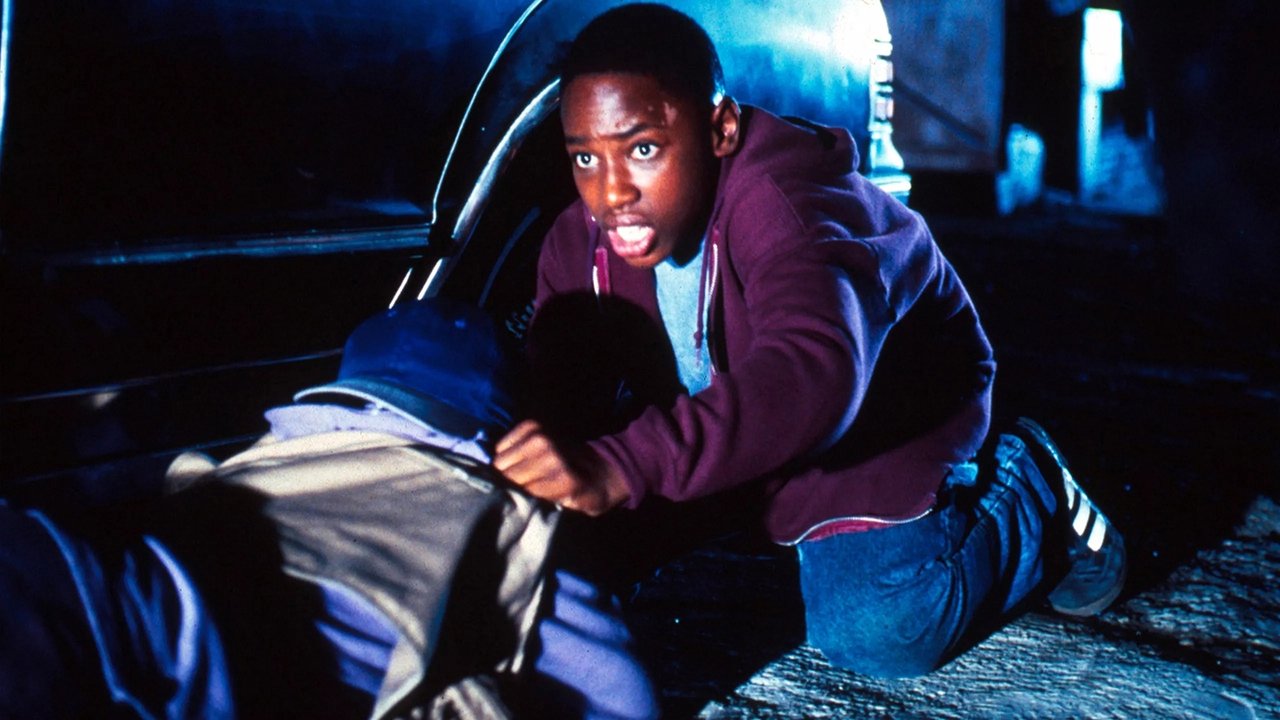
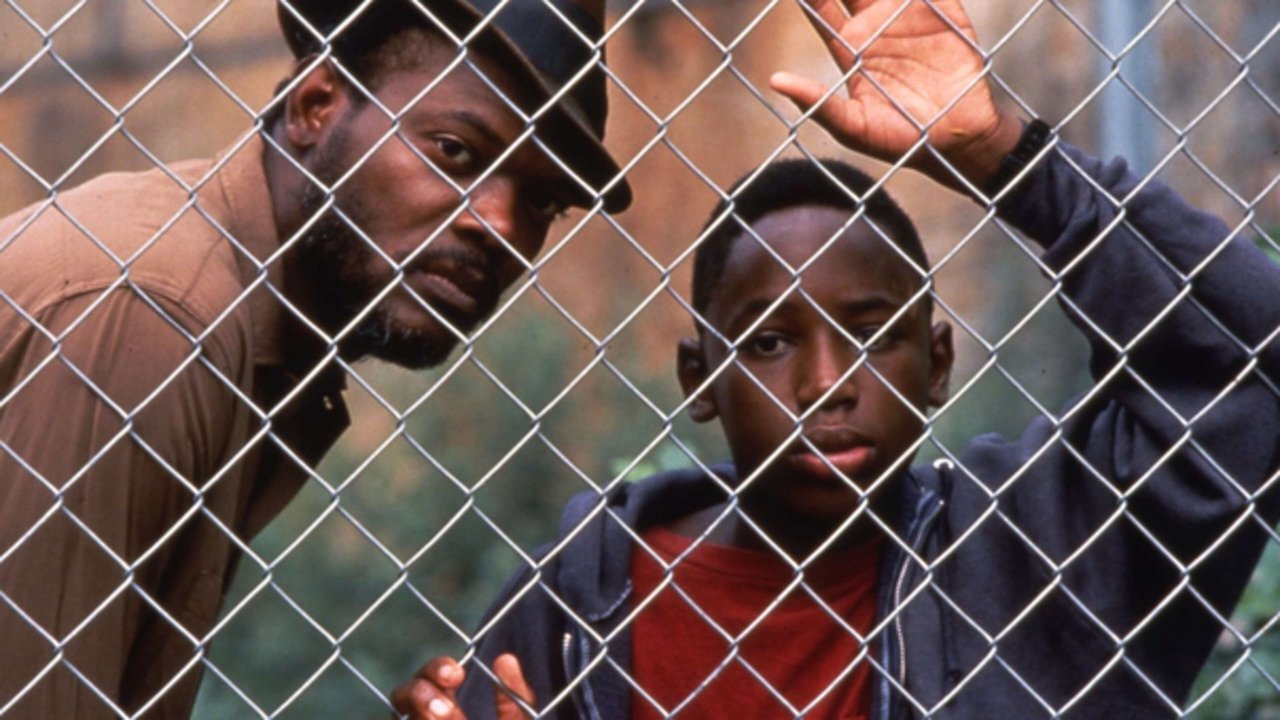
We’re dropped into the world of Michael, universally known as Fresh (Sean Nelson), a 12-year-old boy navigating the treacherous ecosystem of Brooklyn's drug trade. He’s not just surviving; he’s observing, calculating, running packages for dealers like the volatile Esteban (Giancarlo Esposito) while absorbing life lessons—or perhaps survival tactics—from his estranged father, Sam (Samuel L. Jackson), a homeless speed-chess master hustling in Washington Square Park. The premise itself is stark: a child immersed in a world that should be utterly alien, yet he moves through it with a disturbing level of competence, his face an impassive mask hiding a mind working several moves ahead.
Sean Nelson's Unforgettable Turn
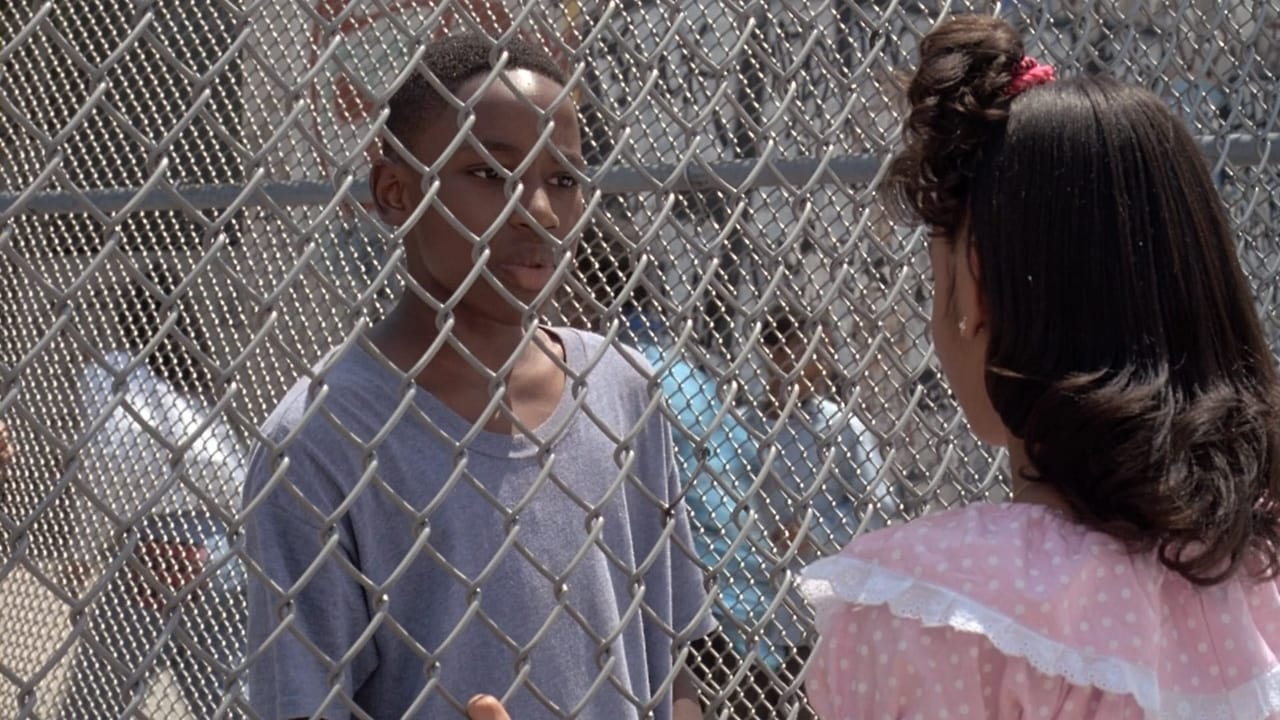
The weight of Fresh rests squarely on the young shoulders of Sean Nelson, and his performance is nothing short of astonishing. Reportedly chosen from thousands of kids during an extensive casting call, Nelson brings a preternatural stillness and unnerving intelligence to the role. There’s no precocious mugging for the camera, no overly dramatic line readings. Instead, he offers quiet intensity, his eyes absorbing the horrors around him – a stray bullet felling a classmate, the casual cruelty of the drug lords, the desperate addiction consuming his own sister. You see the gears turning behind those watchful eyes, the strategic mind forged in sidewalk chess games being applied to life-and-death situations. It’s a performance that stays with you, haunting in its maturity and restraint. Did his quiet resolve unnerve you as much as it did me back then?
Mentors of the Maze
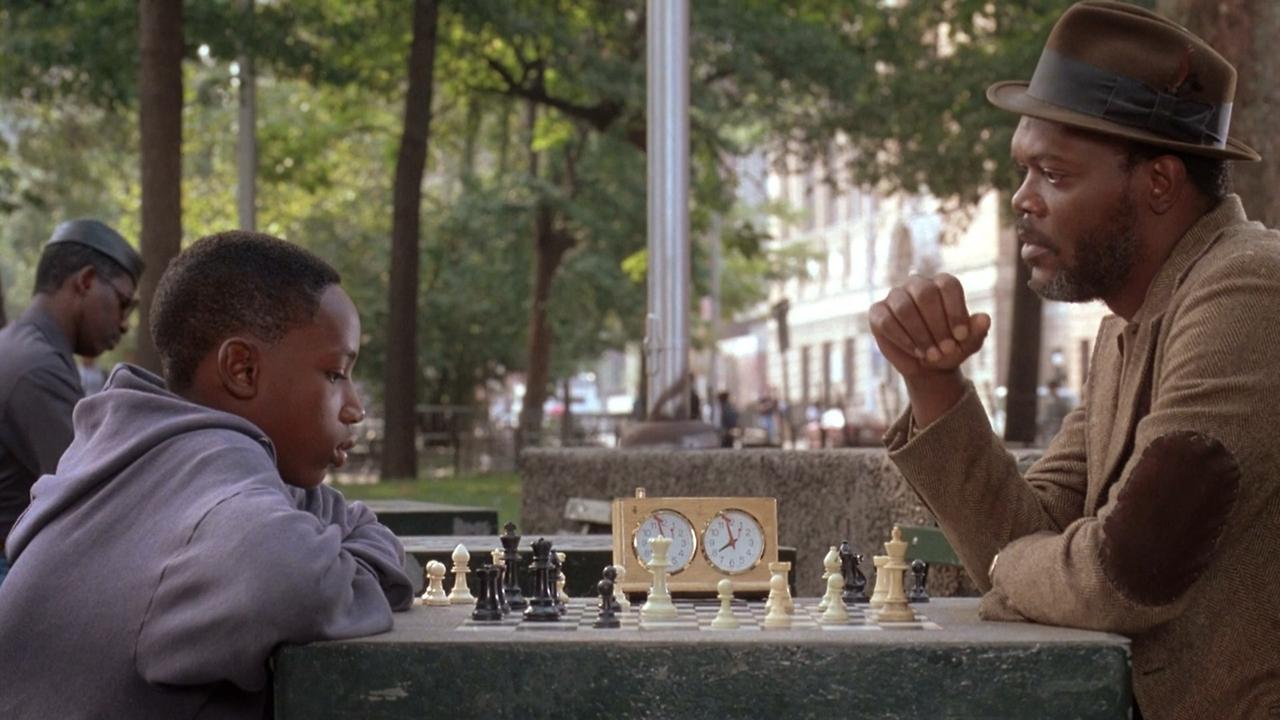
Surrounding Fresh are figures both menacing and tragic. Giancarlo Esposito, years before his iconic turn as Gus Fring in Breaking Bad, delivers a chilling performance as Esteban. He’s charismatic, almost fatherly one moment, then radiating pure menace the next. His calm demeanor makes his capacity for violence all the more terrifying. Then there’s Samuel L. Jackson as Sam, Fresh’s father. Filmed just before Pulp Fiction (1994) would make him a global superstar, Jackson imbues Sam with a tragic dignity. He’s flawed, sharp, and imparts the film’s central metaphor: life as a chess game. "You cannot play the board, you gotta play the man," he advises, drilling into Fresh the strategic thinking needed to survive not just chess, but the streets. These scenes, often raw and painful, are the emotional core of the film, showing the fractured love and desperate lessons passed down in a broken world.
The Strategy of Survival
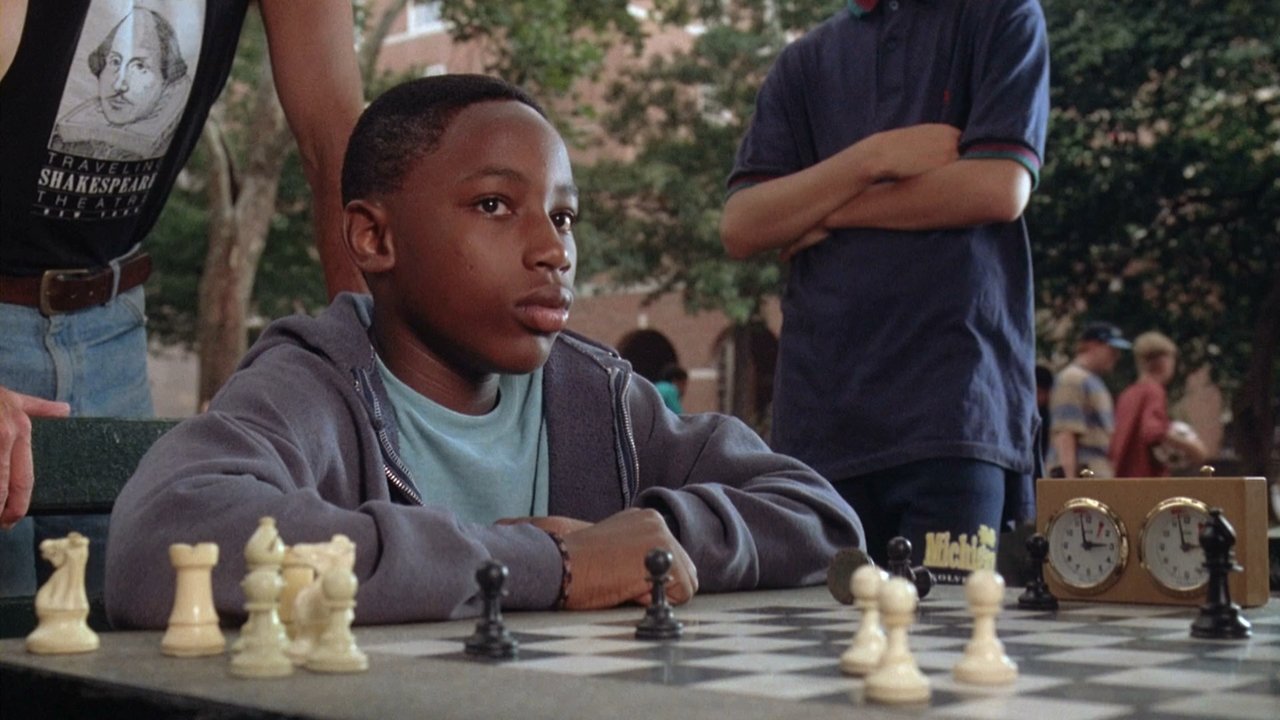
Writer-director Boaz Yakin, making an incredibly assured feature debut here, masterfully structures Fresh like the chess games it so heavily references. Yakin reportedly drew inspiration from his own observations growing up in New York City, and that authenticity bleeds through every frame. The film isn't about explosive action sequences; it’s about the slow burn, the meticulous planning Fresh undertakes to extricate himself and his sister from the life consuming them. He uses the lessons learned from his father, playing the rival drug dealers against each other with a cold, calculated logic that is both brilliant and deeply unsettling for a child. The tension builds not through chases, but through conversations, through the nerve-wracking execution of Fresh's intricate plan. Remember the palpable suspense as each piece fell into place? The film won the Filmmakers Trophy at the Sundance Film Festival, a testament to its unique power and Yakin's confident hand, even on what was reportedly a modest budget (around $3-4 million).
Grit, Grain, and Atmosphere
Watching Fresh again, especially if you first encountered it on a worn VHS tape, reinforces how well its aesthetic captured the era's urban grit. Shot on location in Brooklyn and NYC, the cinematography doesn't shy away from the decay and neglect, creating an environment that feels both authentic and oppressive. There's a tangible sense of place, the city itself becoming a character – indifferent, dangerous, inescapable. The film's power often lies in what isn't shown, letting the implications hang heavy in the air, much like the silence in Fresh's most calculating moments. The practical feel, the lack of digital gloss, makes the danger feel immediate and real, something that connected powerfully through the scan lines of old TVs.
A Move That Still Resonates
Fresh isn't an easy watch. It's bleak, unflinching, and forces you to confront uncomfortable truths about poverty, systemic neglect, and the devastating loss of childhood innocence. Yet, it’s also a deeply intelligent, compelling thriller anchored by extraordinary performances, particularly from young Sean Nelson. It stands as a potent example of 90s independent filmmaking – raw, character-driven, and unafraid to leave the audience shaken. It didn't become a massive blockbuster, but its impact on those who saw it, often discovered tucked away in the video store's drama section, was profound.
Rating: 9/10
This score reflects the film's masterful tension, Sean Nelson's unforgettable central performance, the sharp writing and direction by Boaz Yakin, and its unflinching portrayal of a dark reality. It earns its place as a standout, albeit harrowing, piece of 90s cinema. Fresh remains a potent reminder that sometimes the most dangerous predators aren't monsters, but circumstances, and the most devastating moves are the ones played silently, with everything on the line.