There's a specific kind of exhaustion that seeps into your bones, isn't there? Not just physical tiredness, but a deeper, soul-level weariness. Watching Martin Scorsese's Bringing Out the Dead (1999) feels like mainlining that exhaustion for two hours. It’s a film that doesn't just depict burnout; it immerses you in it, leaving you blinking under the harsh fluorescent lights of its world long after the tape stopped whirring in the VCR. Reuniting Scorsese with Paul Schrader, the scribe behind the similarly nocturnal urban nightmare Taxi Driver (1976), this felt less like a typical late-90s release and more like a fever dream dispatched from a bleaker, more desperate corner of the city—and the human psyche.
Ghosts in the Ambulance
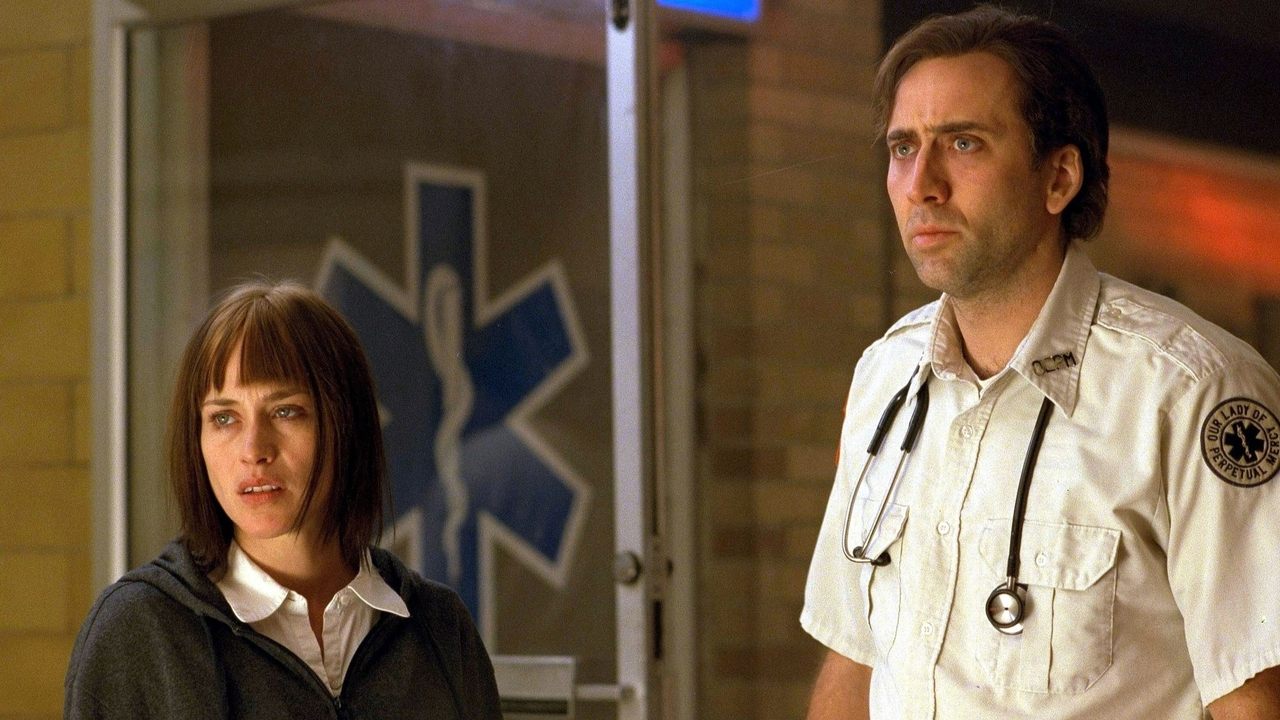
At the heart of this pulsing, often hallucinatory journey through Hell's Kitchen is Frank Pierce, played with a haunting, frayed-nerve intensity by Nicolas Cage. This isn't the high-octane Cage of Con Air (1997) or Face/Off (1997) that dominated multiplexes around the same time. This is Cage burrowing deep into a character haunted by the "ghosts" of patients he couldn't save, his eyes wide pools reflecting the endless stream of sirens and suffering. Frank is a paramedic crumbling under the immense pressure of his job, seeking salvation or perhaps just oblivion amidst the chaos. His narration, delivered in that signature Cage cadence oscillating between weary resignation and near-manic desperation, pulls us directly into his fractured state of mind. It’s a performance that feels less like acting and more like witnessing a slow-motion implosion.
Scorsese, ever the master of capturing New York's frenetic energy, turns the ambulance itself into a character – a speeding confessional booth hurtling through rain-slicked streets. The film’s visual language is pure Scorsese: dynamic camera movements, jarring edits often timed to the eclectic soundtrack (featuring everyone from Van Morrison to The Clash), and an almost oppressive sense of place. You can practically smell the stale coffee, the disinfectant, and the desperation clinging to the air. He paints a city that’s simultaneously alive and decaying, a purgatory where Frank is trapped between life and death, sanity and collapse.
Partners in Extremis
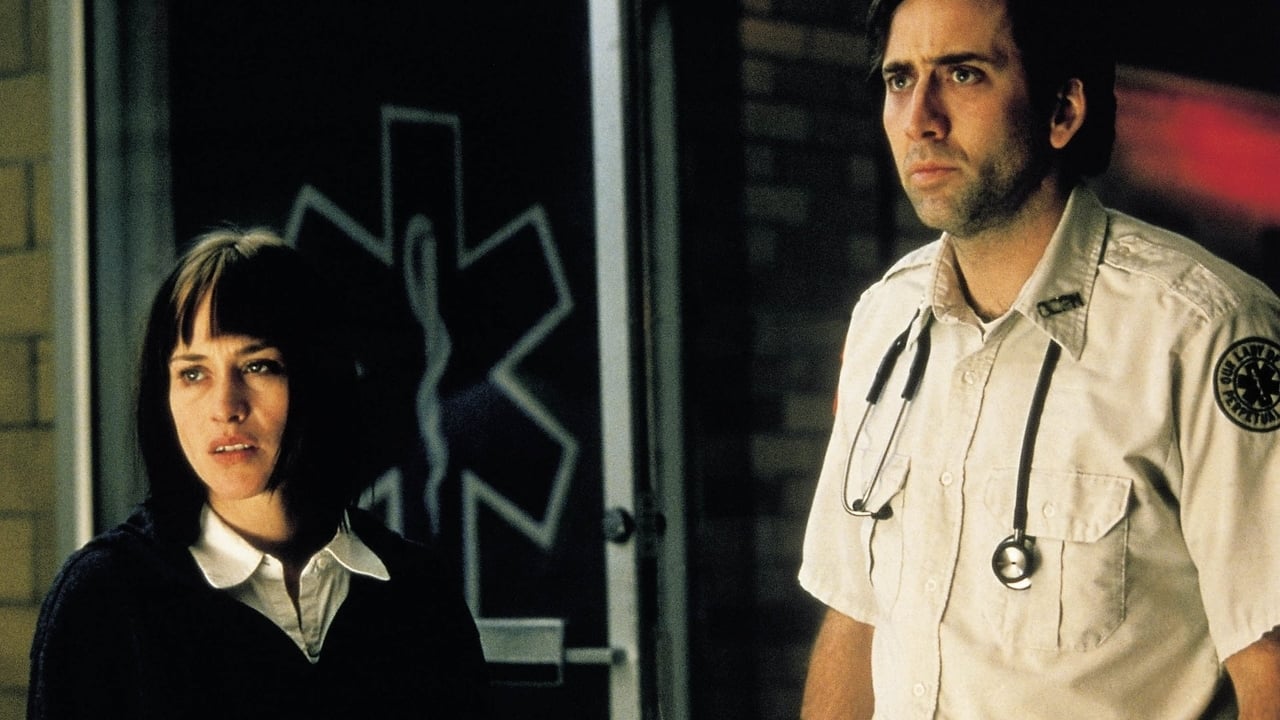
Frank’s journey unfolds over three consecutive nights, each pairing him with a different partner, each representing a different coping mechanism or stage of burnout. There’s John Goodman’s Larry, seemingly jovial but clinging to food and routine as anchors. Ving Rhames brings an imposing, almost evangelical fervor to Marcus, who sees divine intervention in the chaos and finds solace in blasting gospel music. And then there's Tom Sizemore’s Tom Wolls, volatile and dangerously detached, embodying the potential for violence that simmers just beneath the surface of constant trauma. Each actor brings a distinct energy, creating these contained, intense two-hander dramas within the ambulance's claustrophobic confines.
Amidst the frantic calls and escalating crises, Frank finds a strange point of connection in Mary Burke (Patricia Arquette), the estranged daughter of a cardiac arrest patient hovering between worlds in the hospital. Arquette, who worked with Cage previously in True Romance (1993), brings a wounded vulnerability to Mary. She's a former addict wrestling with her own ghosts, and her shared moments with Frank offer fleeting glimpses of potential solace, two damaged souls finding fragile comfort in the eye of the storm. Their interactions are tinged with a sad, tentative hope that feels almost out of place in the film's otherwise relentless landscape.

From Page to Screaming Streets
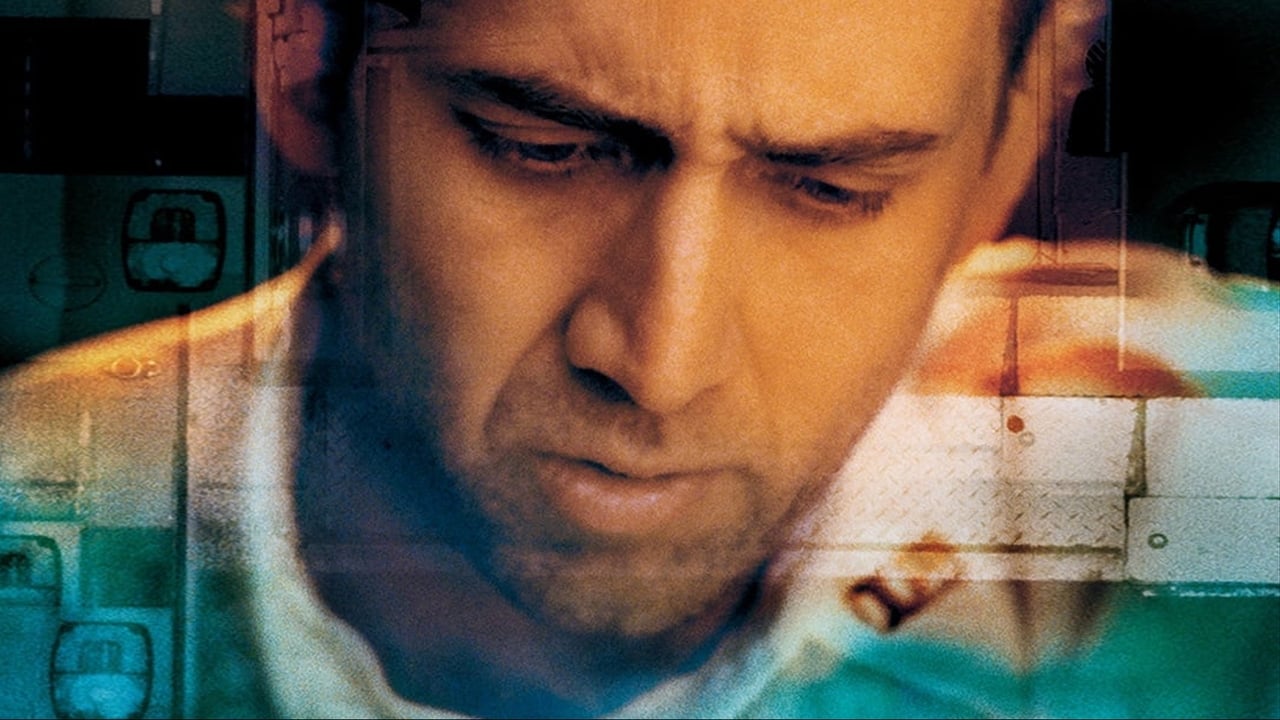
What lends Bringing Out the Dead such a visceral gut-punch authenticity is its source material. The screenplay, adapted by Schrader, is based on the novel by Joe Connelly, himself a former New York City paramedic. Connelly’s firsthand experience bleeds through every scene, grounding the sometimes surreal visuals in the stark realities of emergency medical work – the gallows humor, the emotional toll, the feeling of being overwhelmed by the sheer volume of human suffering. It's said that Connelly’s writing resonated deeply with Scorsese, perhaps reminding him of the raw, street-level dramas that defined his earlier work.
Interestingly, despite the powerhouse combination of Scorsese, Schrader, and Cage, the film wasn't a box office smash. It pulled in just under $17 million domestically against a reported budget of $55 million. Perhaps its unflinching darkness and episodic, almost dreamlike structure were a tough sell compared to the more conventional narratives audiences were flocking to at the turn of the millennium. It lacked the gangster thrills of Goodfellas (1990) or the clear redemption arc some might expect. Yet, watching it now, it feels like a vital piece of late 90s cinema, a raw nerve exposed before the digital sheen fully took over. It’s a film that understands the specific weight carried by those who navigate the thin line between life and death daily.
Lingering Echoes
Does Frank find redemption? The film leaves that deliberately ambiguous. What lingers isn't a neat resolution, but the oppressive atmosphere and the central question: how much can one person witness before they break? It explores the corrosive nature of guilt and the desperate human need for connection and forgiveness, even in the most unlikely circumstances. It’s a film that sits with you, heavy and unsettling, much like the memory of a particularly harrowing night.
Bringing Out the Dead might not be the easiest Scorsese film to revisit – it demands a certain fortitude from the viewer. But its power is undeniable. It’s a visceral, technically brilliant, and deeply felt examination of a soul in crisis, anchored by one of Nicolas Cage’s most compelling and underrated performances. It captures a specific time and place with unnerving accuracy, and its themes of burnout and compassion fatigue feel perhaps even more relevant today.
Rating: 8.5/10
Final Thought: This film is less a story and more an experience – a haunting, adrenaline-fueled descent into the urban night and the human spirit pushed to its absolute limit. It's a potent reminder, preserved on tape, of the ghosts we carry and the desperate search for peace amidst the sirens.