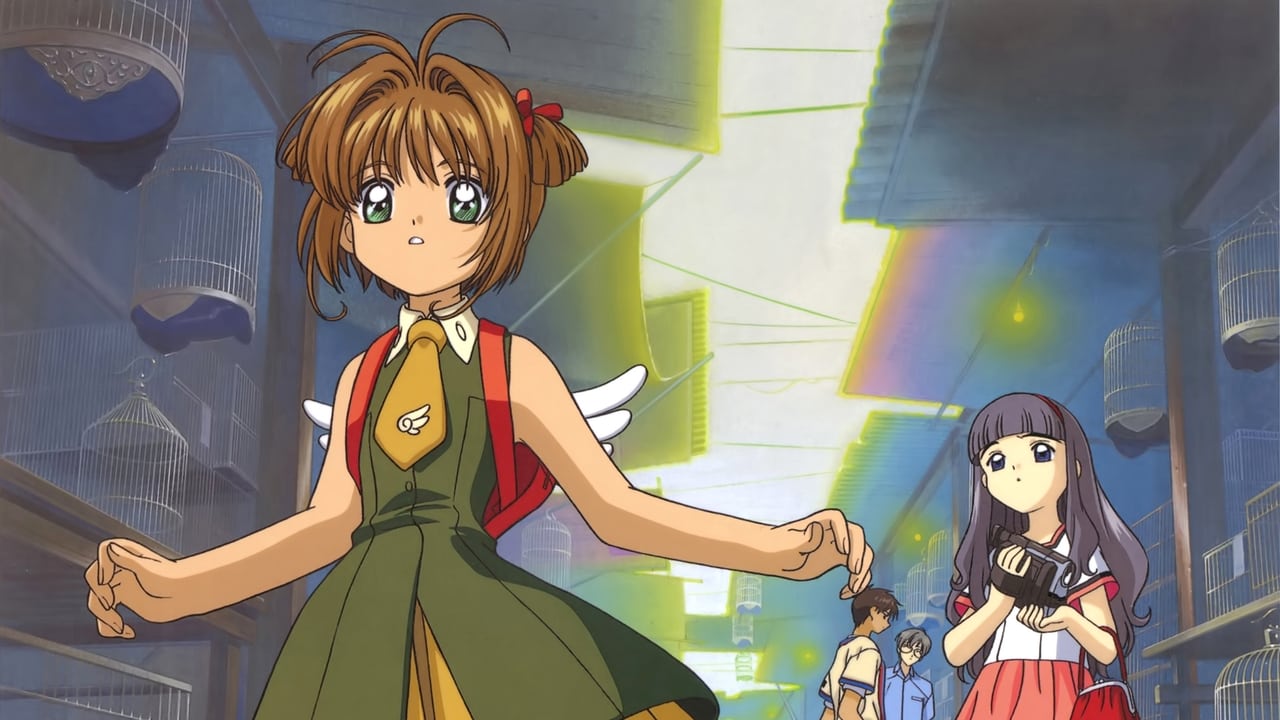
Ah, the unmistakable pastel hues and gentle sparkle of Cardcaptor Sakura. For many of us tuning in during the late 90s, Sakura Kinomoto’s adventures weren’t just a TV show; they felt like catching up with a friend, albeit one with a considerably more exciting after-school life involving magical cards and a flying plush guardian. So, when Cardcaptor Sakura: The Movie landed on shelves (likely nestled between action flicks and broader animated features at the local video store), it felt like a special event – a chance to see Sakura’s world expand beyond the familiar streets of Tomoeda. And expand it did, all the way to the vibrant, bustling streets of Hong Kong.
### Holiday Magic, Hong Kong Style
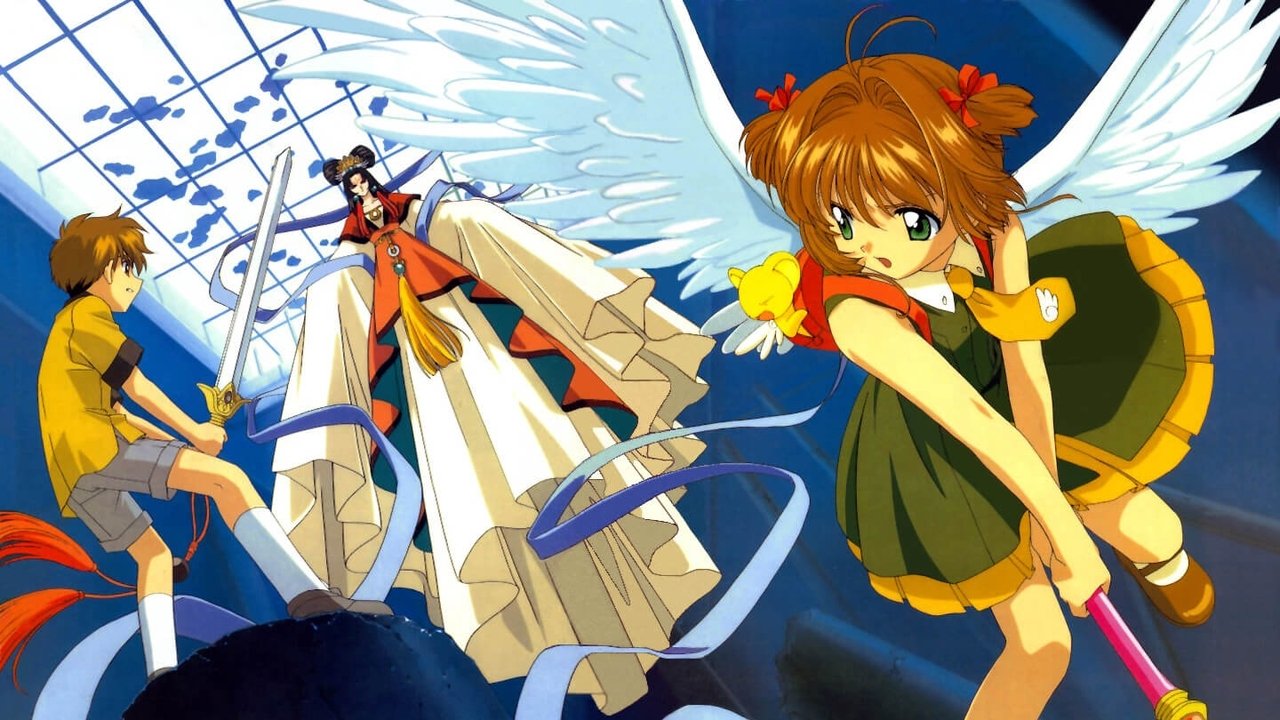
The premise is classic Cardcaptor Sakura: pure luck (or perhaps fate?) sends Sakura and her best friend/devoted documentarian Tomoyo Daidouji (Junko Iwao, whose gentle voice work remains iconic) on a dream vacation to Hong Kong, chaperoned by Sakura’s older brother Toya and his ever-present companion Yukito. Of course, tagging along (initially stuffed in a bag) is the indispensable Keroberos (Aya Hisakawa, nailing both the cute and commanding sides of Cerberus). What starts as sightseeing and indulging in delicious food quickly takes a magical turn, as Sakura finds herself drawn into unsettling dreams involving water, a mysterious woman, and floating feathers. It soon becomes clear that a powerful, sorrowful magic user is lurking nearby, connected to the Clow Cards and their creator, Clow Reed.
Directed by Morio Asaka, who also helmed the beloved TV series, the film instantly feels familiar yet elevated. Asaka, who would later direct thoughtful series like Chobits and Nana, demonstrates a keen understanding of what makes CCS special. The pacing is deliberate, allowing moments of quiet character interaction and scenic beauty to breathe alongside the magical confrontations. This isn't just about capturing a new card; it's about Sakura navigating unfamiliar territory, both geographically and emotionally.
### Cinematic CLAMP Charm
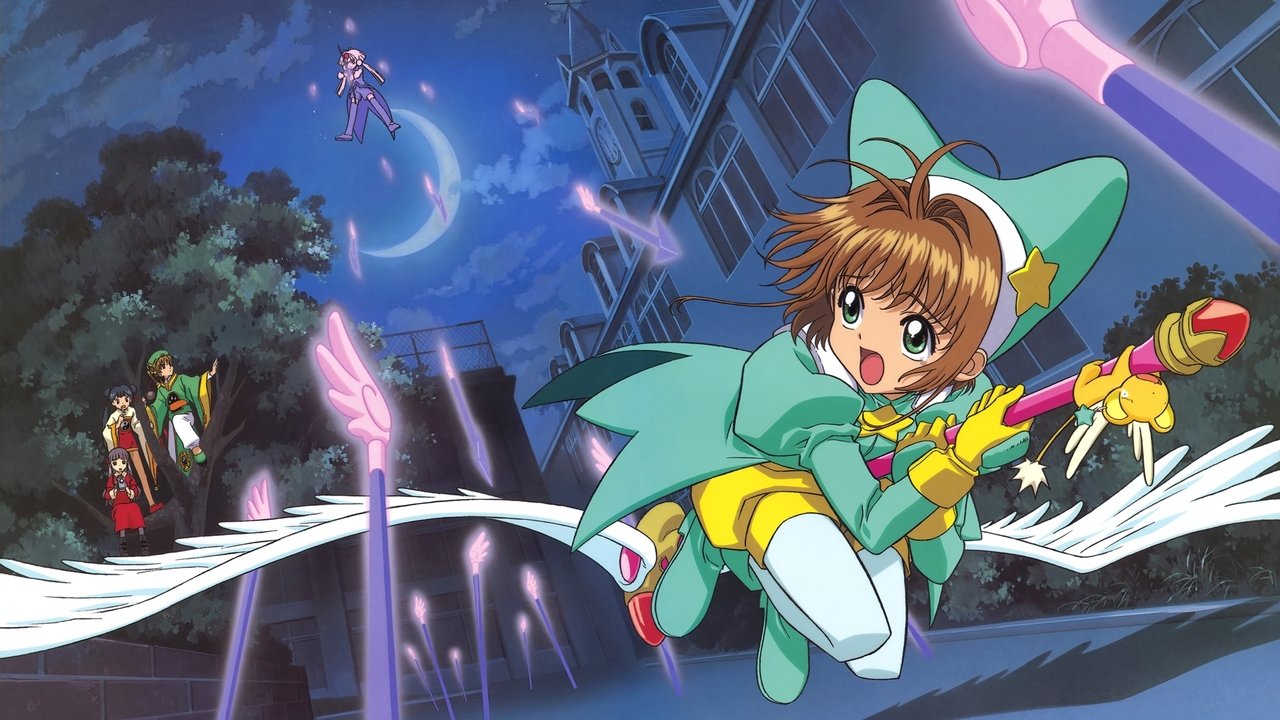
One of the immediate joys of this movie, especially watching it back then on a chunky CRT, was the noticeable upgrade in animation quality. Studio Madhouse pulled out the stops, giving the film a richer, more fluid look than the (already well-animated) TV series. Hong Kong is rendered beautifully, a dizzying tapestry of neon lights, traditional architecture, and shimmering water that provides a stunning backdrop for Sakura’s exploits. You can almost feel the humidity and taste the dim sum. The action sequences, particularly Sakura’s encounters with the water magic, feel dynamic and possess a cinematic scale.
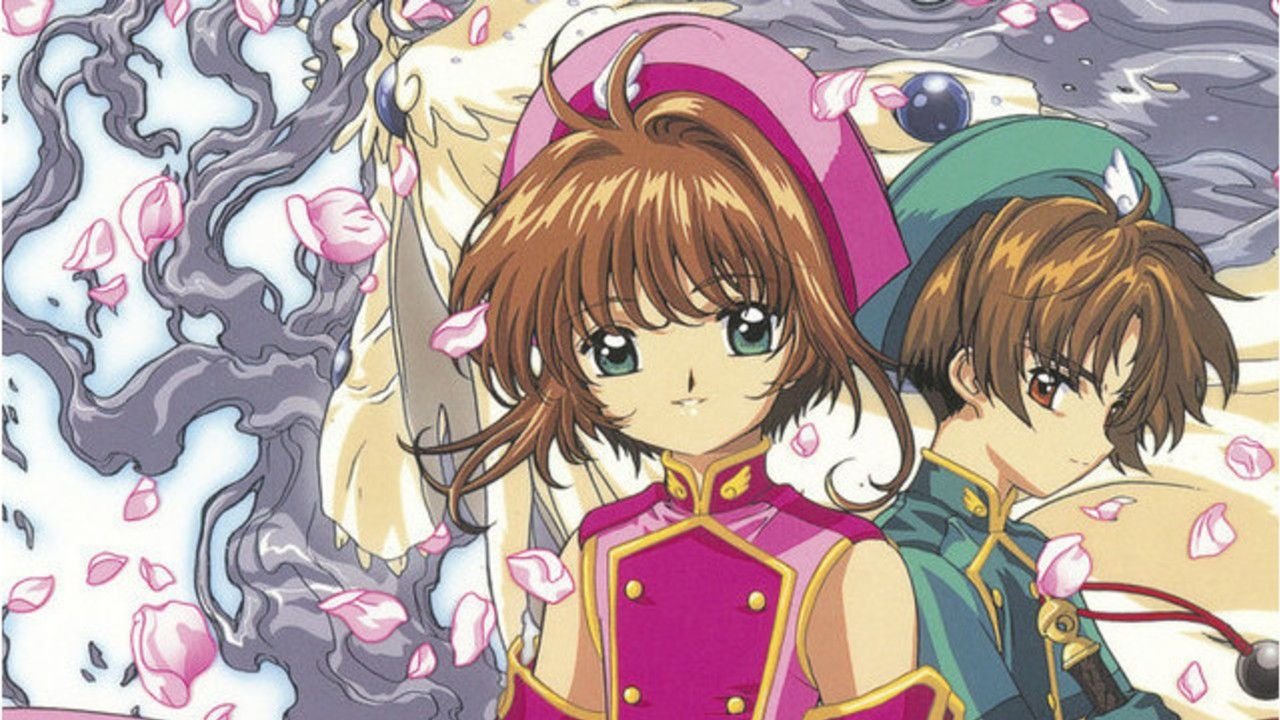
The story itself, penned by Nanase Ohkawa based on the world created by the legendary manga collective CLAMP, fits neatly into the established universe. In fact, a fun bit of trivia for devoted fans is that the movie's events are generally considered to take place between episodes 35 and 36 of the original anime series. While it introduces a compelling new antagonist driven by lost love and lingering resentment towards Clow Reed, the core focus remains firmly on Sakura (Sakura Tange, embodying the character's unwavering kindness and determination) and her relationships. Her burgeoning feelings for Syaoran Li (who conveniently also happens to be visiting Hong Kong with Meiling) get some tender moments, much to Tomoyo’s delight – camera always at the ready, naturally.
### More Than Meets the Eye
While Cardcaptor Sakura: The Movie is undeniably charming and visually lovely, it’s not merely fluff. It delves into themes of memory, loss, and the enduring power of love – albeit with the gentle touch characteristic of the series. The antagonist isn't purely evil, but rather a tragic figure trapped by her past, lending a layer of melancholy to the proceedings. This nuance is a hallmark of CLAMP's storytelling, often exploring the bittersweet aspects of magic and relationships. It manages to feel like a significant adventure for Sakura without disrupting the main series' arc, serving as a wonderful, self-contained story that enriches the characters we already adore.
It's interesting to recall how anime feature films tied to popular series were often treated as special treats back in the VHS days. They offered higher production values and often slightly more mature or expansive stories than the weekly episodes could accommodate. This first Cardcaptor Sakura movie perfectly exemplifies that – it feels bigger, looks more polished, and takes our heroes out of their comfort zone, yet it never loses the heart and soul of the source material. Compared to its successor, Cardcaptor Sakura Movie 2: The Sealed Card (2000), which served as a grand finale to the anime storyline, this first outing feels more like a delightful, extended episode – a captivating side quest that deepens our affection for the characters.
### The Verdict
Cardcaptor Sakura: The Movie is a warm hug in movie form. It captures the essence of the beloved series – its boundless optimism, its focus on friendship and kindness, and its unique blend of slice-of-life charm with magical spectacle. The animation is a clear step up, the Hong Kong setting provides a refreshing change of scenery, and the story, while perhaps not earth-shatteringly complex, is emotionally resonant and perfectly pitched. It’s a testament to the enduring appeal of CLAMP’s creation and Morio Asaka’s direction that the film remains just as enchanting today as it did when we first slid that tape into the VCR. It successfully expands the world and provides beautiful character moments without feeling like mandatory viewing, making it a perfect companion piece to the main series.
Rating: 8/10
This score reflects the film's gorgeous animation, pitch-perfect tone, faithful characterizations, and its success as a charming, self-contained adventure that perfectly complements the TV series. It doesn't radically alter the CCS landscape like the second film aimed to, but as a standalone piece of magical girl delight, it’s wonderfully executed.
For anyone wanting to recapture that specific brand of gentle 90s anime magic, this trip to Hong Kong with Sakura is definitely worth taking again. Just be sure to pack your sealing wand.