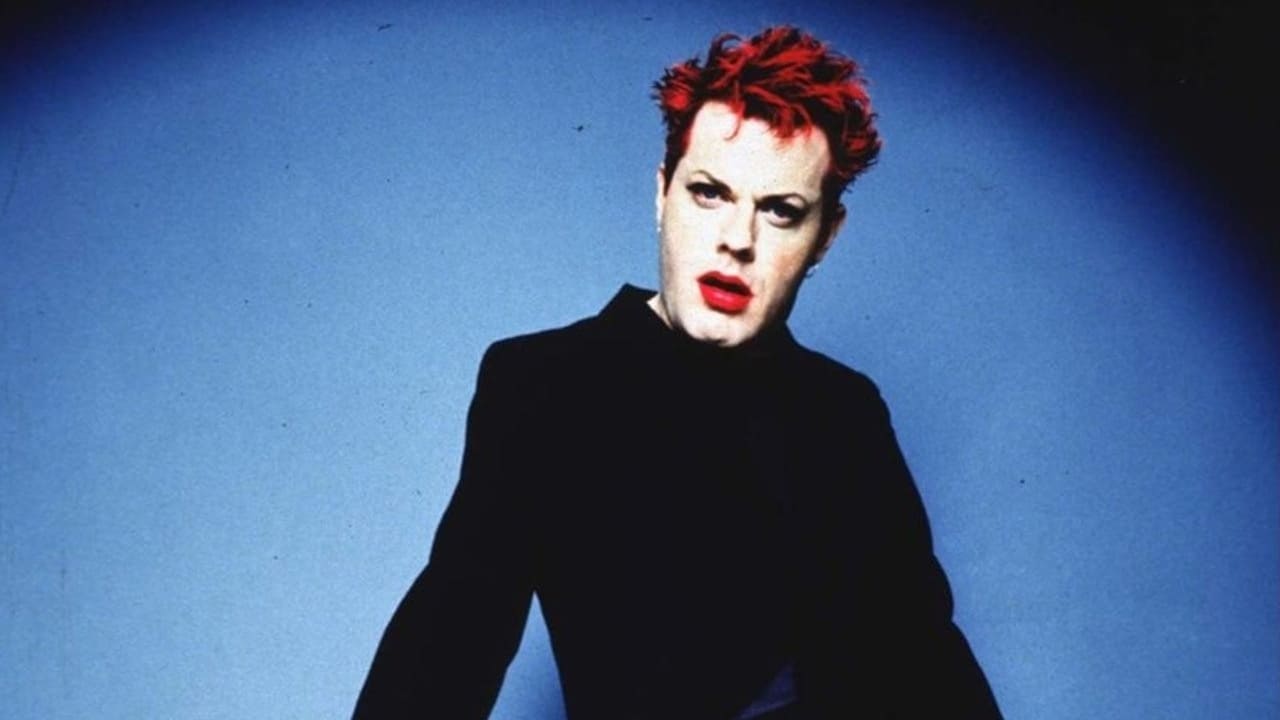
Okay, picture this: late 90s, browsing the comedy section of your local video rental haven. Amidst the familiar faces and movie posters, there’s this intriguing cover – Eddie Izzard, resplendent in makeup and PVC, looking sharp, intelligent, and maybe just a little dangerous. You take a punt, slide that chunky VHS tape into the machine, the tracking lines briefly squiggle… and then your brain gets rearranged for two glorious hours. That, my friends, was the magic of discovering Eddie Izzard: Dress to Kill back in 1999.

### History, Hijinks, and High Heels
Forget explosions and car chases – the action here is purely cerebral, but trust me, it’s just as exhilarating. Filmed at the Orpheum Theatre in San Francisco, Dress to Kill captures Eddie Izzard at an absolute peak. This wasn't just stand-up; it felt like watching a brilliant, slightly mad history professor holding court after raiding the theatre department's wardrobe and downing several espressos. The energy crackling off that stage, even through the fuzzy warmth of a CRT screen, was something else entirely.
Izzard's style, a unique blend of surreal tangents, historical deep-dives, observational wit, and sheer performance charisma, was utterly magnetic. It's hard to explain to someone who didn't see it then, but the way Izzard leaped from discussing the nuances of the Church of England ("Tea and cake or death?") to the mechanics of the Death Star canteen ("This is not a game of charades!") felt revolutionary. There were no cheap shots, no pandering – just pure, unadulterated intelligence delivered with infectious glee and impeccable timing. It’s a performance captured brilliantly by director Lawrence Jordan, who wisely keeps the focus tight on Izzard, letting the force of personality and the material do the heavy lifting.

### The "Executive Transvestite" Holds Court
Let's talk about the "executive transvestite" aspect, because it was significant. In 1999, seeing a male comedian command a stage in full makeup, heels, and glamorous attire, talking about anything but being a transvestite (most of the time), felt quietly groundbreaking. Izzard addressed it with characteristic wit – "I'm not hiding anything... this is it!" – and then proceeded to blow minds with routines about Latin grammar, the intricacies of jam versus jelly, and the sheer absurdity of historical events. It wasn't the "gimmick"; it was just part of the package, presented with zero apology and maximum confidence. Remember how refreshingly matter-of-fact that felt?
The material itself is legendary. The extended riff on British vs. American history ("We stole India! And Scotland! And Wales! We nicked things!") is a masterclass in finding humor in colonialism and national identity. The deconstruction of James Bond villains and their overly elaborate traps still gets me. And who could forget the sheer physical comedy involved in miming everything from skiing to being a disgruntled squirrel? This wasn't just telling jokes; it was inhabiting them. Interestingly, much of this material was honed through relentless touring, evolving night after night before being committed to tape – a stark contrast to the meticulously pre-scripted specials often seen today.
### More Than Just Laughs
What elevated Dress to Kill beyond mere comedy was its intelligence and subtle commentary. Izzard wasn't just being funny; there was a genuine curiosity about language, history, and human behavior underpinning it all. Hearing someone reference Engelbert Humperdinck and the Peloponnesian War in the same breath felt incredibly validating for anyone whose brain worked in similarly associative ways. It was smart comedy that didn't talk down to its audience, assuming you could keep up with the rapid-fire references and intellectual leaps.
The special didn't just resonate with audiences; it earned critical acclaim too, bagging two Primetime Emmy Awards for Outstanding Writing and Outstanding Individual Performance. This wasn't some obscure cult item found only on bootleg tapes; it was a mainstream success that announced Eddie Izzard as a major international comedic force, paving the way for future tours and specials like Circle (2002) and Stripped (2009). It proved that audiences were hungry for comedy that engaged the brain as much as the funny bone.
### The Verdict
Watching Dress to Kill today, it holds up remarkably well. Sure, some specific cultural references might feel a tad dated, but the core humor – rooted in history, human folly, and linguistic absurdity – remains timeless. The energy is still infectious, the insights still sharp, and Izzard's stage presence remains utterly compelling. It’s a snapshot of a comedian hitting their stride, changing the game with intelligence, confidence, and fantastic boots. Finding this gem on VHS felt like uncovering a secret treasure trove of wit.
Rating: 9.5/10
This rating reflects the special's groundbreaking nature, its sheer laugh-out-loud hilarity, the intelligence of the material, and Izzard's tour-de-force performance. It loses half a point only because the absolute peak might arguably have come slightly later, but this is undeniably essential viewing.
Final Thought: Forget practical effects; Dress to Kill delivered intellectual pyrotechnics that blew minds just as effectively, proving that sometimes the most explosive action happens entirely between the ears (and occasionally involves a discussion about badgers). A true titan of 90s comedy, still wickedly sharp today.