Alright, fellow tapeheads, dim the lights, maybe crack open a Jolt Cola if you can still find one, and let’s rewind to 1994. Forget the earnest campus dramas or squeaky-clean teen flicks for a minute. We're diving headfirst into the glorious, messy, and hilariously cynical world of PCU (or Politically Correct University if you caught that subtitle somewhere), a movie that practically reeks of stale beer, loud grunge music, and the specific brand of anarchy only found in a truly disreputable college party house.
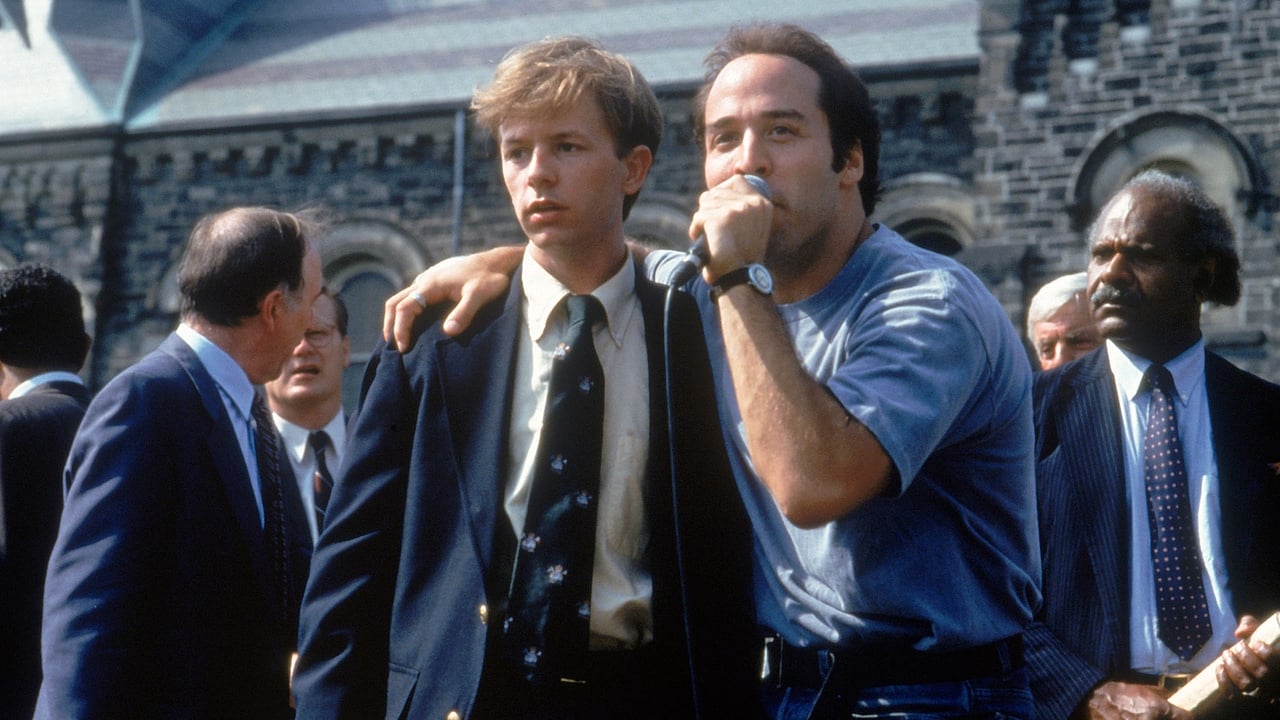
There's a certain unfiltered energy to mid-90s comedies that feels almost charmingly abrasive now, and PCU captured that specific strain of collegiate chaos with gusto. It didn't pull punches, wasn't afraid to be a little dumb, and somehow managed to lampoon the burgeoning culture wars of the era without getting bogged down in tedious lectures. This wasn't Dead Poets Society; this was the movie playing on the crappy TV in the common room after everyone got kicked out of the library.
### Welcome to Port Chester
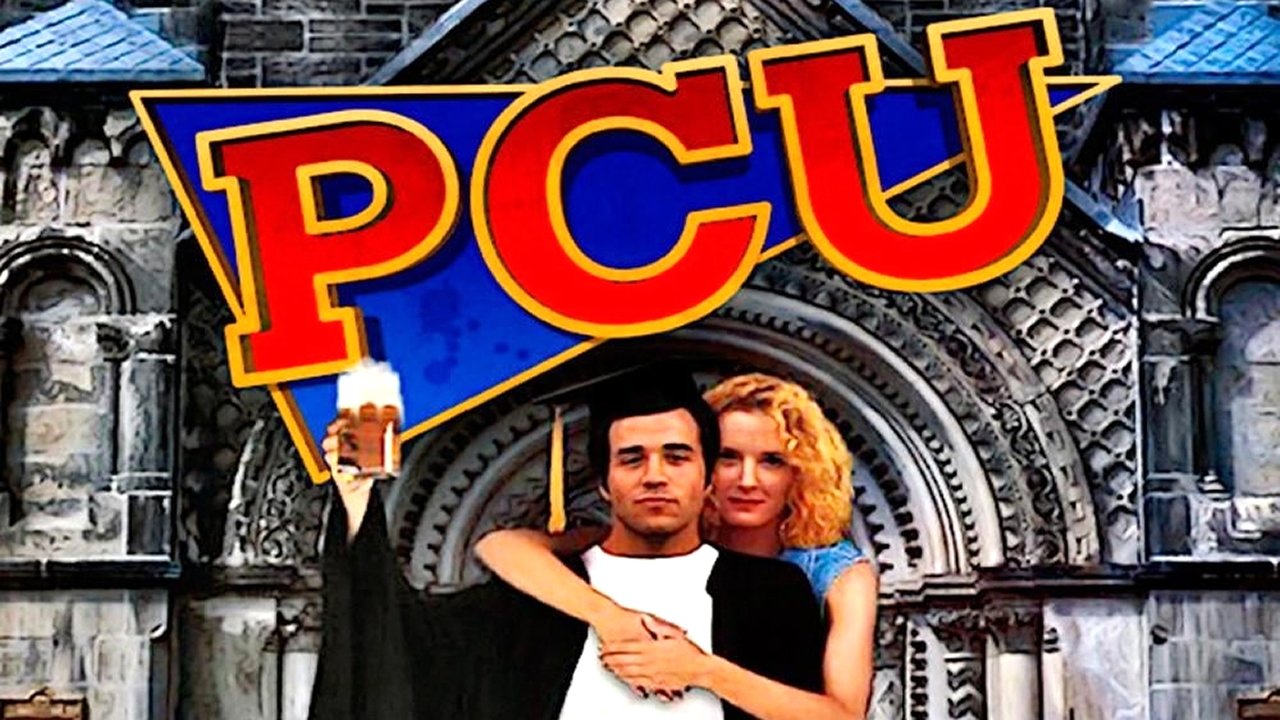
The premise is simple enough: straight-laced preppy prospect Tom Lawrence (Chris Young) arrives for his pre-frosh visit at Port Chester University, only to find his assigned host is none other than Droz (Jeremy Piven), the fast-talking, perpetually scheming president of 'The Pit' – a defunct, co-ed fraternity house that stands as the last bastion against rampant political correctness and administrative overreach. Tom wants a normal college experience; Droz and his crew just want to keep their house from being shut down by the uptight President Garcia-Thompson (Jessica Walter, bringing her signature icy authority years before Arrested Development) and the perpetually offended student groups.
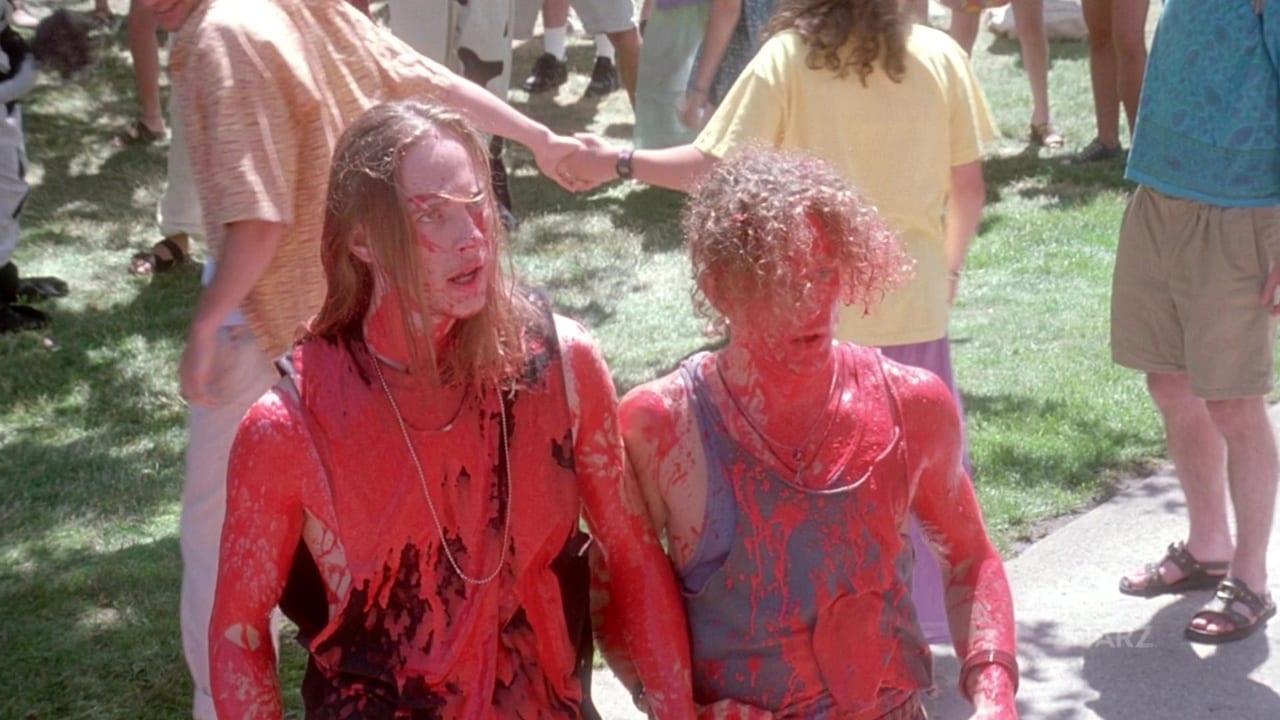
What follows is less a structured plot and more a series of escalating pranks, confrontations, and genuinely funny set pieces. Remember the various campus factions? The Womynists ("Don't syllable-ize!"), the Causeheads protesting anything and everything, the uptight preppies of 'Balls and Shaft'? PCU throws them all into a blender, adds a dash of slacker apathy, and hits 'pulverize'. It's a snapshot of that weird moment in the 90s when identity politics were just starting to bubble up in mainstream conversation, and the film skewers it all with a broad, sometimes clumsy, but often very funny brush.
### Piven Unleashed and Campus Legends
Let's be honest, the main reason this movie pops off the magnetic tape is Jeremy Piven. Long before Ari Gold, Piven's Droz is a masterclass in controlled chaos. He’s effortlessly cool, armed with a never-ending supply of sarcastic quips and questionable plans. He commands the screen with an energy that holds the whole ramshackle affair together. Watching him navigate the campus minefield, often creating the explosions himself, is pure joy. Interestingly, the character and the film's vibe were partly inspired by the writers' own experiences at Wesleyan University, adding a thin layer of 'truthiness' to the absurdity.
The supporting cast is a goldmine of 90s talent, too. A young David Spade delivers peak Spade-ness as the ultra-cynical Rand McPherson, dripping contempt for everything around him. And look closely in The Pit – that’s Jon Favreau as Gutter, long before he stepped behind the camera for Iron Man (2008)! Seeing these future heavyweights in these early, less polished roles is part of the fun. The film was directed by Hart Bochner, perhaps better known to many of us as the smarmy Ellis in Die Hard (1988), and he brings a certain freewheeling, slightly scuzzy aesthetic that feels perfectly suited to the material. It feels like it was made by people who remembered college parties like this, not just observing them.
### That Authentic 90s Grunge Feel
PCU wasn't a big-budget spectacle. Made for around $8 million, it didn't exactly light the box office on fire upon release, barely scraping back over $4 million domestically. Critics mostly hated it, dismissing it as juvenile and messy. But oh, how it found its true life on VHS and cable! This was the kind of movie you discovered late at night, passed around between friends, quoting lines endlessly ("Don't be that guy!"). Its cult status is well-earned. That lower budget actually works in its favor; The Pit looks authentically run-down, the parties feel cramped and sweaty, and the whole thing has a pleasingly unvarnished texture. Much of it was filmed on location at the University of Toronto, giving the campus chaos a tangible backdrop.
And the soundtrack! It's a perfect time capsule of mid-90s alternative rock – Mudhoney, Redd Kross, The Breeders – blasting out of dorm rooms and car stereos. It anchors the film firmly in its era. Speaking of music, how about that climactic party? The sheer audacity of booking George Clinton and Parliament-Funkadelic to save the day is hilariously perfect. Seeing the funk legend himself leading the charge against the squares is an unforgettable moment of glorious absurdity. Can you imagine pulling off a cameo like that today without it feeling forced?
### Still Worth Ejecting the Tape For?
Okay, let's be real. Is PCU high art? Absolutely not. Does every joke land perfectly thirty years later? Definitely not. Some of the humor feels dated, a product of a less sensitive, more bluntly satirical time. But judged on its own terms – as a raucous, anti-establishment campus comedy from the heart of the Clinton years – it absolutely delivers. It’s got genuine laughs, memorable characters, and that specific, slightly grimy charm that so many slicker, modern comedies lack. There are no CGI-enhanced gags here, just pure, unadulterated 90s attitude.
Rating: 7/10
Justification: PCU earns a solid 7 for its sheer rewatchability, Piven's iconic performance, its surprisingly sharp (if broad) satire of 90s campus culture, and its enduring cult status. It overcomes its modest budget and sometimes scattershot plot with infectious energy and quotable lines. It perfectly captures a specific moment and mood, even if some elements haven't aged gracefully. It's flawed, sure, but undeniably fun.
Final Take: PCU is like finding that favorite old band t-shirt crumpled in the back of your closet – maybe a little worn, maybe slightly embarrassing in spots, but slipping it on still feels undeniably good. A pure blast of 90s cynical fun that knew exactly what it was. Now, who's got the frisbee?