Okay, fellow cinephiles, let's rewind the tape. Some films arrive like a perfectly tailored suit, every seam precise, every element fitting flawlessly. Others burst onto the scene like an avant-garde runway show – chaotic, overwhelming, perhaps even baffling, yet undeniably pulsing with a strange, vibrant energy. Robert Altman’s 1994 sprawling satire Prêt-à-Porter (or Ready to Wear, as the slightly more accessible US title tried to pitch it) definitely belongs in the latter category. Pulling this one off the shelf at the video store back in the day often felt like a gamble – would it be another Altman masterpiece like The Player (1992), or something… else?
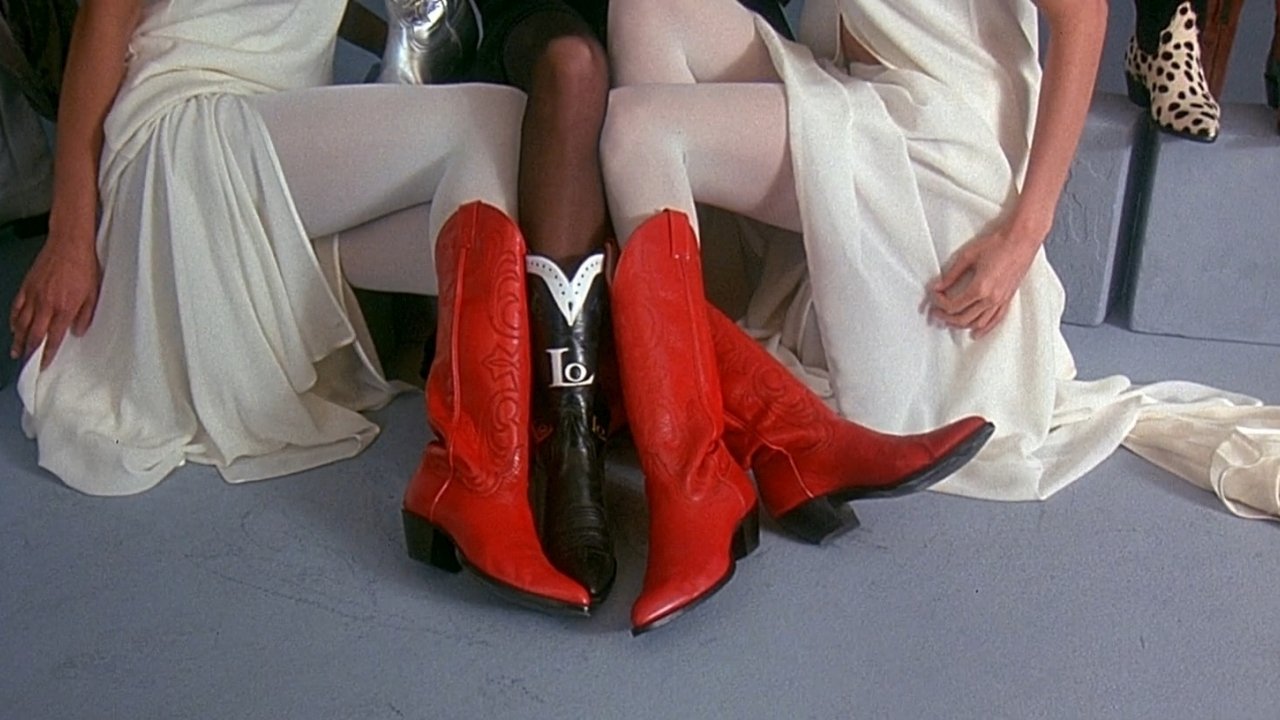
A Whirlwind Tour of Fashion's Absurdity
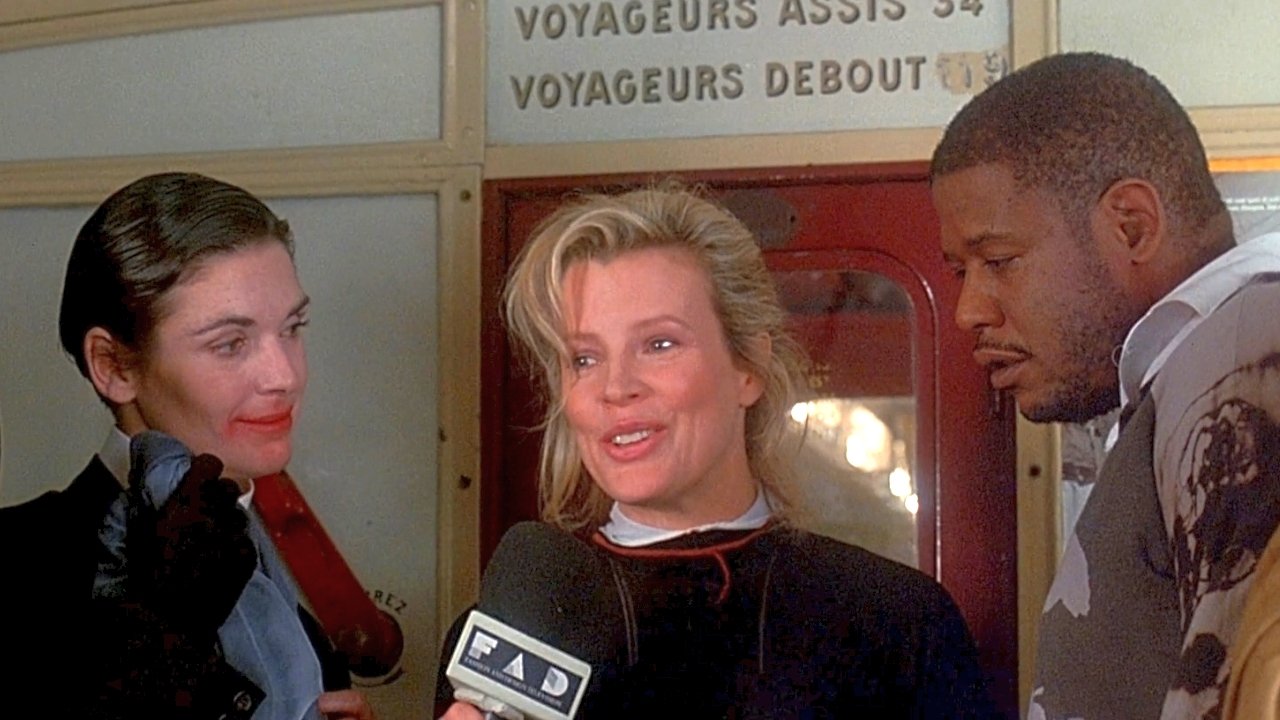
Set against the frenetic backdrop of Paris Fashion Week, Prêt-à-Porter doesn't bother with a conventional plot. Instead, Altman, working with co-writer Barbara Shulgasser, unleashes his signature roving camera and overlapping dialogue on a dizzying array of characters: designers grappling with creative block (Forest Whitaker), rival magazine editors locked in perpetual warfare (Sally Kellerman, Tracey Ullman, Linda Hunt), clueless American reporters (Julia Roberts, Tim Robbins) stuck sharing a hotel room and eventually clothes, a perpetually flustered TV fashion host (Kim Basinger delivering a masterclass in comedic obliviousness as Kitty Potter), and even a mysterious Russian tailor reconnecting with his long-lost love (Marcello Mastroianni and the luminous Sophia Loren). It's less a story and more an immersion into a world fueled by champagne, air kisses, and existential dread disguised as haute couture. A sudden death provides a flimsy narrative thread, mostly serving as an excuse for investigator Stephen Rea to wander through the chaos, observing the beautiful absurdity.
The Altman Method: Controlled Chaos?
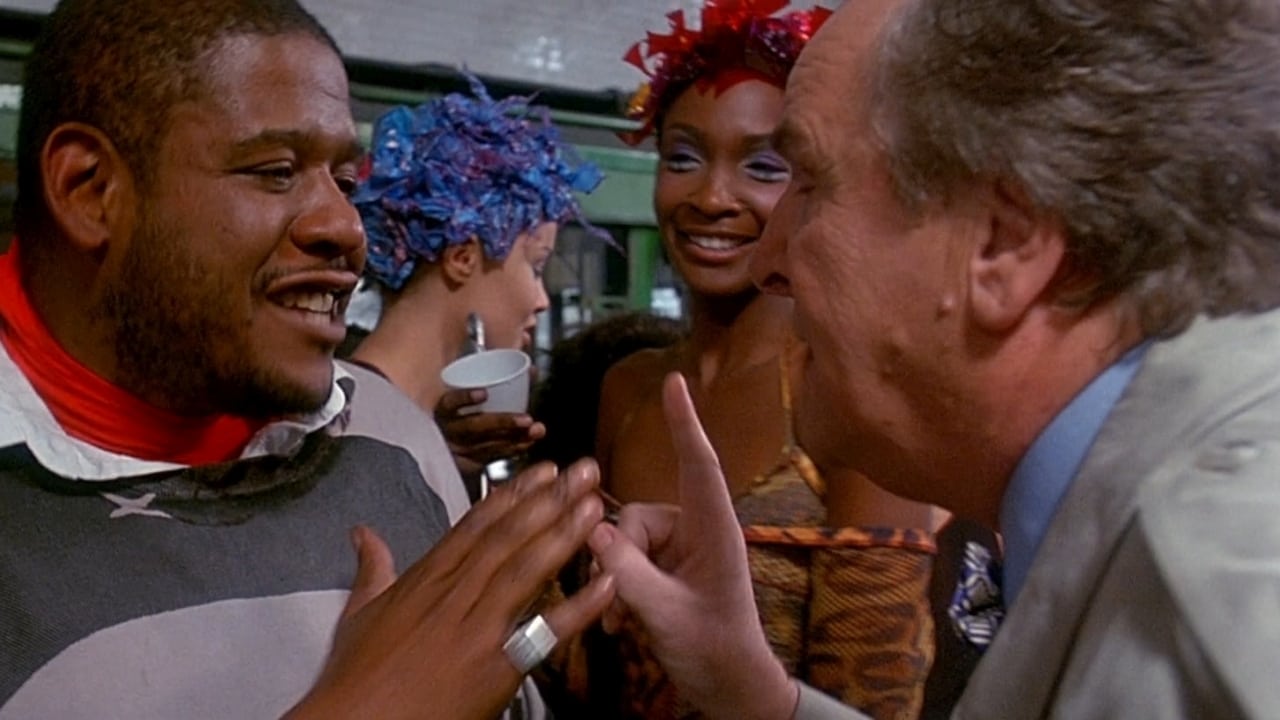
This is pure, unadulterated Altman. If you loved the sprawling casts and seemingly improvised feel of Nashville (1975) or Short Cuts (1993), you'll recognize the DNA here. The camera weaves through parties, backstage areas, and runway shows, eavesdropping on snippets of conversation, capturing fleeting moments of connection or conflict. The effect is meant to be kaleidoscopic, reflecting the superficiality and sensory overload of the fashion world itself. Does it always work? Honestly, sometimes it feels less like controlled chaos and more like… well, just chaos. Keeping track of the dozens of storylines can be exhausting, and the satire, while occasionally sharp, sometimes feels blunt or scattershot. It bites, but it doesn't always draw blood.
Faces in the Crowd
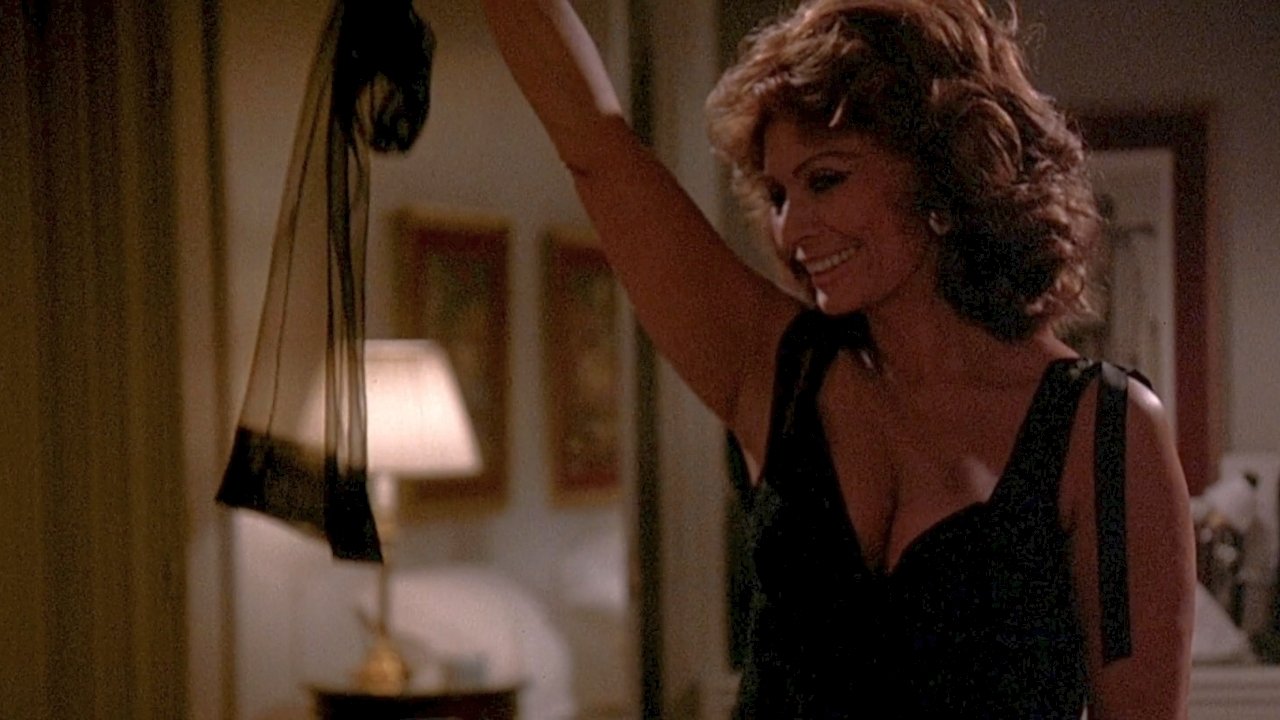
With such a vast ensemble, it's inevitable that some characters get lost in the shuffle. Yet, there are definite highlights. The reunion of Italian screen legends Marcello Mastroianni and Sophia Loren provides the film's emotional anchor. Their scenes together, tinged with regret and rekindled affection, offer moments of genuine warmth amidst the surrounding cynicism. Their storyline, involving lost love and eventually a shared meal of simple pasta, feels like a quiet refuge from the fashion frenzy. Kim Basinger is genuinely hilarious as Kitty Potter, her wide-eyed enthusiasm and journalistic incompetence providing some of the film's biggest laughs. And Rupert Everett is perfectly cast as a bitchy, ambitious young designer. Others, like Roberts and Robbins, feel a bit stranded in their hotel room subplot, though their eventual predicament offers a decent comedic payoff.

Retro Fun Facts: Behind the Seams
- Life Imitates Art: Altman famously shot much of the film during the actual Paris Fashion Week in the spring of 1994. This lent an undeniable authenticity (and access to real locations and runway shows) but also created logistical headaches. Imagine trying to coordinate dozens of movie stars amidst the real chaos of designers, models, and press!
- Cameo Overload: Beyond the starry main cast, the film is packed with cameos from the actual fashion world – designers like Jean-Paul Gaultier, Christian Lacroix, Issey Miyake, and Sonia Rykiel appear, alongside supermodels like Naomi Campbell, Christy Turlington, Linda Evangelista, and Helena Christensen. Spotting them became part of the viewing experience.
- Budget vs. Buzz: Coming off critical hits, Miramax invested a reported $20 million in Prêt-à-Porter. However, the film failed to connect with audiences, grossing only around $11.3 million domestically. Critics were sharply divided, with many finding it a pale imitation of Altman's earlier, tighter ensemble pieces.
- Title Tussle: The original title Prêt-à-Porter ("Ready to Wear" in French) likely felt too alienating for American audiences, leading to the more direct (and less evocative) US title, Ready to Wear.
- That Ending: The film culminates in a notorious runway show featuring models walking completely nude. Altman intended it as a provocative statement on the industry's obsession with image (the Emperor Has No Clothes, literally), but it certainly raised eyebrows and likely caused some friction with the ratings board back in '94. It was a "did they really just do that?" moment that people talked about, even if they didn't love the film overall.
- Traffic Jam Truth: Mastroianni's character getting hilariously stuck in Parisian traffic was reportedly inspired by Altman's own frustrating experiences navigating the city during Fashion Week.
Was It Worth the Rental Fee?
Watching Prêt-à-Porter on VHS back in the day felt... overwhelming. The intricate tapestry Altman wove perhaps didn't translate perfectly to the smaller CRT screen, making the sprawling cast even harder to track. I remember renting it, excited by the cast and the promise of Altman's wit, and feeling a bit bewildered afterwards. It wasn't bad, exactly, just… a lot. It lacked the emotional core of Short Cuts or the sharp narrative hook of The Player.
Yet, looking back, there's an undeniable charm to its ambitious messiness. It captures a specific moment – the hyper-glamorous, slightly absurd peak of mid-90s fashion culture – with Altman's signature observational eye. Does its satire still hold up? In a world now saturated with influencers and fast fashion, perhaps its critique of superficiality feels almost quaint, yet still relevant. What does it say about our obsession with appearance, with the surfaces we present to the world?
Rating: 6/10
Prêt-à-Porter is undeniably flawed. It's overlong, unfocused, and bites off far more than it can chew. The satire is uneven, and many storylines feel underdeveloped. However, it's also visually dazzling, features moments of brilliance from its incredible cast (especially Mastroianni and Loren), and possesses that unmistakable Altman energy. It’s a bold, if ultimately unsuccessful, experiment from a master filmmaker daring to capture lightning in a bottle. The 6 rating reflects its ambition, flashes of brilliance, and sheer audacity, tempered by its narrative sprawl and inconsistent tone. It earns points for trying something so unique, even if it doesn't quite land perfectly.
Final Thought: Like a wildly experimental runway piece, Prêt-à-Porter might not be conventionally satisfying, but you have to admire the sheer, unadulterated nerve behind its creation. It remains a fascinating, frustrating, and utterly unique entry in the Robert Altman catalogue – a messy snapshot of a moment, forever preserved on those chunky VHS tapes.