Alright, fellow tapeheads, let’s rewind to that glorious late-90s feeling. You’re scanning the New Releases wall at Blockbuster, maybe Hollywood Video if you were lucky, and boom – there it is. That familiar, jagged font: From Dusk Till Dawn. But wait… 2? Texas Blood Money? Your heart does a little leap. More Santanico Pandemonium? More Gecko brothers-style chaos? You grab the box, maybe glance at the slightly less-star-studded cast list on the back, and figure, "Hey, how bad can it be?"
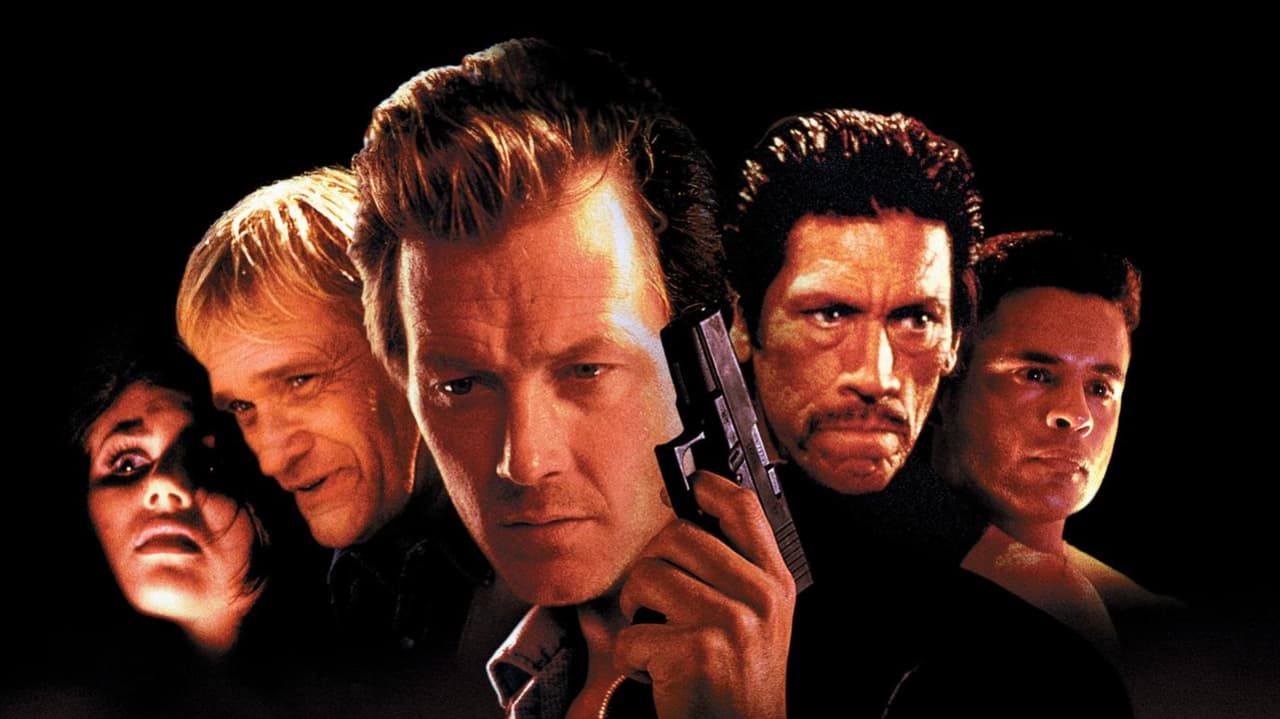
Released straight-to-video in 1999, From Dusk Till Dawn 2: Texas Blood Money is exactly the kind of sequel that populated those rental shelves – a familiar name promising more of what you loved, delivered with a decidedly different, often lower-budget, flavour. And you know what? Sometimes, that flavour hit the spot late on a Saturday night with a bowl of popcorn and the tracking slightly off on your trusty VCR.
### More Heist Than Horror (At First)
Unlike its predecessor's sharp mid-movie U-turn, Texas Blood Money signals its supernatural intentions much earlier, though it initially leans more into the dusty crime thriller side of things. We follow Buck (Robert Patrick, bringing that intense T-1000 stare but channeling it into a weary heist leader), who’s breaking out of a Mexican jail (supposedly) to reunite his old gang for one last score: robbing a ridiculously insecure bank south of the border. His crew includes the twitchy C.W. (Muse Watson, before he was Gibbs' mentor on NCIS), the gambling-addicted Jesus (Raymond Cruz, years before Tuco Salamanca), the hulking Luther (Duane Whitaker, who also co-wrote this installment), and the requisite loose cannon, Ray Bob (Brett Harrelson, yes, Woody's brother).
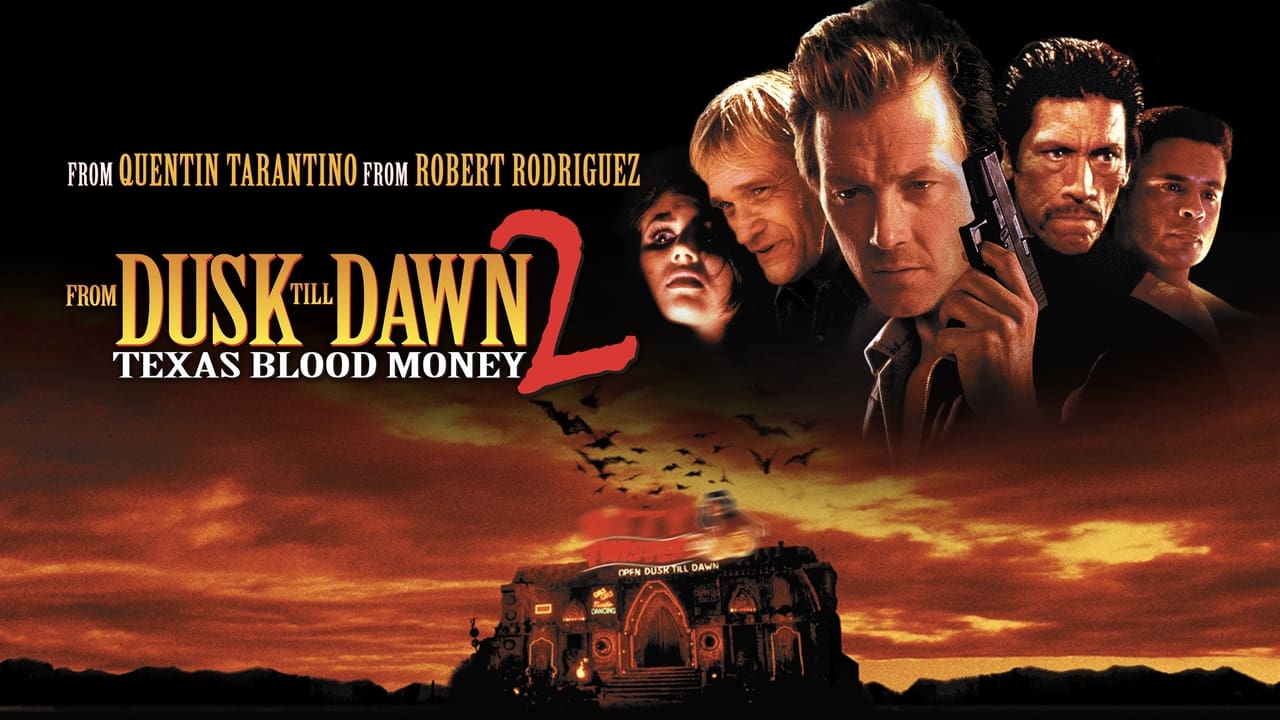
The setup is pure B-movie pulp: assembling the team, casing the joint, the inevitable double-cross simmering just beneath the surface. Scott Spiegel, who co-wrote the absolutely legendary Evil Dead II (1987) with Sam Raimi, takes the director's chair here, and you can occasionally feel that scrappy, low-budget energy he honed alongside Raimi. The dialogue has flashes of that wannabe-Tarantino swagger, though it doesn't quite land with the same effortless cool as the original script. It’s more functional, pushing the plot towards the inevitable vampiric collision.
### When Bats Hit the Fan
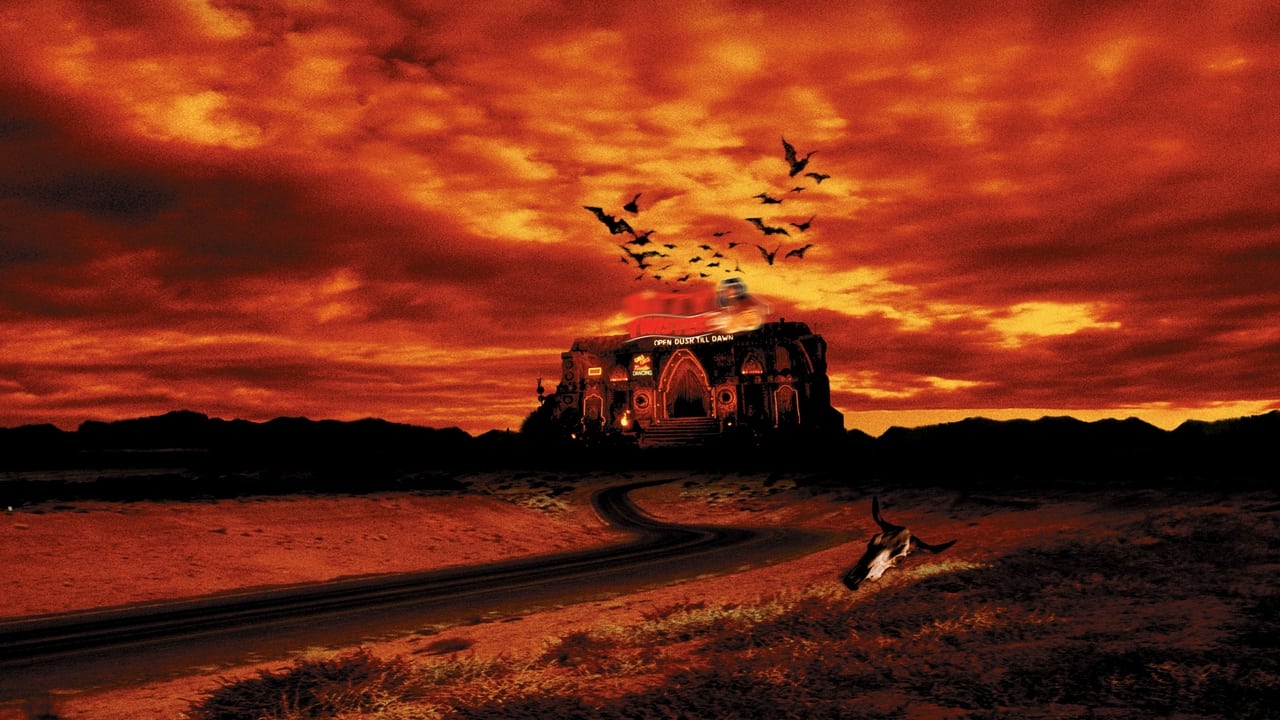
The shift happens when Luther, scouting escape routes, has a rather unfortunate encounter with a bat near a familiar-looking trucker bar (no prizes for guessing which one). This encounter involves a truly memorable, if slightly goofy, practical effect where the bat essentially dive-bombs into his face. Gotta love that late-90s DTV commitment! Soon enough, Luther’s feeling… different. And one by one, the heist plan starts to get seriously derailed by newfound thirsts and pointy teeth.
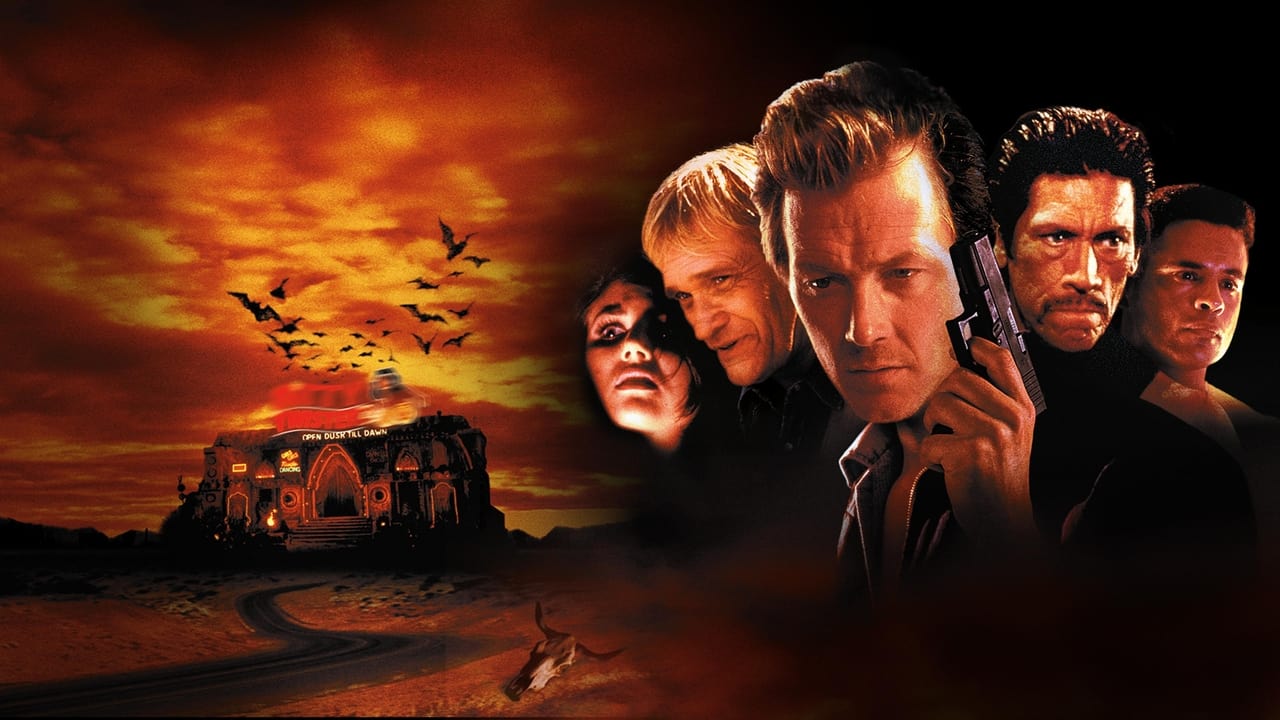
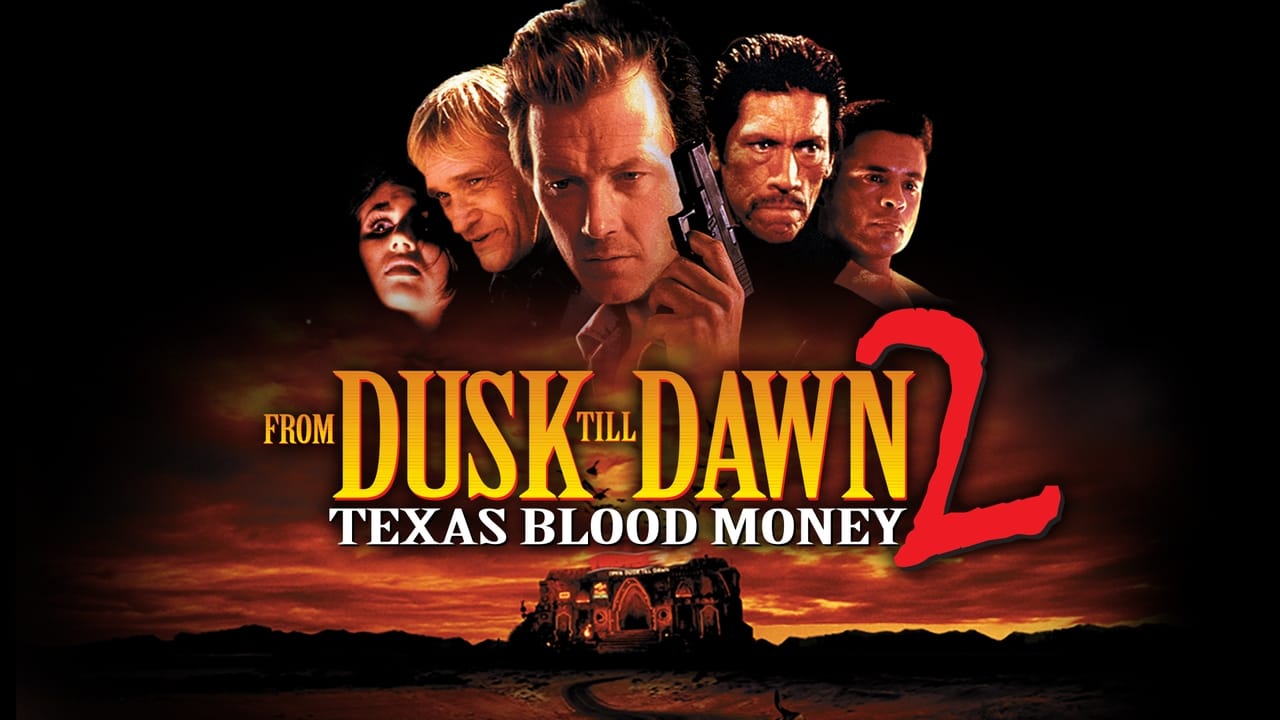
This is where the film finds its groove, such as it is. It becomes less about the money and more about survival as Buck and the veteran Texas Ranger, Otis Lawson (Bo Hopkins, adding some welcome grizzled authority), realize they aren’t just dealing with untrustworthy partners anymore. The action ramps up, though it's more contained than the Titty Twister free-for-all. Remember how raw those squib hits and shotgun blasts felt back then? Texas Blood Money tries to capture some of that practical grit. There’s plenty of messy gunplay, some decent stake-through-the-heart moments, and gooey vampire disintegration effects that, while maybe not Greg Nicotero's A-game from the original, still have that tangible, physical quality CGI often lacks.
A fun retro tidbit: This was filmed primarily in South Africa, a common trick in the 90s for productions looking to stretch their budgets (reportedly around $5 million, a fraction of the original's $19 million) while still getting that dusty, border-town aesthetic. You can almost feel the crew working hard to make every rand count on screen.
### Patrick Carries the Load
Robert Patrick is undeniably the anchor here. Fresh off iconic roles like the T-1000 in Terminator 2: Judgment Day (1991) and his stint on The X-Files, he brings a stoic intensity that grounds the film. He plays Buck straight, a man caught in an increasingly insane situation, and it works. Duane Whitaker clearly has fun chewing the scenery once Luther turns, and Bo Hopkins lends the proceedings a touch of old-school cool as the lawman who’s seen too much.
The direction from Spiegel leans into canted angles and quick cuts during the chaos, echoing some of that Evil Dead energy, but it lacks the sheer gonzo invention of his earlier work or the stylish flair Robert Rodriguez brought to the first film. The score is serviceable genre stuff, hitting the expected beats but rarely elevating the tension in the way the original's rock-infused soundtrack did.
### A Worthy Rental Relic?
Look, From Dusk Till Dawn 2: Texas Blood Money was never going to recapture the lightning-in-a-bottle magic of the Tarantino-Rodriguez original. It arrived with little fanfare on video store shelves, destined to be discovered by fans hungry for more vampire-crime mashups. Critics mostly ignored it, but for viewers cruising the aisles for some uncomplicated action and creature-feature thrills, it probably delivered exactly what the box promised. It even spawned another DTV sequel, From Dusk Till Dawn 3: The Hangman's Daughter (1999), a prequel exploring the origins of Santanico Pandemonium, released the same year.
Is it a masterpiece? Absolutely not. Is it dated? Oh, definitely. But does it have that specific charm of late-90s direct-to-video filmmaking – the earnest practical effects, the slightly clunky dialogue, the recognizable genre actors giving it their all on a limited budget? You bet it does. I remember renting this tape, the slightly worn clamshell case feeling familiar in my hands, and getting a perfectly decent dose of bloody B-movie fun.
Rating: 5/10
Justification: It's a competent, if unremarkable, sequel that understands the basic ingredients (crime, vampires, dust) but lacks the spice and budget of the original. Robert Patrick elevates it, and the practical effects have a certain retro appeal, but the script and execution are strictly DTV level. It delivers modest genre thrills but doesn't leave a lasting impression beyond being "that other From Dusk Till Dawn movie."
Final Thought: Texas Blood Money is like finding a generic brand cola that vaguely tastes like the real thing – not quite as satisfying, but sometimes, it quenches the thirst just enough for a late-night viewing from the dusty VHS vault.