The grainy static clears, not to the familiar hum of a worn tape, but to the echoing ping of sonar cutting through imagined silence. Below the waves, during one of history's most nail-biting standoffs, something far older and less predictable stirs. Octopus (2000) isn't whispered about in hushed tones like some cryptic folk horror, but catching it late at night on some flickering channel, or pulling its lurid cover from a dusty video store shelf, conjured its own specific brand of turn-of-the-millennium dread: trapped, deep underwater, with something monstrous knocking at the door.
Cold War, Colder Depths
Forget subtle chills; Octopus dives straight into high-stakes B-movie territory. We're aboard the USS Roosevelt, a nuclear submarine navigating the treacherous waters of the Cuban Missile Crisis in 1962. Tensions with a nearby Soviet sub are already simmering when a hijacked passenger ship carrying a former CIA spook with dangerous intel complicates matters. But the real threat isn't nuclear annihilation or espionage; it's a colossal, eight-armed cephalopod, likely mutated by Cold War-era carelessness (the film is delightfully vague on specifics), that decides this particular patch of ocean is its personal hunting ground. The premise is pure pulp, a glorious collision of techno-thriller claustrophobia and creature feature mayhem, the kind of audacious concept that defined the direct-to-video boom of the late 90s and early 2000s.
The submarine setting is, naturally, the film's strongest asset for generating atmosphere. Director John Eyres, no stranger to contained genre thrills after helming the Project Shadowchaser series, understands the power of confinement. Bulkheads sweat, alarms blare, and the constant awareness of the crushing water pressure outside adds a palpable layer of tension. Even when the dialogue dips into cliché or the plot takes convenient turns, the inherent vulnerability of being trapped in a tin can at the bottom of the sea with something trying to get in remains effective. It taps into that primal fear of the unseen depths, a fear magnified by the knowledge that escape is measured in fathoms, not footsteps.
Tentacles of Terror (and Early CGI)
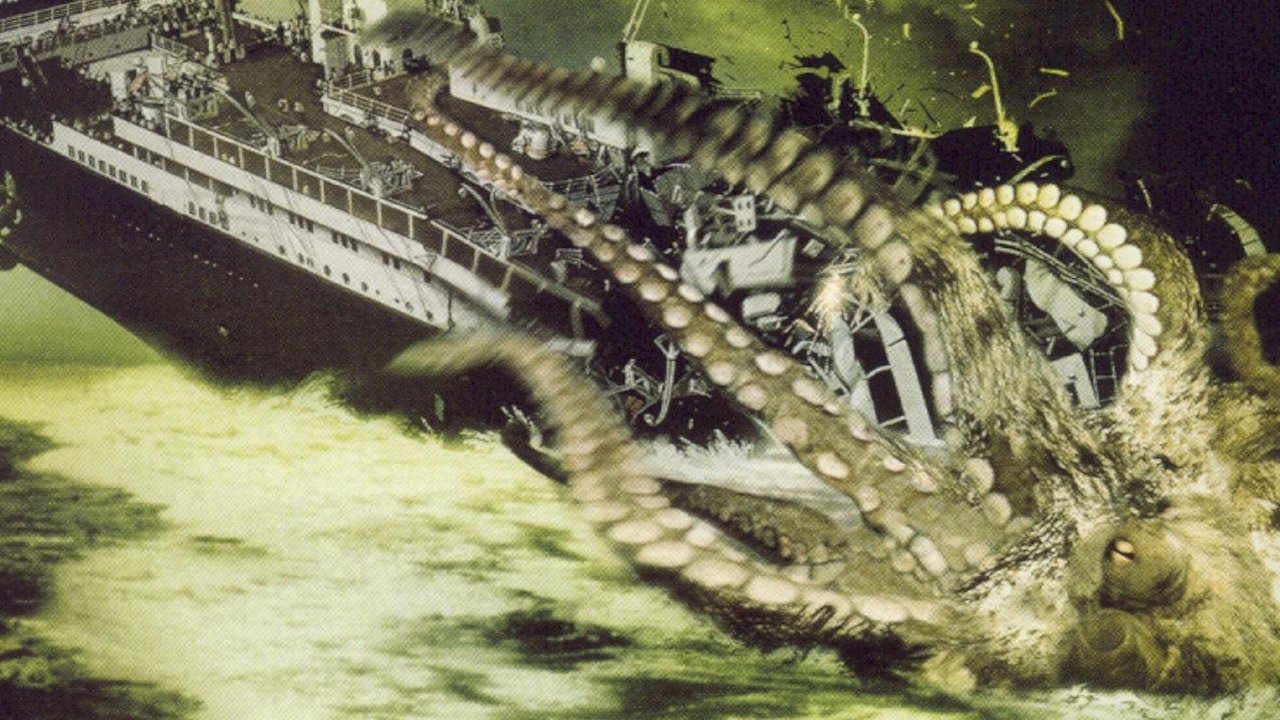
Let's talk about the star: the octopus itself. Realized through a combination of practical effects and the kind of early digital wizardry that screams "Year 2000," the creature is… well, it’s certainly present. There are moments, particularly glimpses of massive tentacles smashing through reinforced glass or wrapping around the sub's hull, that carry a genuine jolt of B-movie power. Remember the sheer size they managed to convey, even with limited resources? The CGI, viewed today, possesses that slightly rubbery, detached quality common to its era, occasionally pulling you out of the moment. Yet, there's an undeniable charm to it, a nostalgic reminder of a time when filmmakers were grappling with new tools to bring impossible monsters to life on tight budgets. Does the monster design still feel unnerving? Perhaps not in a sophisticated way, but its relentless, brute-force attacks on the submarine maintain a certain primitive menace.
This was very much a product of the Nu Image/Millennium Films factory, spearheaded by producers Boaz Davidson and Danny Lerner, who practically built an empire on delivering cost-effective action and genre fare. Like many of their productions (Spiders, Crocodile, the Shark Attack sequels that infested video stores around the same time), Octopus was filmed economically in Bulgaria. You can almost feel the budgetary constraints dictating the scope, focusing the action within the submarine sets and relying on quick cuts and suggestive chaos during the creature attacks. There's a certain blue-collar ingenuity to films like this, squeezing every drop of spectacle from limited means.
Faces in the Pressure Cooker
Leading the human drama is Jay Harrington as Roy Turner, the courageous trainee sub driver who inevitably steps up. Harrington, who would later find more prominent roles in television comedies like Better Off Ted and dramas like S.W.A.T., brings a capable, square-jawed presence that anchors the chaos. He’s flanked by David Beecroft as the stalwart Captain and Ravil Isyanov chewing scenery effectively as the potentially treacherous Soviet counterpart trapped alongside the Americans. The performances are largely functional, hitting the expected beats of panic, resolve, and military jargon, but they serve the pulpy narrative well enough. No one is aiming for Oscars here; they're trying to survive a giant octopus attack during a global crisis, and the cast leans into the heightened reality with gusto.
The script, co-written by Michael D. Weiss alongside Davidson and Lerner, doesn't shy away from B-movie logic. Characters make convenient decisions, scientific accuracy takes a backseat to tentacle-based action, and the Cold War subplot feels more like set dressing than a deeply explored theme. Yet, it moves at a brisk pace, rarely allowing the audience time to question the absurdity too deeply before the next emergency erupts. Isn't that part of the fun of these late-night creature features?
The Verdict
Octopus isn't a lost classic, nor is it a film that transcends its B-movie roots. It’s a creature feature comfort food, a relic from the twilight of the VHS era and the dawn of accessible CGI. It delivers exactly what its cover promises: submarine tension, Cold War flavor, and a giant octopus causing havoc. The effects are dated, the plot is predictable, but the claustrophobic setting works, and there’s an earnest energy to its monster mayhem that’s hard to dislike if you have affection for this specific brand of genre filmmaking. I distinctly remember renting flicks like this, hoping for cheesy thrills, and Octopus delivers on that promise, albeit with a few barnacles attached.
Rating: 5/10
Why this score? Octopus gets points for its effective use of the submarine setting to build tension and for delivering entertainingly brazen creature feature action within its budget. It fulfills the promise of its goofy premise. However, it loses points for its predictable plot, often unconvincing early CGI, and generally stock characters. It's a perfectly average, enjoyable example of its specific niche – the turn-of-the-millennium DTV monster movie.
Final Thought: While it won't haunt your nightmares, Octopus remains a fun, unpretentious dive into aquatic monster territory, a perfect slice of nostalgia for anyone who remembers scanning video store shelves for the most outrageous creature concepts the early 2000s had to offer. Sometimes, you just want to see a giant octopus fight a submarine, and Octopus understands that desire completely.