It begins not with a whisper, but with a series of narrative bangs – tales of astonishing coincidence, narrated with the breathless authority of a Ripley's Believe It or Not! segment. This audacious prologue to Paul Thomas Anderson's sprawling 1999 opus, Magnolia, isn't just a quirky framing device; it's the film's mission statement laid bare. We're entering a world where the improbable happens, where lives brush against each other in ways both mundane and miraculous, often driven by forces unseen. Watching it again now, years removed from its original release – perhaps remembering the satisfying thunk of its hefty VHS tape(s) sliding into the VCR – its ambition feels even more staggering.
An Emotional Mosaic
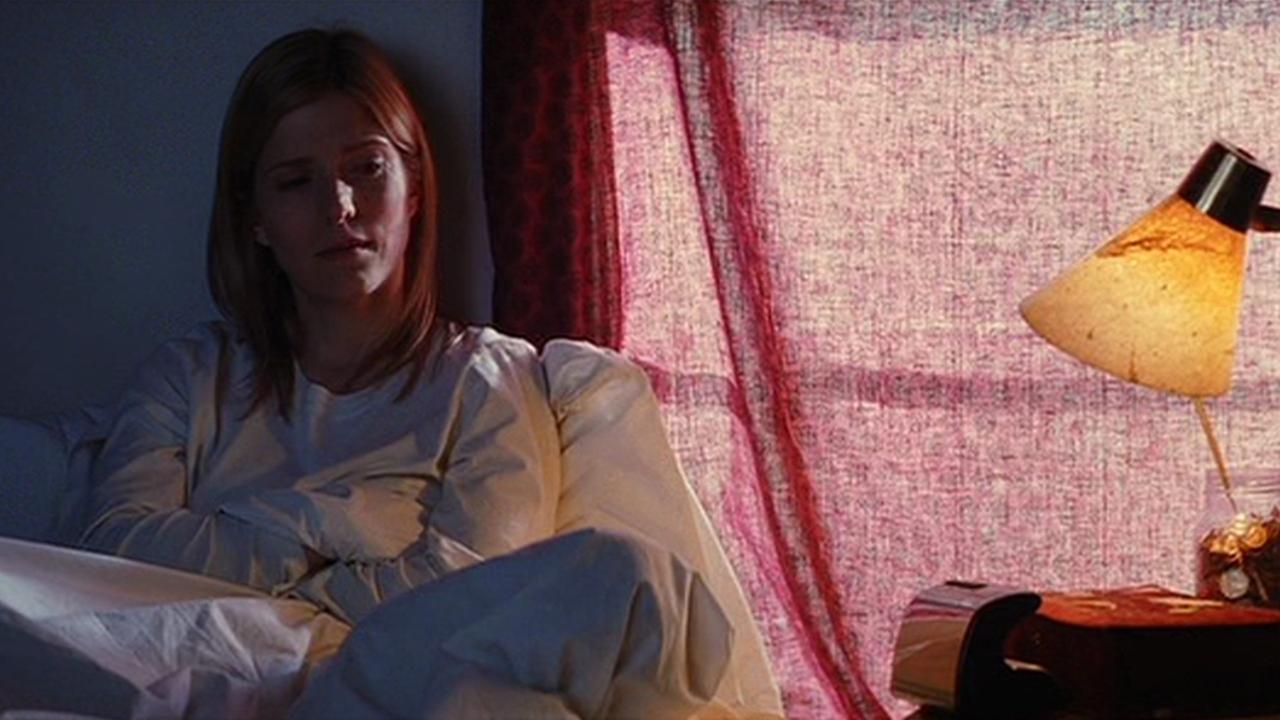
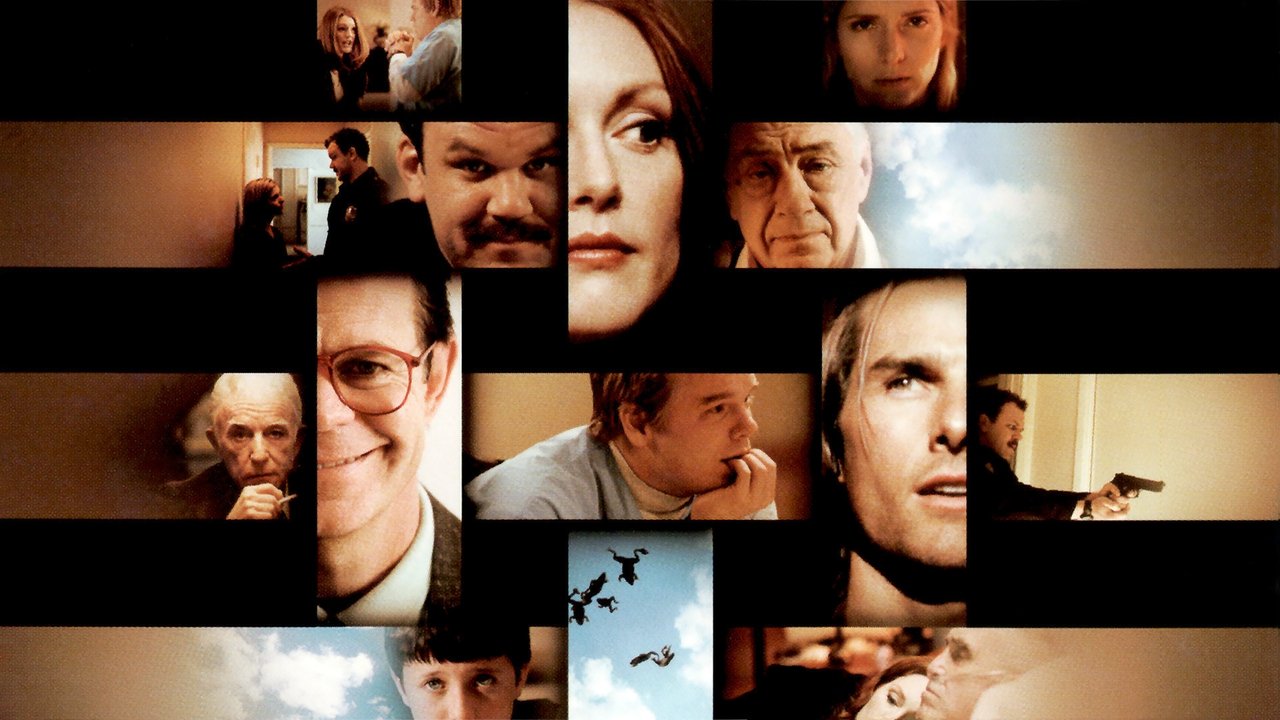
Set over roughly 24 hours in the sun-baked expanse of the San Fernando Valley (a recurring canvas for PTA, who had just stunned audiences with Boogie Nights two years prior), Magnolia weaves together nearly a dozen distinct storylines. There's the dying television mogul Earl Partridge (Jason Robards, in a heartbreaking final performance) tended by his empathetic nurse Phil Parma (Philip Seymour Hoffman); Earl's estranged, vitriolic self-help guru son Frank T.J. Mackey (Tom Cruise); Earl's younger, guilt-ridden wife Linda (Julianne Moore); the former child quiz show champion Donnie Smith (William H. Macy), now adrift and desperate; the current quiz whiz Stanley Spector (Jeremy Blackman) buckling under pressure; the kindly cop Jim Kurring (John C. Reilly) searching for connection; and Earl's estranged, cocaine-addicted daughter Claudia (Melinda Dillon), tentatively pursued by Jim. It sounds like a lot, and frankly, it is. But Anderson, working from his own intricately layered script, conducts this symphony of despair and tentative hope with astonishing confidence.
The Weight of Truth in Performance

What prevents Magnolia from collapsing under its own narrative weight is the sheer, unvarnished honesty of the performances. This isn't just acting; it feels like witnessing exposed nerves. Tom Cruise, stepping far outside his established action-hero persona, delivers a performance of terrifying intensity as Frank Mackey. The infamous seminar sequence, prowling the stage spewing misogynistic bile, is electrifying, but it’s the later scenes, where the bravado cracks to reveal the wounded child beneath, that truly resonate. It was a gamble for Cruise, reportedly taking a significantly lower salary for the role, and it paid off, earning him an Oscar nomination and showcasing a raw vulnerability many hadn't seen before.
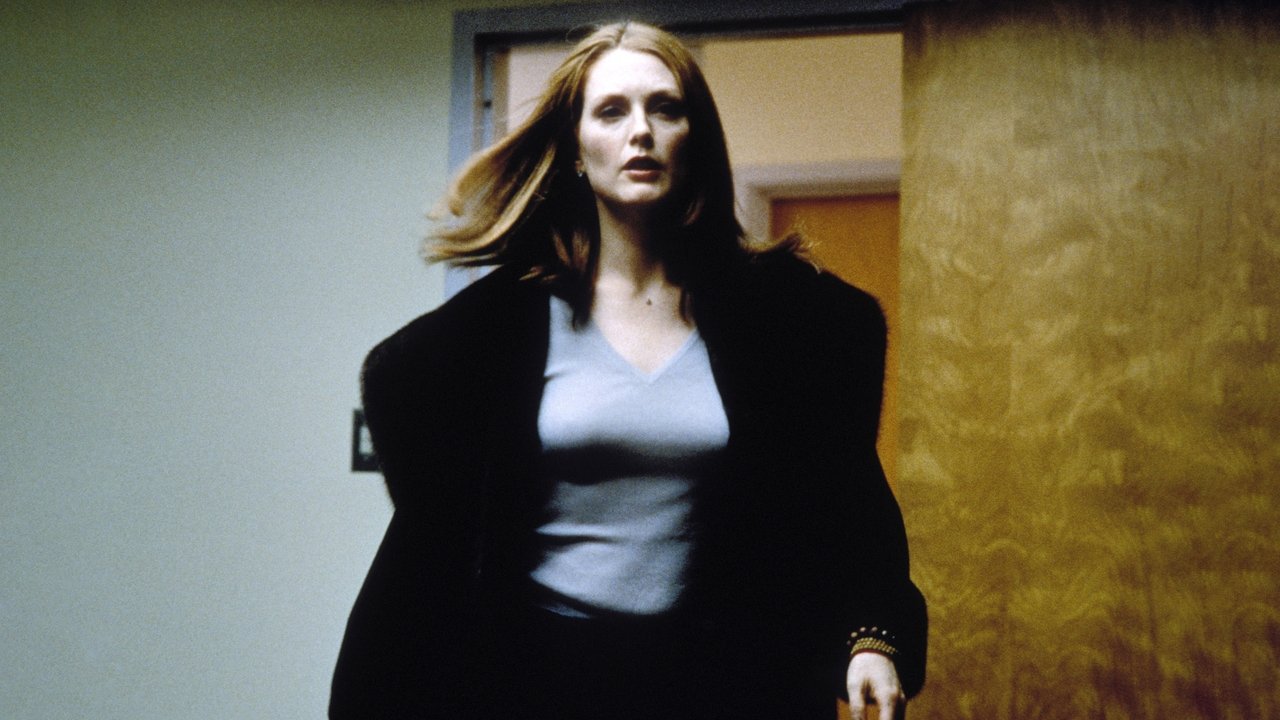
Equally shattering is Julianne Moore as Linda. Her pharmacy meltdown is a masterclass in unraveling, a portrait of anguish so potent it's almost difficult to watch. Moore embodies the suffocating weight of regret and self-loathing. And then there's Philip Seymour Hoffman, the film's quiet moral centre. As Phil, his gentle determination to reunite a dying father with his lost son provides moments of grace amidst the surrounding chaos. His scenes are imbued with a profound empathy that anchors the film's emotional core. Every actor, down to the smallest role, feels perfectly cast and utterly committed to Anderson's vision.
Sound and Fury, Signifying Everything
Anderson's direction is dynamic, employing long takes, sudden shifts in tone, and a restless camera that mirrors the characters' inner turmoil. The film is visually and sonically dense, demanding attention. A key element, impossible to overstate, is the music of Aimee Mann. Anderson has openly stated that Mann's songs were not just accompaniment but a fundamental inspiration for the screenplay itself. Tracks like "Wise Up" (featured in that unforgettable, haunting sequence where the main characters sing along in their separate isolations) and the Oscar-nominated "Save Me" aren't just soundtrack cues; they are woven into the film's DNA, articulating the characters' unspoken pain and yearning. It's a symbiotic relationship between song and image rarely achieved with such power.
Retro Fun Facts & That Ending
Magnolia was a film born from pressure and ambition. After Boogie Nights, PTA felt immense pressure for his follow-up and decided to write something intensely personal and sprawling. The film's budget was around $37 million, a considerable sum for such an unconventional drama, and while it grossed a respectable $48 million worldwide, it wasn't a massive blockbuster – solidifying its status more as a critically acclaimed cult favourite. Initial reviews were often polarized, praising the ambition and performances while sometimes questioning the length (188 minutes!) and the that ending.
Ah yes, the frogs. Spoiler Alert! The climactic, bizarre downpour of amphibians remains one of modern cinema's most debated moments. Is it divine intervention? A metaphor for absurdity? A biblical plague echoing the characters' sins? Anderson himself has been somewhat coy, suggesting it’s both literal and symbolic – a moment where the universe simply breaks, reflecting the emotional breaking points of the characters. It's a moment that demands interpretation, forcing the viewer to grapple with the film's themes of chance, judgment, and the potential for inexplicable grace. Fun tidbit: the effect involved a combination of rubber frogs dropped from cranes and CGI augmentation, a complex sequence kept tightly under wraps before release.
The Lingering Resonance
Watching Magnolia today feels like revisiting a specific moment in late-90s filmmaking – a time when ambitious, character-driven dramas with unconventional structures could still command studio attention. It’s a demanding film, certainly not light viewing for a casual Friday night rental back in the day. It plunges into darkness, exploring deep wells of regret, addiction, and familial trauma. Yet, it’s not without hope. Through characters like Phil Parma and Jim Kurring, and through the tentative steps towards forgiveness some characters take, Anderson suggests that connection and redemption, however fragile, are possible even amidst overwhelming pain.

Does every thread satisfy? Perhaps not equally. Is the ending baffling to some? Absolutely. But the sheer audacity of the attempt, the depth of the characterizations, and the raw power of the performances make Magnolia an unforgettable experience. It’s a film that burrows under your skin and stays there, prompting questions about the invisible threads that connect us all.
Rating: 9/10
This score reflects the film's towering ambition, its masterful ensemble cast delivering career-best work (especially Cruise and Moore), Anderson's virtuosic direction, and its profound emotional impact. It’s a challenging, sometimes overwhelming film, and its infamous climax remains divisive, preventing a perfect score. However, its unflinching look at human frailty and the possibility of grace, all tied together by that incredible Aimee Mann soundtrack, makes it a near-masterpiece of 90s cinema. It's a film that reminds you just how potent and strange storytelling can be, leaving you contemplating the rain long after the credits roll.