It bursts onto the screen like a sun-drenched mirage – the heat haze shimmering off the tarmac, the roar of jet engines shaking your speakers (even the tinny ones on that old CRT), and the instantly iconic opening chords of Kenny Loggins' "Danger Zone." There was simply nothing quite like Top Gun when it blasted into cinemas and VCRs back in 1986. It wasn't just a movie; it felt like an event, a two-hour injection of pure, unadulterated Reagan-era cool.
### Feel the Need… The Need for Speed!
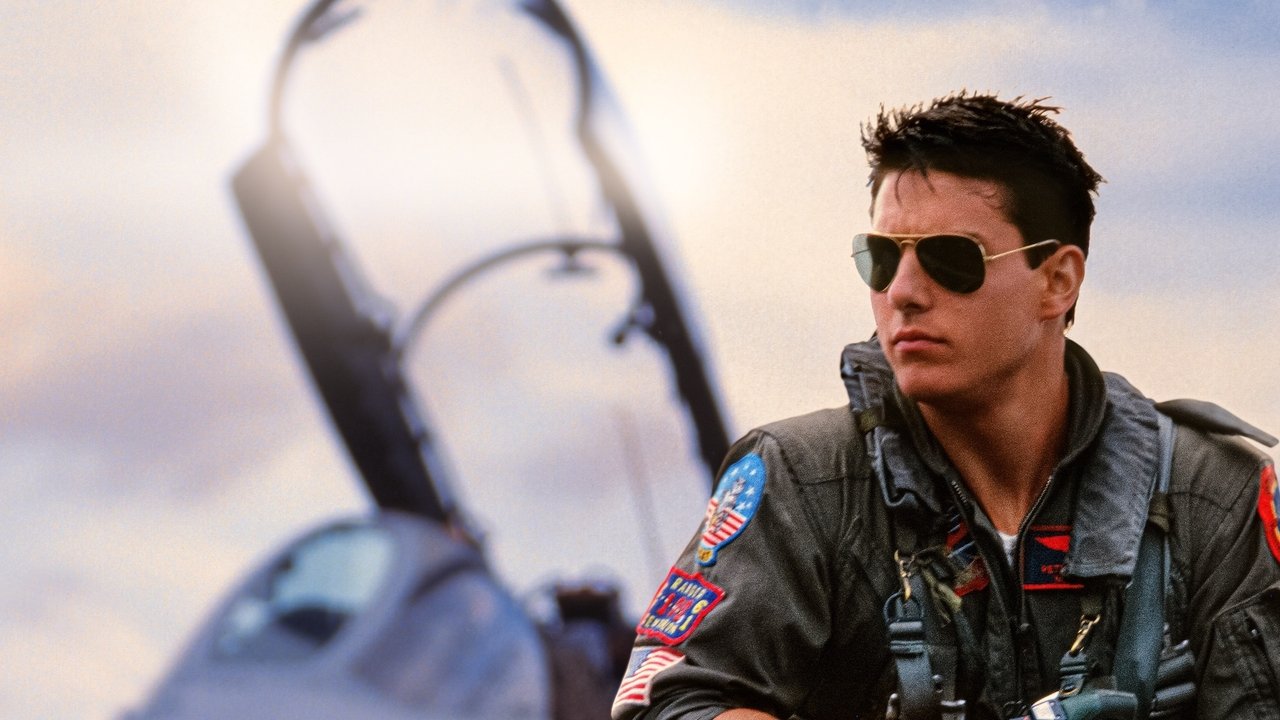
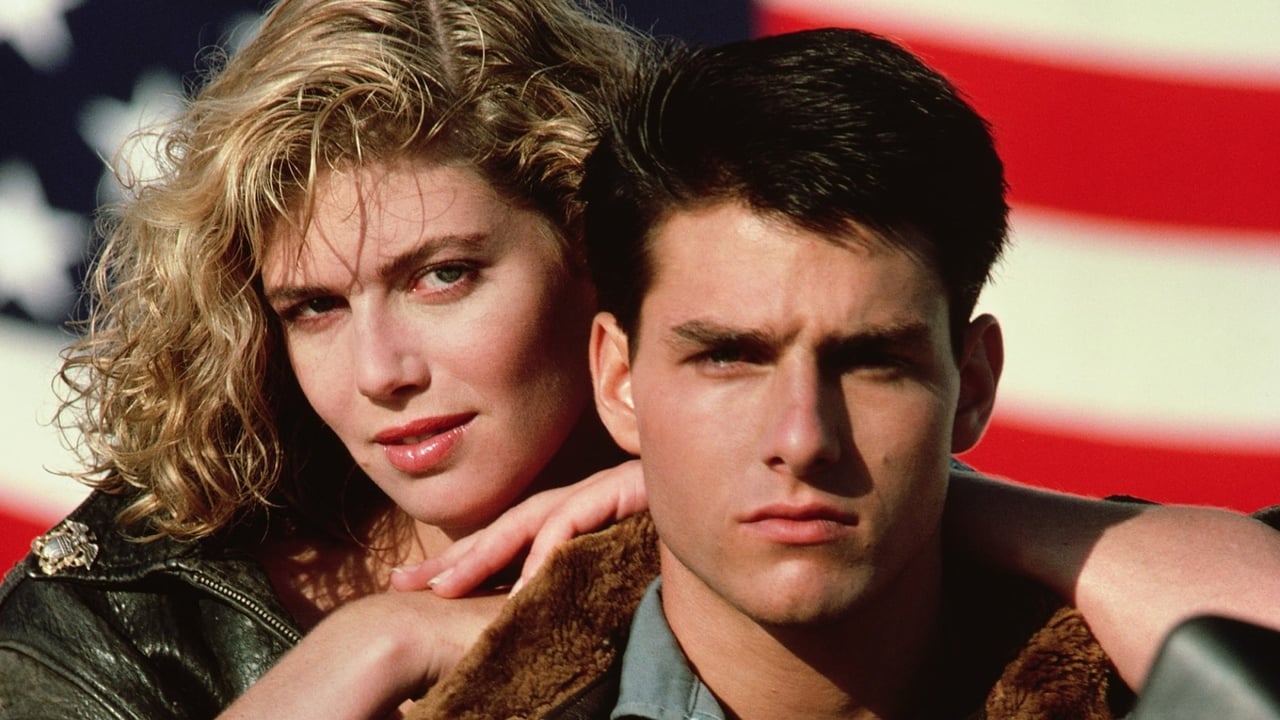
Directed by the late, great Tony Scott, who brought a slick, music-video aesthetic honed on commercials (and his debut The Hunger), Top Gun is less about intricate plotting and more about visceral sensation. Written by Jim Cash and Jack Epps Jr., the story follows cocky naval aviator Lt. Pete "Maverick" Mitchell (Tom Cruise, cementing his megastar status) as he enters the Navy's elite Fighter Weapons School, nicknamed TOPGUN. There, he competes with the best of the best, clashes with the coolly competent Tom "Iceman" Kazansky (Val Kilmer, radiating frosty charisma), romances his civilian instructor Charlotte "Charlie" Blackwood (Kelly McGillis), and grapples with the legacy of his fighter pilot father.
It's a simple framework, sure, but it provides the perfect launchpad for what the film does best: delivering breathtaking aerial sequences and showcasing impossibly charismatic actors looking effortlessly cool in flight suits and Ray-Ban Aviators. Scott’s visual style – all lens flares, slow-motion struts, and golden-hour lighting – turned naval aviation into pure rock and roll. I remember watching those dogfights, mouth agape, feeling the G-force vicariously through the screen. This wasn't the grainy stock footage of old war movies; this was kinetic, immediate, and utterly exhilarating.
### Dogfights and High Stakes
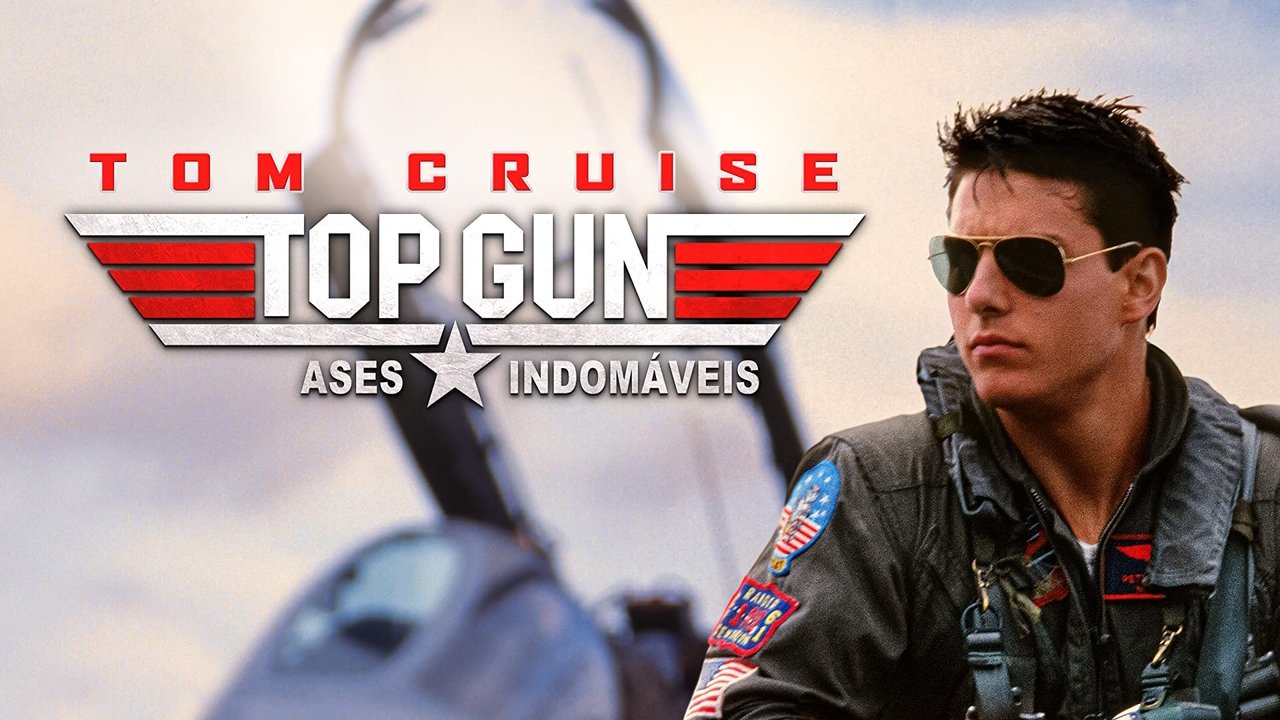
Achieving that look wasn't easy. The production, budgeted at a lean $15 million (which seems almost quaint now!), worked closely with the US Navy, gaining unprecedented access to aircraft carriers and F-14 Tomcats. Tony Scott and his team pioneered new ways to film aerial combat, mounting cameras directly on and inside the planes (including specially equipped Learjets flying alongside the fighters) to capture those heart-stopping pilot POVs. Fun fact: Apparently, Tom Cruise was one of the few actors who didn't throw up during the intense flight sequences! The results speak for themselves, creating action scenes that still feel thrilling decades later. It’s no surprise the film became a box office phenomenon, raking in over $357 million worldwide and reportedly causing a significant spike in Navy recruitment applications. Talk about impact!
Of course, the rivalry between Maverick and Iceman provides the film's dramatic core. Cruise embodies Maverick's blend of arrogance, talent, and underlying vulnerability perfectly. You root for him even when he’s being reckless. And Kilmer? As Iceman, he delivers a masterclass in controlled intensity. Their confrontations crackle with tension, culminating in that grudging respect that feels genuinely earned. Interestingly, Val Kilmer supposedly wasn't keen on the role initially but was contractually obligated – hard to imagine anyone else playing Iceman now!
### More Than Just Jets: The Soundtrack and the Style
You can't talk Top Gun without mentioning the soundtrack. Oh, that soundtrack! Produced by Giorgio Moroder and Harold Faltermeyer (fresh off Beverly Hills Cop), it’s an absolute titan of 80s pop. From Loggins' anthemic opener to Berlin's Oscar-winning power ballad "Take My Breath Away," the music is practically another character, perfectly amplifying the film's romantic and action beats. It dominated the charts and became one of the best-selling soundtracks of all time. I bet many of us had that cassette tape playing on repeat in our Walkmans.
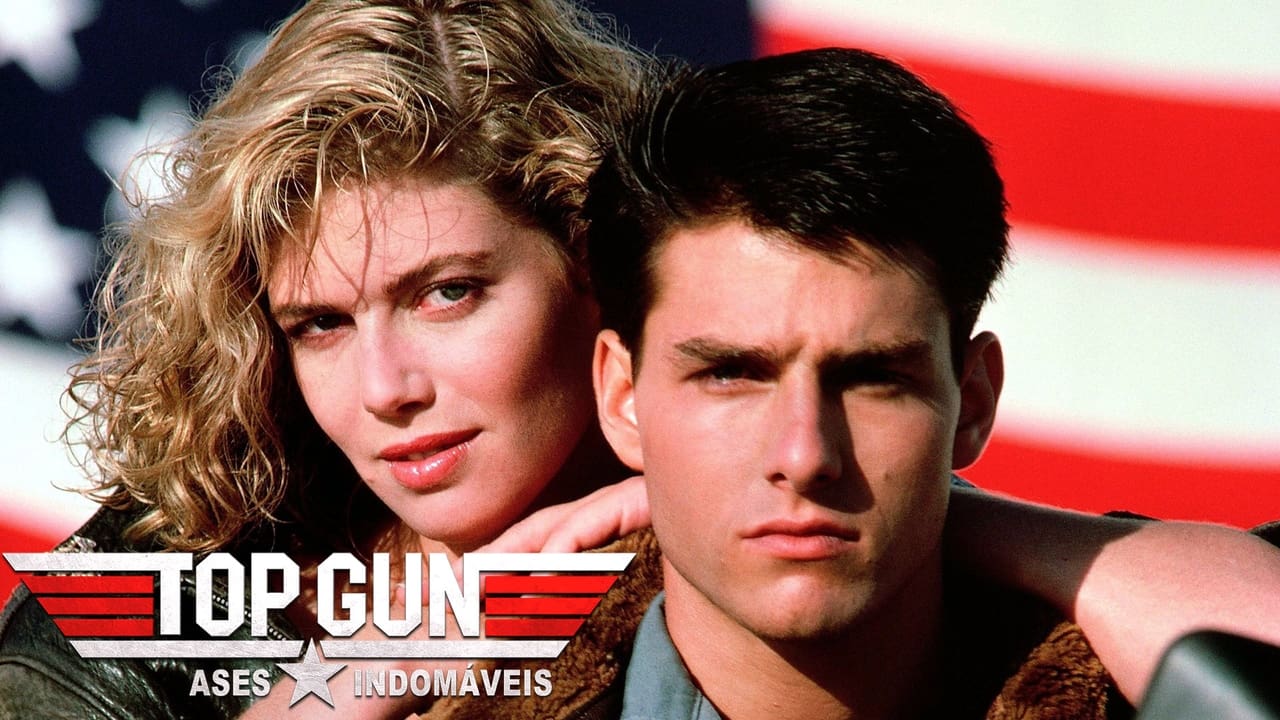
The romance between Maverick and Charlie (Kelly McGillis, bringing intelligence and authority to the role) provides the film's softer moments. While some aspects might feel a little dated now – the power dynamics, the silhouette-heavy love scene – their chemistry is undeniable, adding another layer to Maverick's journey. And let’s not forget the legendary, sun-oiled volleyball scene. Pure, unadulterated 80s cheese, maybe, but undeniably iconic and probably responsible for a boom in both beach volleyball interest and gym memberships.
### The Legacy of Mach 2
Top Gun wasn't just a hit; it was a cultural phenomenon. It defined a certain type of high-concept, visually spectacular blockbuster filmmaking that dominated the late 80s. The aviator sunglasses, the bomber jackets – it all became instantly fashionable. It wasn't universally acclaimed by critics at the time (currently holding a respectable 7.5/10 on IMDb but a more middling 58% on Rotten Tomatoes, reflecting that initial divide), but audiences embraced its energy, optimism, and sheer entertainment value wholeheartedly. Its influence lingered for years, paving the way for similar high-octane action films and solidifying Tom Cruise as a global superstar capable of opening massive movies. The fact that its sequel, Top Gun: Maverick, arrived decades later to critical and commercial triumph speaks volumes about the original's enduring appeal.
Watching it now on that well-worn VHS tape (or, okay, maybe a slightly sharper Blu-ray), the film retains its power. It’s a potent blast of nostalgia, yes, but the craft behind those aerial sequences and the charisma of its cast still shine through. It’s a movie that knew exactly what it wanted to be and delivered it with style, confidence, and a deafening roar.
VHS Heaven Rating: 8/10
Justification: While the plot is straightforward and some elements feel distinctly of their time, Top Gun excels as a pure sensory experience. The groundbreaking aerial cinematography remains stunning, the soundtrack is iconic, and the performances (especially Cruise and Kilmer) are magnetic. It perfectly captures a specific moment in 80s blockbuster filmmaking and delivers an undeniable adrenaline rush. It loses a couple of points for its narrative simplicity and occasionally dated aspects, but its sheer entertainment value and cultural impact are undeniable.
Final Thought: Pop this one in, crank up the volume, and get ready to enter the Danger Zone all over again – it’s a ride that still feels exhilarating, even without the F-14.