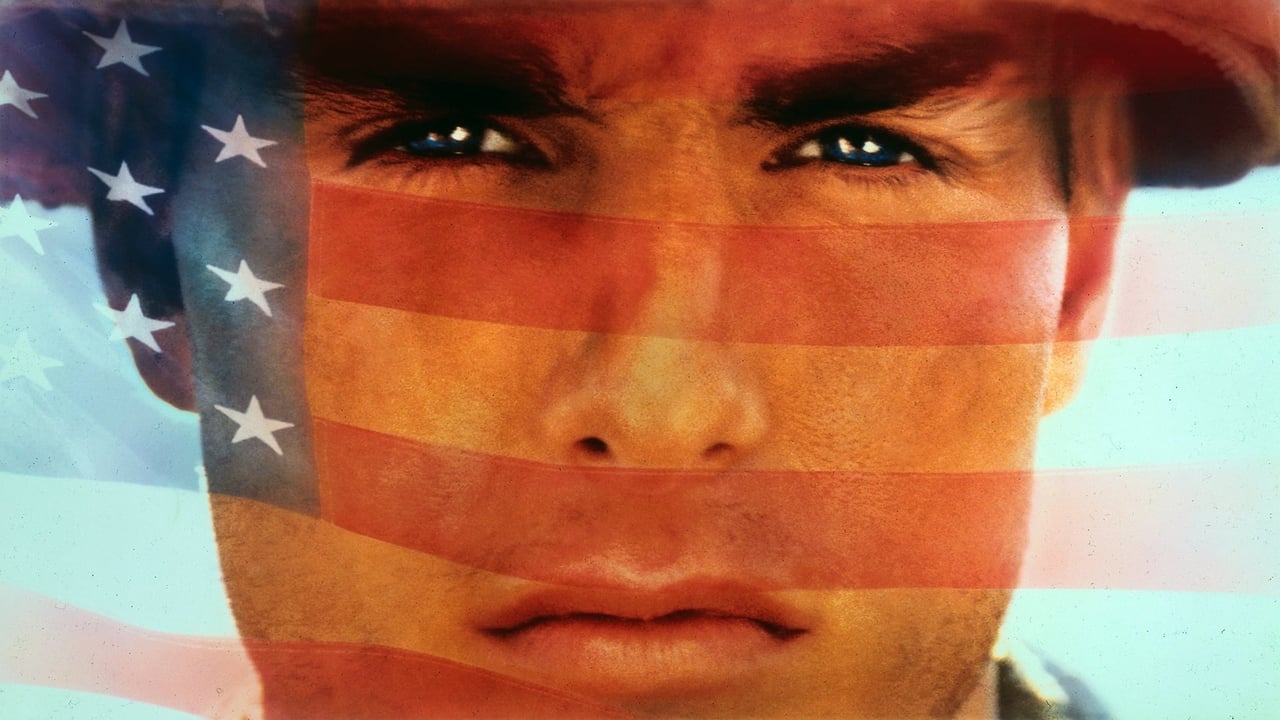
It hits you almost immediately – not like the explosions or the chaos, but the sheer, unvarnished intensity radiating off the screen. Watching Oliver Stone’s Born on the Fourth of July back in the day, maybe on a rented tape nestled between lighter fare, felt different. It wasn't just another movie; it felt like bearing witness. This wasn’t the flag-waving patriotism sold easily, but something far more complex, messy, and ultimately, human. It’s the story of Ron Kovic, and it demands your attention from the first frame to the last.
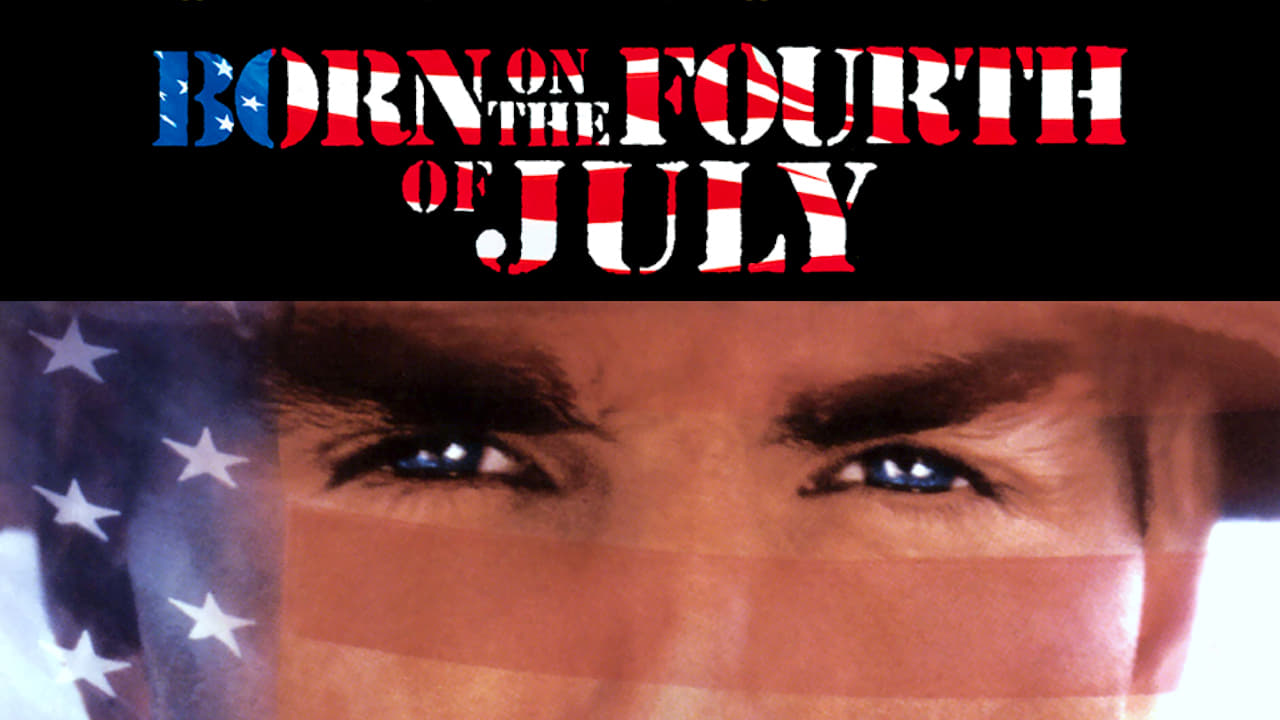
From All-American Boy to Broken Man
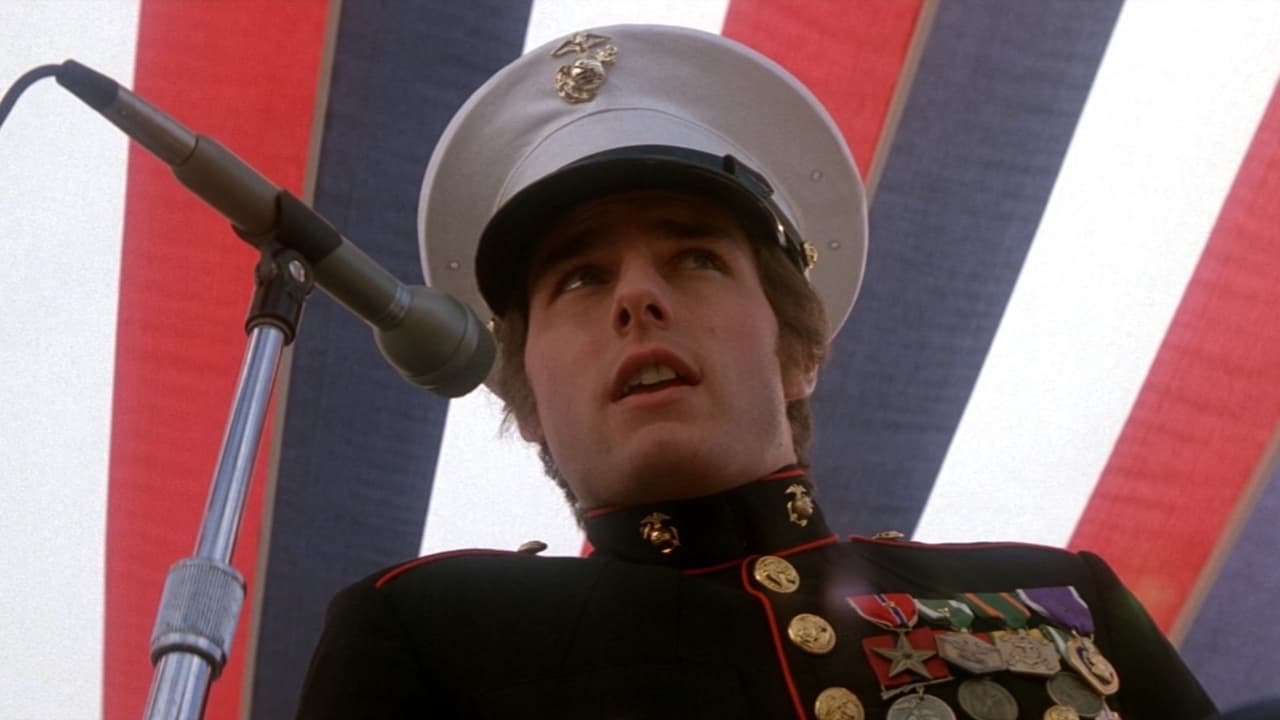
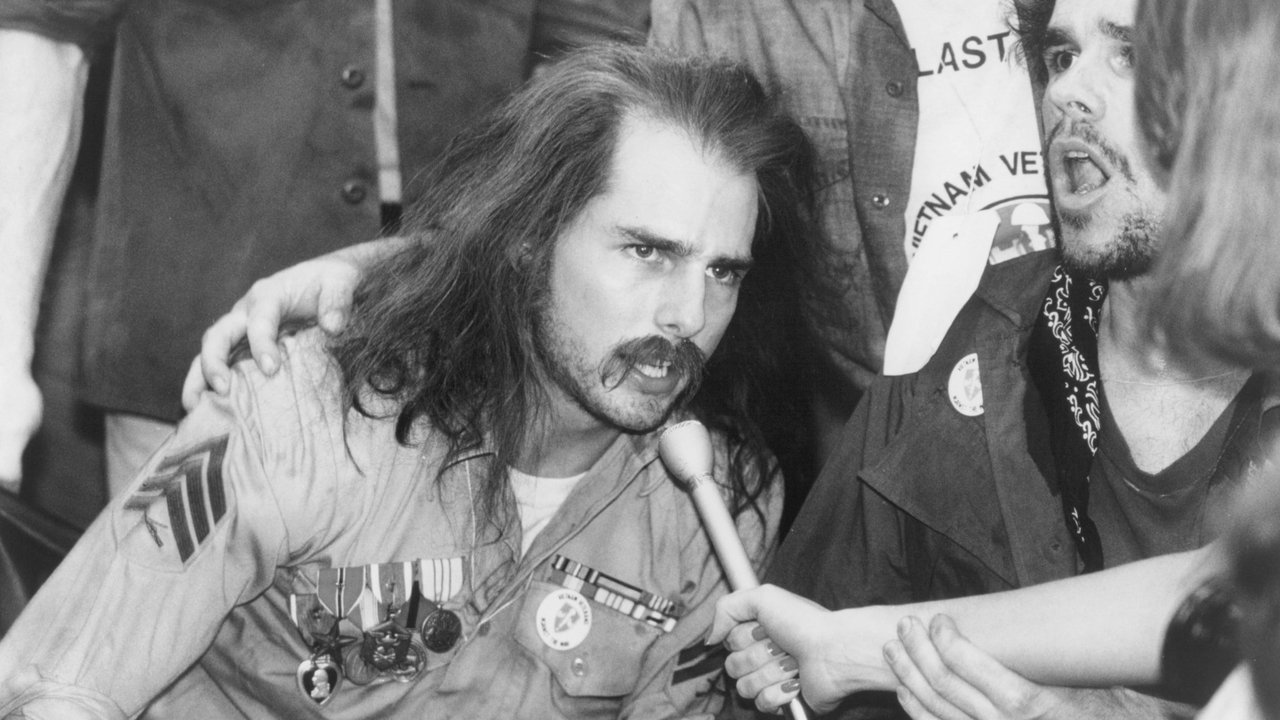
The film charts the harrowing journey of Ron Kovic, played in a career-defining performance by Tom Cruise. We see him first as the quintessential all-American kid in Massapequa, Long Island – wrestling star, bright-eyed, brimming with JFK-era idealism, eager to serve his country in Vietnam. Stone paints this early life with broad, almost mythic strokes, contrasting sharply with the brutal reality that follows. The transition isn't just narrative; it's visceral. The humid chaos of Vietnam, the shattering injury that leaves Kovic paralyzed from the chest down, the squalor and neglect in the VA hospital – Stone doesn't flinch, and forces us not to either. Remember those scenes in the Bronx VA? They weren't exaggerated for effect; Ron Kovic, who co-wrote the screenplay based on his autobiography, insisted on their accuracy, a grim testament to the reality faced by returning vets. Stone, himself a Vietnam veteran (Platoon, 1986), brings a layer of undeniable, uncomfortable truth to these sequences.
A Star Reborn
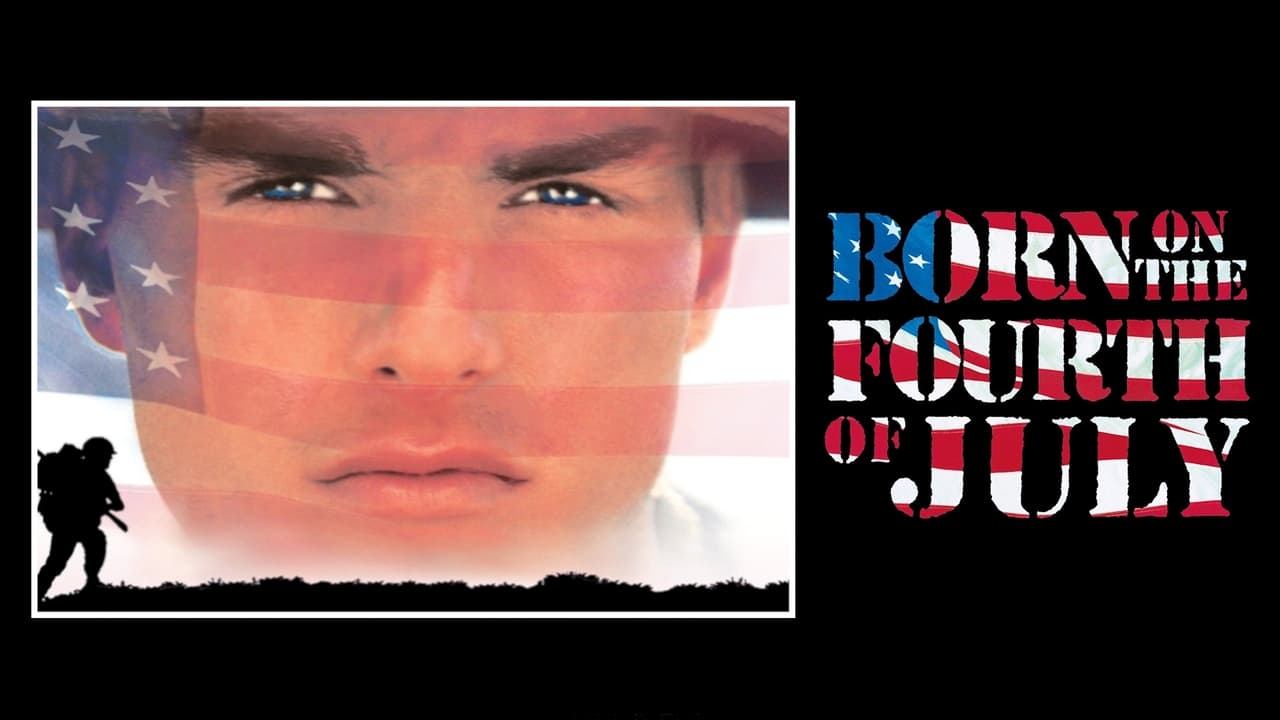
Let's talk about Tom Cruise. By 1989, he was already a megastar, the grinning hero of Top Gun (1986) and Cocktail (1988). Taking on Ron Kovic was a gamble, a deliberate pivot towards dramatic legitimacy. And it paid off spectacularly. This isn't just acting; it's a transformation. Cruise inhabits Kovic's physical limitations with painstaking commitment – reportedly spending significant time in a wheelchair off-set to understand the mechanics and the psychological toll. But it's the emotional landscape he traverses that truly astounds. The rage, the despair, the crushing disillusionment, the flicker of hope rekindled through activism – it’s all there, etched onto his face, burning in his eyes. He shed the movie star persona and emerged an actor. It's fascinating to think this role had languished in development hell for over a decade, with Al Pacino once attached in the late 70s. Cruise’s eventual casting felt like a lightning strike, capturing Kovic's youthful energy before shattering it completely.
Stone's Furious Vision
Oliver Stone directs with the subtlety of a sledgehammer, but for this story, it feels appropriate. His camera is restless, his editing often jarring, mirroring Kovic's fractured psyche and the tumultuous era. The film bombards the senses – the chaotic battles, the drunken despair in Mexico, the intensity of the anti-war protests. It’s not always comfortable viewing, but it’s undeniably powerful. Robert Richardson's cinematography shifts masterfully from the sun-drenched idealism of Kovic's youth to the gritty, desaturated reality of his post-war life. And John Williams provides a score that’s stirring and heartbreaking, avoiding jingoism and instead amplifying the profound sense of loss and eventual resilience. It's a film that cost around $17.8 million but resonated deeply, pulling in over $162 million worldwide – a figure translating to well over $400 million today, proving audiences were ready for its challenging message.
The Scars We Carry
Beyond the politics, Born on the Fourth of July is fundamentally about the personal cost of war and the arduous journey of finding a new identity when the old one is irrevocably destroyed. Kovic's physical paralysis becomes a metaphor for a deeper national paralysis, a country grappling with the wounds of Vietnam. His struggle isn't just against indifference or inadequate care; it's an internal battle against bitterness and despair. His eventual embrace of anti-war activism isn't presented as a simple political conversion, but as a painful, hard-won reclaiming of his voice and purpose. The film doesn't offer easy answers. What does it mean to be patriotic when your country seemingly abandons you after you've sacrificed everything? How do you rebuild a life from ashes? These questions linger long after the credits roll. We also see strong supporting work, particularly from Kyra Sedgwick as Ron's high school sweetheart Donna, representing the life he lost, and a searing cameo from Willem Dafoe as a fellow paralyzed veteran in Mexico, embodying a different, more cynical path.
Lasting Echoes from the VHS Era
Rewatching Born on the Fourth of July today, its power hasn't diminished. If anything, its themes feel tragically relevant. The film was a landmark – a major studio picture, starring one of the world's biggest stars, that offered a visceral, deeply critical look at war and its aftermath. It earned Cruise his first Oscar nomination and won Stone his second Best Director award. It was one of those heavy VHS tapes you slid into the VCR knowing you were in for something significant, something that might stay with you. It wasn’t escapism; it was an experience.
Rating: 9/10
This rating reflects the film's raw power, its unflinching honesty, and crucially, Tom Cruise's transformative and deeply committed performance. While Oliver Stone's approach can feel heavy-handed at times, it perfectly serves Kovic's furious, anguished journey from believer to dissenter. It's a demanding film, but an essential one from the era.
It leaves you contemplating the true meaning of patriotism and the enduring question: How does a nation reckon with the sacrifices made in its name, especially when the cause itself becomes questioned?