It's a scenario almost ludicrous in its simplicity, isn't it? The most famous actress on the planet wanders into a quiet little travel bookshop in a charming London neighbourhood and strikes up a romance with the unassuming owner. On paper, Notting Hill (1999) sounds like pure wish-fulfilment fantasy, the kind of high-concept pitch that could easily dissolve into saccharine nonsense. Yet, watching it again now, decades after pulling that well-worn VHS tape from its shelf, what strikes me isn't the fantasy, but the surprising, enduring heart beating beneath the glossy surface. It manages that rare trick: crafting a fairy tale that somehow feels... believable.
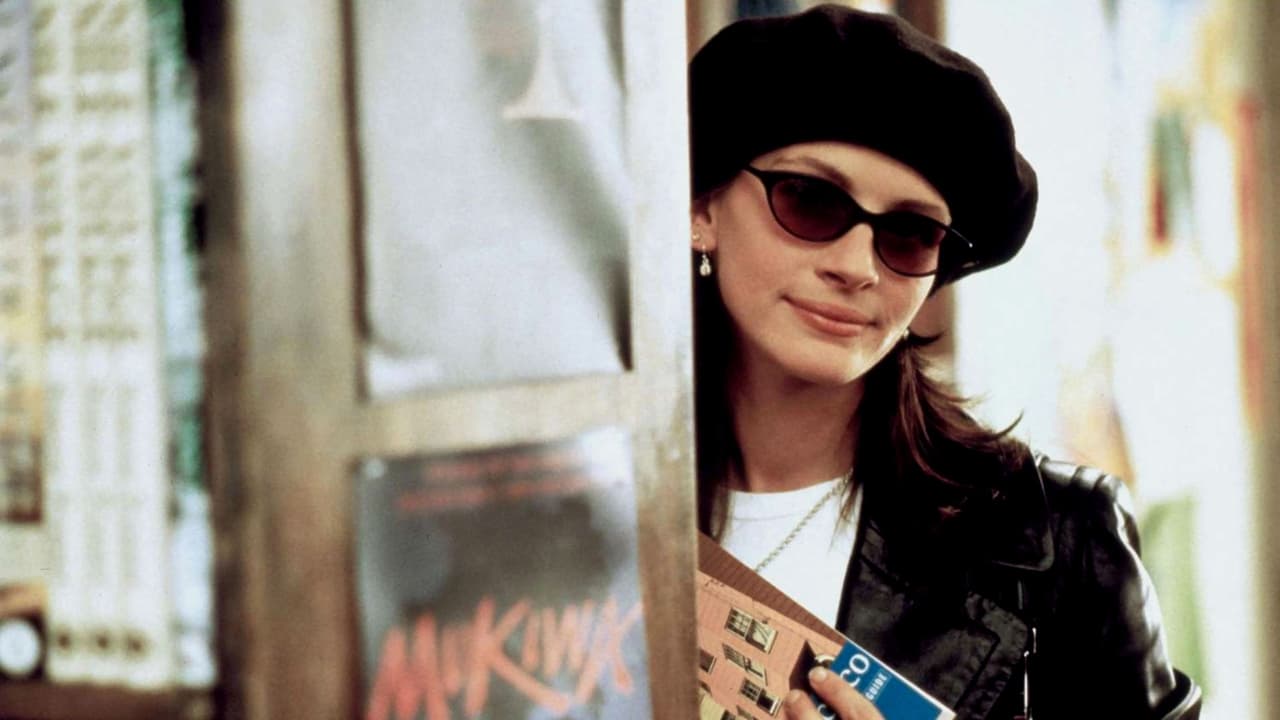
An Accidental Encounter, An Enduring Charm
The magic hinges, of course, on the pairing of Julia Roberts as Anna Scott, the globally adored movie star, and Hugh Grant as William Thacker, the charmingly awkward bookseller. Roberts, arguably at the zenith of her stardom following hits like Pretty Woman (1990) and My Best Friend's Wedding (1997), plays Anna with a fascinating blend of guarded celebrity polish and aching vulnerability. We see the weight of fame, the loneliness behind the dazzling smile. It's a performance that feels self-aware without tipping into parody. And Grant, building on the persona cemented in Four Weddings and a Funeral (1994) – also penned by the maestro of British rom-coms, Richard Curtis – delivers perhaps his definitive portrayal of the affable, stammering, utterly decent Englishman swept up in extraordinary circumstances. Their chemistry isn't explosive; it's a slow burn built on witty banter, shared moments of quiet understanding, and palpable awkwardness that feels touchingly real.
Writer Richard Curtis reportedly conceived the idea while living in Notting Hill himself, musing on the surreal experience of having incredibly famous friends navigate utterly normal situations. This seed of an idea blossoms into the film's central tension: can genuine connection flourish across the chasm separating stratospheric fame from everyday life? The film explores this not just through Anna and William, but through William’s wonderfully eccentric circle of friends and family.
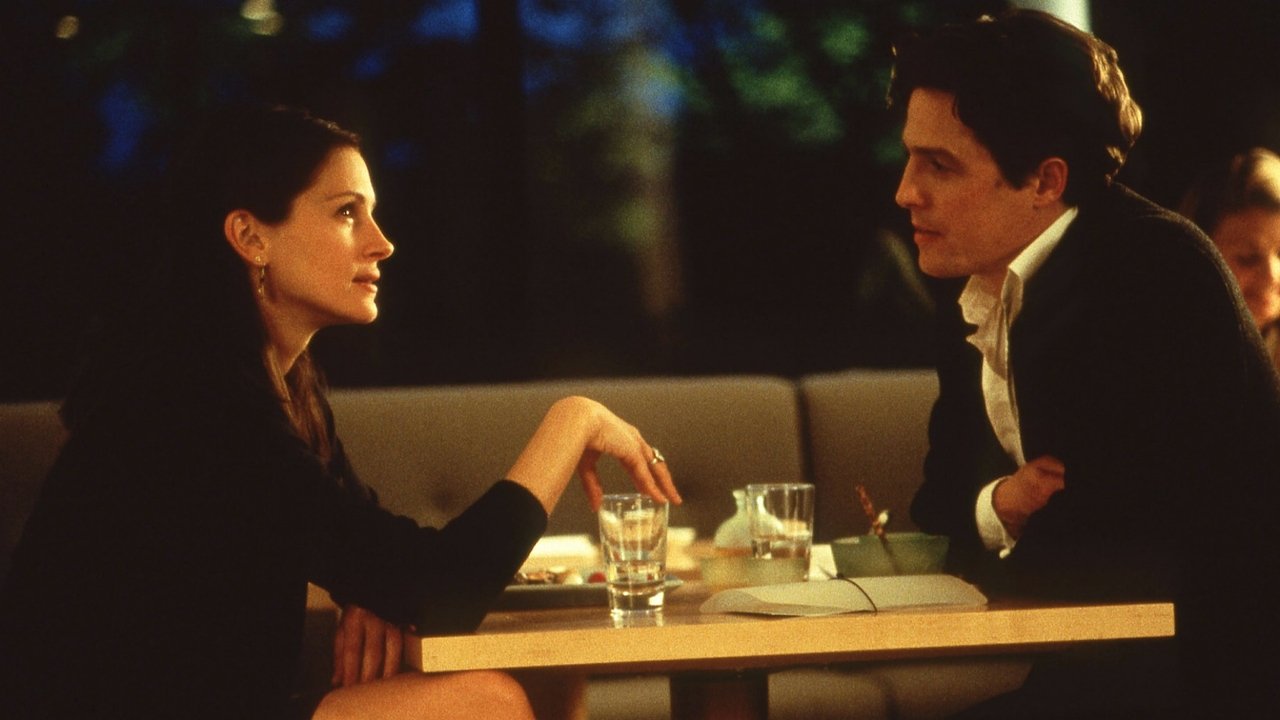
More Than Just a Backdrop
And what a circle it is. The dinner party scene, where Anna meets William’s bewildered but welcoming friends (including memorable turns from Tim McInnerny, Gina McKee, Hugh Bonneville, and Emma Chambers as the irrepressible Honey), remains a masterclass in ensemble comedy and character work. Much of the dialogue around that table, it's said, was actually improvised by the cast, lending it an authenticity and chaotic warmth that grounds the film's loftier premise. And then there's Spike. Rhys Ifans’ breakthrough performance as William’s disaster zone of a flatmate is pure comedic genius. Ifans apparently committed fully, adopting Spike’s questionable hygiene habits during the shoot to truly embody the character – a dedication that paid off in spades. He steals every scene he’s in, providing broad laughs that somehow never derail the film's gentler romantic core.
Director Roger Michell, who sadly left us too soon, handles the material with a delicate touch. He allows the quiet moments to breathe and understands that the humour works best when it arises naturally from the characters and their absurd situation. He also makes Notting Hill itself a vibrant character. Filming on location in the bustling Portobello Road market and surrounding streets presented significant logistical hurdles – requiring consent from countless residents and businesses – but the effort pays off. The film captures the unique atmosphere of the area, making William's world feel tangible and inviting, a stark contrast to the artificial glare of Anna’s Hollywood existence. Remember the iconic blue door to William's flat? That specific door, originally belonging to Richard Curtis, became such a landmark it was eventually auctioned for charity. The location remains a tourist spot, though the door itself has changed.
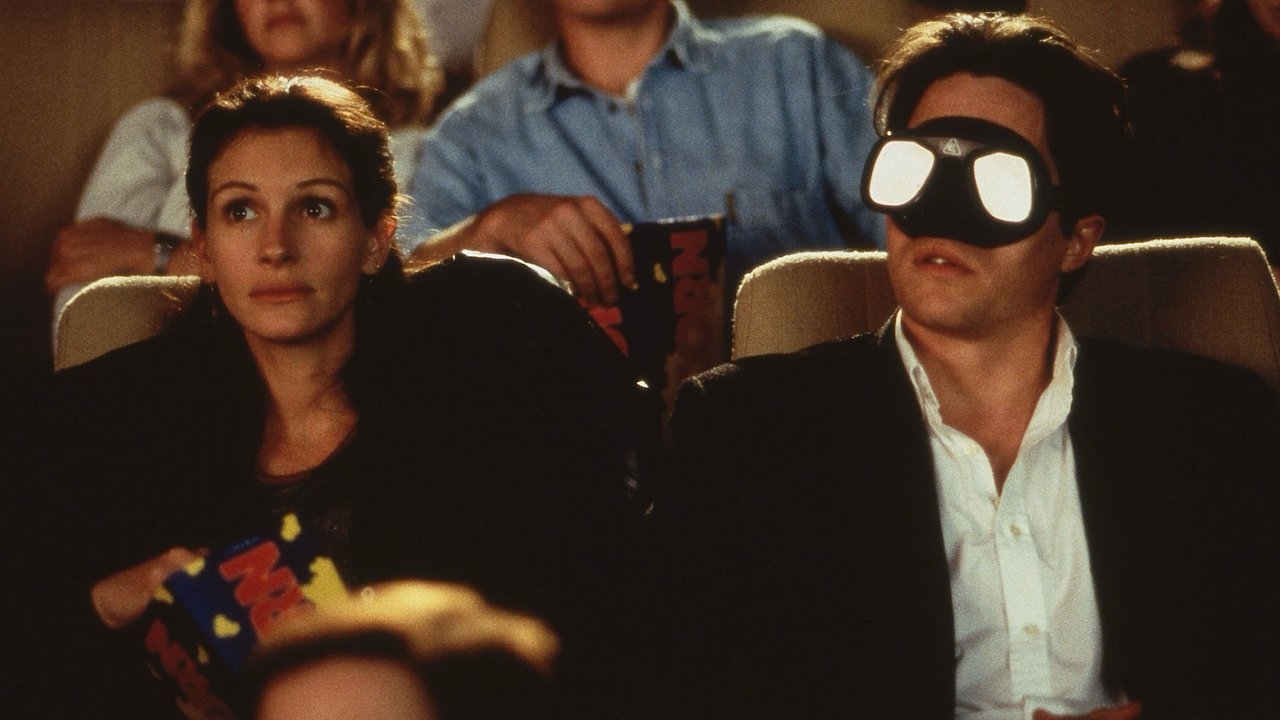
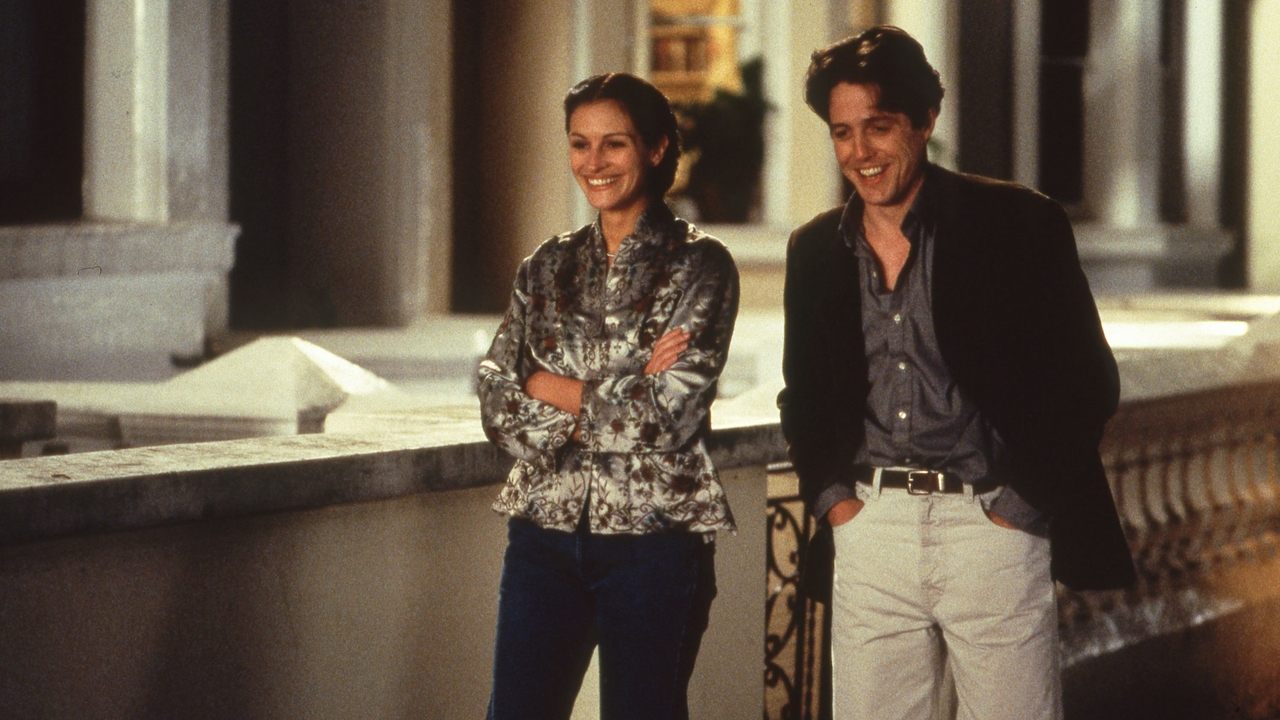
Behind the Celluloid Glow
It’s easy to forget now, given its beloved status, that Notting Hill was a significant gamble. Securing Julia Roberts was key, and Hugh Grant reportedly needed some persuasion, wary of being typecast. But the combination proved irresistible to audiences worldwide. Made on a budget of around $42 million (a respectable sum, roughly $77 million in today's money), it grossed over $363 million globally, becoming a phenomenal success and cementing its place as a late-90s cultural touchstone. The soundtrack, featuring Elvis Costello's unforgettable cover of "She," also became a massive seller, further weaving the film into the fabric of the era. Even the simple tagline – "Can the most famous film star in the world fall for the man on the street?" – perfectly encapsulated its irresistible, high-concept charm.
Does the film feel dated in places? Perhaps. The sheer level of press intrusion depicted feels almost quaint compared to today's social media landscape. Some of the romantic gestures might feel a touch grand by modern standards. But these are minor quibbles. The core appeal – the witty dialogue, the genuinely charming performances, the exploration of vulnerability behind public facades, and the sheer, unadulterated niceness of it all – remains remarkably potent.
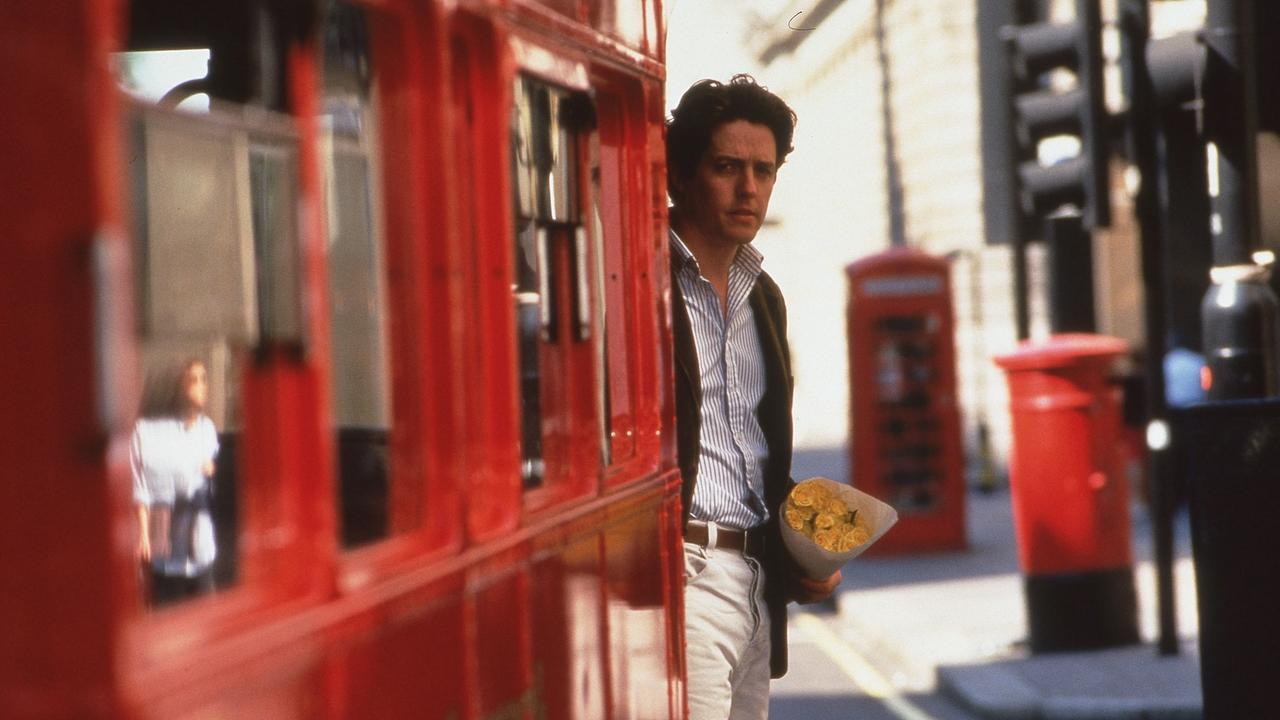
Rating: 9/10
This score reflects the film's near-perfect execution of its premise. It achieves exactly what it sets out to do: deliver a funny, touching, and utterly charming romantic comedy elevated by superb casting, witty writing, and skillful direction. The chemistry between Roberts and Grant is undeniable, the supporting cast is pitch-perfect, and Curtis's script balances humour and heart beautifully. It avoids excessive melodrama, grounds its fairy-tale plot in relatable emotions, and leaves you with a warm, satisfied glow – the hallmark of a truly great comfort watch. It might not plumb profound depths, but its surface is so beautifully crafted and emotionally resonant that it doesn't need to.
It’s a film that reminds us that sometimes, the most extraordinary things can happen in the most ordinary of places – like a little travel bookshop on a London street. And isn't that a lovely thought to hold onto?