It often felt like a treasure hunt, didn't it? Sifting through those shelves at the video store, past the big-budget behemoths, looking for something different, something that spoke more directly. Sometimes, you stumbled upon a cover, simple perhaps, unassuming, that promised a story you hadn't seen before. For me, finding Cheryl Dunye's The Watermelon Woman (1997) felt exactly like that – uncovering a hidden gem, a film pulsating with a unique energy and a vital question simmering just beneath the surface.
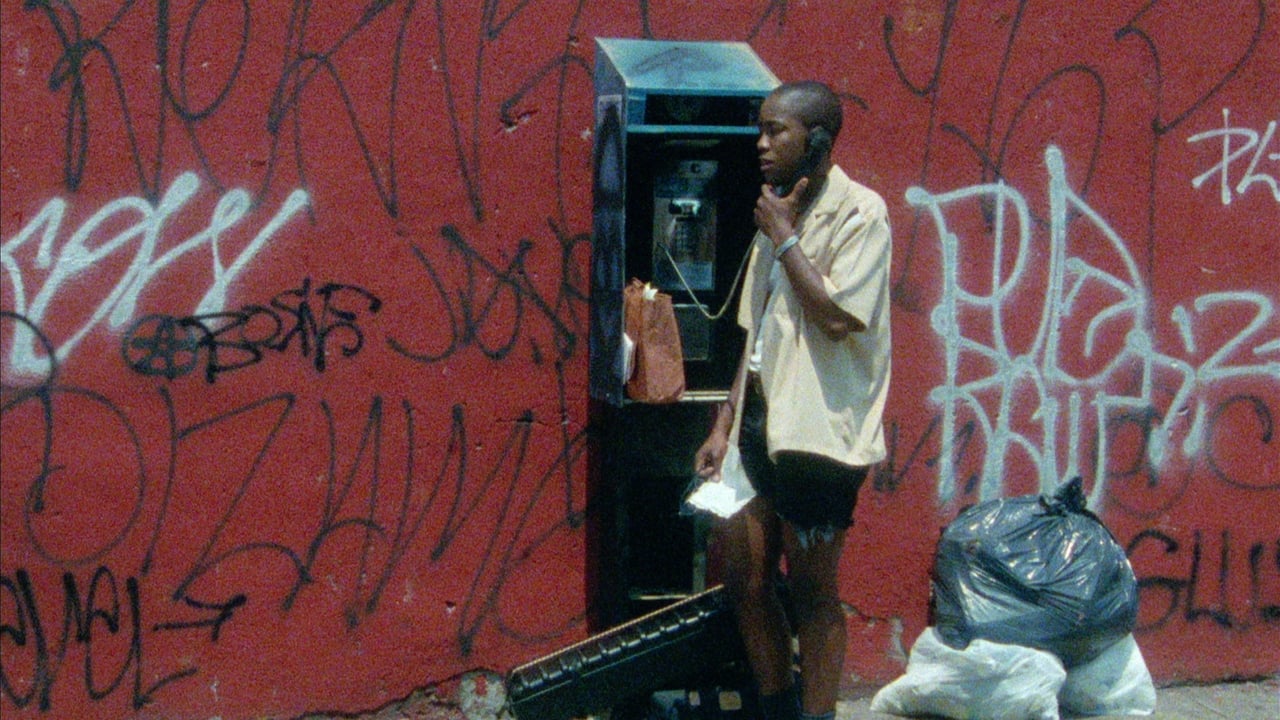
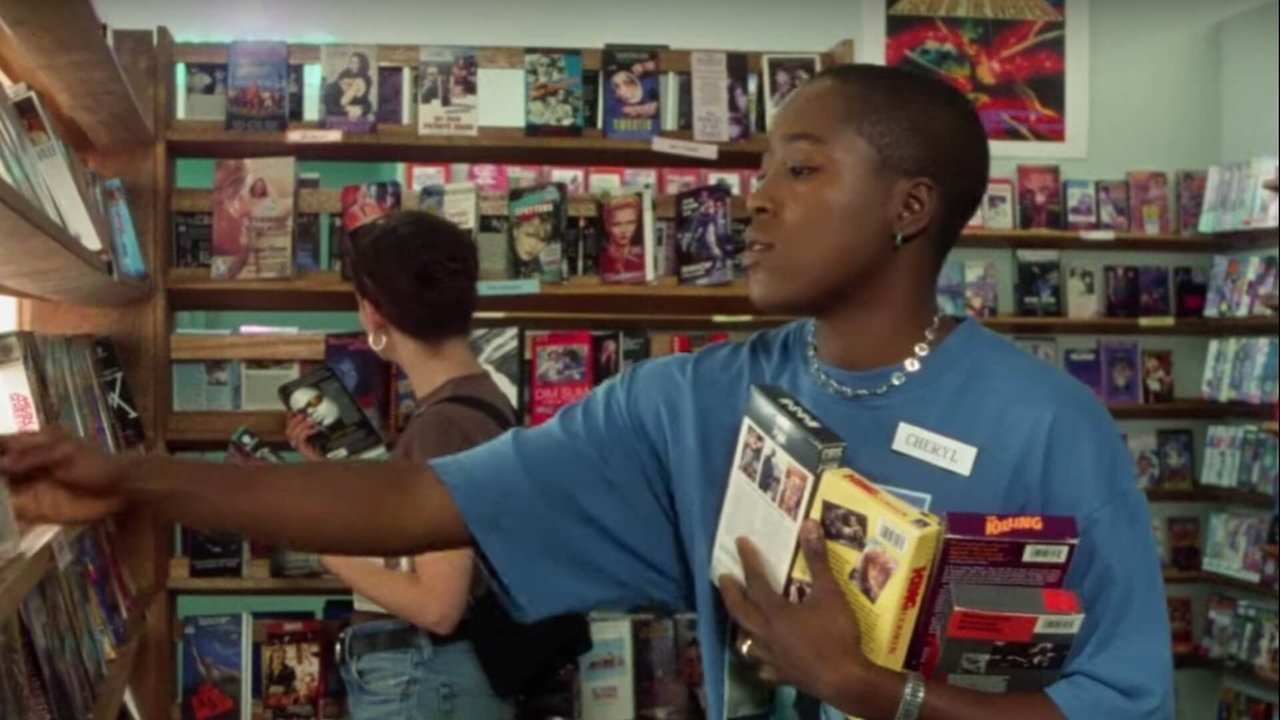
This wasn't your typical 90s indie flick, though it certainly shared the era's spirit of personal filmmaking. What immediately sets The Watermelon Woman apart is its clever, captivating structure. We follow Cheryl (played by director/writer Cheryl Dunye herself), a young Black lesbian working in a video store in Philadelphia (a familiar setting for many of us!), who becomes fascinated by an uncredited Black actress she notices in 1930s "race films." This actress, often typecast in stereotypical "mammy" roles, is billed only as "The Watermelon Woman." Who was she? What was her real story? Cheryl embarks on a documentary project to find out, interviewing film historians, cultural critics (including a memorable appearance by Camille Paglia), and anyone who might have known this forgotten figure, Fae Richards.
Weaving Fact and Fiction
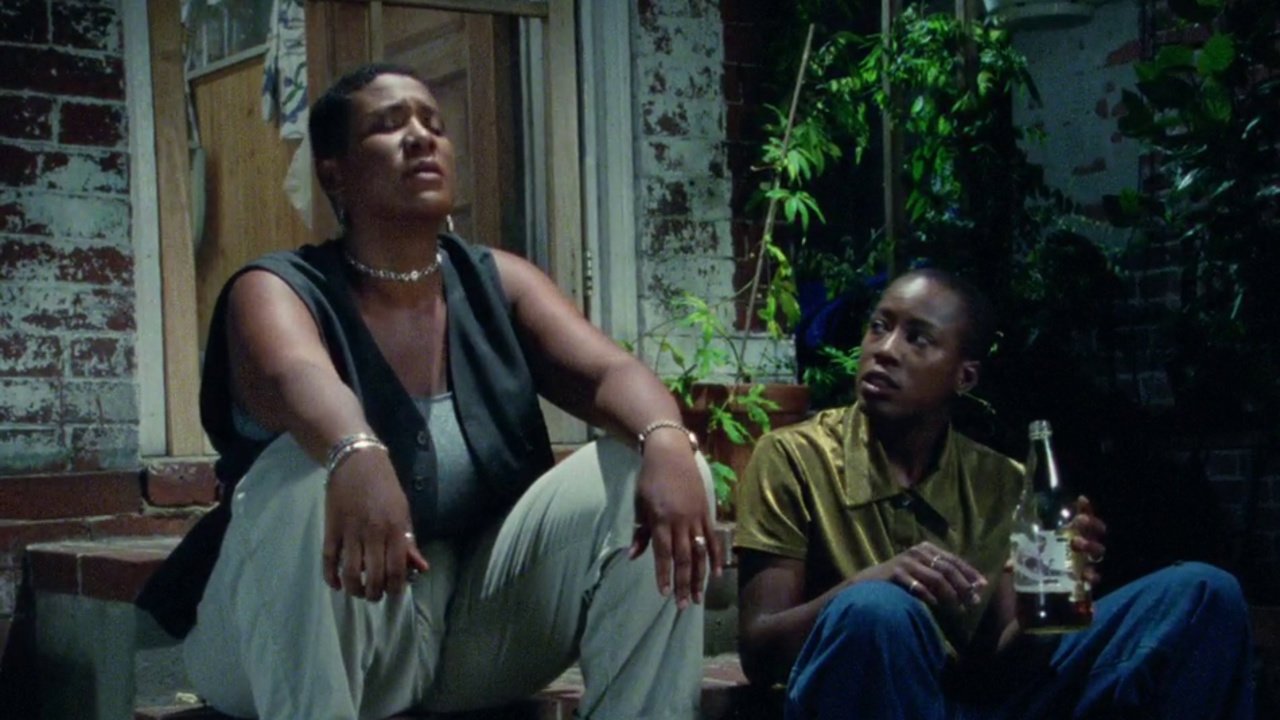
The genius of Dunye's approach lies in how seamlessly she blends this documentary investigation with a fictional narrative exploring Cheryl's own life – her friendships, particularly with the sharp-witted Tamara (Valarie Walker), and her burgeoning romance with Diana (Guinevere Turner, who indie fans will instantly recognize from 1994's Go Fish). The film slides between Cheryl's archival research and her personal experiences, creating a fascinating dialogue between past and present, between the search for historical identity and the navigation of contemporary life and relationships. It forces us to consider: how much of our history is deliberately obscured, and what does it mean to reclaim or even reconstruct it?
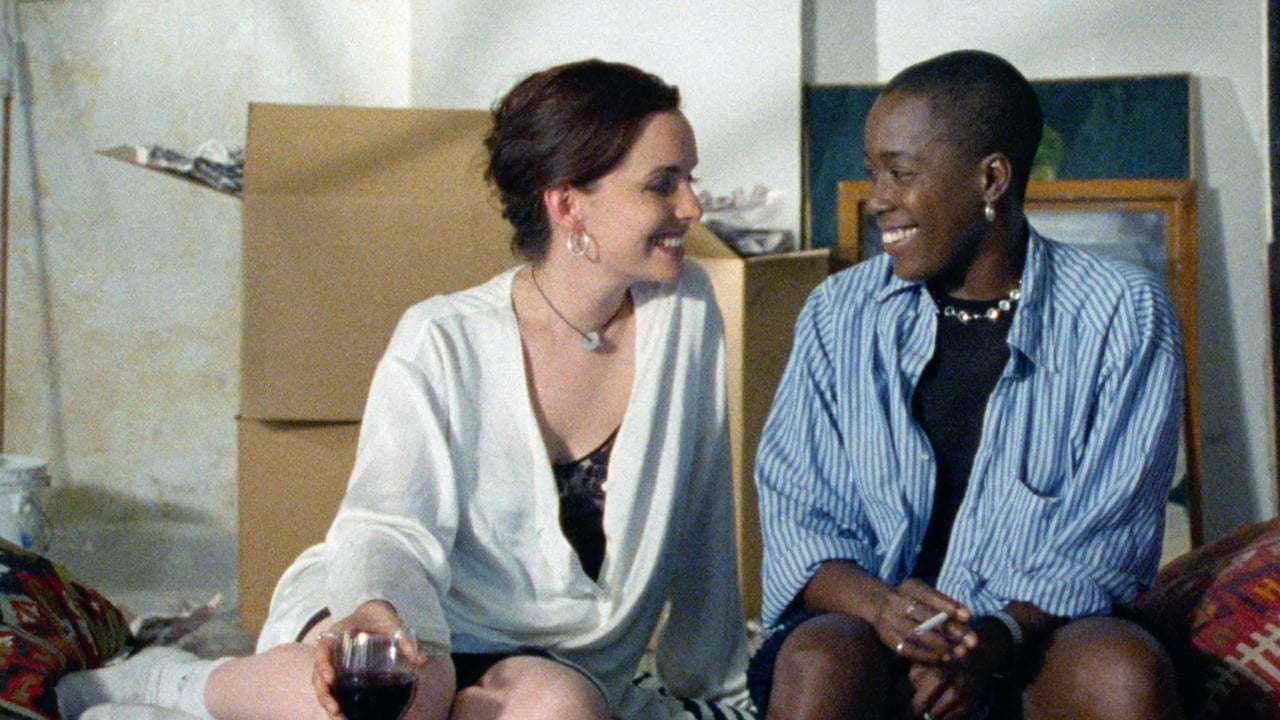
Dunye, playing a slightly fictionalized version of herself, is incredibly endearing and relatable. There's an honesty, a vulnerability in her performance that draws you in immediately. She’s not a polished Hollywood protagonist; she’s inquisitive, sometimes awkward, driven by a genuine passion. Her interactions feel authentic, especially the easy, often humorous banter with Walker's Tamara. Their friendship provides a crucial grounding point amidst Cheryl's research and romantic entanglements. The chemistry between Dunye and Turner is also palpable, navigating the complexities and excitement of a new relationship with a raw frankness that felt groundbreaking for its time.
More Than Just a Movie
Making The Watermelon Woman was itself an act of determined creation. Shot on a shoestring budget (reportedly around $300,000, cobbled together from grants, personal funds, and community support), it embodies the DIY spirit of independent filmmaking. It’s a testament to Dunye’s vision and tenacity. This context makes the film's exploration of hidden histories even more poignant. Dunye wasn't just telling a story about searching for a forgotten Black actress; she was actively carving out space for Black lesbian stories within cinema history, a space often ignored or marginalized.
One fascinating layer, and (minor spoiler alert, perhaps, though crucial to understanding the film's depth), is the revelation that Fae "The Watermelon Woman" Richards is herself a fictional creation within the film. Dunye isn't uncovering a real lost actress; she's illustrating the process of historical erasure and the necessity of imagining and creating narratives when the official records are silent or biased. It’s a powerful meta-commentary on filmmaking, history, and representation. The film itself becomes the archive Cheryl was searching for. This wasn't just a gimmick; it was a profound statement about whose stories get told and who gets to tell them.
The film wasn't without its real-world friction, either. It famously became a target for conservative politicians attacking the National Endowment for the Arts (NEA), which had provided a small grant, citing the film's lesbian content. This off-screen drama only underscores the film's bravery and importance in pushing boundaries, both artistically and socially, during the mid-90s.
A Legacy Unearthed
Watching The Watermelon Woman today, perhaps on a format far removed from the worn VHS tape I first saw it on, its relevance hasn't dimmed. It remains a landmark achievement in New Queer Cinema and Black filmmaking. Its blend of humor, heart, intellectual curiosity, and personal reflection feels remarkably fresh. It asks us to look closer at the images we consume, to question the histories we're given, and to appreciate the power of telling our own stories. Doesn't that search for authenticity, for understanding where we come from, still resonate deeply?
Rating: 9/10
This score reflects the film's groundbreaking nature, its innovative structure, heartfelt performances, and thematic depth. Dunye crafted something truly special here – intelligent, funny, moving, and politically resonant. It perfectly balanced its narrative threads and delivered a powerful message with intimacy and charm. It’s a film that doesn’t just entertain; it invites you into a conversation, one that was vital in the 90s and remains essential today.
The Watermelon Woman is more than just a movie; it's an artifact of ingenuity, a warm embrace of community, and a necessary act of historical imagination discovered, for many of us, in the quiet aisles of a video store.