What is it about heartbreak that makes us compulsively catalogue? We meticulously curate the soundtracks to our own romantic failures, arranging them like vinyl on a shelf, hoping that maybe, just maybe, the right order will reveal some hidden meaning. It’s this impulse, this messy, deeply human blend of self-pity, pop culture obsession, and reluctant introspection that pulses at the heart of Stephen Frears’ High Fidelity (2000). Though it landed right at the turn of the millennium, its soul feels deeply rooted in the mixtape logic and analog angst of the 90s, adapted from Nick Hornby's brilliant 1995 novel.
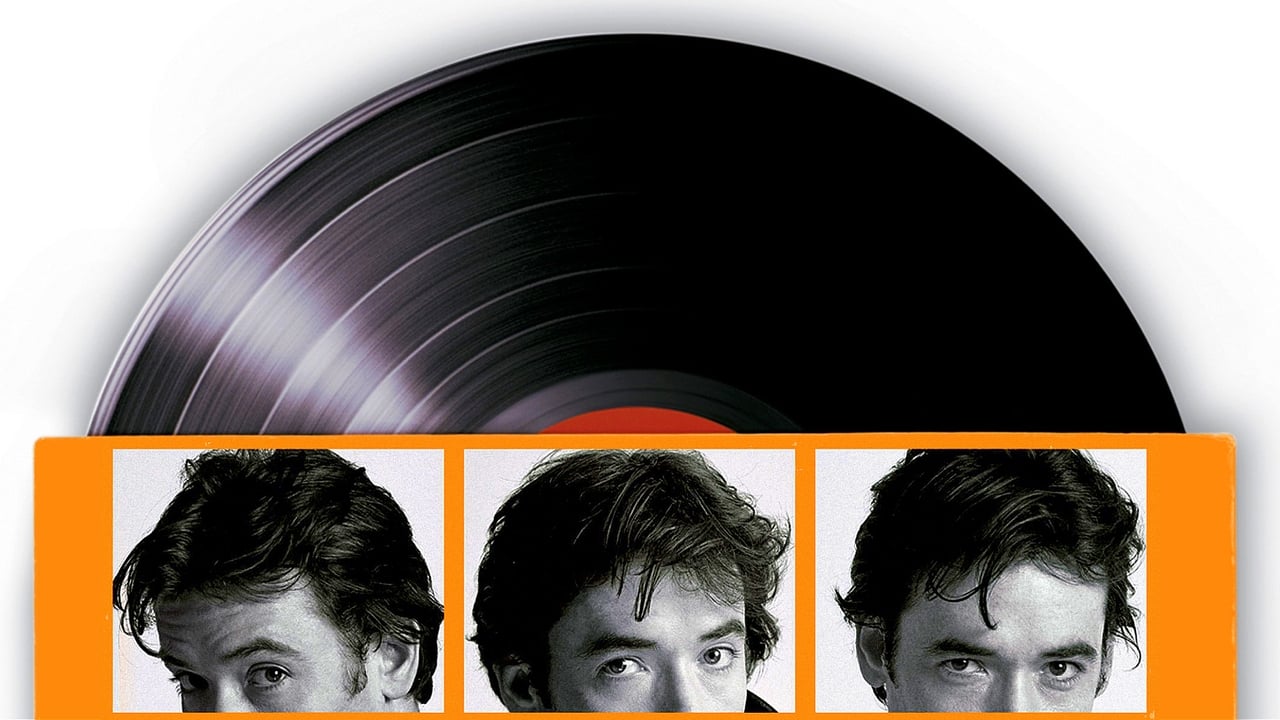
Top Five Reasons This Isn't Just Another Rom-Com
At first glance, High Fidelity might seem like familiar territory: guy loses girl, guy reflects on past failures, guy tries to win girl back. But Rob Gordon (John Cusack, who also co-wrote the screenplay) isn't your typical romantic lead. He's the owner of Championship Vinyl, a record store in Chicago (a transplant from the novel's London setting, largely thanks to proud Chicagoan Cusack's influence), and he's just been dumped by Laura (Iben Hjejle). His immediate reaction? To compile a "Desert Island Top Five" list of his most painful breakups, embarking on a quest to understand why they all went wrong – convinced, naturally, that it wasn't his fault.
What elevates the film is its unflinching, often uncomfortable honesty. Rob speaks directly to us, breaking the fourth wall not just for witty asides, but to confess his anxieties, his rationalizations, his profound emotional immaturity. It’s a risky device, one that could easily feel gimmicky, but under Frears' assured direction (the man who gave us the sharp edges of Dangerous Liaisons (1988) and The Grifters (1990)) and anchored by Cusack's perfectly calibrated performance, it feels essential. We become Rob's confidantes, privy to the messy internal monologue most films leave unspoken. Cusack, who had already charmed audiences in films like Say Anything... (1989), digs deeper here, presenting a character who is deeply flawed, often selfish, yet undeniably relatable in his fumbling attempts to connect.
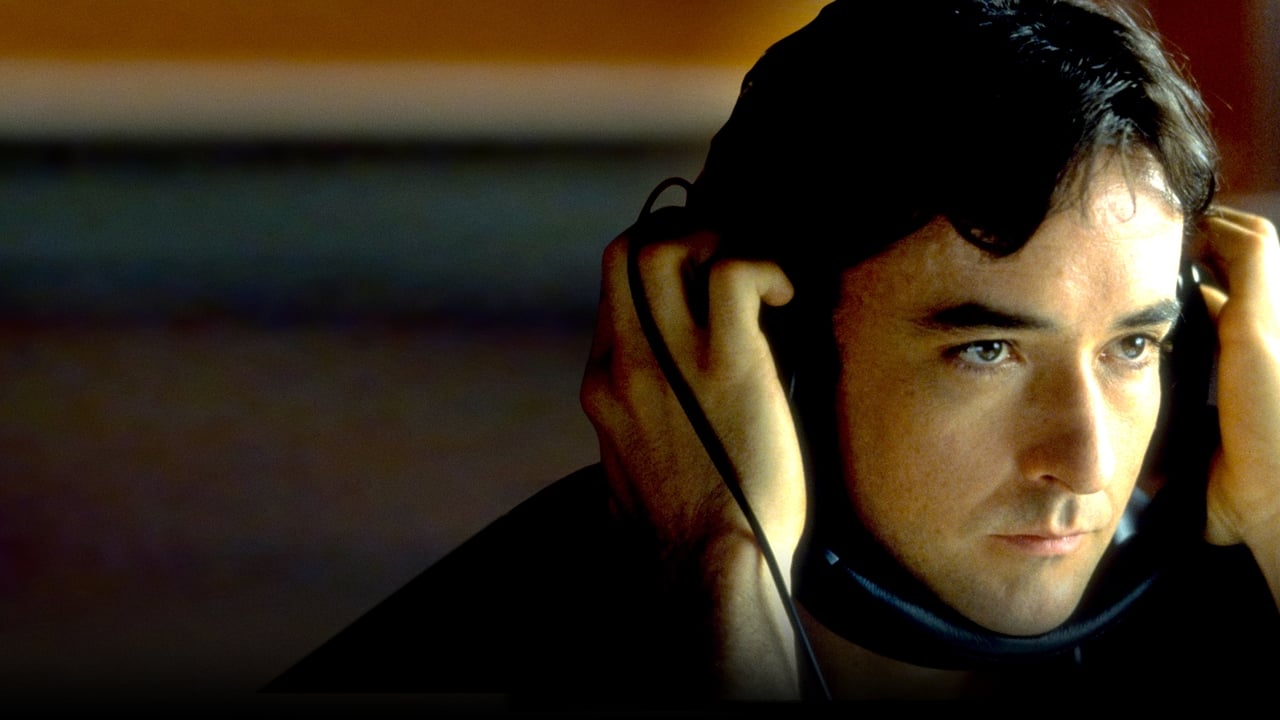
The Soundtrack of a Life
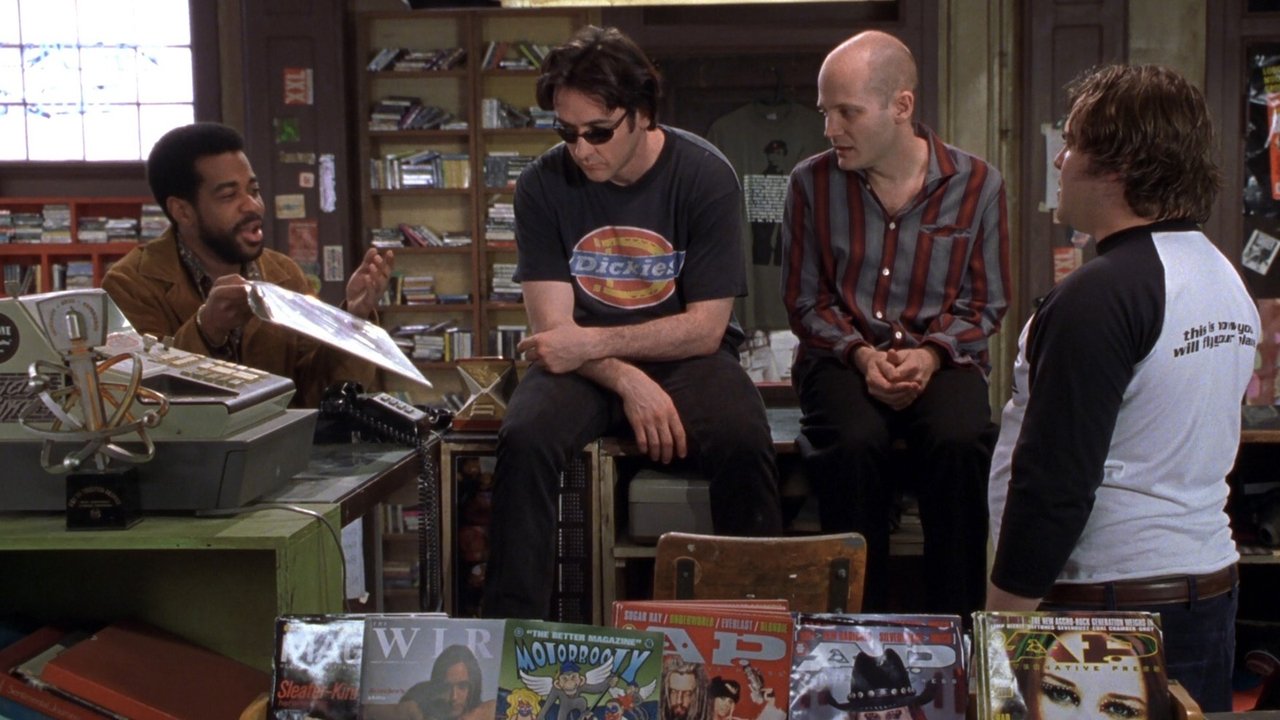
You can't talk about High Fidelity without talking about the music. It’s not just background noise; it’s the film's lifeblood, the language through which Rob and his equally obsessive employees, the hilariously opinionated Barry (Jack Black in a star-making turn) and the painfully shy Dick (Todd Louiso), understand the world. Championship Vinyl isn't just a setting; it's a sanctuary, a fortress built against the perceived banality of the mainstream. The arguments about Belle & Sebastian, the reverence for obscure B-sides, the sacred art of the mixtape – it all rings profoundly true for anyone who ever spent hours agonizing over the perfect track order to convey unspoken feelings.
Securing the rights for the sheer volume of music referenced and played was apparently a significant undertaking, reportedly consuming a notable portion of the film's estimated $30 million budget. But it pays off handsomely. The soundtrack is impeccable, a character in itself, guiding the emotional tenor of Rob's journey. And who could forget the pitch-perfect cameo by Bruce Springsteen, offering Rob some much-needed, albeit imaginary, advice? Interestingly, the filmmakers initially hoped for Bob Dylan, but The Boss, after reading the script, stepped in, delivering a moment of quiet rock 'n' roll wisdom.
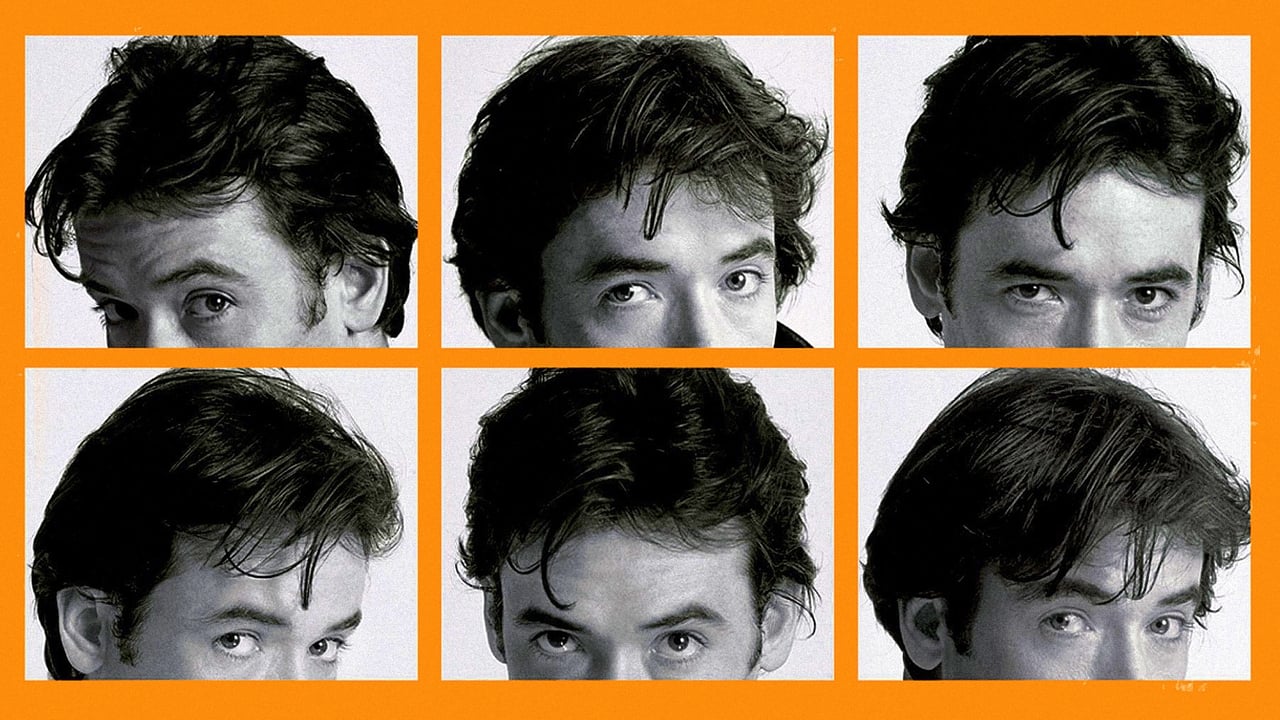
More Than Just Background Noise: The Ensemble
While Cusack carries the film, the ensemble cast is uniformly excellent. Iben Hjejle brings a crucial warmth and intelligence to Laura, making her more than just the object of Rob's fixation. You understand her frustration, but also why she might still care for this exasperating man-child. And then there's Jack Black. As Barry, the snobbish, explosive, ultimately endearing music geek, Black steals every scene he's in. Much of his dialogue feels thrillingly spontaneous – a testament to his improvisational genius – culminating in that unforgettable rendition of Marvin Gaye's "Let's Get It On." He and Todd Louiso's quiet, gentle Dick form one of cinema's great retail duos, their dynamic capturing the peculiar ecosystem of the independent record store perfectly. Add memorable appearances by Lisa Bonet, Catherine Zeta-Jones, Joan Cusack, and Tim Robbins, and you have a truly stacked deck.
Behind the Counter Insights
The journey from Hornby's London-set novel to Frears' Chicago-based film is a fascinating piece of adaptation history. Cusack, along with co-writers D.V. DeVincentis, Steve Pink (who would later direct Hot Tub Time Machine (2010), another Cusack vehicle), and Scott Rosenberg, skillfully transplanted the story while retaining its core essence. The shift works, grounding Rob's specific anxieties within a tangible American landscape. The film wasn't a runaway smash hit initially, earning a respectable $47 million worldwide, but its keen observations and quotable lines helped it achieve enduring cult classic status, especially among music lovers and those navigating the often-choppy waters of modern relationships. It resonated, finding its audience on home video – fitting, perhaps, for a story about obsessive collectors.
Why It Still Spins True
Does Rob Gordon's brand of navel-gazing masculinity feel a little dated two decades on? Perhaps. But the film's core questions about how we connect, how we sabotage ourselves, and how we use culture (in this case, music) to define and shield ourselves remain potent. High Fidelity understands that our taste, our carefully curated collections, can be both a bridge and a barrier to intimacy. It asks if we can learn to love people as much as we love pop songs, flaws and all.
It captures that specific, almost sacred feeling of discovering music that speaks directly to you, the thrill of finding kindred spirits who get it, and the slow, often painful realization that growing up means making space for more than just your own meticulously organized record collection.
Rating: 9/10
This score reflects the film's sharp writing, Cusack's career-best performance, Jack Black's iconic breakout, the killer soundtrack, and its enduring relatability. It perfectly captures a specific cultural moment while exploring universal themes of love, loss, and the struggle to finally put away childish things (or at least integrate them into a functional adult life). High Fidelity remains a smart, funny, and surprisingly poignant look at the playlists of our lives, a film that resonates long after the final track fades out. It reminds us that sometimes, the most important lists aren't about records, but about people.