Alright, fellow tapeheads, slide that worn copy of "Biwi No.1" into the VCR, adjust the tracking just so, and let’s rewind to 1999. This wasn't some hidden gem you stumbled upon; this was peak late-90s Bollywood lighting up the rental shelves, practically buzzing with star power and the promise of pure, unadulterated masala entertainment. Forget subtle; this film arrived with the cinematic equivalent of shoulder pads and neon leg warmers – loud, unapologetic, and absolutely determined to entertain you for nearly three hours.
Chaos King Dhawan Strikes Again
At the helm was David Dhawan, the undisputed emperor of 90s Hindi comedy, fresh off a string of hits often brandishing that lucky "No. 1" moniker (Coolie No. 1, Hero No. 1). You knew what you were getting with Dhawan: frantic pacing, slapstick bordering on the surreal, earworm songs, and a general vibe of barely controlled chaos. Biwi No.1 is quintessential Dhawan, perhaps slicker and bigger budgeted than some of his earlier work, but still pulsating with that signature hyperactive energy. He wasn't crafting quiet character studies; he was orchestrating laugh riots often built around marital misunderstandings and outlandish situations, and audiences lapped it up. This flick wasn't just popular; it was the second highest-grossing Bollywood film of 1999, a certified blockbuster that cemented his reign.
The Eternal Triangle, 90s Bollywood Style
The premise is classic, almost primal: Prem (Salman Khan, in full heartthrob-with-a-hint-of-goofball mode) is happily married to the devoted Pooja (Karisma Kapoor, radiating earnestness), the mother of his two children. Life seems perfect until the impossibly glamorous model Rupali Walia (Sushmita Sen, owning the screen with effortless style) enters the picture. Prem, blinded by temptation (and perhaps Rupali’s impossibly chic wardrobe), begins an affair, leading Pooja to eventually kick him out and embark on a mission to win him back, often with the slightly bumbling but well-meaning assistance of Prem's friend Lakhan (Anil Kapoor, adding his reliable comic timing).
What unfolds is less a nuanced exploration of infidelity and more a vibrant, often over-the-top comedic drama. It's fascinating to look back now; the film actually tackles a serious theme but wraps it in such bright, noisy packaging. The plot, incidentally, wasn't entirely original – Biwi No. 1 is an official remake of the 1995 Tamil hit Sathi Leelavathi, which itself drew inspiration from older stories about marital strife. That cross-pollination between regional Indian cinemas was common, often leading to massive nationwide hits like this one.
Performance Powerhouse
The casting here is key to the film's enduring appeal. Salman Khan leans into Prem's charming flaws, making him frustratingly relatable even when he’s behaving terribly. You can almost see the internal struggle beneath the surface-level swagger. But let's be honest, the film belongs to its leading ladies. Karisma Kapoor, a reigning queen of 90s Bollywood herself, anchors the film emotionally. She deftly handles the shift from dutiful housewife to determined woman-on-a-mission, managing both the tears and the comic timing with flair. Watching her strategize feels like rooting for an old friend.
And then there’s Sushmita Sen. Playing the 'other woman' could easily be a thankless task, but Sen imbues Rupali with charisma and vulnerability. It’s a testament to her screen presence (and reportedly a role considered for others like Manisha Koirala) that Rupali never becomes a simple villain. Her scenes sparkle, adding a layer of genuine glamour that feels essential to the film's DNA. Add Anil Kapoor's reliable energy and a memorable extended cameo by Tabu, and you have an ensemble that clicks perfectly within Dhawan’s comedic framework.
The Sights and Sounds of '99
You cannot talk about Biwi No.1 without mentioning the music by Anu Malik. The soundtrack was huge, an inescapable part of the 1999 soundscape. Songs like "Chunari Chunari," "Ishq Sona Hai," and the wonderfully bizarre "Jungle Hai Aadhi Raat Hai" (complete with questionable animal costumes) were chart-toppers. These weren't just songs; they were events. Filmed with typical 90s grandeur, often whisking the stars away to picturesque international locations – weren't those Swiss Alps backdrops practically mandatory back then? – they provided visual spectacle that felt like a million bucks on our fuzzy CRT screens. This visual extravagance, the bright costumes, the larger-than-life sets – that was the practical effect of 90s Bollywood, creating a heightened reality designed purely for maximum impact.
Still Worth the Rewind?
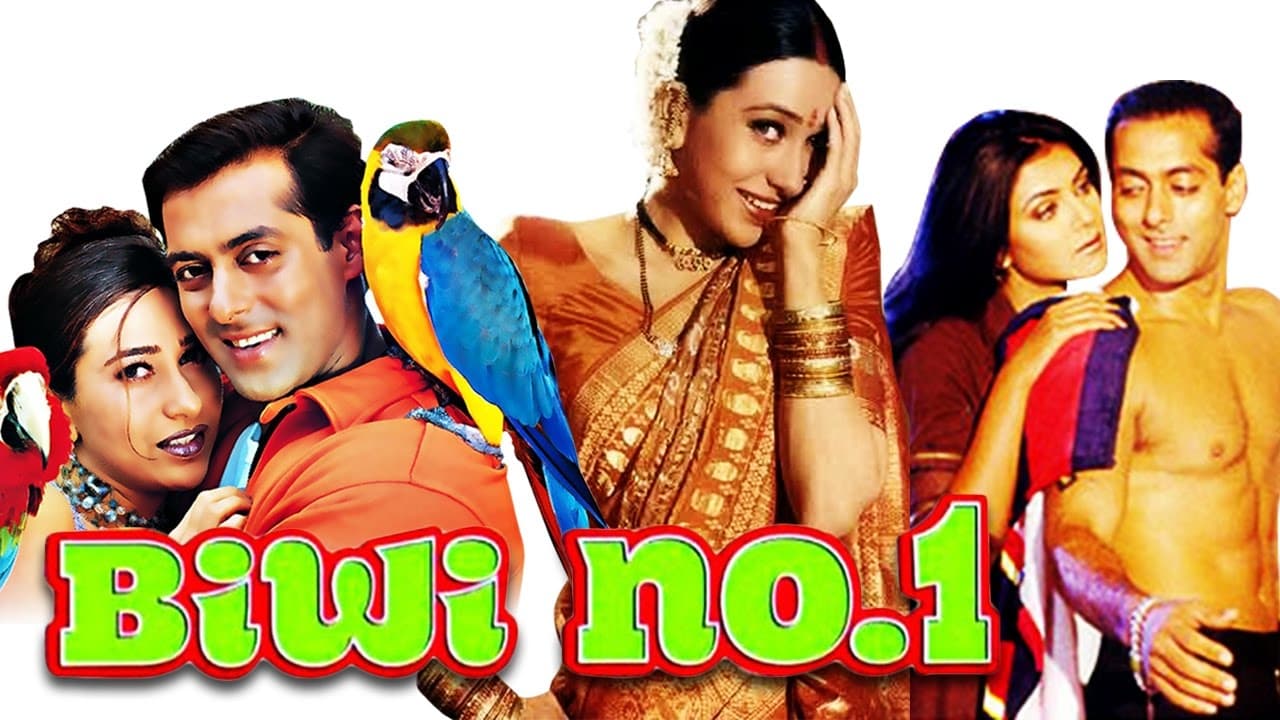
Watching Biwi No.1 today is a potent shot of nostalgia. Yes, some of the humour feels dated, the gender politics are very much 'of their time', and the runtime might test modern attention spans. You'll chuckle at the dial-up modem sounds, the chunky mobile phones, and maybe wince slightly at some of the melodrama. But beneath the 90s gloss, there's an undeniable energy and sincerity. The performances remain engaging, the songs are still ridiculously catchy, and David Dhawan's unique brand of comedic chaos retains a certain charm. I distinctly remember renting this tape, the colourful cover practically leaping off the shelf, promising a night of pure Bollywood escapism – and it delivered exactly that.
Rating: 7/10
Justification: While undeniably a product of its time with some dated elements, Biwi No.1 remains a highly entertaining watch thanks to its stellar cast firing on all cylinders, ridiculously catchy music, and the sheer energetic force of David Dhawan's direction. It perfectly captures the loud, colourful, and emotionally heightened vibe of late-90s mainstream Bollywood. It loses points for the dated aspects and predictable plot beats, but gains them back for sheer nostalgic power and entertainment value.
Final Take: Peak 90s Bollywood comfort food – served loud, colourful, and with extra cheese, just the way we liked it back in the glorious days of the rental store run.