Okay, fellow travelers of the tape, let’s dust off a rather grand, sweeping epic that might have caught your eye nestled between the more familiar Hollywood fare down at the local video store back in the day. I distinctly remember the oversized VHS box for The Horseman on the Roof (Le Hussard sur le toit), its cover hinting at both romance and danger under a Provençal sun. It felt different, richer somehow, than the usual action or comedy rentals. And revisiting it now? It remains a stunning, if sometimes overlooked, piece of 90s European filmmaking.
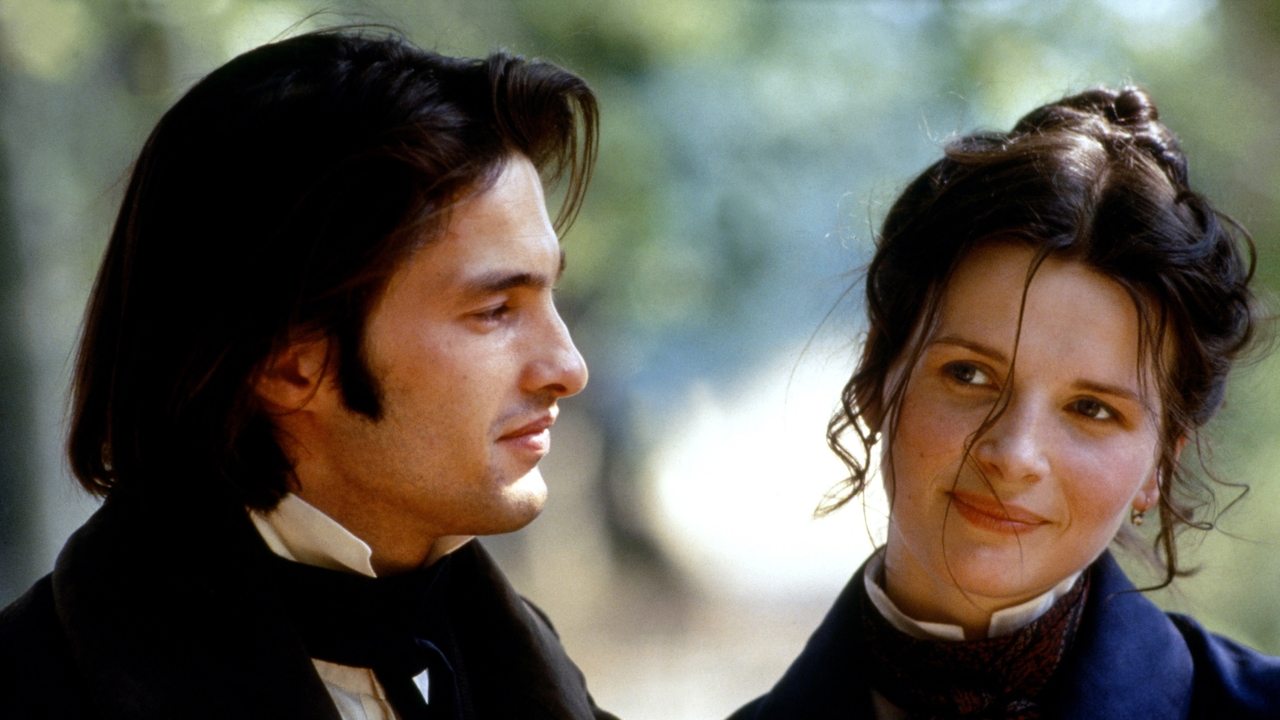
What strikes you first, even decades later, isn't just the plot, but the sheer sensory immersion. Director Jean-Paul Rappeneau, who had already gifted us the magnificent Cyrano de Bergerac (1990), transports us bodily to 1832 Provence. You can almost feel the oppressive heat radiating off the terracotta tiles, smell the wild herbs crushed underfoot, and crucially, sense the creeping, invisible terror of the cholera epidemic that sweeps through this breathtaking landscape like an avenging ghost.
A Land Both Beautiful and Blighted
The story follows Angelo Pardi (Olivier Martinez), a dashing young Italian hussar colonel and Carbonaro revolutionary, fleeing Austrian agents through southern France. He’s handsome, idealistic, and fiercely honorable – a classic romantic hero dropped into a nightmare. His flight coincides with a devastating cholera outbreak, turning picturesque villages into charnel houses overnight. Panic reigns, paranoia festers, and foreigners like Angelo are immediately suspect, blamed for spreading the "blue death." Amidst this chaos, he encounters the enigmatic and resourceful Pauline de Théus (Juliette Binoche), a noblewoman searching for her missing husband. Their fates become intertwined as they navigate the treacherous, plague-ridden countryside, relying on each other for survival.
Sparks Amidst the Ashes
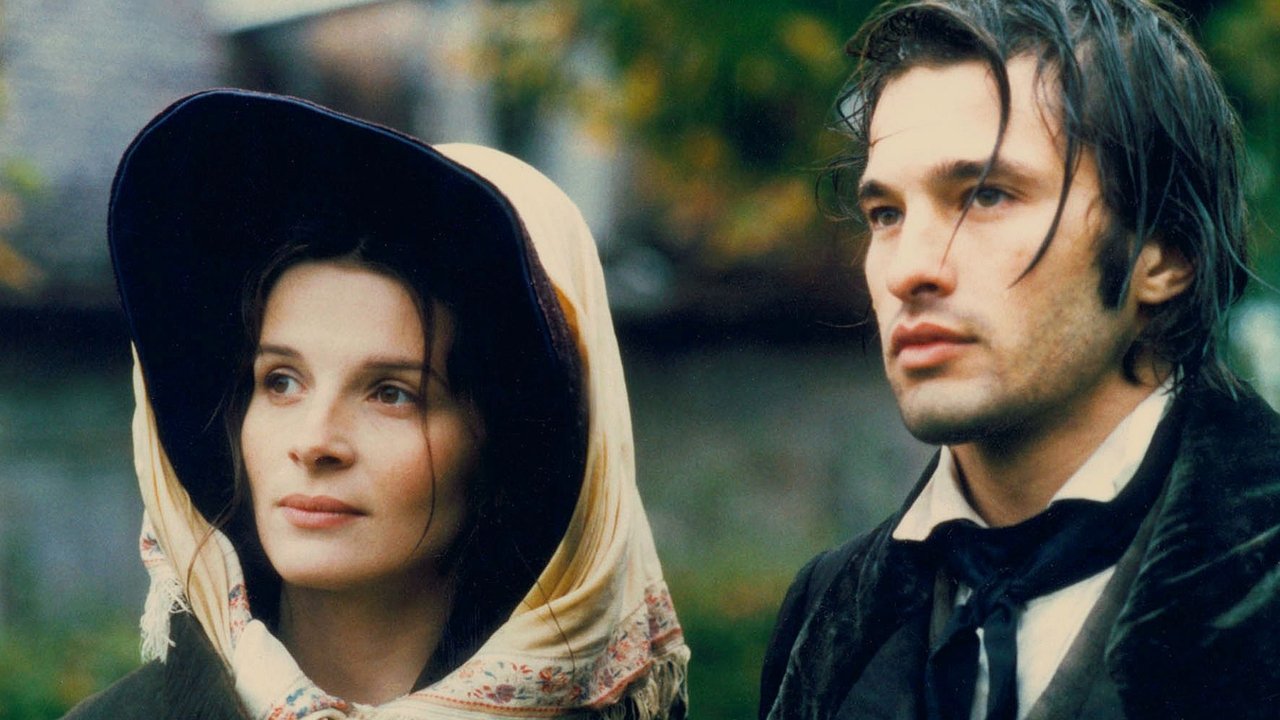
The chemistry between Martinez and Binoche is the beating heart of the film. Martinez, in a star-making role, perfectly embodies Angelo’s blend of youthful ardor, swordsman's skill, and unwavering integrity. He moves with a cat-like grace, whether scaling rooftops to avoid infected crowds (hence the title!) or tending gallantly to the afflicted. Binoche, already a luminous presence in international cinema and soon to capture hearts worldwide in The English Patient (1996), brings a grounded intelligence and quiet strength to Pauline. Their relationship unfolds not through grand declarations, but through shared glances, moments of vulnerability, and acts of profound courage in the face of overwhelming horror. It’s a romance born of desperation, respect, and the simple, undeniable need for human connection when the world seems intent on tearing itself apart. Does their bond feel earned? Absolutely, forged in the crucible of shared peril.
An Epic Undertaking
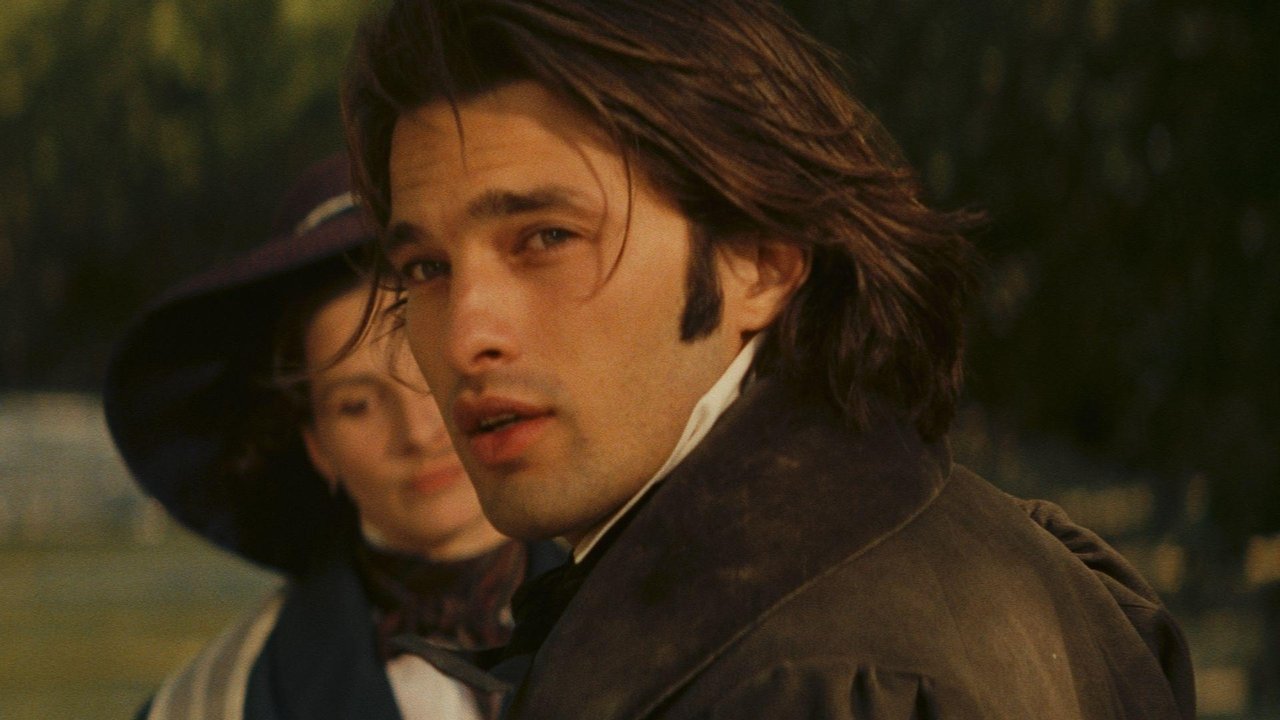
You can see every franc of the budget on screen. Adapted from the 1951 novel by Jean Giono, The Horseman on the Roof was reportedly the most expensive French film ever made at the time of its release (around 176 million Francs, a hefty sum then!). Rappeneau uses this canvas to paint a visually sumptuous epic. The cinematography captures the paradoxical beauty of Provence – sun-drenched hills juxtaposed with shadowy alleys filled with fear. The large-scale scenes depicting the plague's impact – the panicked mobs, the quarantine barricades, the chillingly efficient disposal of the dead – are staged with horrifying conviction, yet never feel gratuitously exploitative. There’s a deliberate, almost painterly quality to the compositions.
One fascinating tidbit is how Rappeneau and his team meticulously recreated the 1830s setting, filming across numerous stunning locations in Provence, including Cucuron, Manosque (Giono's hometown), and Aix-en-Provence. The challenge wasn't just the historical detail, but depicting the cholera epidemic – its swift, terrifying symptoms and the societal breakdown it caused – with a realism that felt authentic yet suitable for a grand adventure romance. It’s a tightrope walk managed with considerable skill. The practical effects, depicting the ravages of the disease, are grimly effective without overwhelming the human drama.
More Than Just Swashbuckling
While there are moments of thrilling action – rooftop chases, tense standoffs – the film resonates most deeply in its quieter observations. It probes questions about honor, duty, and compassion in the face of mass hysteria and death. Angelo's code compels him to help others, even at great personal risk, contrasting sharply with the fear-driven selfishness consuming many around him. What defines humanity when stripped bare by catastrophe? The film doesn't offer easy answers, but it presents these questions with weight and sincerity. It makes you wonder how we might react under such extreme pressure.
The supporting cast, including veteran French actor Pierre Arditi, adds texture and depth to the world. The screenplay, co-written by Rappeneau, Nina Companéez, and the legendary Jean-Claude Carrière (known for his collaborations with Luis Buñuel), balances the epic sweep with intimate character moments effectively. It’s a film that feels both grandly historical and deeply personal.
VHS Heaven Rating: 8/10
This score reflects the film's stunning visuals, compelling lead performances, ambitious scale, and thoughtful exploration of survival and human connection amidst crisis. It successfully blends adventure, romance, and historical drama into a unique and memorable whole. While the pacing might feel stately compared to modern blockbusters, its deliberate rhythm allows the atmosphere and characters to breathe. The Horseman on the Roof is a reminder of the kind of intelligent, visually rich epics that graced video store shelves, offering a different kind of cinematic nourishment.
It leaves you with lingering images – the lone figure against a vast, indifferent landscape, the flicker of courage in terrified eyes, the fragile beauty found even in the shadow of death. A truly transporting piece of cinema that deserves to be rediscovered.