Okay, rewind your mind back to 1995. The Cold War was officially over, the Berlin Wall was history, and frankly, many wondered if James Bond even had a place anymore. Six long years had passed since Timothy Dalton’s last outing in Licence to Kill (1989), the longest gap in the franchise's history up to that point. Then, like a Walther PPK emerging from the shadows, GoldenEye hit the screens – and video stores – announcing Bond was back, retooled and ready for a new world order. And man, did it feel like an event.
### A New Bond for a New Decade
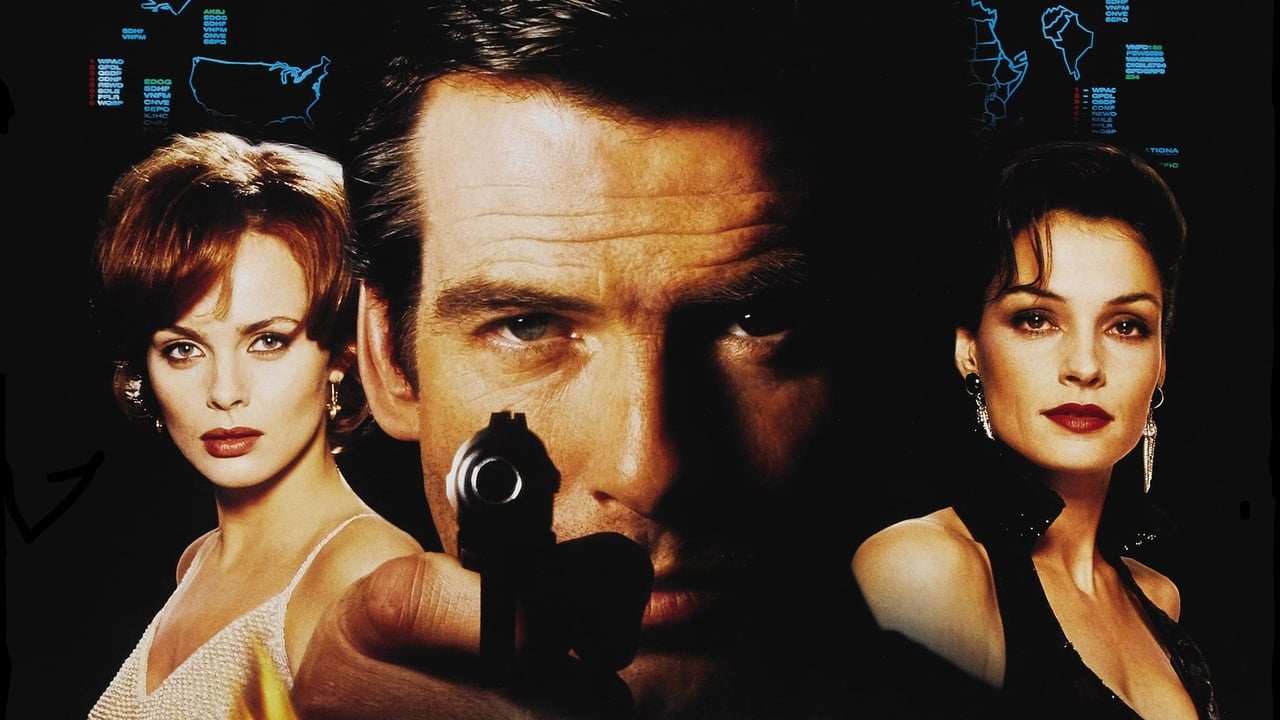
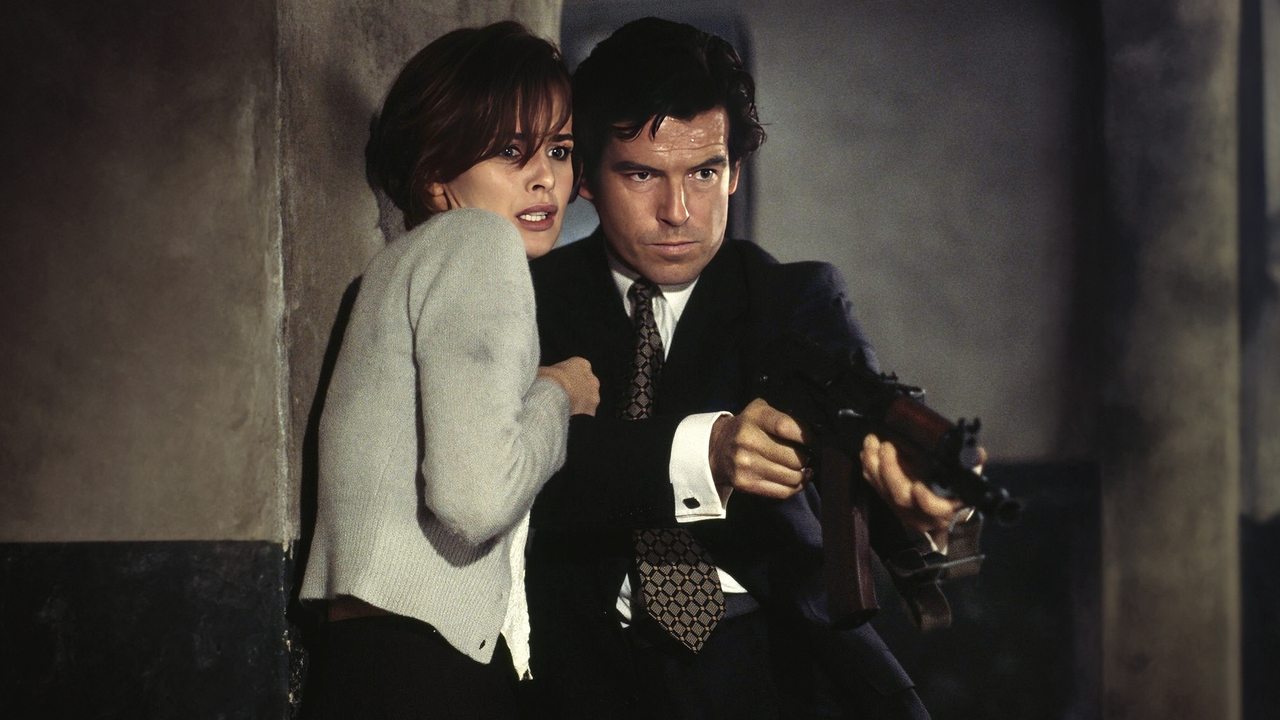
Stepping into the tuxedo was Pierce Brosnan, an actor who famously almost snagged the role years earlier for The Living Daylights (1987) before contractual obligations to TV's Remington Steele pulled him away. His arrival felt like destiny finally fulfilled. Brosnan brought a specific blend of suave charm reminiscent of Roger Moore but underscored it with a harder, more dangerous edge closer to Sean Connery, plus a hint of the weariness Dalton explored. He looked perfect, handled the action with athletic grace, and crucially, seemed comfortable navigating a world where his very relevance was questioned, both by M (now brilliantly played by Judi Dench in a stroke of casting genius) and the geopolitical landscape. It was a savvy move, acknowledging the changing times while reassuring us that some things – like Bond’s deadly effectiveness – remained constant.
### Action That Felt Dangerously Real
Let’s talk about why GoldenEye grabbed us by the lapels back then. Director Martin Campbell, who would later prove his Bond-rebooting credentials again with Casino Royale (2006), understood the assignment: deliver spectacle that felt grounded and visceral. Remember that opening sequence? The sheer audacity of that bungee jump off the Contra Dam in Switzerland? That wasn't CGI trickery, folks. That was legendary stuntman Wayne Michaels performing a world-record jump (over 720 feet!) for real. You felt the stomach lurch watching it on your chunky CRT, the slight tape wobble adding to the vertigo. It set the tone immediately: this Bond was playing for keeps, and the danger felt palpable.
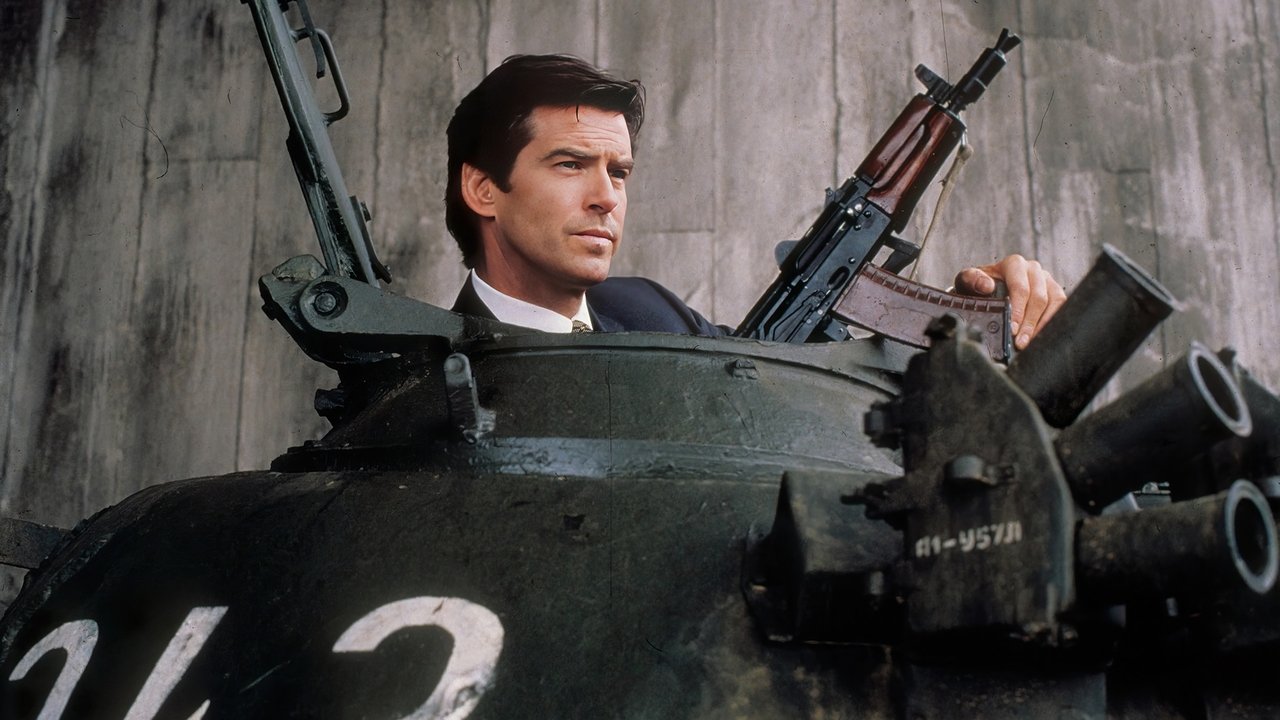
And who could forget the tank chase through St. Petersburg? This wasn't just a car chase; it was a glorious symphony of destruction orchestrated with a real T-54/55 tank (dressed up to look slightly more modern). Seeing that behemoth crashing through walls, scattering soldiers, and generally causing delightful mayhem felt incredibly raw and powerful. Campbell and the stunt team, led by coordinator Simon Crane, embraced practical effects with gusto. Buildings crumbled, vehicles exploded with satisfying fireballs, and bullet hits sparked convincingly. Compare that to some of today’s slicker, more digitized action – there’s a certain weight, a thrilling sense of physicality in GoldenEye's set pieces that feels uniquely tangible, a hallmark of the best 90s action filmmaking. They even built extensive sets replicating St. Petersburg streets at the then-newly converted Leavesden Studios (an old Rolls-Royce factory!) just to wreck them properly.
### More Than Just Explosions
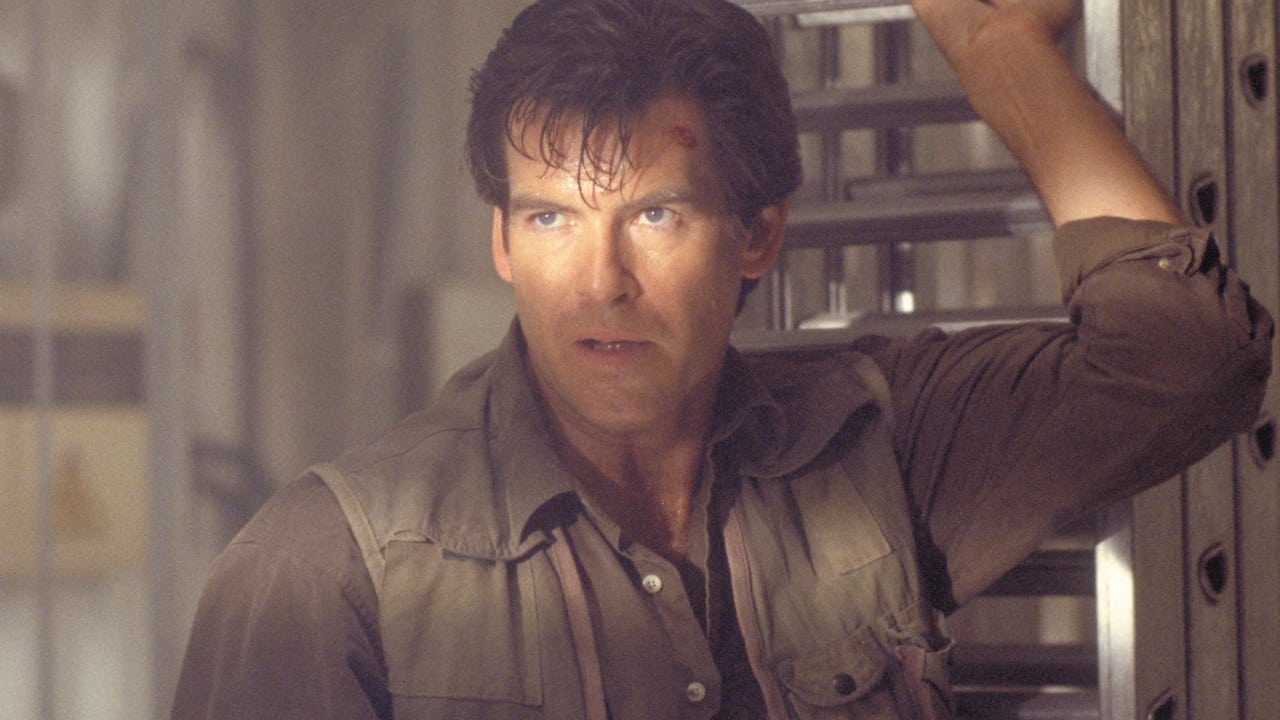
But GoldenEye wasn't just about the bangs. The script, credited to Michael France, Jeffrey Caine, and Bruce Feirstein, gave Bond one of his most personal threats yet. Sean Bean delivered a fantastic performance as Alec Trevelyan, 006, a former friend turned vengeful adversary. His motivation felt credible within the post-Soviet chaos, and his shared history with Bond added genuine dramatic weight. Their brutal showdown amidst the giant satellite dish framework is a masterclass in escalating tension and brutal choreography – a fight that feels earned.
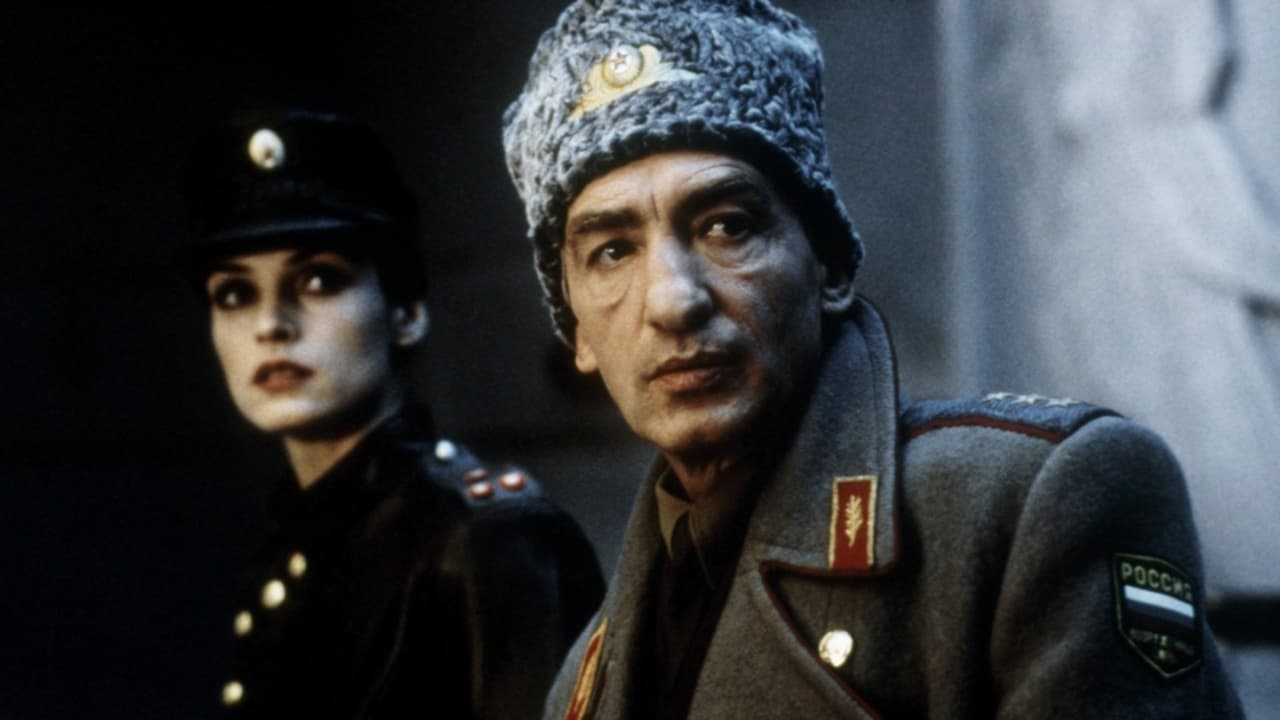
We also got memorable supporting characters. Izabella Scorupco as Natalya Simonova was a refreshing change – a highly intelligent computer programmer crucial to the plot, not just arm candy. And then there was Famke Janssen as Xenia Onatopp, a villainous henchwoman who quite literally squeezed the life out of her victims with her thighs. Over the top? Absolutely. Unforgettable? You betcha. She perfectly embodied the film's blend of serious stakes and playful Bond absurdity.
Adding to the atmosphere was the score by Éric Serra, known for his work with Luc Besson (Léon: The Professional, The Fifth Element). It was… controversial. The moody, electronic soundscapes were a departure from the traditional lush orchestrations of John Barry, and definitely divided fans. I personally found it grew on me, adding a cool, modern edge, but yeah, it wasn't your dad's Bond score. Still, nobody could argue with the power of the title theme performed by the legendary Tina Turner, co-written by U2's Bono and The Edge – pure 90s Bond bombast in the best way.
### The Verdict on Rewind
GoldenEye wasn't just a movie; for many of us, it was also the basis for one of the most iconic video games ever on the Nintendo 64, which further cemented its place in 90s culture. But focusing purely on the film, its success was undeniable. Made for around $60 million, it pulled in over $350 million worldwide, emphatically proving Bond was still a box office powerhouse. Critics were generally positive, welcoming Brosnan and appreciating the updated feel.
Watching it today, some of the tech looks charmingly dated (dial-up modems!), and Serra's score remains a point of discussion. But the core strengths endure: Brosnan's confident debut, Bean's excellent villain, the smart post-Cold War update, and most importantly, those spectacular, largely practical action sequences that still deliver a punch. It successfully navigated the tricky task of modernizing Bond while retaining the core elements that made us love the character in the first place. It felt both familiar and thrillingly new back on that worn-out rental tape.
VHS Heaven Rating: 9/10
Justification: GoldenEye earns this high score for successfully resurrecting the Bond franchise with style and substance. Pierce Brosnan immediately owns the role, the action sequences (especially the tank chase and dam jump) are iconic examples of large-scale practical stunt work, Sean Bean provides one of the series' best villains, and the film smartly navigates its post-Cold War setting. While the score is divisive and some elements feel distinctly 90s, its overall impact, energy, and sheer entertainment value make it a standout entry and a perfect snapshot of blockbuster filmmaking transitioning into a new era.
Final Thought: Crackling with real explosions and Brosnan's cool charisma, GoldenEye proved Bond didn't need the Cold War – just a good villain, a bigger tank, and the guts to pull off stunts that still make you grip the armrest, even through the VHS static.