It’s almost hard to recall a time before Pixar was the animation titan we know today, but back in 1998, the pressure cooker was on. Following the groundbreaking, industry-shattering success of Toy Story (1995), all eyes were on what John Lasseter and his fledgling digital dream factory would do next. Could they capture lightning in a bottle twice? The answer arrived in the vibrant, sprawling, and utterly charming form of A Bug's Life, a film that didn't just replicate success, but expanded the very canvas of what computer animation could achieve, proving Pixar was no one-hit wonder. It felt like stepping into a secret world beneath our feet, suddenly rendered vast and spectacular on the TV screen.
### Small Heroes, Big Stakes
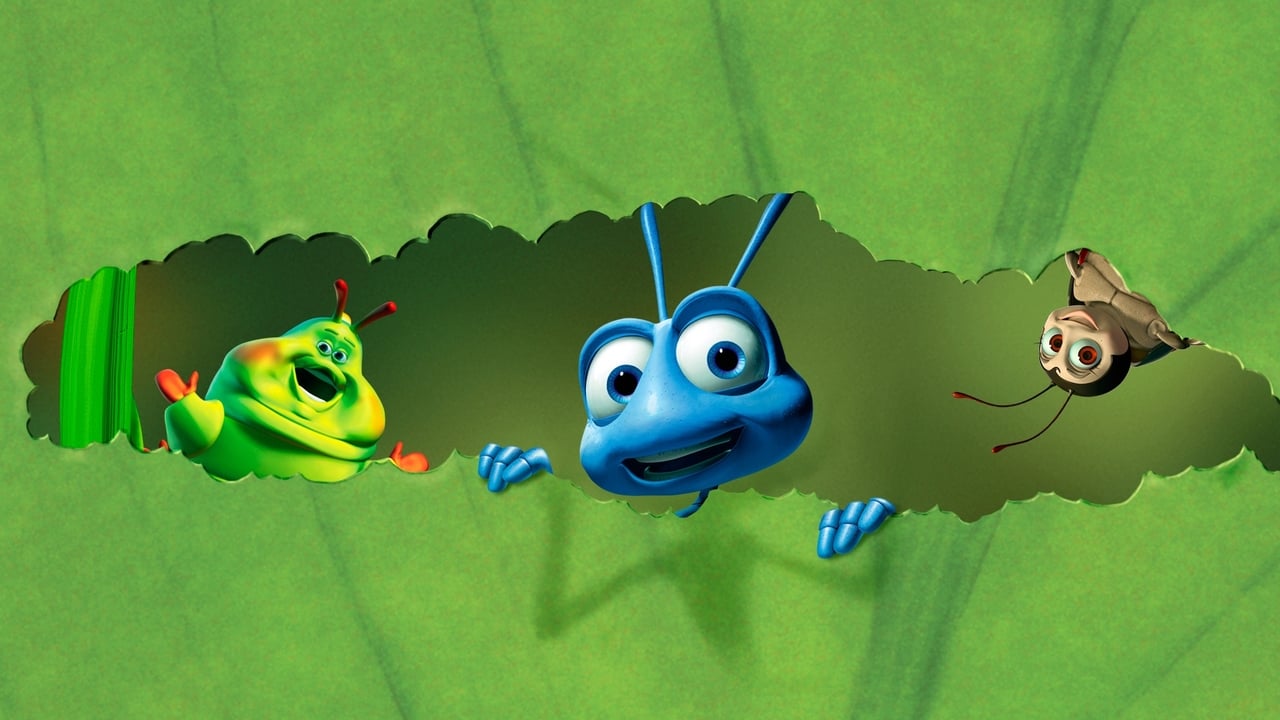
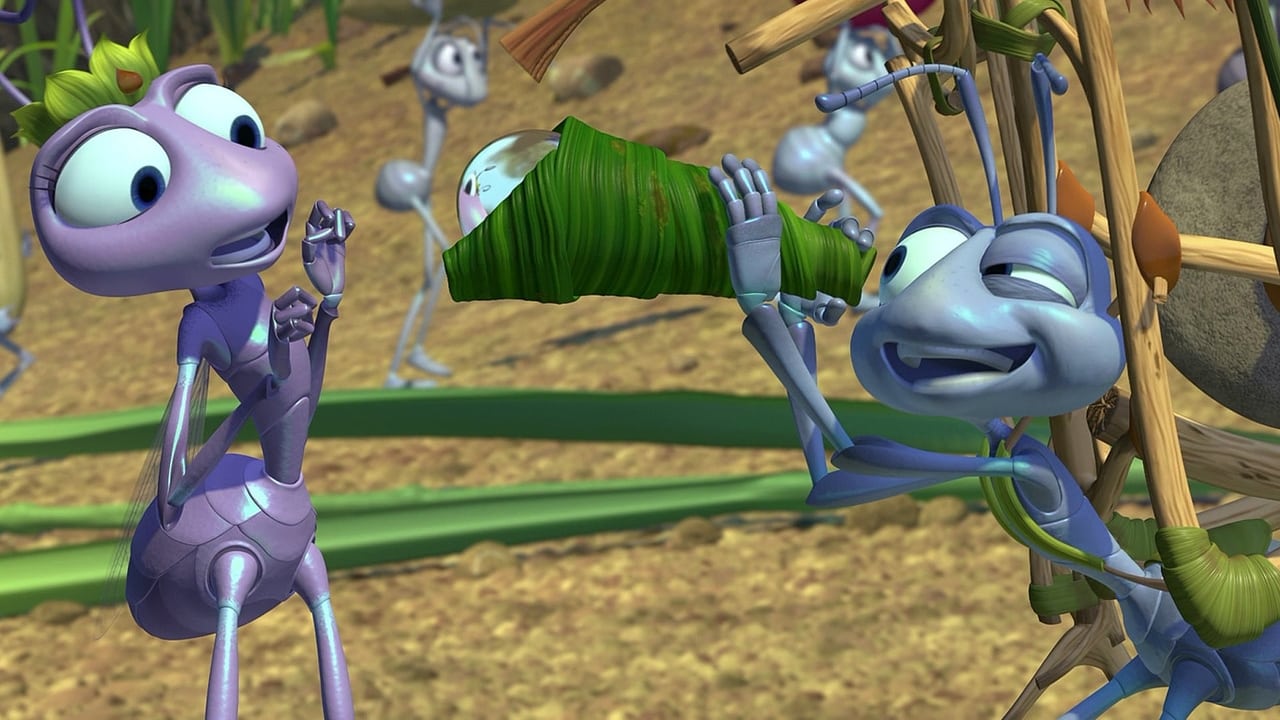
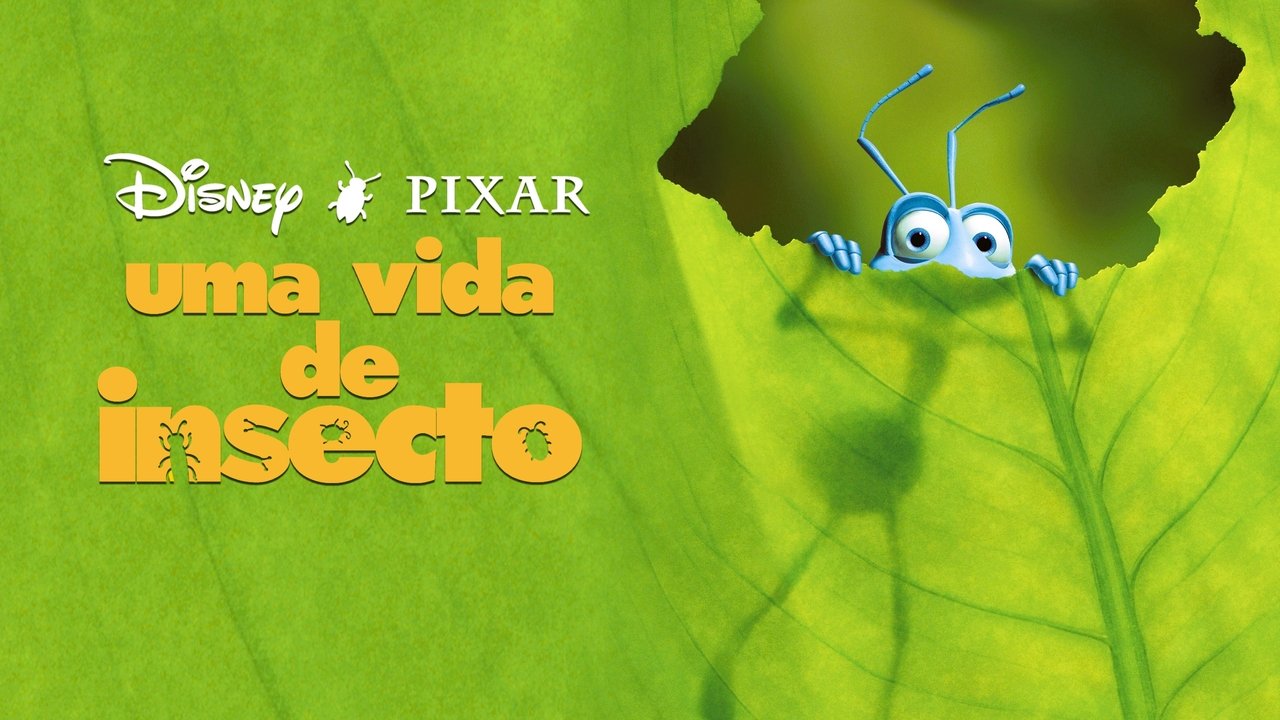
At its heart, A Bug's Life spins a classic underdog tale, inspired loosely by Aesop's fable "The Ant and the Grasshopper" and, more overtly, by Akira Kurosawa's legendary Seven Samurai (1954). We meet Flik (Dave Foley, perfectly cast for his earnest, slightly nerdy charm familiar to fans of NewsRadio), an inventive but accident-prone ant whose latest mishap destroys the colony's offering to the menacing grasshoppers, led by the genuinely terrifying Hopper (Kevin Spacey, delivering a chillingly authoritative vocal performance). Tasked with finding "tough warrior bugs" to defend the colony, Flik ventures out and, through a classic case of mistaken identity, recruits a troupe of down-on-their-luck circus performers. It’s a simple premise, perhaps, but executed with such wit and visual flair that it immediately pulls you in. The stakes feel genuinely high for these little ants, ruled by the wise Princess Atta (Julia Louis-Dreyfus) and her adorable younger sister Dot (Hayden Panettiere in one of her earliest roles).
### A Circus of Unforgettable Characters
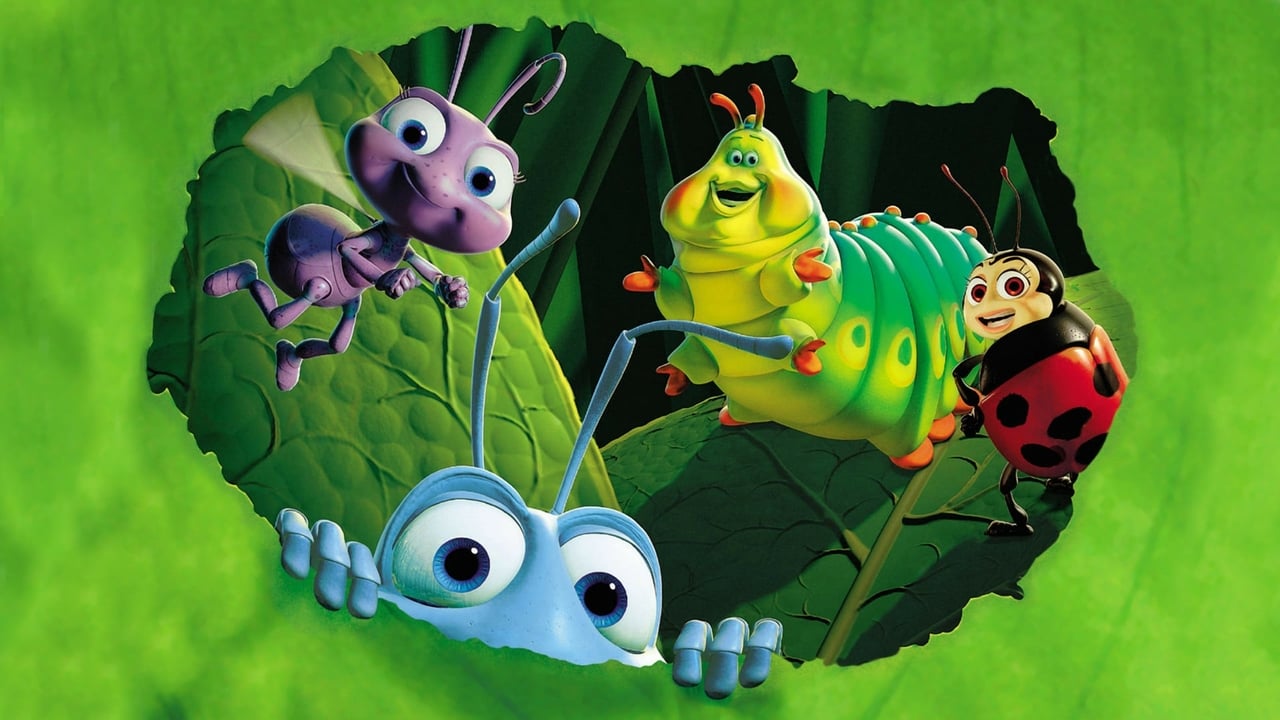
Where A Bug's Life truly shines is in its ensemble cast of invertebrate misfits. The circus bugs aren't warriors, but they possess unique talents and personalities that endear them instantly. Who could forget Francis the ladybug (Denis Leary, hilariously playing against type), constantly mistaken for a female? Or Heimlich the caterpillar (Joe Ranft, a Pixar story legend sadly no longer with us), dreaming of becoming a beautiful butterfly? There's also Slim the walking stick (David Hyde Pierce, channeling his inner Niles Crane), Manny the praying mantis magician (Jonathan Harris), Gypsy the moth (Madeline Kahn), Rosie the black widow spider (Bonnie Hunt), and the inseparable pill bug duo Tuck and Roll (Michael McShane). Each character gets their moment, contributing to the film's humor and heart. Their eventual, accidental heroism feels earned and wonderfully satisfying. I remember desperately wanting a toy version of Dim, the lumbering rhinoceros beetle (Brad Garrett), after seeing the film – he just seemed like such a gentle giant.
### A Leap in Digital Artistry
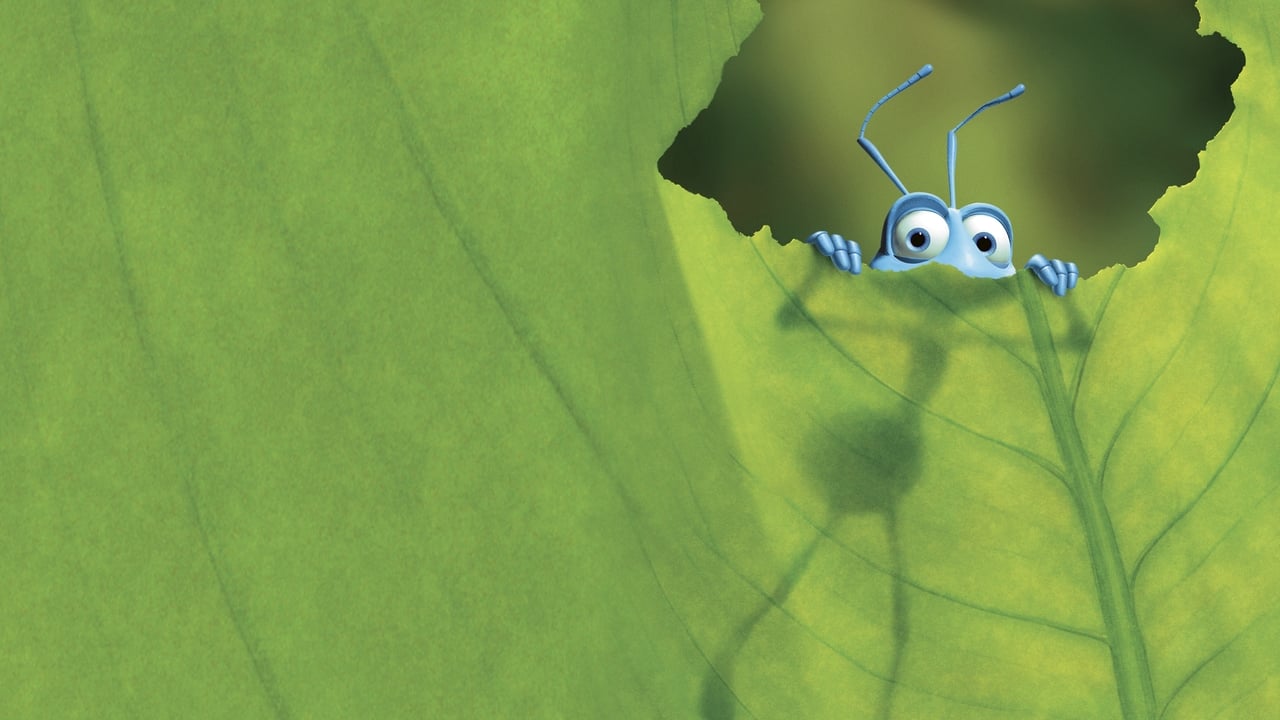
Visually, A Bug's Life was a monumental step forward from Toy Story. While Toy Story brilliantly rendered the textures of plastic and wood, A Bug's Life tackled the organic world – glistening dew drops, translucent wings, dappled sunlight filtering through leaves, and vast underground chambers. The sense of scale is magnificent; blades of grass tower like skyscrapers, and a bird attack feels like a kaiju encounter. Co-directed by John Lasseter and Andrew Stanton (who would later helm Finding Nemo and WALL-E), the film showcased Pixar's rapidly evolving technical prowess. Handling the sheer number of ants in crowd scenes was a significant challenge; sophisticated software had to be developed just to make those colony shots possible without every ant looking identical or moving in perfect synchrony. It cost a reported $120 million to make – a hefty sum for animation then – but the payoff was evident on screen, resulting in a worldwide gross of over $363 million, cementing Pixar's bankability.
### Bugs, Bloopers, and Behind-the-Scenes Buzz
No discussion of A Bug's Life is complete without mentioning its famous "twin film" rival, DreamWorks' Antz, which arrived in theaters just weeks earlier. The competing productions stemmed from the infamous departure of Jeffrey Katzenberg from Disney (Pixar's distributor) to co-found DreamWorks, leading to a race to release insect-themed CGI features. While Antz took a slightly more adult, neurotic approach, A Bug's Life captured a broader audience with its bright optimism and adventure. A fascinating piece of trivia often shared is how the Pixar team, feeling slighted by the Antz situation, doubled down on making their film visually stunning and emotionally resonant.
And who could forget the end credits? A Bug's Life pioneered the beloved Pixar tradition of including fake "bloopers," showcasing the animated characters messing up lines, bumping into scenery, and generally behaving like actors on a real film set. It was a stroke of genius, adding another layer of charm and personality, making these digital creations feel remarkably alive. I recall staying glued to my seat in the theater (and later, rewinding the VHS tape endlessly) just to catch every single gag. These weren't just technical showcases; they were pure comedic gold that humanized the digital cast.
### The Verdict
A Bug's Life might occasionally be overshadowed by the later masterpieces in Pixar’s incredible filmography, but revisiting it is like rediscovering a treasured childhood adventure. Its animation, groundbreaking for 1998, still holds up remarkably well, brimming with detail and imagination. The story, while drawing from familiar archetypes, is told with wit, warmth, and genuine excitement. The characters, especially the delightful circus bugs and the truly menacing Hopper, are memorable and brilliantly voiced. It successfully navigated the immense pressure of being Pixar's second feature, proving their storytelling and technical magic was here to stay. It might not have the intricate emotional depth of Up or Inside Out, but its spirit of adventure, its humor, and its visual splendor make it an enduring classic of 90s animation.
Rating: 8.5/10
This rating reflects the film's significant technical achievements for its time, its incredibly charming ensemble cast, effective villain, and genuinely funny script. It successfully blends adventure and comedy, creating a world that felt vast and wondrous back in '98 and still holds a special charm today. It’s pure, unadulterated Pixar fun from their early, defining years.
So, grab that metaphorical worn-out VHS copy off the shelf in your memory. A Bug's Life remains a delightful journey to a miniature world full of big heroes and even bigger laughs – a testament to the magic that happens when imagination takes flight... even on tiny wings.