Okay, pop that tape in… wait, maybe this one came out just as DVDs were taking over? Ah, who cares – Christopher Guest’s Best in Show (2000) feels like pure VHS Heaven gold, even if it technically arrived at the dawn of a new millennium. It has that same quirky, lightning-in-a-bottle energy of the best oddball comedies we used to discover tucked away on the rental store shelves. This wasn't about explosions or car chases, but believe me, the tension courtside at the Mayflower Kennel Club Dog Show felt just as high-stakes, delivered with a brand of comedy so sharp it could draw blood (metaphorically speaking, of course).
### Welcome to the Doghouse
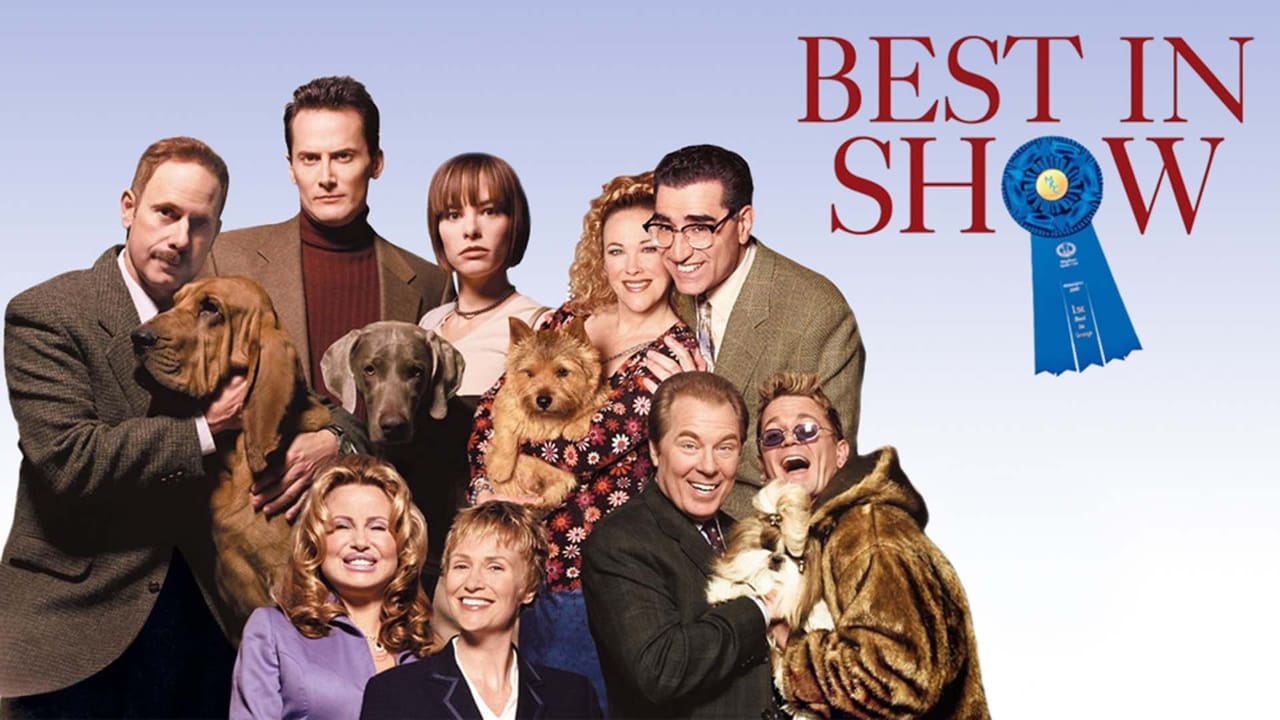
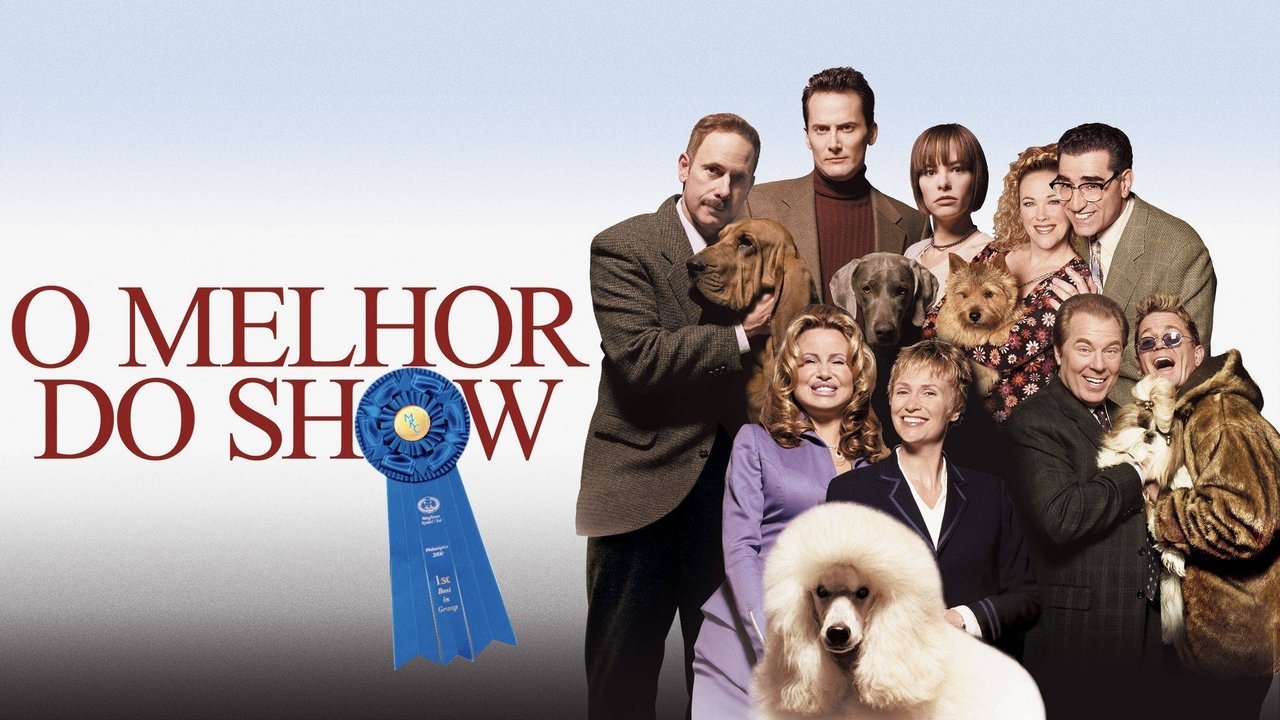
Forget intricate plots; Best in Show plunges us headfirst into the gloriously eccentric world of competitive dog shows, following a handful of hopefuls preparing for the big event. Co-written by Guest and the indispensable Eugene Levy (who previously collaborated on the equally brilliant Waiting for Guffman (1996)), the film employs the mockumentary style Guest had already helped pioneer with This Is Spinal Tap (1984). The result is something that feels startlingly real, even as the characters spiral into delightful absurdity. You've got the high-strung yuppie couple, Meg and Hamilton Swan (Parker Posey and Michael Hitchcock), whose matching outfits and therapy sessions for their neurotic Weimaraner, Beatrice, are just the tip of the anxiety iceberg. Their meltdown over a lost bumblebee dog toy is comedic perfection, capturing a specific kind of privileged panic that feels both alien and somehow recognizable. Posey, an indie queen of the 90s, is just electric here, vibrating with frantic energy.
### Unleashing the Talent
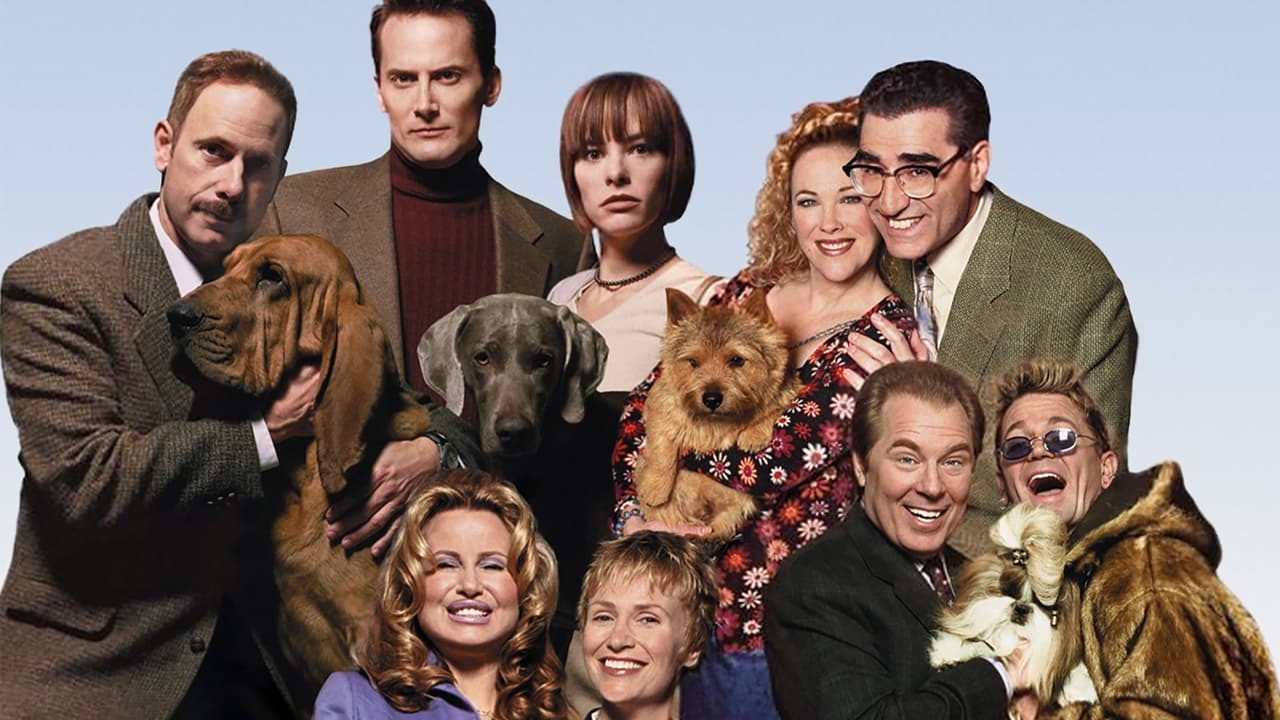
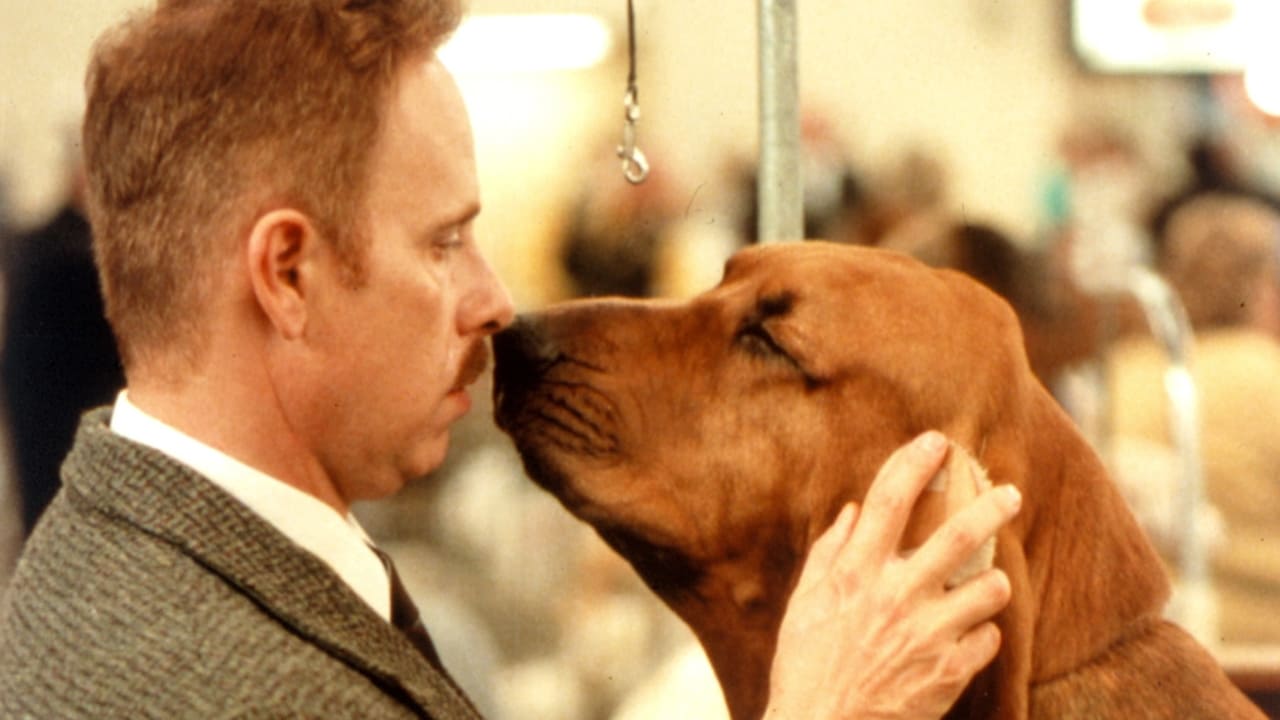
Then there's Gerry and Cookie Fleck (Eugene Levy and the legendary Catherine O'Hara) from Florida, whose Norwich Terrier, Winky, is their pride and joy. Levy plays the supportive, slightly hapless husband (born with two left feet, literally) to O'Hara's Cookie, a woman whose past seems to include romantic entanglements with half the men they encounter on their trip. Watching O'Hara navigate these awkward reunions with cheerful obliviousness is a masterclass in comedic timing. And who could forget Harlan Pepper (Christopher Guest himself), the quiet, unassuming bloodhound owner from Pine Nut, North Carolina, whose true passions seem to involve fly-fishing catalogues, ventriloquism, and naming nuts? Guest plays him with such understated weirdness; it’s brilliant. A fun fact: Guest is actually a skilled ventriloquist, adding another layer to Harlan's peculiar charm.
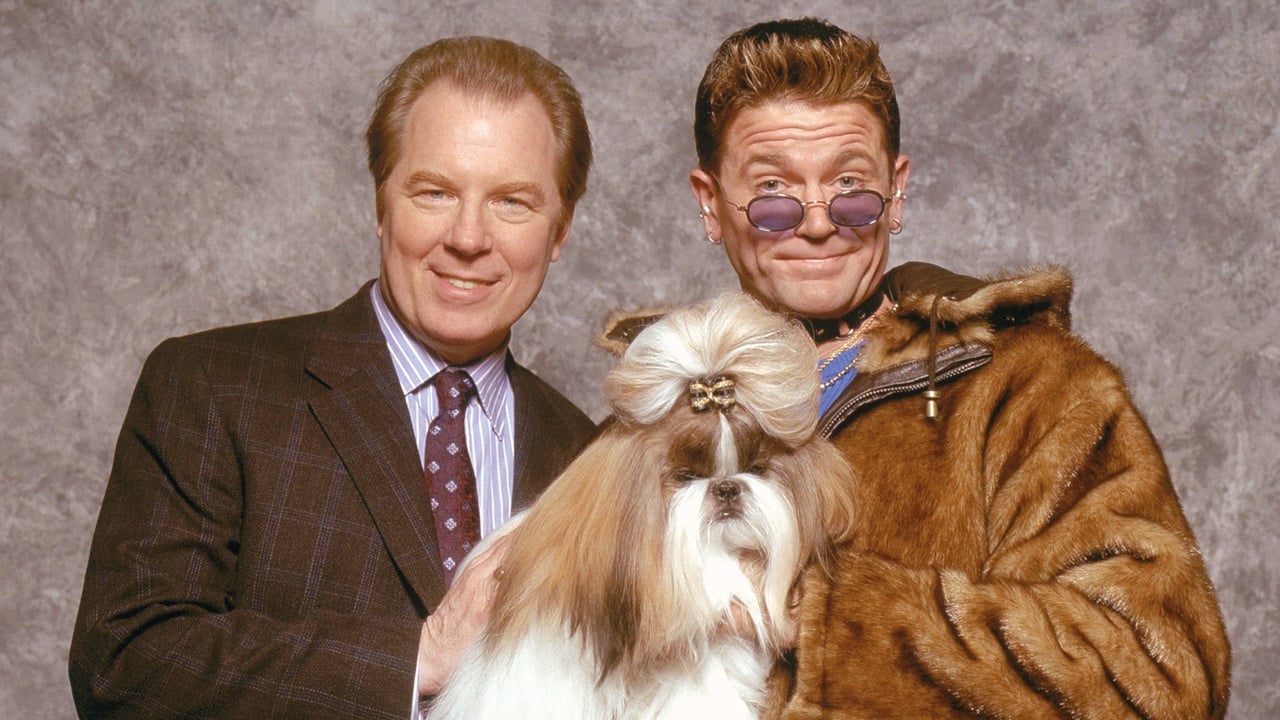
Rounding out the core group are Stefan and Scott (John Michael Higgins and Michael McKean, another Spinal Tap alum), a flamboyant Shih Tzu-owning couple whose commentary often provides some of the film's most quotable lines, and the formidable pairing of wealthy, aging trophy wife Sherri Ann Cabot (Jennifer Coolidge) and her no-nonsense lesbian dog trainer Christy Cummings (Jane Lynch). Coolidge delivers a performance so iconic, it arguably cemented her status as a comedy powerhouse, while Lynch’s deadpan severity is the perfect foil. Their dynamic, simmering with unspoken tensions and fueled by Sherri Ann’s clueless narcissism, is pure gold.
### The Improv Advantage
What makes Best in Show feel so alive, so hilariously unpredictable, is the heavily improvised nature of the performances. Guest and Levy provided the actors with detailed character backstories and scene outlines, but the dialogue? That was largely born in the moment. This approach, a hallmark of Guest's mockumentaries, requires actors who are not just funny, but incredibly quick-witted and deeply attuned to their characters. It leads to those moments of sublime awkwardness and unexpected honesty that scripted comedies often struggle to capture. Reportedly, hours upon hours of footage were shot, with the final film meticulously crafted in the editing room – a testament to the skill involved in making improvisation look so effortless. It's a different kind of "practical effect" – the raw, unscripted reactions and interactions feel more real than any CGI character ever could. Remember how real those awkward silences felt?
### A Champion of Comedy
While it wasn't a massive blockbuster ($18.7 million budget yielding around $21 million worldwide), Best in Show earned rave reviews upon release and quickly achieved cult classic status. Critics adored its cleverness and heart, and audiences found endless joy in quoting its lines ("We have so much in common, we both love soup..."). It didn’t need explosions; the fireworks were in the character interactions, the cringe-inducing situations, and the surprising moments of genuine warmth beneath the satire. The film gently pokes fun at the obsessive nature of hobbyists, but it never feels mean-spirited. There’s an underlying affection for these oddballs and their beloved pets. Director Guest clearly has a soft spot for dogs himself, and it shows.
VHS Heaven Rating: 9/10
Why this score? Best in Show is a near-perfect execution of the mockumentary form. Its brilliance lies in the stellar ensemble cast, the largely improvised dialogue that sparkles with wit and awkward genius, and the affectionate yet sharp satire of a peculiar subculture. It loses a single point only because, by its nature, the plot is intentionally slight, focusing entirely on character vignettes leading up to the show. But what vignettes!
Final Thought: Forget the digital perfection of today; Best in Show captures the glorious, unpredictable messiness of human (and canine) interaction with a charm that feels timeless. It’s a reminder that sometimes, the most memorable spectacles are the ones happening just outside the spotlight, fueled by questionable fashion choices and a whole lot of heart. A true champion, even without a blue ribbon.