Okay, pop that tape in, adjust the tracking just so, and settle in. Remember stumbling across those quirky, unassuming VHS boxes at the rental store? The ones with maybe slightly odd cover art that promised something… different? Sometimes you hit gold. Friends, finding Christopher Guest's 1996 masterpiece Waiting for Guffman felt exactly like striking comedic paydirt, a discovery that only got better with repeated viewings on that trusty VCR.
### Blaine, Missouri: Where Dreams are Staged (Poorly)
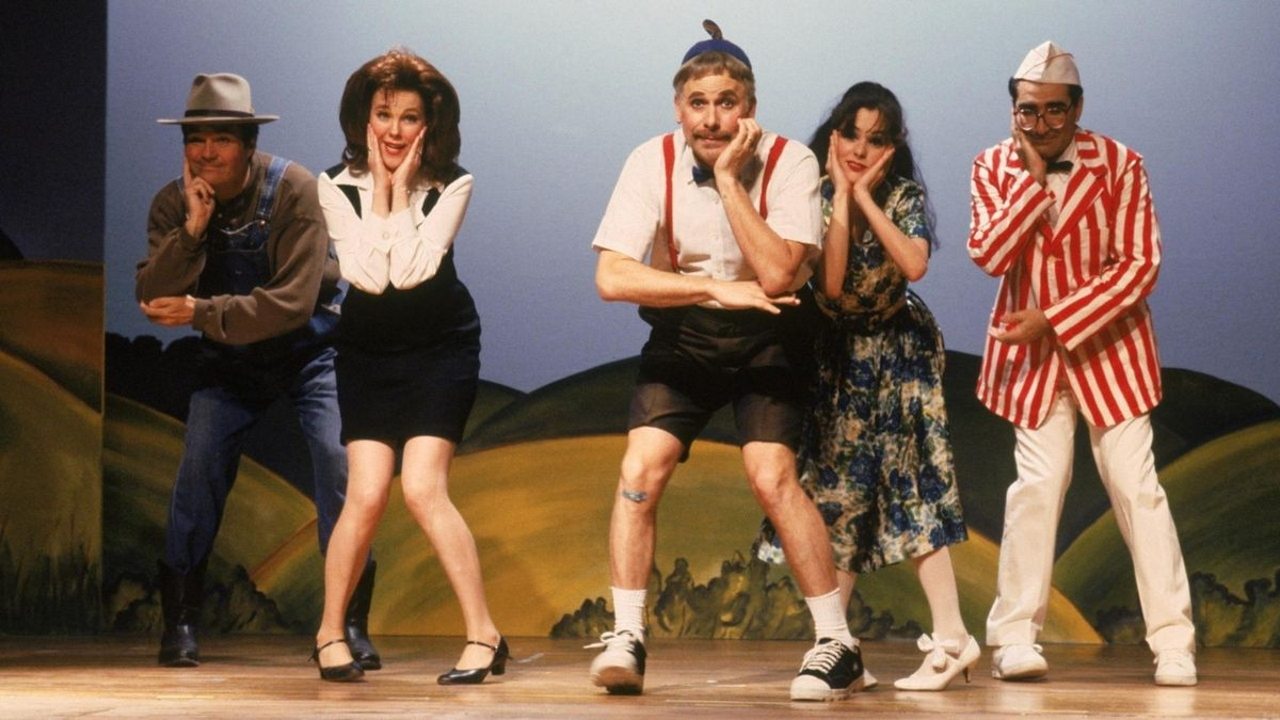
The premise is deceptively simple, delivered with the pitch-perfect deadpan that would become Guest's trademark. We're dropped into the fictional burg of Blaine, Missouri – the "Stool Capital of the World" – as it prepares for its sesquicentennial celebration. The centerpiece? An original musical revue titled "Red, White, and Blaine," spearheaded by the irrepressibly enthusiastic, and perhaps slightly delusional, community theatre director Corky St. Clair (Christopher Guest himself, in a performance of flamboyant, repressed genius). Corky gathers a troupe of local hopefuls: the sweetly oblivious dentist Dr. Allan Pearl (Eugene Levy), his effervescent wife Sheila (Catherine O'Hara, whose audition song about her husband's crossed eyes is an all-timer), the swaggering travel agent Ron Albertson (Fred Willard, embodying oblivious confidence), and the Dairy Queen ingenue Libby Mae Brown (Parker Posey, capturing youthful hope with painful accuracy). Their mission: to create a historical pageant worthy of Blaine... and, crucially, worthy of a potential Broadway scout named Mort Guffman, whose expected attendance fuels their wildest fantasies.
### The Art of the Awkward Pause
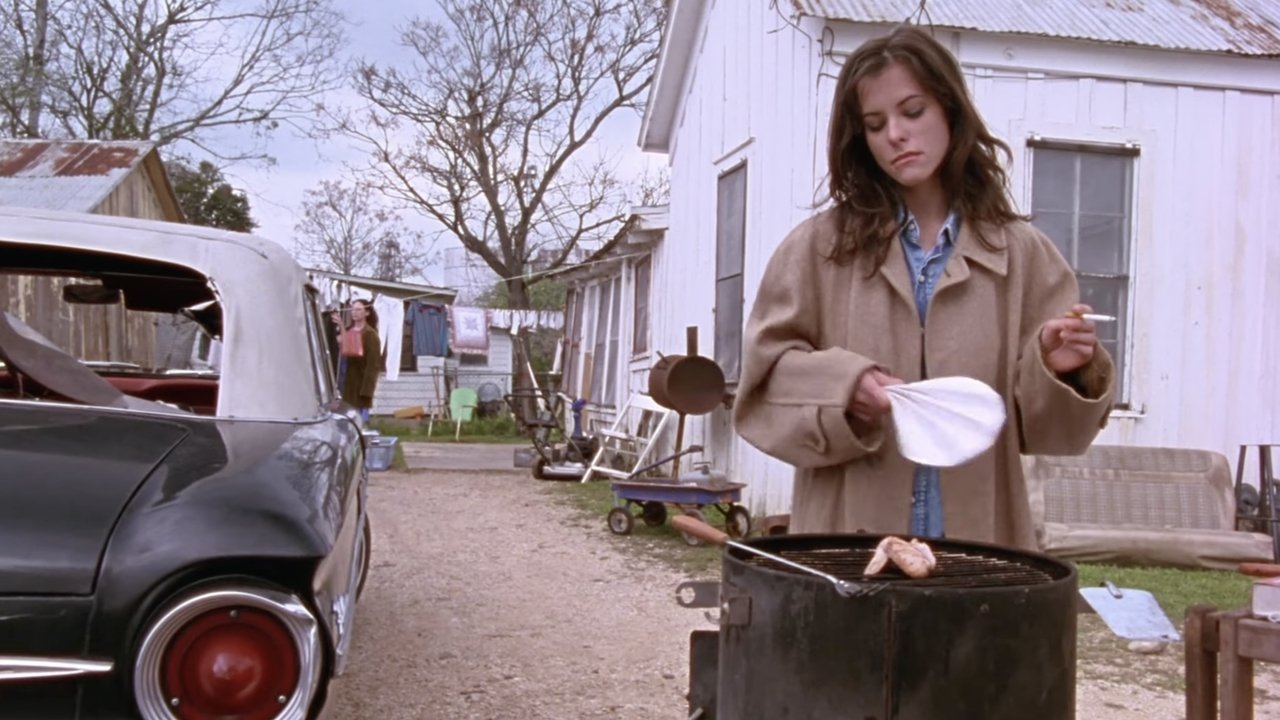
What makes Waiting for Guffman transcend mere parody is its foundation in improvisation and its deep affection for its characters. Co-written by Guest and Levy (who honed their skills together on SCTV and films like This Is Spinal Tap), the film was reportedly built around a detailed outline, but the dialogue? Largely improvised by this incredible ensemble cast. This wasn't just winging it; the actors developed rich backstories for their characters, allowing them to react organically, hilariously, and often poignantly within the framework. It’s this commitment that gives the film its unique texture – that feeling of eavesdropping on real, albeit deeply eccentric, people. Remember how raw and immediate improv could feel compared to tightly scripted comedies? That energy crackles here. Filmed mostly in Lockhart, Texas, the mundane settings perfectly underscore the characters' soaring, often misguided, ambitions.
### Crafting Comedy Gold from Humble Materials
Let's talk about the "show within the show." "Red, White, and Blaine" is a masterclass in capturing the specific, earnest awfulness of amateur dramatics. The historical inaccuracies, the bizarre musical numbers ("Nothing Ever Happens on Mars"? Pure gold!), the questionable choreography – it's all rendered with such loving detail. There's no sneering cruelty here; Guest finds the humour in the characters' sincerity, in their desperate belief that this is their shot. Catherine O'Hara, who snagged a Golden Globe nomination for her role, and Fred Willard are particular standouts, delivering lines with a sublime lack of self-awareness that is comedy perfection. Did you know O'Hara and Levy based their characters' look partly on a picture they found of a couple with matching sweaters and perms? That attention to detail grounds the absurdity.
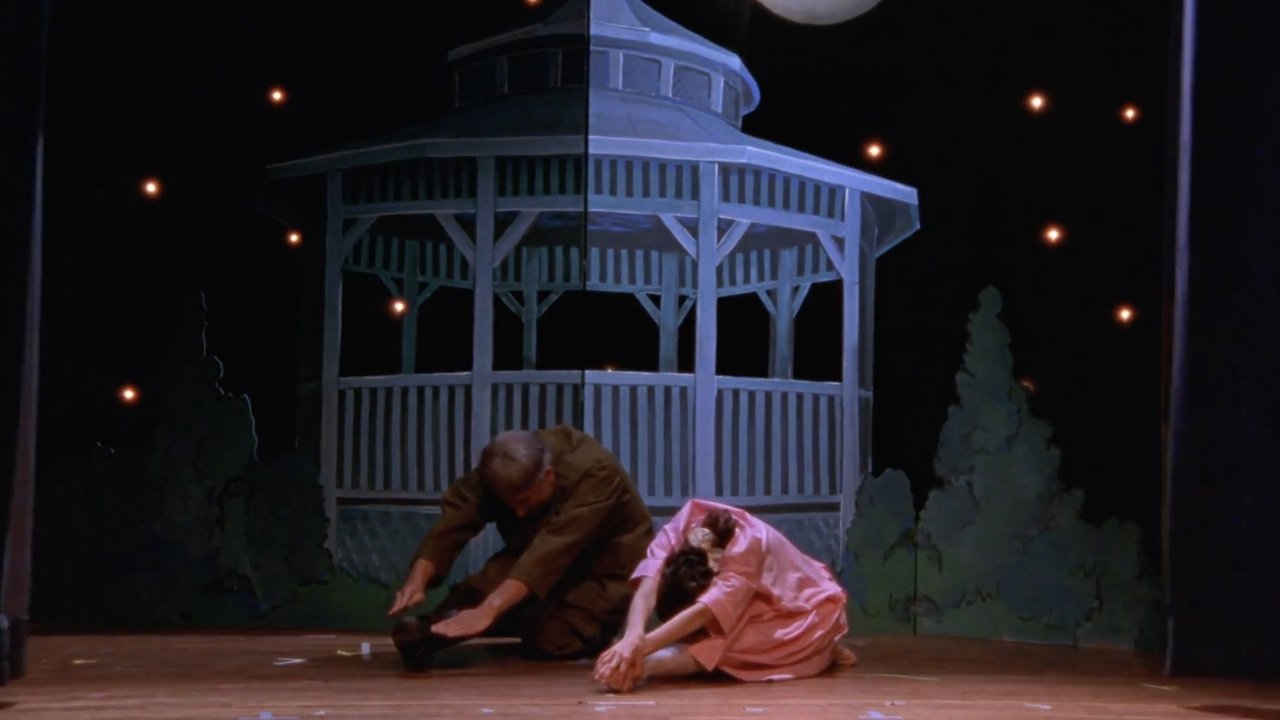
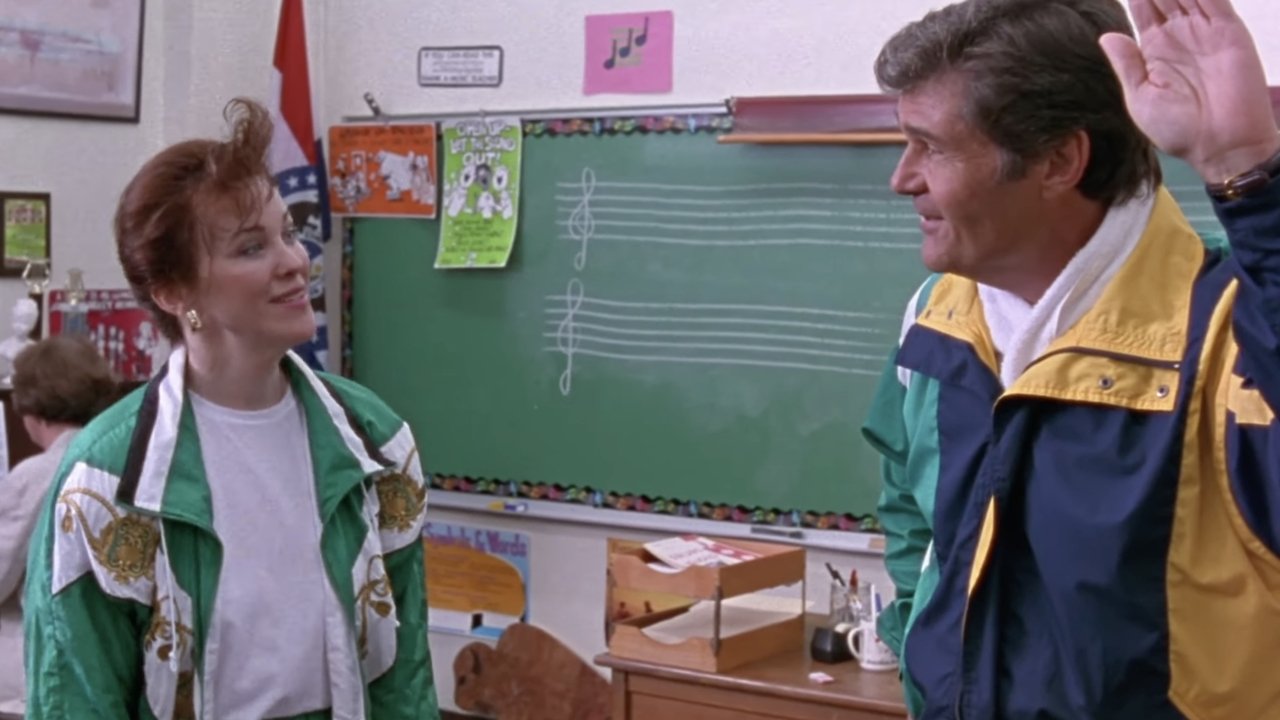
The film’s visual style mirrors its content – it’s shot like a genuine documentary, favouring realism over flashy technique. Watching it on VHS, maybe with the picture slightly soft around the edges, almost enhanced that feeling. You weren't watching Hollywood stars; you felt like you were watching real people from Blaine, captured by a slightly shaky camera. This low-key approach makes the eventual emotional beats – the dashed hopes, the quiet moments of disappointment – land with surprising weight amidst the laughter.
### The Verdict from the Back Row
Waiting for Guffman wasn't a box office smash upon release – its $4 million budget barely recouped about $3 million initially – but oh, how it found its people on home video. It became a quintessential cult classic, passed around on tapes, quoted endlessly by fans who recognized the hilarious, heartbreaking truth in its portrayal of small-town dreamers. It cemented Christopher Guest's status as the king of the modern mockumentary, paving the way for beloved follow-ups like Best in Show (2000) and A Mighty Wind (2003), often featuring the same brilliant ensemble cast. The title itself, a nod to Beckett's "Waiting for Godot," perfectly encapsulates the film's blend of absurdity and existential longing, even if the only thing truly absent is the titular talent scout himself.
Rating: 9/10
Why a 9? Because Waiting for Guffman is a near-perfect specimen of its kind. It’s excruciatingly funny, deeply human, and endlessly rewatchable. The improvisational brilliance of the cast, Guest's assured direction, and the surprisingly touching core make it a standout not just of 90s comedy, but of the entire mockumentary genre. It loses perhaps a single point only because its specific brand of cringe-comedy, while masterful, might occasionally make you want to watch through your fingers – but that’s part of its genius.
Final Take: For anyone who ever poured their heart into a school play, a local talent show, or just dreamed a little too big, Waiting for Guffman remains a painfully funny, surprisingly soulful echo from the aisles of the video store – a reminder that sometimes the most memorable shows happen far, far away from Broadway. It's more than just laughs; it's lightning in a bottle... or maybe just a really ambitious community theatre production captured on tape.