It arrived just as one century bled into the next, a film feeling both profoundly historical and disturbingly immediate. Kamal Haasan's Hey Ram (2000) wasn't the kind of movie you casually picked up at the video store expecting straightforward entertainment. Even its box art hinted at something heavier, more complex. Watching it then, perhaps initially on a newly acquired DVD player rather than a trusty VCR, felt like encountering a different kind of cinematic beast – ambitious, sprawling, and unafraid to plunge into the darkest corners of India's turbulent past. It demanded attention, patience, and a willingness to grapple with uncomfortable truths.
A Scar on the Soul of a Nation
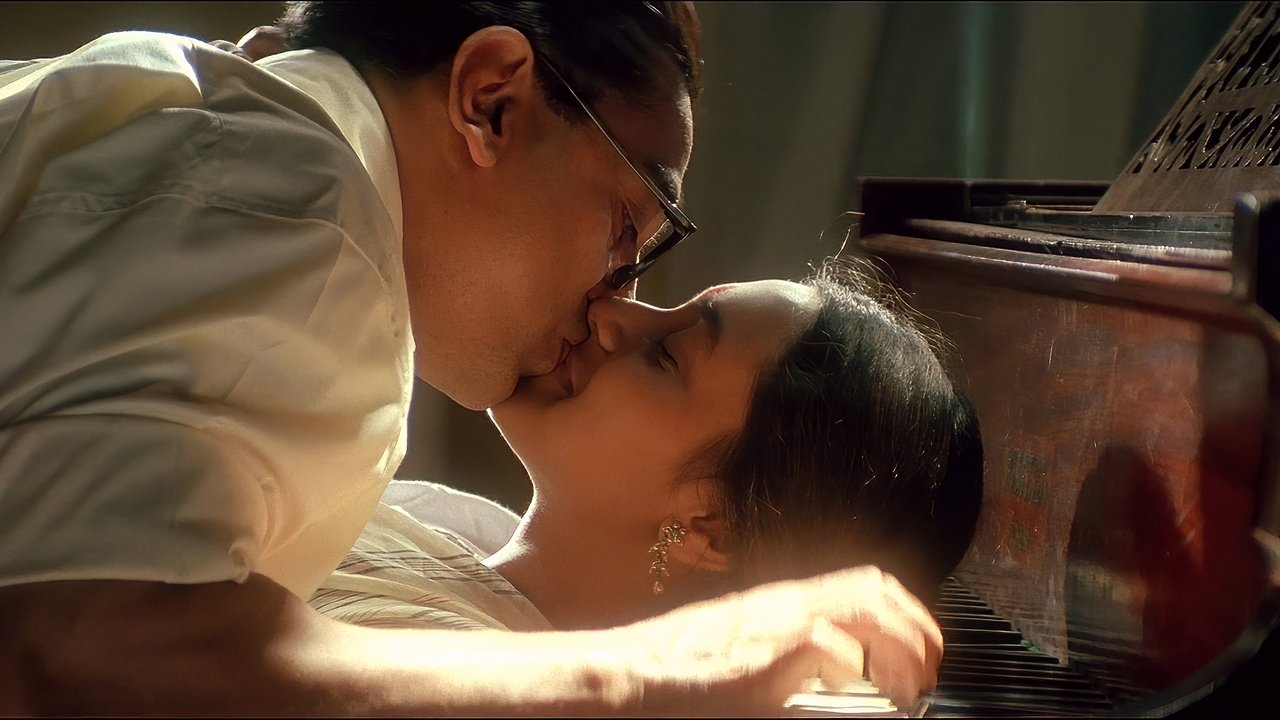
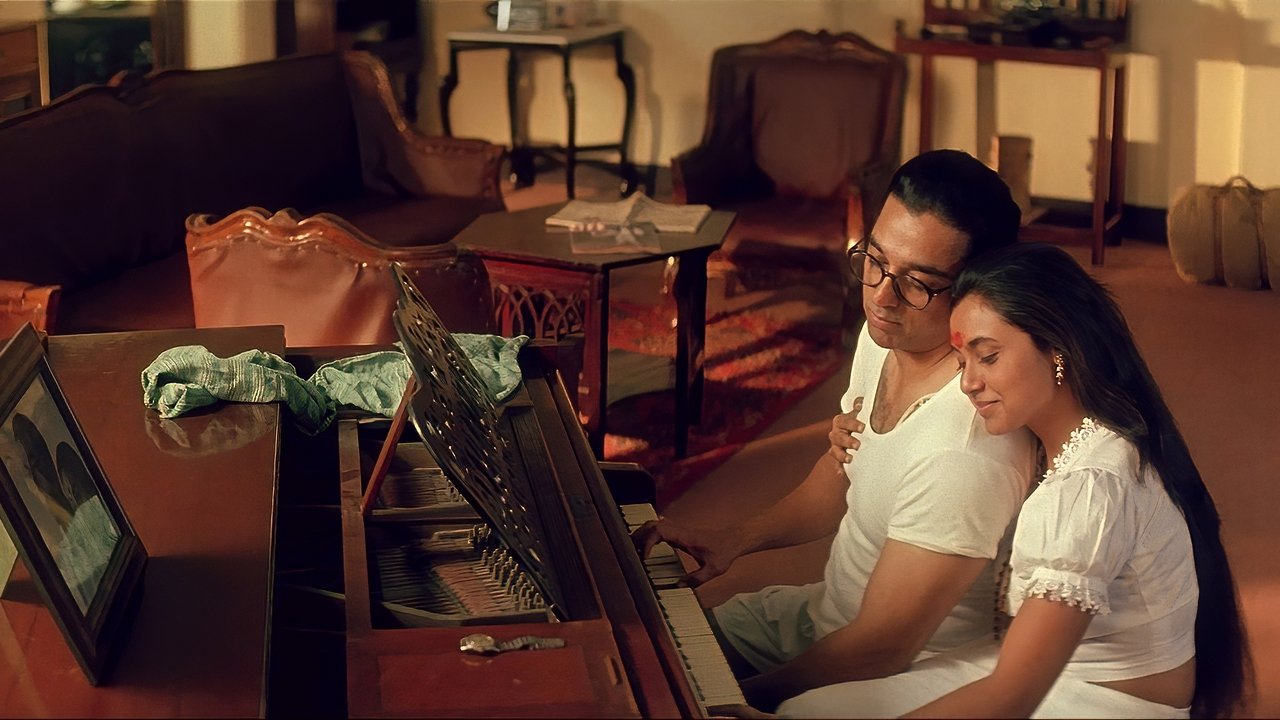
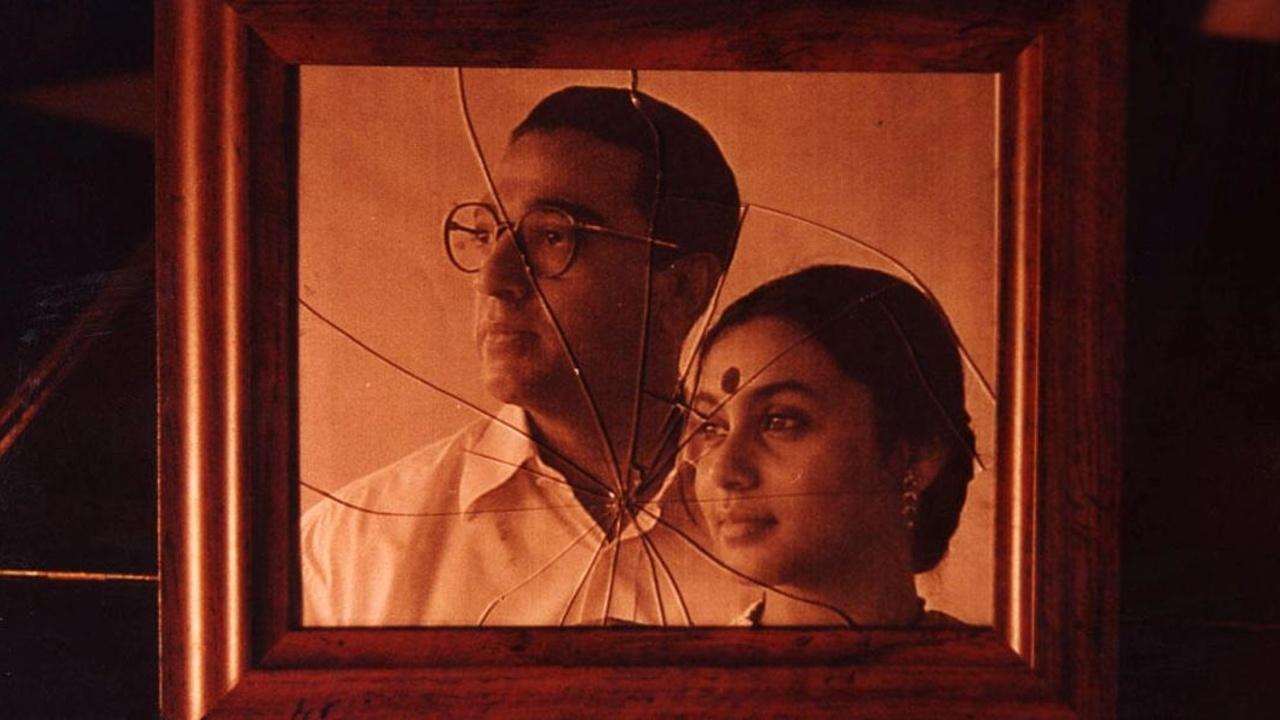
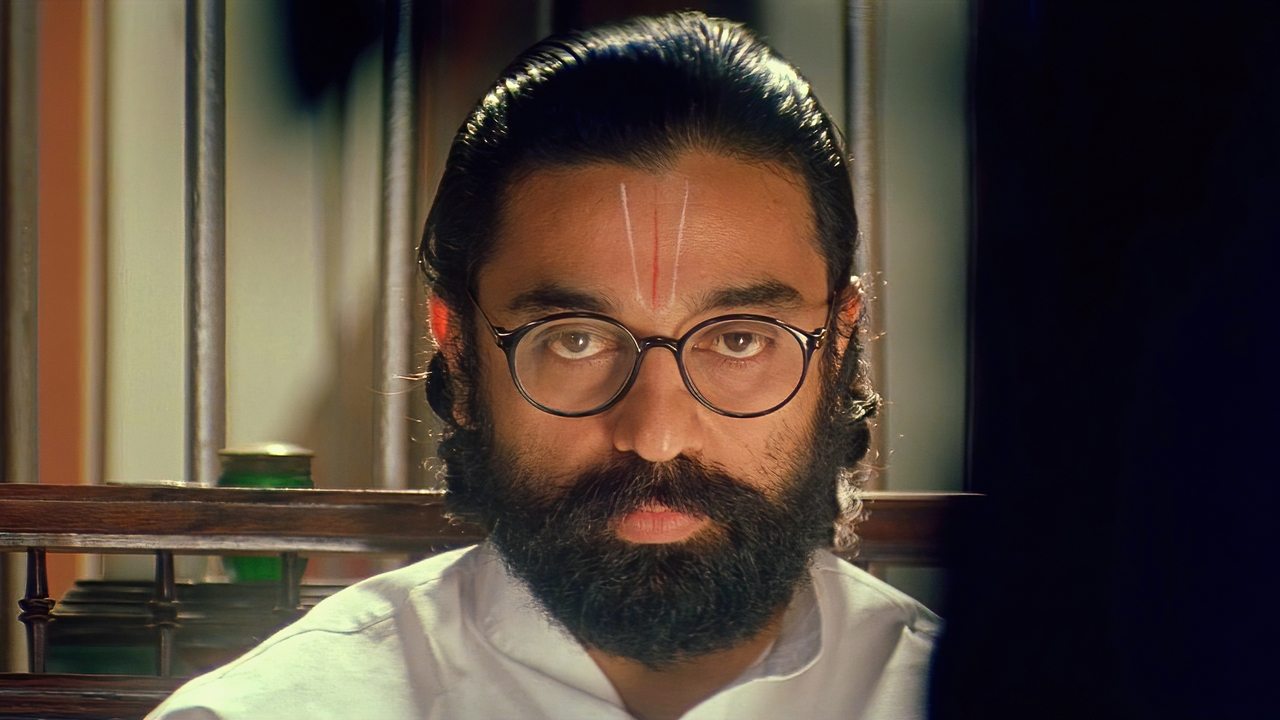
At its heart, Hey Ram is the harrowing journey of Saket Ram, played with searing, self-consuming intensity by Kamal Haasan himself. We meet him as an elderly man haunted by his past, flashing back to the horrors of Partition in 1947 Calcutta. The film doesn't shy away from the brutality; the communal violence that rips through his life, claiming his wife Aparna (Rani Mukerji, devastating in her brief role), is depicted with a visceral, almost unbearable honesty. This trauma becomes the crucible forging Saket Ram's transformation from an archaeologist interested in the past to a man consumed by vengeance, drawn into the currents of Hindu extremism with a singular, chilling mission: assassinate Mahatma Gandhi. The narrative unfolds non-linearly, mirroring the fragmented nature of memory and trauma, forcing the viewer to piece together Saket's descent and eventual, agonizing reassessment.
Haasan's Audacious Canvas
To direct, write, and star in a film of this scale and thematic weight is a monumental undertaking, and Kamal Haasan pours every ounce of his formidable talent into it. Hey Ram is undeniably his film, driven by a fierce intellectual curiosity and a refusal to offer easy answers. His direction is meticulous, crafting sequences of shocking violence alongside moments of quiet despair and philosophical debate. The period detail feels immersive, aided significantly by the masterful cinematography of P. C. Sreeram (known for his work with Mani Ratnam), which captures both the epic sweep of historical events and the intimate claustrophobia of Saket Ram's tortured psyche. There's a richness to the visuals, a textured quality that feels almost painterly, even when depicting unimaginable suffering. The film was reportedly one of the most expensive Indian productions of its time, and it shows on screen – not necessarily in spectacle, but in the care taken to recreate the era. Interestingly, Haasan simultaneously shot the film in Tamil and Hindi, a logistical challenge reflecting his commitment to reaching a wider audience with this difficult story.
Performances Forged in Fire
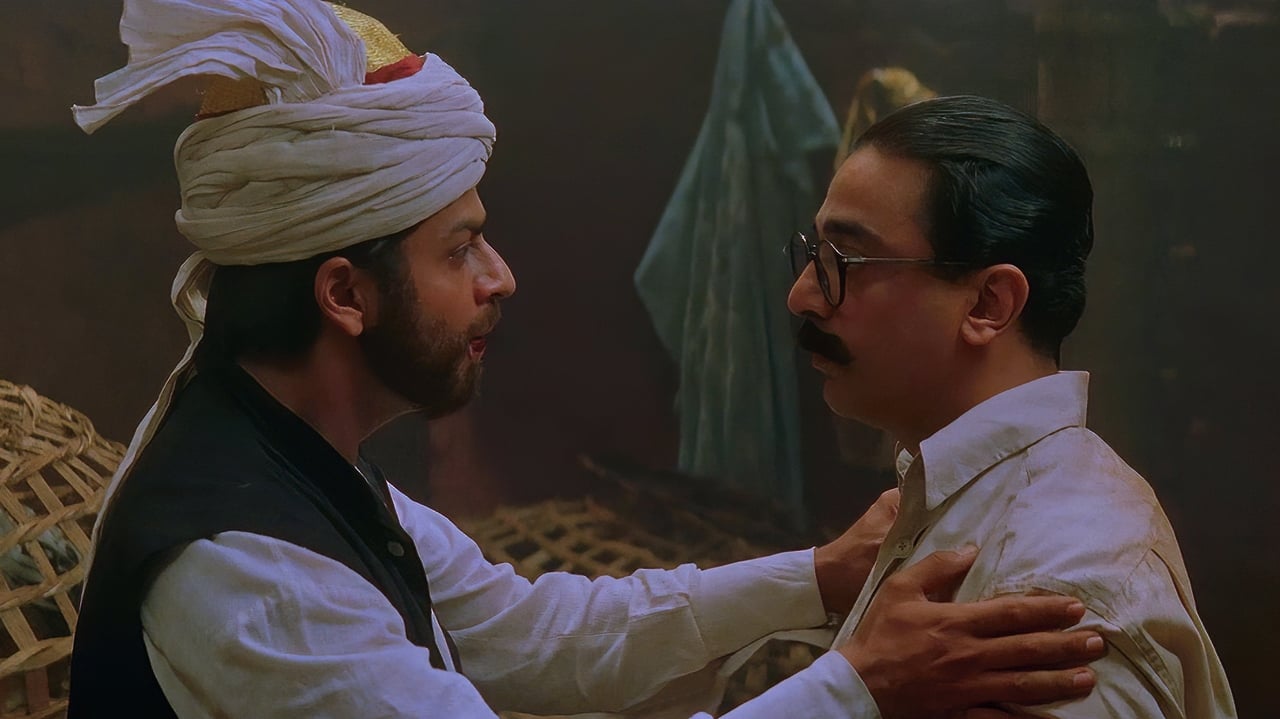
While Haasan anchors the film with a performance that navigates rage, grief, and dawning disillusionment, the supporting cast is equally crucial. A standout is Shah Rukh Khan as Amjad Ali Khan, Saket Ram's Pathan Muslim friend. It's a role unlike the romantic leads SRK was famous for, showcasing his dramatic range and providing a vital counterpoint to Saket's hardening ideology. Their shared scenes crackle with the tension of old loyalties strained by the polarizing forces of history. Legend has it that SRK, a huge admirer of Haasan, did the film for free (or famously, for a wristwatch), underscoring the project's artistic significance over commercial considerations. The film is populated by a gallery of brilliant actors – Hema Malini, Naseeruddin Shah, Om Puri, Atul Kulkarni, Vikram Gokhale – each adding weight and nuance, making the historical tapestry feel lived-in and complex. The score by the legendary Ilayaraja is another vital element, subtly underscoring the emotional turmoil without ever becoming intrusive, a haunting companion to Saket's journey.
Wrestling with History's Ghosts
Hey Ram was, and remains, a controversial film. Its unflinching portrayal of communal violence and its exploration of the roots of extremism, particularly Hindu nationalism, sparked debate and discomfort. It dared to question the simplistic narratives often woven around Partition and the figure of Gandhi, presenting him not just as a saint, but as a political figure whose ideology Saket Ram initially rejects with murderous intent. The film doesn't endorse Saket's path; rather, it meticulously charts how personal tragedy can curdle into ideological fanaticism, and the agonizingly slow, painful process of questioning that fanaticism. It asks profound questions: How does history shape us? Can violence ever be justified? What is the true cost of hatred? These aren't questions with easy answers, and the film respects the audience enough not to provide them. Its initial box office performance was perhaps hampered by its challenging nature and length, but its reputation as a significant, daring work has only grown.
A Journey Worth Taking, But Not Taken Lightly
Revisiting Hey Ram today, it feels perhaps even more relevant. In a world still grappling with extremism, nationalism, and the manipulation of historical narratives, Saket Ram's journey serves as a potent, cautionary tale. It’s not an easy watch; it’s long, demanding, and emotionally draining. But it’s also filmmaking of immense courage and artistic integrity. It represents the kind of ambitious, personal, and politically charged cinema that feels increasingly rare – a film that aimed not just to entertain, but to provoke, to disturb, and ultimately, to make us think. It stands as a testament to Kamal Haasan's singular vision and a powerful, if painful, exploration of the forces that tear nations, and souls, apart.
Rating: 9/10
This score reflects the film's towering ambition, its technical mastery, the powerhouse performances (especially from Haasan and Khan), and its courageous, unflinching engagement with complex and sensitive historical themes. It’s a near-masterpiece, perhaps only held back slightly for some viewers by its demanding length and unrelenting intensity. Hey Ram isn't simply watched; it's experienced, and it lingers long after the credits roll, leaving you wrestling with the ghosts of history it so vividly resurrects.