There are films that entertain, films that thrill, and then there are films that sear themselves onto your memory, leaving you changed, unsettled, grappling with harsh truths long after the screen fades to black. Shekhar Kapur’s Bandit Queen (1994) belongs firmly in that last category. Forget any romantic notions of outlaw glamour; this isn't a stylized rebellion narrative. It’s a raw, unflinching howl of rage and pain torn directly from the brutal realities of caste oppression, sexual violence, and survival against impossible odds in rural India. Discovering this film back in the day, perhaps on a sought-after import tape or in the hushed reverence of an arthouse cinema, felt like encountering something genuinely vital, something that refused to look away.
(Note: This film contains graphic depictions of sexual violence and abuse that are central to its narrative and impact. Viewer discretion is strongly advised.)
A Life Forged in Fire
Based on the life of Phoolan Devi, as documented in Mala Sen's book "India's Bandit Queen: The True Story of Phoolan Devi," the film charts her harrowing journey from a childhood marred by poverty, forced marriage, and abuse within India's deeply entrenched caste system, to her abduction by bandits, subsequent rise as a gang leader, and eventual surrender. Kapur, who would later gain international fame with Elizabeth (1998), pulls absolutely no punches. The camera doesn't shy away from the degradation Phoolan suffers, forcing the audience to confront the systemic cruelty and patriarchal violence that shaped her path. This isn't exploitation; it feels like bearing witness. The narrative structure is relentless, mirroring the seemingly inescapable cycle of violence Phoolan endures and eventually perpetuates.

The Unforgettable Fury of Seema Biswas
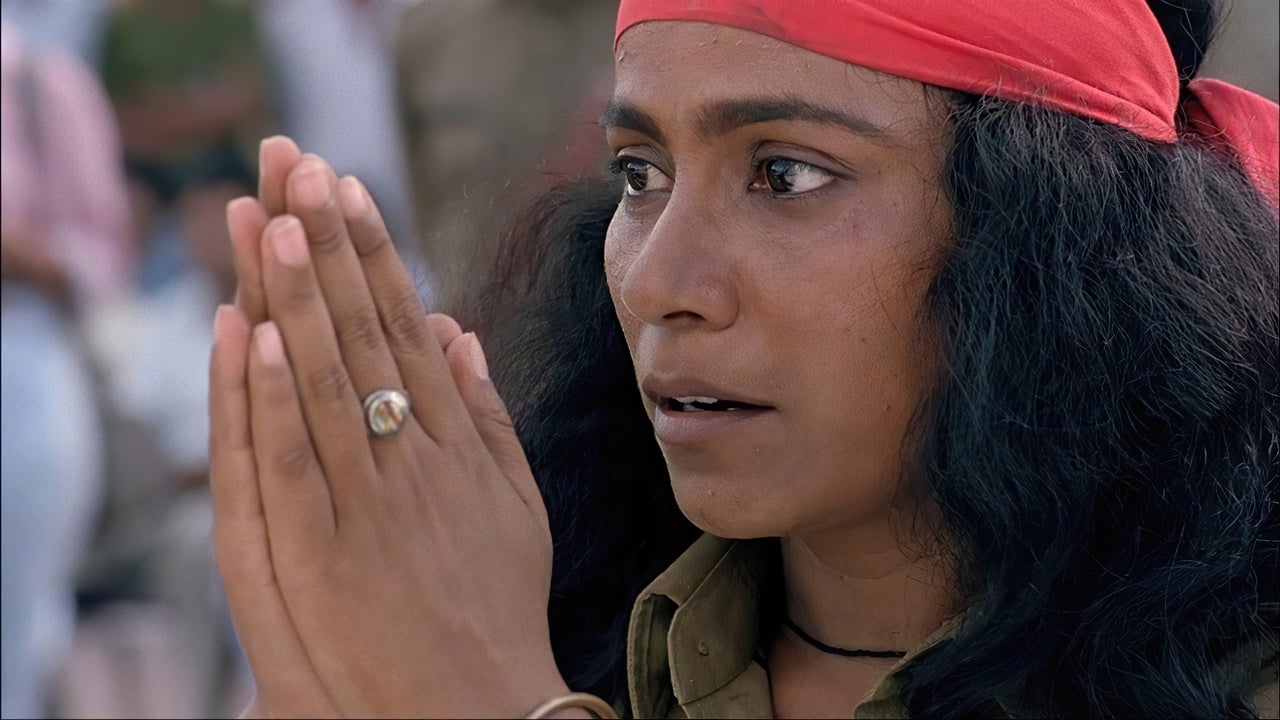
At the heart of this cinematic storm is Seema Biswas in a performance that remains one of the most powerful and physically committed portrayals of trauma and resilience ever captured on film. Making her Hindi film debut, Biswas, primarily a theatre actor at the time, embodies Phoolan with a feral intensity that is utterly captivating and deeply disturbing. She conveys worlds of pain, humiliation, fury, and ultimately, a hardened resolve in her gaze alone. It’s a performance stripped bare of vanity, requiring immense courage. Watching her transformation from a victimized young girl to the commanding, rifle-wielding 'Bandit Queen' is devastating and awe-inspiring in equal measure. Her chemistry with Nirmal Pandey, playing the higher-caste bandit Vikram Mallah who offers her a semblance of respect and love, provides a brief, fragile respite before tragedy inevitably strikes again. Keep an eye out too for a very young, intense Manoj Bajpayee in a significant early role as Man Singh, another key figure in Phoolan's later gang.
Crafting Uncomfortable Reality
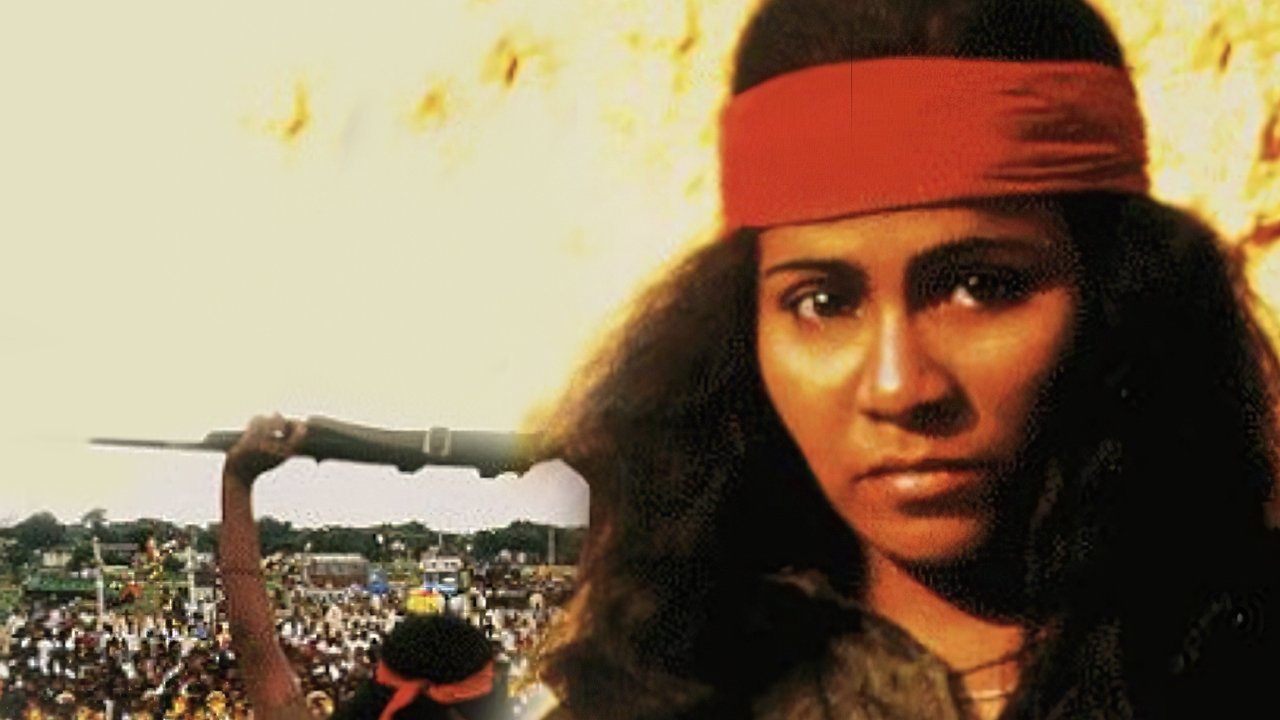
Shekhar Kapur's direction is masterful in its controlled ferocity. He uses the stark, dusty landscapes of the Chambal Valley not just as a backdrop, but as an active participant in the cruelty – vast, indifferent, offering little sanctuary. Ashok Mehta's cinematography captures the harsh beauty and the suffocating poverty with gritty realism. There’s little stylistic flourish; the power lies in the directness, the unwavering gaze. The editing maintains a relentless pace, mirroring the lack of escape for Phoolan. The score by Nusrat Fateh Ali Khan is used sparingly but effectively, often heightening the sense of dread or amplifying moments of profound sorrow. The film’s commitment to authenticity extended to its production – reportedly, conditions were often difficult, mirroring the ruggedness depicted on screen.
Retro Fun Facts: Controversy and Courage
- Bandit Queen ignited a firestorm of controversy upon its conception and release. Phoolan Devi herself initially condemned the film, particularly its graphic depiction of her rape, arguing it was inaccurate and deeply violating. She fought vigorously to have it banned in India. This led to numerous legal battles and censorship hurdles, with the film eventually being cleared by the Indian Supreme Court. Later, Phoolan reportedly made peace with the film, even using its notoriety during her subsequent political career.
- The film faced significant budget constraints. Its reported budget was around ₹3.75 crore (roughly $1.2 million USD in 1994), forcing Kapur and his team to be incredibly resourceful. This likely contributed to the raw, unpolished aesthetic that ultimately serves the story so well. Despite the controversies, or perhaps partly because of them, the film garnered significant international acclaim, screening at the Cannes Film Festival's prestigious Directors' Fortnight section in 1994.
- Casting Seema Biswas was a bold move. She wasn't a known film star, but her background with the National School of Drama gave her the raw talent and discipline needed for such a demanding role. Her preparation was intense, requiring her to inhabit a deeply traumatized character under challenging filming conditions. It remains a defining performance of her career.
- The film explicitly names Phoolan's alleged rapists, which was a source of major contention and legal threats. This refusal to anonymize her attackers underlines the film's confrontational stance against impunity.
More Than Just a Biopic
Bandit Queen transcends the boundaries of a standard biographical film. It’s a visceral examination of the crushing weight of the caste system, the horrific realities of gendered violence, and the complex, often morally ambiguous nature of resistance when pushed to the absolute limit. Does the film offer justification for Phoolan's later actions? Not explicitly. Instead, it presents the brutal context, forcing viewers to grapple with uncomfortable questions about justice, revenge, and the societal failures that create figures like Phoolan Devi. It asks us: what choices are left when society offers only subjugation?
The film's power hasn't diminished with time. If anything, its themes feel tragically persistent. It remains a difficult watch, a film that demands emotional fortitude, but its importance as a piece of fearless, socially conscious cinema is undeniable. It’s a stark reminder of film's potential to confront, to challenge, and to refuse silence.
Rating: 9/10
Justification: Bandit Queen earns this high score for its sheer, uncompromising power and cinematic bravery. Seema Biswas delivers an all-time great performance, utterly transformative and raw. Shekhar Kapur's direction is unflinching and purposeful, creating a visceral, unforgettable experience. The film tackles profoundly difficult themes with a brutal honesty rarely seen, forcing necessary conversations about caste, gender, and violence. While the graphic nature makes it an incredibly challenging viewing experience (which might deter some), its technical execution, thematic depth, and historical significance are undeniable. It’s a landmark of Indian cinema and a testament to film's ability to bear witness to uncomfortable truths.
Lingering Thought: Decades later, the echoes of Phoolan Devi's cry, as captured by Kapur and Biswas, still resonate, demanding we ask ourselves how much, or how little, has truly changed in the face of systemic oppression.