Here we go, another dive into the flickering glow of the cathode ray tube era for "VHS Heaven". Tonight, we're pulling a tape from a little later in our usual run – 1997 – but one that carries the distinct weight and moral gravity often found in the best dramas of decades past: Sidney Lumet's Night Falls on Manhattan. This isn't a flashy action flick or a broad comedy; it's a dense, morally complex slice of New York City grit, the kind of film that settles in your thoughts long after the VCR clicks off.
### The Weight of the World, The Weight of the Badge
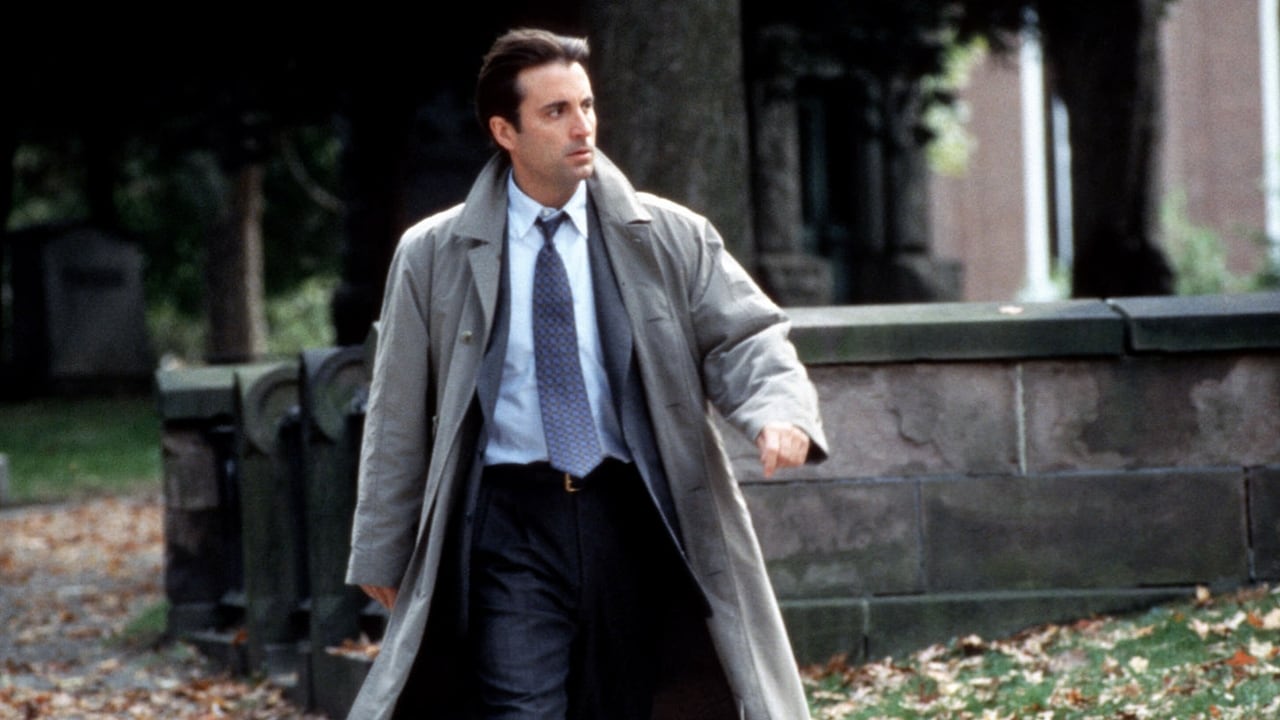
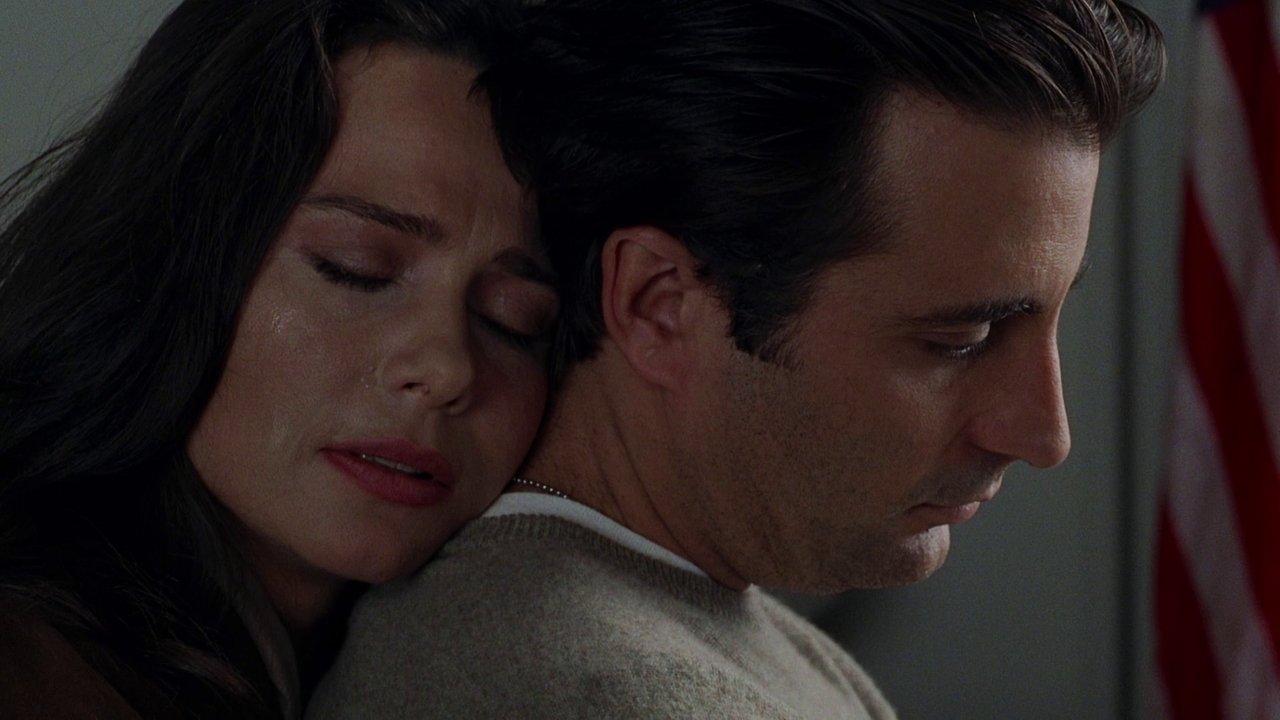
What happens when the pursuit of justice forces you to compromise your own ideals? That's the question hanging heavy over Sean Casey, played with a compelling, simmering intensity by Andy García. Casey, a former cop turned idealistic young Assistant District Attorney, finds himself unexpectedly catapulted into the DA's office after a high-profile police shooting case ignites a political firestorm. It's a dizzying ascent, but the view from the top is immediately clouded by shadows – whispers of corruption reaching deep into the NYPD, potentially implicating those closest to him, including his own father, veteran detective Liam Casey (Ian Holm).
This is familiar territory for director Sidney Lumet, a filmmaker who practically mapped the moral fault lines of New York City institutions in classics like Serpico (1973) and Prince of the City (1981). It’s fascinating to note that Prince of the City was also based on a book by Robert Daley, the same author whose novel "Tainted Evidence" formed the basis for Night Falls on Manhattan. Lumet didn't just direct; he penned the screenplay himself, returning to themes of systemic rot, loyalty, and the agonizing choices good people face within flawed systems. You can feel his intimate understanding of this world in every frame, in every strained conversation held in echoing courthouse halls or dimly lit bars.
### A Study in Quiet Integrity
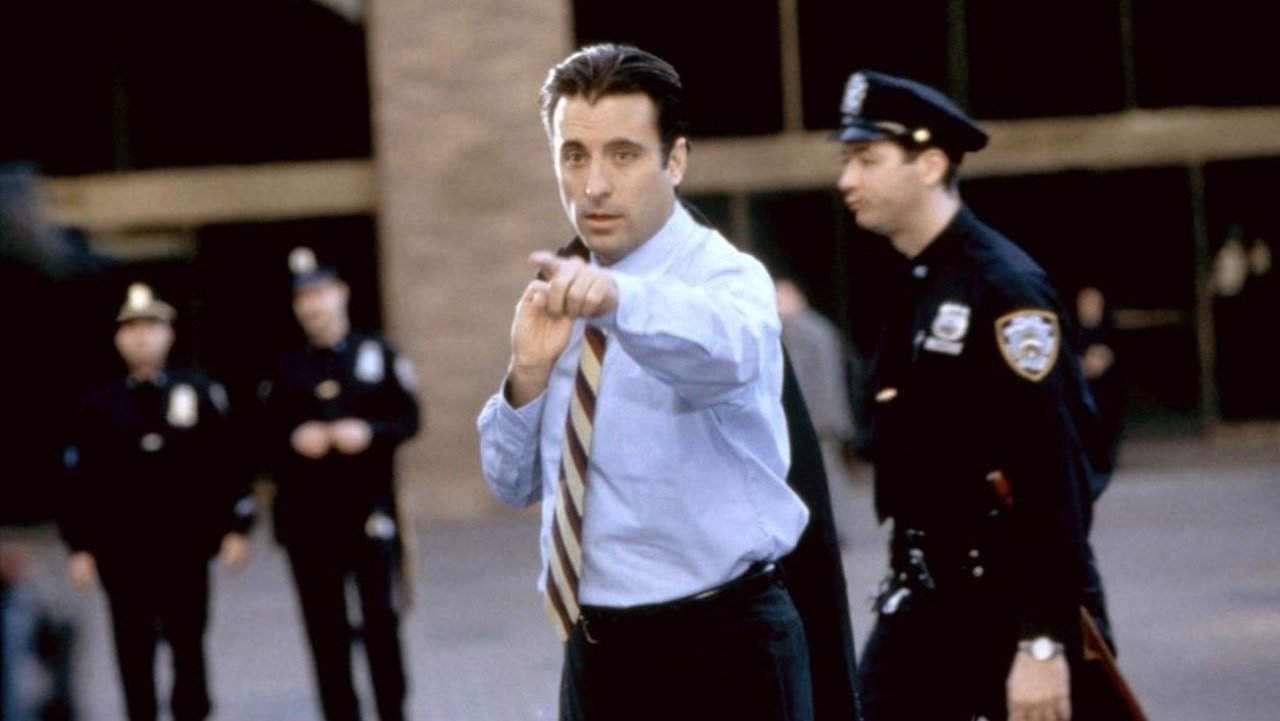
Andy García, perhaps best known at the time for his charismatic volatility in films like The Godfather Part III (1990), delivers something different here. His Sean Casey is a man trying desperately to hold onto his principles as the ground shifts beneath him. There's a stillness to his performance, a quiet watchfulness that conveys the immense pressure he's under. We see the idealism drain from his eyes, replaced by the weary understanding that absolute truth is a luxury the job rarely affords. It’s a performance that anchors the film, making the ethical dilemmas feel personal and deeply felt. Does his quest for the bigger picture justify potentially sacrificing individuals, even loved ones? The film doesn't offer easy answers.
Supporting him is a typically excellent Ian Holm as his father, embodying the old guard of the NYPD, fiercely loyal but possibly compromised. Their scenes together crackle with unspoken history and the painful chasm growing between them. And Lena Olin, as Peggy Lindstrom, a defense attorney representing one of the accused cops and Casey's lover, adds another layer of impossible conflict. Olin brings intelligence and a weary sensuality to the role, making the professional and personal stakes agonizingly intertwined. Even Richard Dreyfuss, in a relatively small but potent role as a sharp, cynical defense lawyer, reminds us of the adversarial nature of the system Casey is trying to navigate.
### Lumet's Later New York
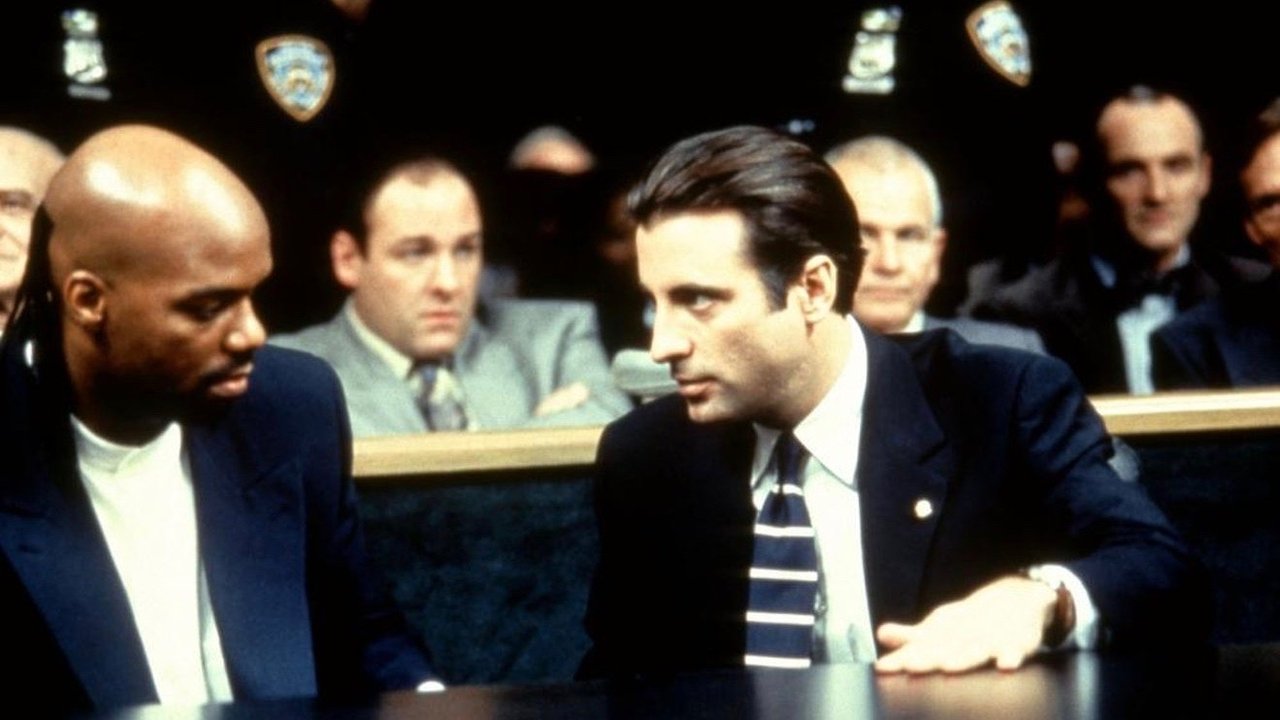
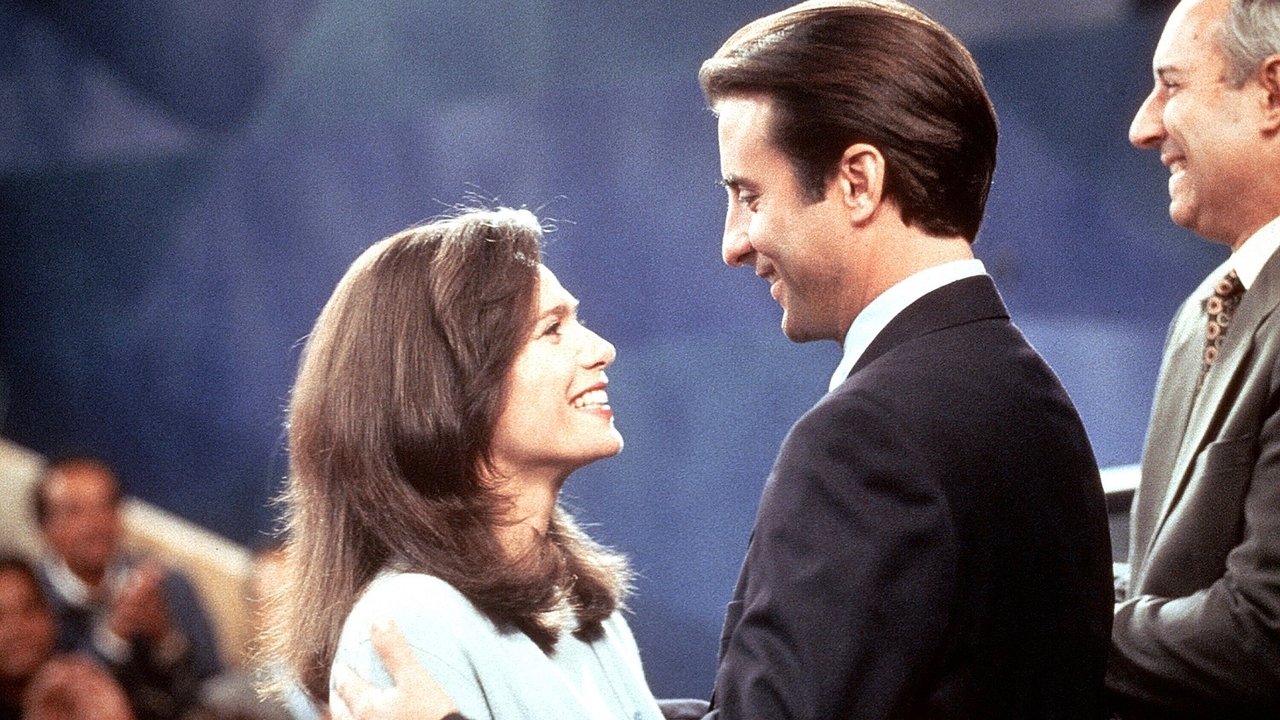
Visually, this isn't the grimy, sweat-soaked New York of Lumet's 70s masterpieces. Cinematographer David Watkin (Out of Africa (1985)) captures a slightly more polished, late-90s version of the city, but the film still feels grounded and authentic. Lumet knew precisely where power resided – in wood-paneled offices, tense courtroom standoffs, and late-night meetings where compromises are hammered out. The atmosphere is less about street-level chaos and more about the suffocating weight of institutional inertia and the secrets buried within its walls.
### Echoes from the Cutting Room Floor & Rental Shelf
It's interesting looking back, knowing Night Falls on Manhattan wasn't a box office smash. Made on a respectable budget of around $20 million, it brought in just under $10 million domestically. Perhaps audiences in '97 were looking for something faster, louder? For those of us who appreciated a solid, character-driven drama, finding this on the rental shelf felt like unearthing a hidden gem. It makes you appreciate the effort Lumet put in, wrestling Daley's complex novel into a tight, focused screenplay himself. There's a dedication to the nuances of the legal and police procedural elements that feels increasingly rare. It wasn’t trying to be flashy; it was trying to be real about the messy compromises inherent in the system. You have to wonder, did its quiet intelligence work against it in a market hungry for spectacle?
### The Lingering Questions
Night Falls on Manhattan doesn't offer cathartic, crowd-pleasing victories. It leaves you pondering the very nature of justice. How much 'truth' can the system handle? When does upholding the law mean bending it, just a little? The film suggests there are no easy answers, only difficult choices with potentially devastating consequences. It’s a mature work, one that respects the audience's intelligence enough to let them wrestle with the ambiguities alongside Sean Casey. Doesn't that feel like a hallmark of Lumet's best work – leaving you with more questions than answers, but richer for having considered them?
---
VHS Heaven Rating: 8/10
Justification: This score reflects the film's intelligent script, Sidney Lumet's assured direction, and powerhouse performances, particularly from Andy García and Ian Holm. It tackles complex moral themes with nuance and avoids easy resolutions. While perhaps lacking the visceral punch of Lumet's earlier classics and moving at a deliberate pace some might find slow, its thoughtful exploration of justice, loyalty, and compromise within NYC's institutions makes it a deeply compelling and resonant drama. The slightly lower box office means it might have slipped past some viewers, making it a rewarding discovery on VHS back in the day, and a film that holds up remarkably well to thoughtful re-examination now.
Final Thought: A potent reminder from a master filmmaker that the most gripping dramas often unfold not in explosions, but in the quiet erosion of ideals under immense pressure. It's a film that lingers, asking uncomfortable questions about the systems we trust to protect us.