Okay, let's slide this tape into the VCR. It might not have the neon glow of a blockbuster action flick or the synth-heavy soundtrack of a teen comedy, but trust me, this one’s different. It hits harder, lingers longer. We're talking about Mani Ratnam's 1987 Tamil crime epic, Nayakan. Even now, decades after first encountering it on a slightly worn-out VHS tape, possibly rented from that small Indian grocery store down the road that had a surprisingly curated movie selection, its central question echoes: How does a man become both a savior and a monster?
### The Weight of a Life
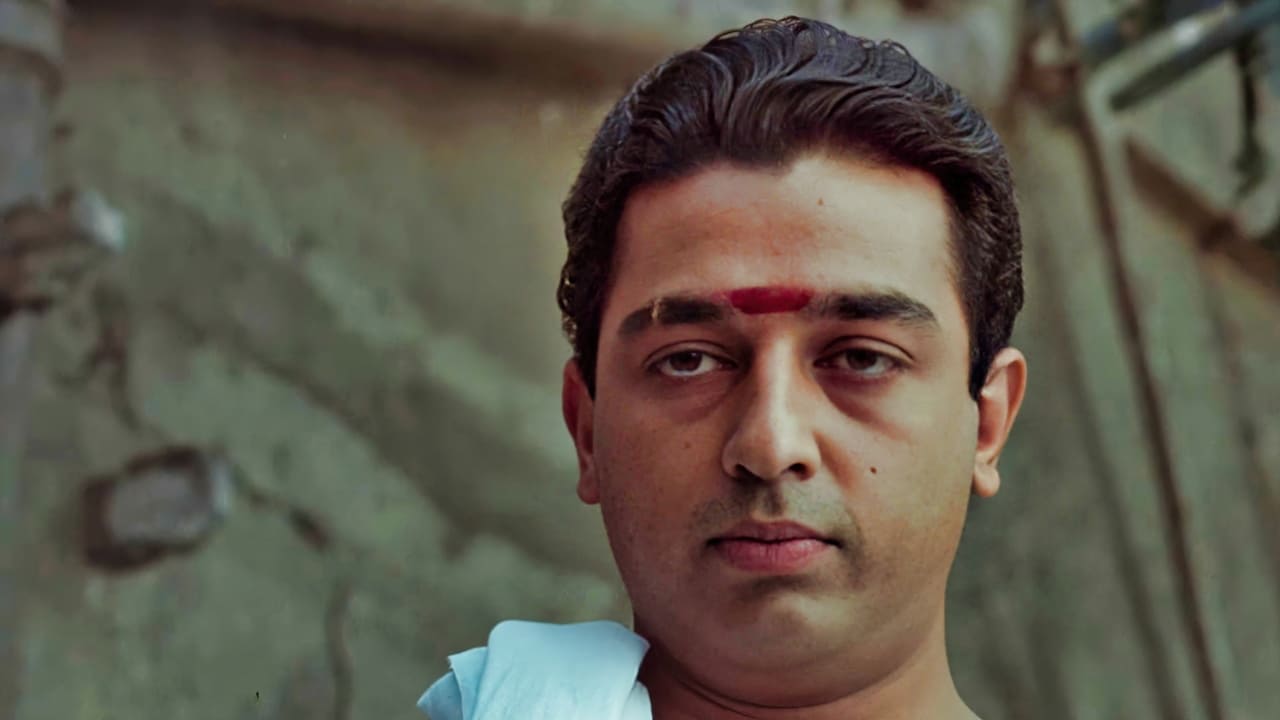
Nayakan doesn't just tell a story; it immerses you in the turbulent life of Sakthivel "Velu" Naicker, portrayed with astonishing depth by Kamal Haasan. From the moment a young Velu flees his village after avenging his father and lands, bewildered and alone, in the sprawling, unforgiving slums of Bombay (now Mumbai), you feel the inevitability of his path. The film, loosely inspired by the real-life story of Varadarajan Mudaliar, a Tamil migrant who rose to become a powerful underworld figure in Mumbai, charts Velu’s ascent from frightened boy to reluctant smuggler, and eventually, to the quasi-mythical patriarch of the Dharavi slum – a man dispensing brutal justice where the official system fails. It’s a journey etched onto Haasan's face, aging him across decades not just with makeup, but through posture, gaze, and a weary gravitas that feels utterly authentic. This isn't just acting; it's inhabiting a soul burdened by impossible choices.
### Bombay Through Ratnam's Lens

What truly elevates Nayakan beyond a standard gangster narrative is the masterful craft of Mani Ratnam, then solidifying his reputation as a visionary director. Collaborating with cinematographer P. C. Sreeram (who deservedly won a National Film Award for his work here, alongside Haasan for Best Actor and Thota Tharani for Art Direction), Ratnam paints a portrait of Bombay's underbelly that is both gritty and poetic. Forget glossy skylines; this is a world of claustrophobic lanes, flickering lights, torrential rain, and the constant thrum of humanity packed into Dharavi. Sreeram's camera often stays low, observing, making the environment itself a character. There's a tangible texture to the film, aided immeasurably by Thota Tharani's incredible art direction, which involved recreating vast sections of the slum with painstaking detail – a significant undertaking given the film's considerable (for its time) budget. You can almost smell the damp earth and feel the oppressive humidity. Add to this the evocative, often melancholic score by the legendary Ilaiyaraaja, and the atmosphere becomes completely transportive.
### "Are You a Good Man or a Bad Man?"
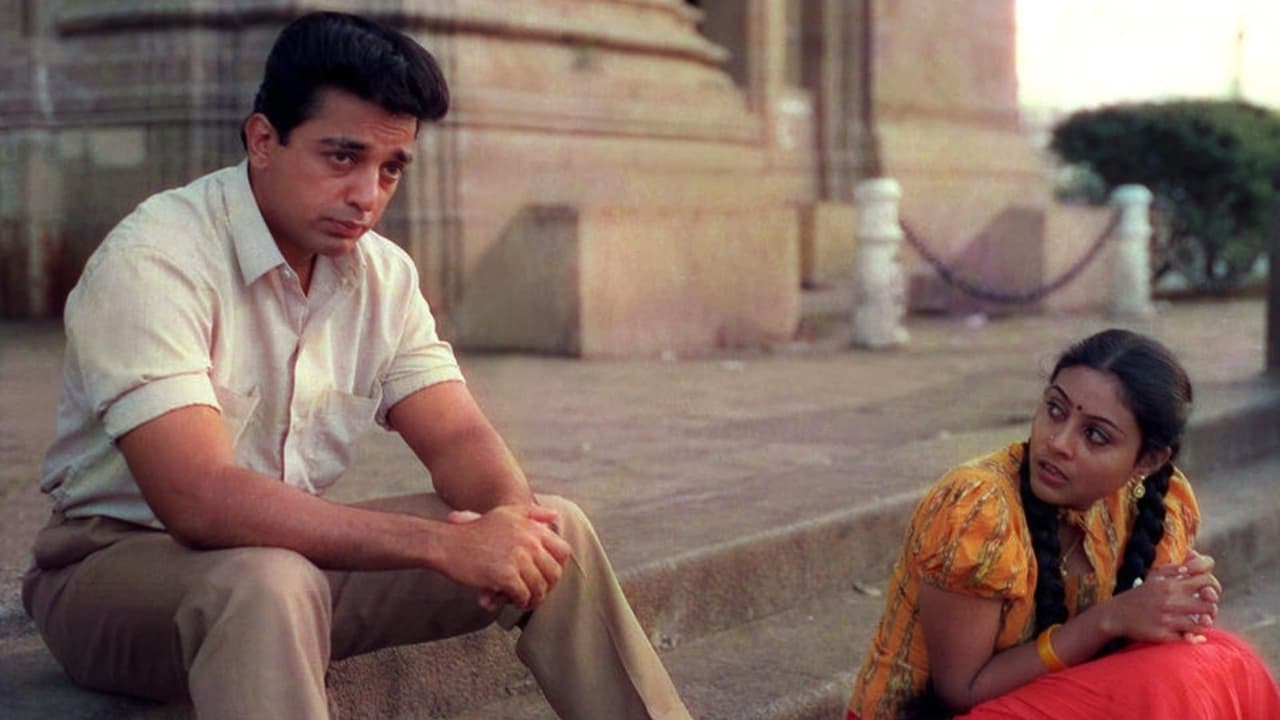
This question, posed to Velu by his grandson late in the film, cuts to the heart of Nayakan. Velu operates outside the law, his methods are violent, his empire built on illicit activities. Yet, for the disenfranchised Tamil community in Dharavi, he is the law, the provider, the protector. Ratnam refuses easy answers. We see Velu’s capacity for kindness, his fierce loyalty, his deep love for his wife Neela (played with quiet strength by newcomer Saranya Ponvannan in her debut) and later, the complex relationship with his estranged daughter Charumathi (Karthika). But we also witness the devastating consequences of his actions, the cycles of violence that trap everyone around him. The film forces us to confront uncomfortable truths about power, necessity, and the blurry line between righteousness and crime when society turns its back. It’s a moral complexity rarely seen in mainstream cinema of the era, heavily influenced by The Godfather (1972) but standing firmly on its own cultural and thematic ground.


### Enduring Echoes
It’s no surprise that Nayakan became a landmark in Indian cinema. It was India’s official entry for the Best Foreign Language Film at the 60th Academy Awards (sadly, not securing a nomination) and remains a critical touchstone. In 2005, Time Magazine even included it in their "All-Time 100 Best Films" list – a testament to its enduring power and universal themes. Watching it today, it feels less like a nostalgic trip and more like engaging with a timeless piece of serious filmmaking. The pacing is deliberate, building character and consequence layer by layer. The performances, particularly Kamal Haasan’s transformative work, remain utterly compelling. It’s a film that respects its audience, trusting them to grapple with its ambiguities.
Rating: 9.5/10
This near-perfect score reflects the film's masterful direction, Kamal Haasan's legendary performance, its thematic depth, and its lasting impact on Indian cinema. It avoids sensationalism, grounding its epic story in human emotion and stark realism. While its pacing might feel measured compared to modern gangster flicks, its power lies in that deliberate construction, allowing the weight of Velu Naicker’s life and choices to truly settle.
Nayakan isn't just a great gangster film; it's a profound exploration of morality in the face of systemic failure. It’s one of those tapes you pull off the shelf not for easy comfort, but for a reminder of cinema's ability to ask the hard questions and leave you pondering them long after the screen goes dark.