Okay, let's settle in. There are films that shout their importance, and then there are those that whisper profound truths, letting the silence between words carry as much weight as the dialogue itself. If These Walls Could Talk 2, HBO's 2000 follow-up to the acclaimed 1996 original, firmly belongs in the latter category. It doesn't arrive with the bombast of a blockbuster, but rather the quiet intimacy of lives lived behind closed doors, specifically the doors of one single house, witness to the evolving landscape of lesbian experience across nearly four decades. Watching it again, years after its initial broadcast, feels less like simple nostalgia and more like revisiting crucial, often overlooked, history.
Echoes in the Architecture
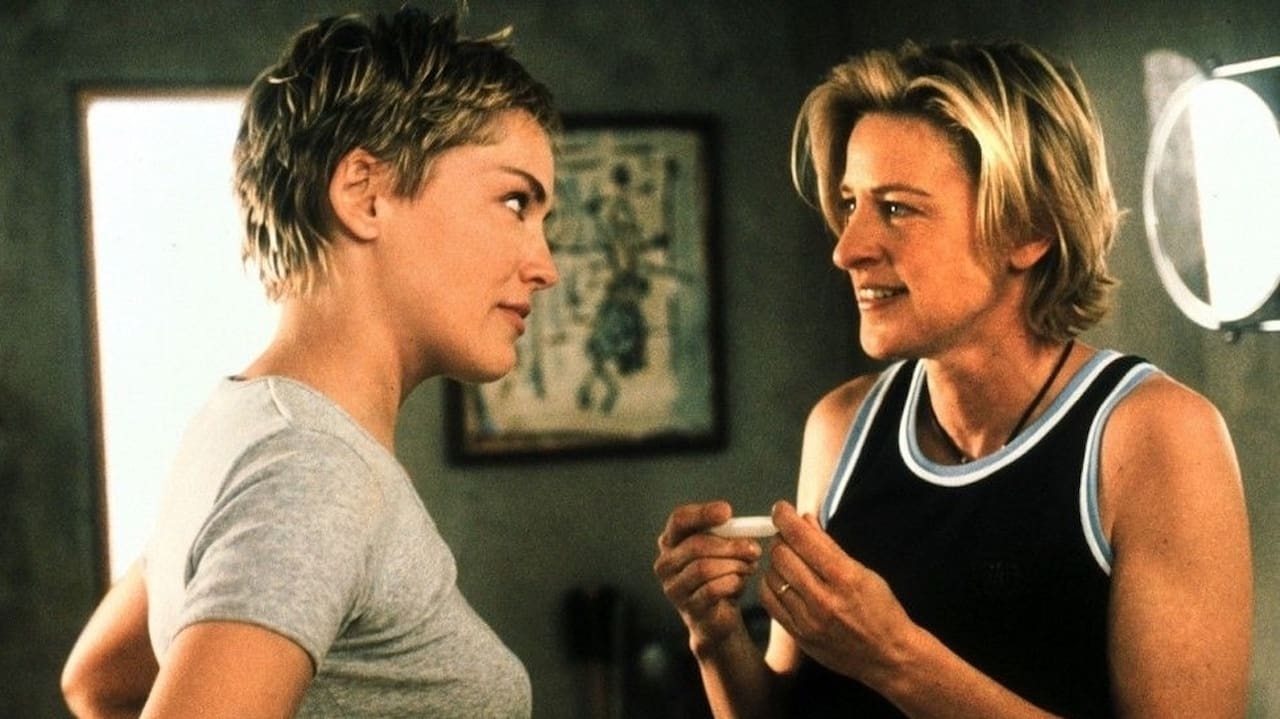
The conceit is simple, yet deeply effective: the same house serves as the backdrop for three distinct stories set in 1961, 1972, and 2000. It's a vessel holding echoes of joy, heartbreak, defiance, and quiet endurance. This structure, inherited from the first film which focused on abortion, allows for a powerful exploration of how societal constraints and personal freedoms shifted for lesbian women over time. The house itself becomes a character, unchanging externally while the lives within navigate turbulent personal and political waters. It’s a silent observer, its rooms absorbing the atmosphere of each era – the stifling conformity of the early 60s, the nascent liberation and lingering prejudice of the 70s, and the more open, yet still complex, realities of the new millennium.
1961: A Love Letter Sealed by Loss

The first segment, "1961," directed by Jane Anderson (who also wrote it), is arguably the most devastating. It stars the incomparable Vanessa Redgrave as Edith Tree, an elderly woman grieving the sudden loss of her partner of decades, Abby Hedley (Marian Seldes). The quiet dignity Redgrave brings to Edith is heart-wrenching. Her grief is compounded by the era's suffocating inability to acknowledge the true nature of their relationship. Abby’s visiting relatives, blind or perhaps willfully ignorant, begin dismantling the life Edith and Abby built together, piece by painful piece. There's a scene involving a photograph that just shatters you with its understated power. It's a masterclass in conveying profound loss and systemic cruelty without melodrama. Redgrave deservedly won an Emmy for this performance; she embodies decades of unspoken love and sudden, disenfranchised grief with every flicker of her eyes. It’s a stark reminder of the invisibility forced upon so many couples of that generation.
1972: Friction and Finding Footing
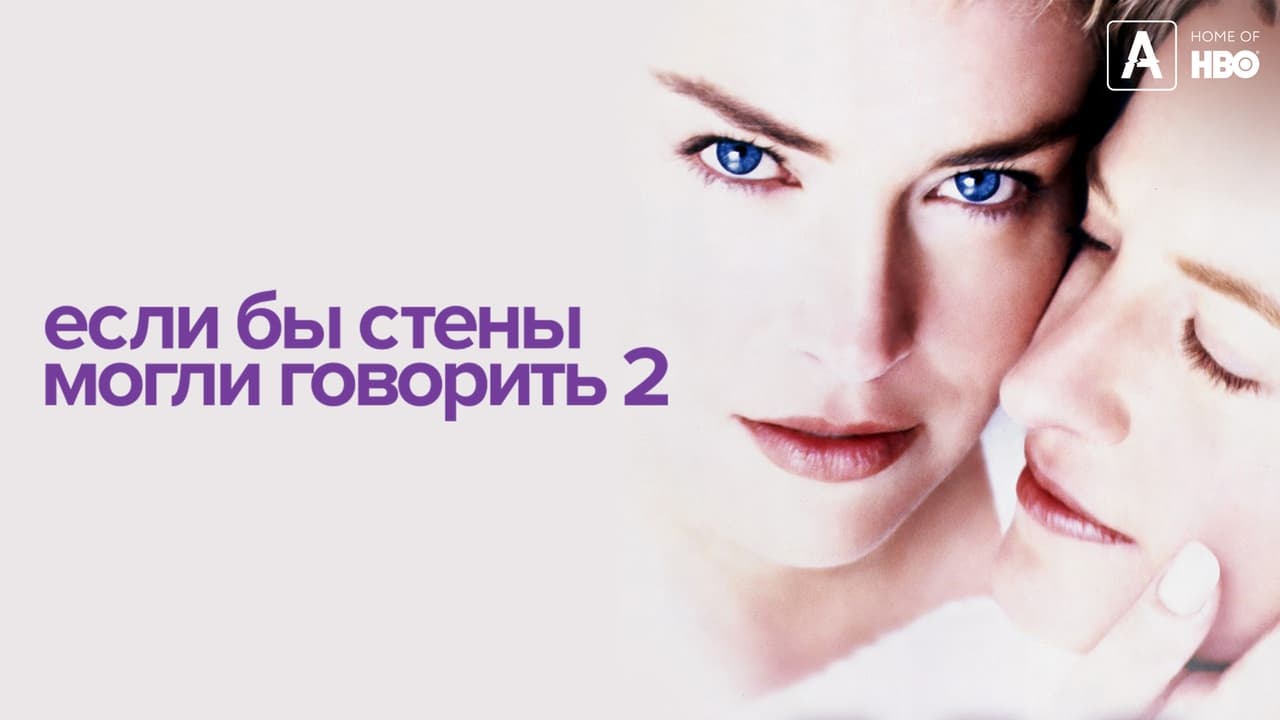
Transitioning to "1972," directed by Martha Coolidge (Valley Girl (1983), Real Genius (1985)), the mood shifts. We meet a group of young, second-wave feminists struggling to reconcile their political ideals with personal realities. Michelle Williams and Chloë Sevigny lead this segment as Linda and Amy, college students navigating the often-contentious line between feminist theory and lesbian identity within their own campus activist group. Written by sisters Sylvia Sichel and Alex Sichel, this part captures the energy, the arguments, and the sometimes painful ideological clashes of the era. There's a raw, searching quality here, perfectly embodied by Williams and Sevigny, who feel utterly authentic as young women trying to find their place in a rapidly changing world. It touches on the friction that sometimes existed between mainstream feminism and lesbian-specific concerns, a historical nuance often glossed over. The contrast between the newfound campus freedoms and the lingering threat of societal judgment (represented by a tense encounter in a townie bar) feels particularly potent.
2000: A Modern Glance
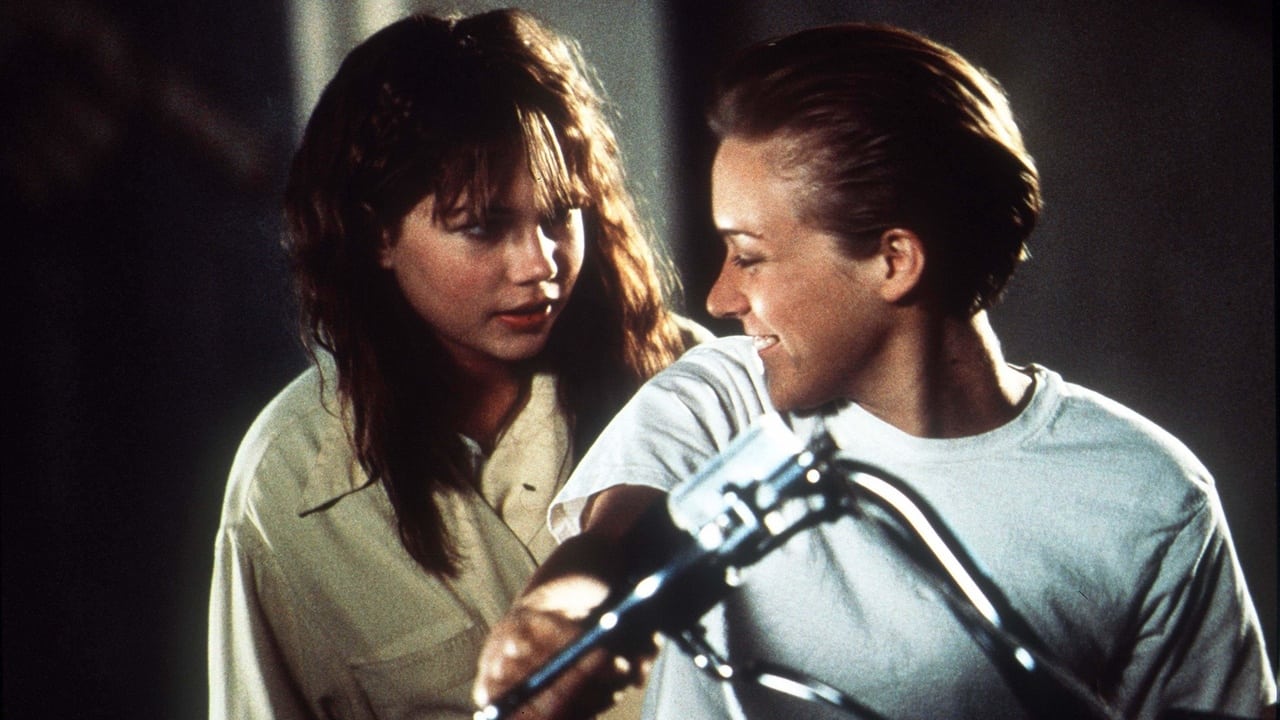
The final segment, "2000," brings us to the (then) present day, directed by Anne Heche (who also wrote it). This segment, starring Sharon Stone and Ellen DeGeneres as Fran and Kal, a couple wanting to have a baby via sperm donor, is lighter in tone, yet still tackles contemporary anxieties. Fran and Kal's journey is filled with the recognizable hurdles of modern conception quests, blended with the specific nuances of being a lesbian couple navigating that world. Stone and DeGeneres have a comfortable, lived-in chemistry, and the segment allows for more explicit humor than the preceding two. Knowing this was directed by Heche during her very public relationship with DeGeneres adds a layer of meta-context, though the story stands firmly on its own. It explores questions of family, biology, and societal acceptance in a way that felt (and still feels) relevant. While perhaps not carrying the same historical weight as the earlier segments, it provides a necessary sense of progression and hope, acknowledging how far things had come, while still implicitly understanding the journey wasn't over.
More Than Just Stories
What makes If These Walls Could Talk 2 resonate beyond its individual narratives is its collective power. Produced by HBO Films, known even then for tackling subjects network television wouldn't touch, the film felt significant upon release. It wasn't just telling stories; it was validating experiences often relegated to the margins. The all-female directing team (Jane Anderson, Martha Coolidge, Anne Heche) brings distinct perspectives, yet the film feels cohesive, united by empathy and a commitment to portraying these lives with honesty.
The production design subtly shifts to reflect each era – the muted, slightly formal interiors of 1961 give way to the earth tones and bulletin-board clutter of 1972, and finally the brighter, more open feel of 2000. These aren't just aesthetic choices; they underscore the emotional and social climate of each period.
Revisiting this film now, perhaps on a format far removed from the original HBO broadcast or that Blockbuster VHS rental, its importance hasn't diminished. It serves as a vital piece of queer cinematic history, offering poignant snapshots of love, loss, struggle, and resilience. It asks us to consider the weight of unspoken histories and the courage it takes to live authentically, regardless of the decade.

Rating: 9/10
This score reflects the film's exceptional performances, particularly Redgrave's, its sensitive and nuanced handling of complex themes across different eras, and its historical significance in bringing lesbian stories to a mainstream audience with such grace and power. While anthology films can sometimes feel uneven, the thematic thread and the shared location tie these three powerful narratives together beautifully, creating a whole greater than the sum of its parts.
It leaves you reflecting not just on the specific characters, but on the countless stories held within the walls of ordinary homes – stories of love and identity that deserve to be remembered and told. What other histories remain hidden, waiting for their walls to finally speak?