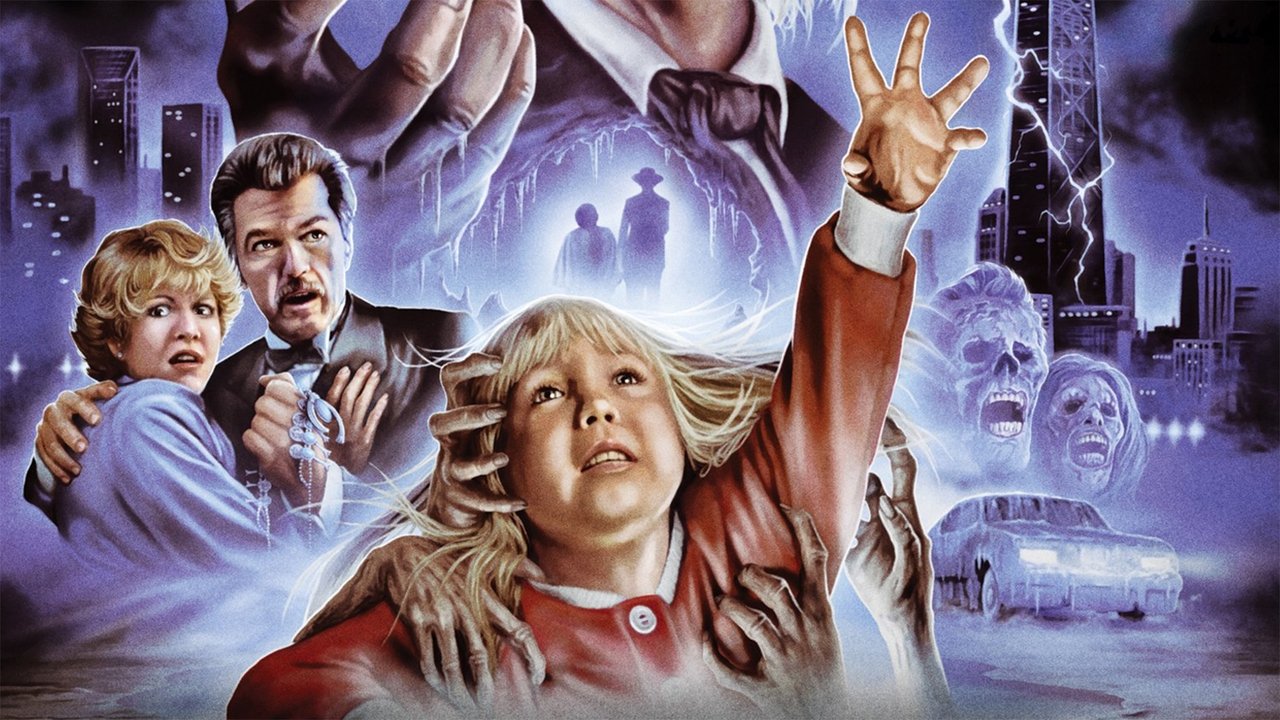
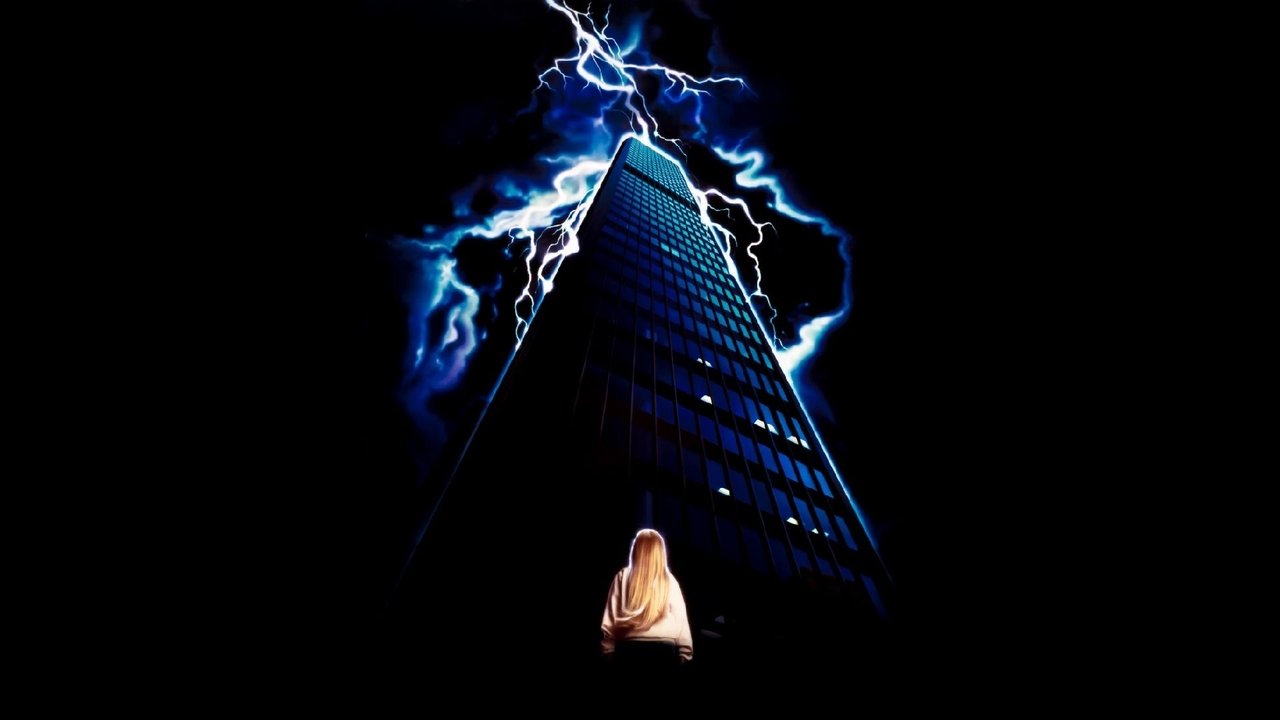
The gleaming, impersonal façade of Chicago's John Hancock Center. It reflects the sky, the city, the clouds... and sometimes, things that aren't really there. Gone is the cozy, violated suburban home of the Freelings. In its place stands this cold, modern monolith, a character in itself in Gary Sherman's Poltergeist III (1988). It's a stark shift, promising a different kind of haunting – one perhaps less intimate, but potentially more insidious, echoing in the endless glass and steel. But beneath the reflections lies a film forever shrouded in a real-world darkness far more chilling than anything conjured on screen.
High-Rise Terror, Mirrored Mayhem
The premise sees young Carol Anne (Heather O'Rourke, in her final, poignant role) sent to live with her Aunt Trish (Nancy Allen, known for RoboCop) and Uncle Bruce (Tom Skerritt, veteran of Alien and Top Gun) in their luxury sky-rise apartment. The hope is that the change of scenery, and enrollment in a school for gifted but troubled children, will distance her from the spectral tormentors led by the menacing Reverend Kane. Of course, this is a Poltergeist film. They find her. This time, however, their conduit isn't the television static, but mirrors, windows, puddles – any reflective surface becomes a potential gateway for otherworldly horrors. Director Gary Sherman (Vice Squad, Dead & Buried), who also co-wrote the script with Brian Taggert, leaned heavily into this concept, creating a film visually distinct from its predecessors.
Smoke and Mirrors: A Practical Gamble
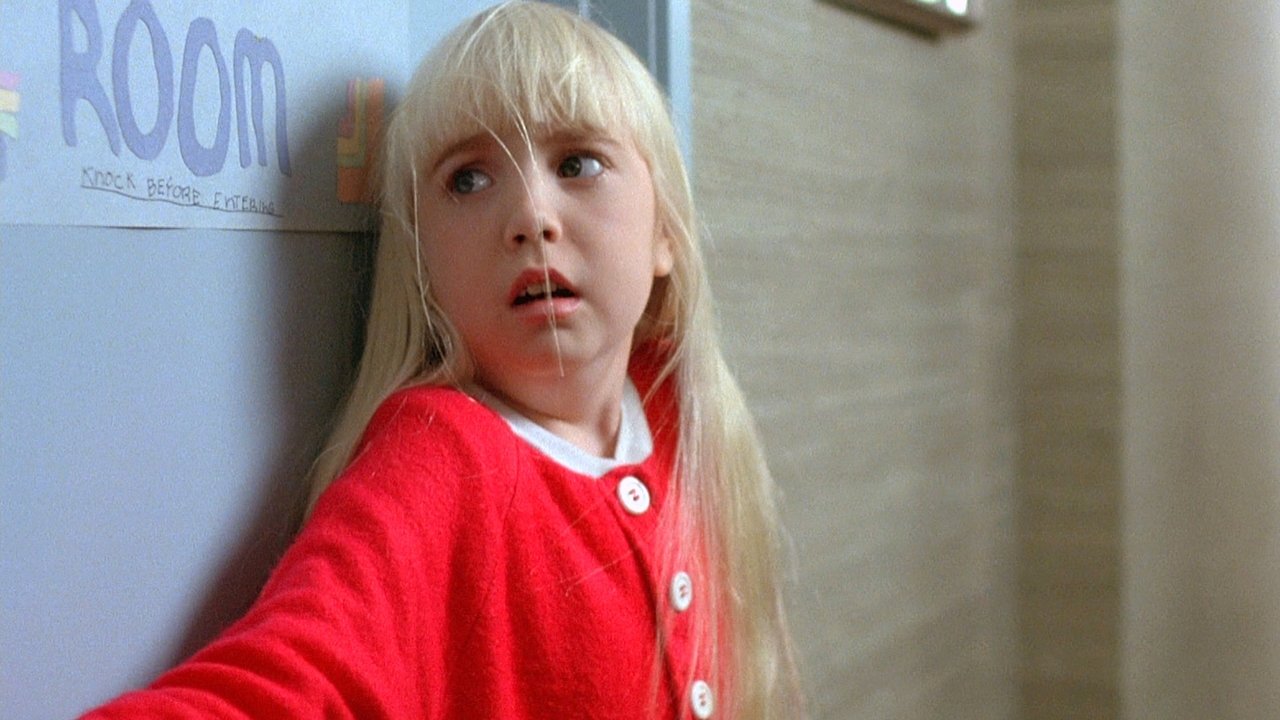
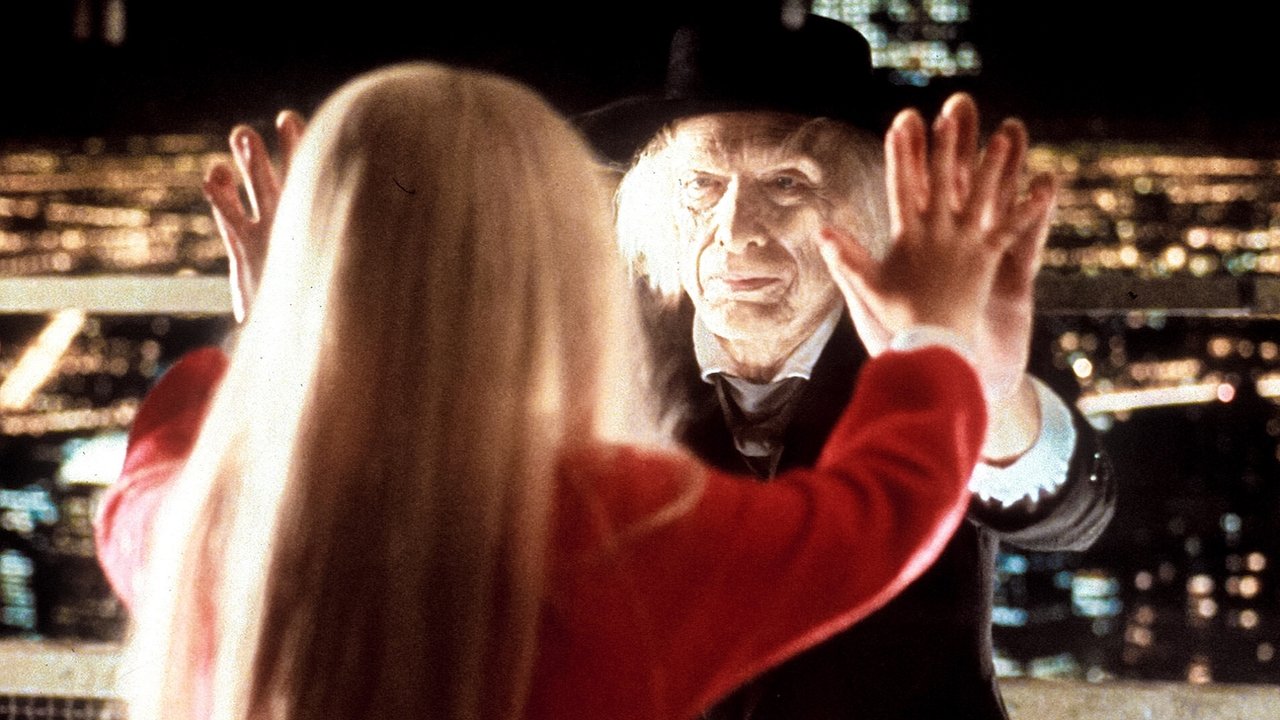
One has to admire the sheer audacity of Sherman’s commitment to practical, in-camera effects. In an era increasingly reliant on optical printers, he set out to achieve nearly all the film's signature scares live on set. This involved incredibly complex setups using dual-mirrored rooms, carefully angled reflections, body doubles, and precise timing to make ghosts appear and disappear, or have characters interact with their sinister doppelgängers. Reportedly, crew members wore specific colors to avoid unwanted reflections during filming. You can almost feel the meticulous, painstaking effort behind sequences like the infamous parking garage scene, where icy apparitions phase in and out of frozen cars. While the dedication is commendable, and some moments land with genuine unsettling style, the reliance on the mirror gimmick becomes repetitive. The scares, often involving sudden appearances in reflections or hands reaching from mirrored surfaces, start to lose their impact through sheer frequency, occasionally feeling more like elaborate magic tricks than sources of sustained dread. Doesn't that central conceit wear a little thin by the third act?
Familiar Faces in Unfamiliar Territory
Heather O'Rourke remains the heart of the film, delivering a performance imbued with an extra layer of sadness given the circumstances. She still projects that unique blend of innocence and weary familiarity with the supernatural. Tom Skerritt and Nancy Allen do capable work as the concerned, increasingly desperate guardians, though their characters feel somewhat less developed than the Freeling parents. Zelda Rubinstein returns as the psychic Tangina Barrons, but her role feels significantly curtailed, almost an afterthought, lacking the quirky authority she commanded previously. Perhaps the most notable absence is the palpable menace of Reverend Kane; actor Julian Beck had passed away after Poltergeist II, and while the character returns (portrayed physically by Nathan Davis, often obscured or seen in reflections), he lacks the skin-crawling presence Beck delivered. The shift reduces him from a specific, terrifying entity to a more generalized spectral threat within the mirrors.
The Shadow Over the Production
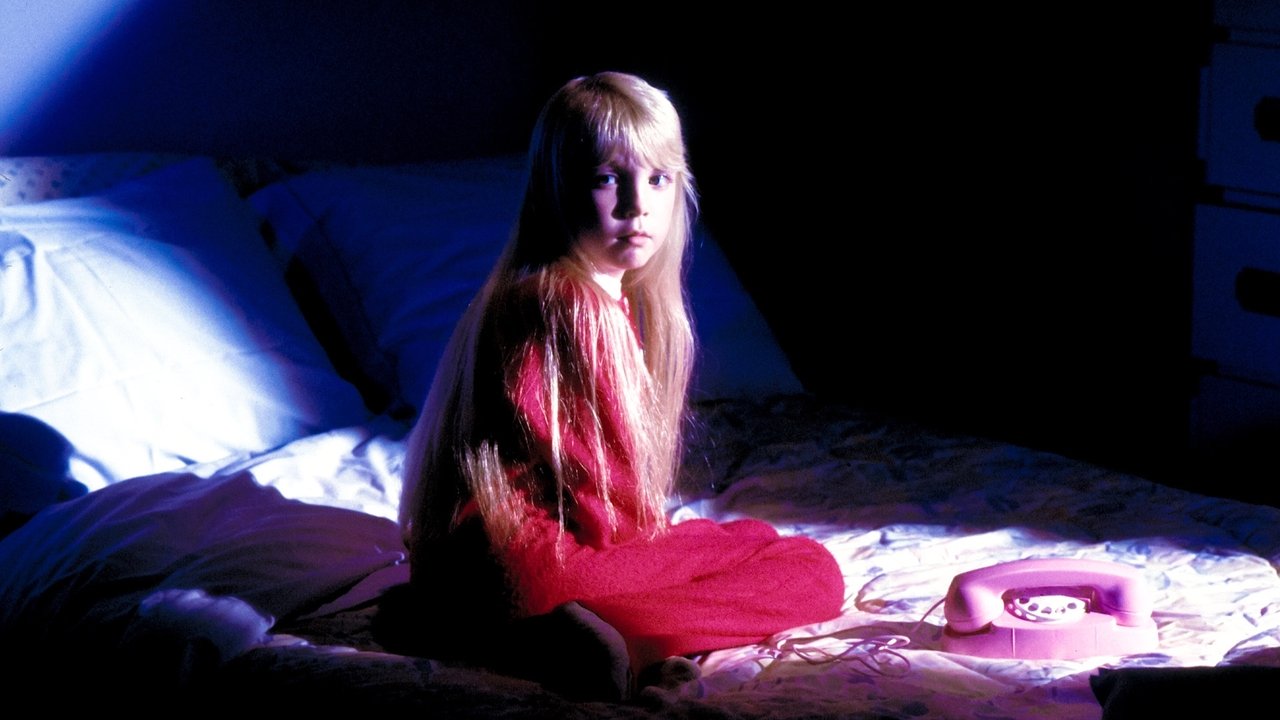
It's impossible to discuss Poltergeist III without acknowledging the profound tragedy that struck during its post-production. Heather O'Rourke fell gravely ill and passed away unexpectedly in February 1988, several months after principal photography wrapped but before the film was finalized. This devastating event hangs heavy over the final product. The original ending, which reportedly featured O'Rourke more prominently, was scrapped. A new, somewhat abrupt conclusion was filmed using a stand-in, often shot from behind or obscured, leading to an ending that feels noticeably disjointed and emotionally unsatisfying. Knowing this backstory lends certain scenes an unintended, tragic resonance, turning moments of scripted peril into something far more somber. It’s one of those dark legends of cinema, a film irrevocably altered by real-life loss.
A Chilly Reception
Filmed partly on location at the imposing John Hancock Center, giving it a unique visual signature, Poltergeist III ultimately struggled to connect with audiences and critics in the same way as the original. Its estimated $10.5 million budget yielded only around $14.1 million at the box office, a significant drop-off for the franchise. Critics often pointed to the repetitive scares and the less compelling family dynamic compared to the first two films. While Sherman’s technical ambition with the practical effects is genuinely interesting from a filmmaking perspective, it didn't quite translate into the sustained terror many expected. It exists as a curious, somewhat chilly footnote in the series.
Final Reflection
Poltergeist III is a fascinating, if flawed, entry in the series, defined as much by its ambitious practical effects and unique setting as it is by the heartbreaking circumstances surrounding its young star. It attempts a different flavour of fear – colder, more architectural – but often gets lost in its own reflection, repeating its main trick until it loses its spectral power. The real-world tragedy lends it a layer of unavoidable sadness that transcends the on-screen scares. For fans of 80s horror and the Poltergeist saga, it remains a noteworthy, if somber, artifact from the VHS era.
Rating: 4/10
The score reflects the film's ambitious but repetitive practical effects, the unavoidable narrative compromises due to tragedy, and its overall standing as the weakest link in the original trilogy. While Skerritt and Allen are solid, and O'Rourke is touching in her final role, the film lacks the emotional core and sustained dread of its predecessors, relying too heavily on a single visual gimmick. It's a chilling watch, but often for reasons unintended by the filmmakers.