Alright, rewind time… but maybe just slightly past the 90s dial for this one. Crack open that slightly-less-dusty case, because we’re sliding John Singleton’s 2000 Shaft into the VCR (or, okay, maybe the DVD player that first started showing up). It might technically be Y2K, but let's be honest, this flick felt like it belonged on the shelf next to our favorite 80s and 90s action staples. It had that swagger, that attitude, and most importantly, it had Samuel L. Jackson.
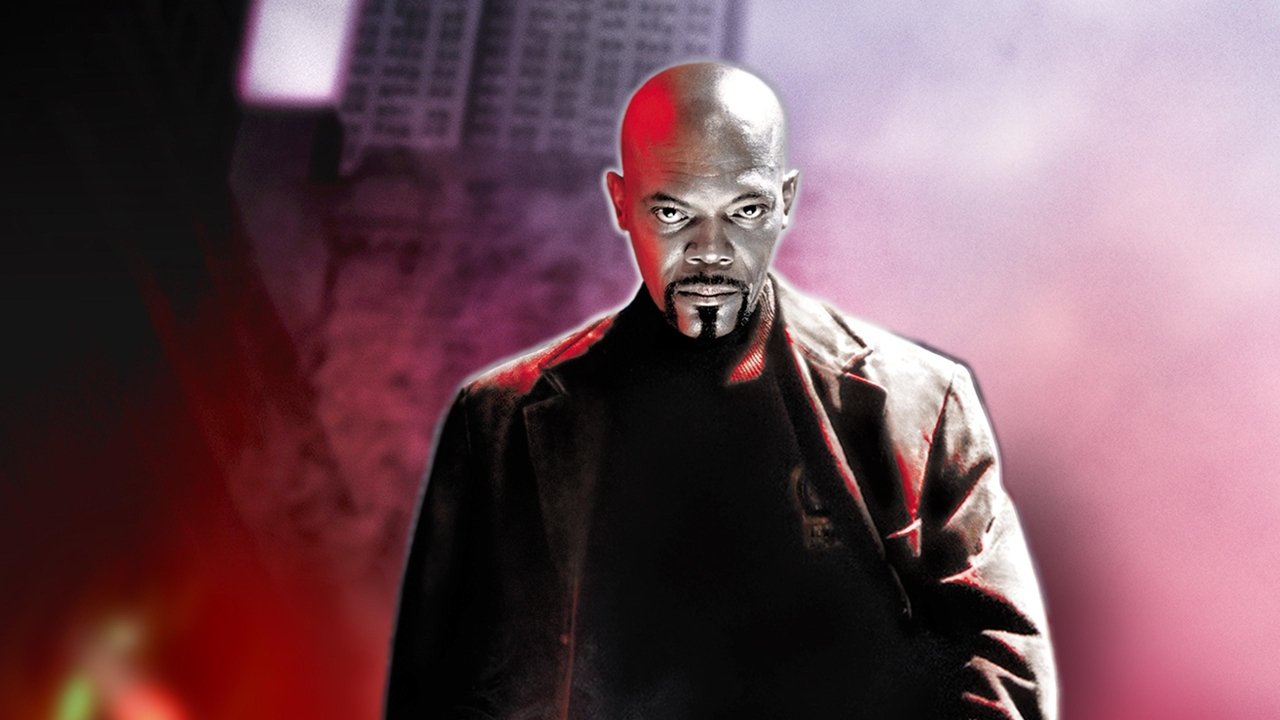
Could anyone else have possibly stepped into the impossibly cool shoes of Richard Roundtree’s iconic private dick? The announcement alone felt like destiny. Jackson, already a titan after Pulp Fiction (1994) and solidifying his action chops through the 90s, wasn't just playing Shaft; he was Shaft for a new generation. And the filmmakers wisely made him the nephew of the original, allowing the legendary Richard Roundtree himself to pass the torch (and offer some sage advice) in a series of crowd-pleasing cameos. Seeing them share the screen? Pure cinematic magic, bridging the gap between the 70s grit and the turn-of-the-millennium slickness.
### Can Ya Dig It? The Man Comes Around Again
Director John Singleton, who forever changed the game with Boyz n the Hood (1991), felt like the perfect choice to resurrect this character. He brought an authenticity, a deep understanding of the streets, and a distinct visual style that updated Shaft without betraying his roots. Forget the disco-era threads; this Shaft rocked Armani trench coats and radiated menace. The plot kicks off with NYPD Detective John Shaft II (Jackson) witnessing a racially charged murder outside a club, committed by the spoiled, racist scion Walter Wade Jr. (Christian Bale, pre-Batman intensity already simmering). When Wade flees the country after making bail (a detail reportedly added by crime novelist and screenwriter Richard Price to enhance the realism and systemic critique), Shaft quits the force in disgust, vowing to bring Wade to justice his own way.
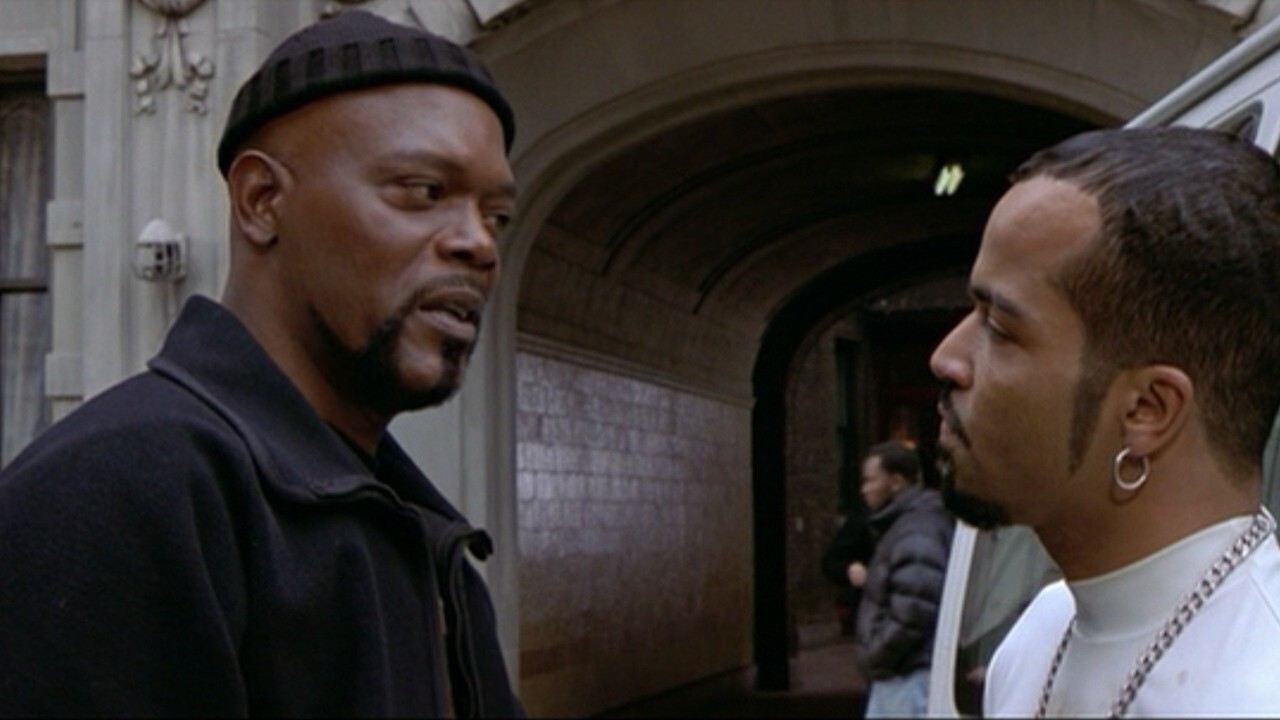
This sets up a classic P.I. framework, but Singleton infuses it with a pulsing energy. The film dives into the gritty underbelly of New York City – a world of drug lords, corrupt cops, and hidden witnesses. Remember Peoples Hernandez? Played with electrifying, almost chameleon-like menace by Jeffrey Wright, he wasn’t just a drug kingpin; he was a force of nature, a neighborhood power broker who becomes a major obstacle (and eventual target) for Shaft. Wright absolutely disappears into this role, a far cry from his more cerebral characters, proving his incredible range. Vanessa Williams adds necessary heart and stakes as Carmen Vasquez, a fellow cop and potential ally caught in the crossfire, while Toni Collette shines in a smaller but crucial role as Diane Palmieri, the terrified waitress who holds the key to Wade's conviction.
### Street-Level Action, Y2K Style
Let's talk action. Singleton didn't go for the massive, city-levelling destruction that started creeping into blockbusters around this time. Instead, Shaft delivers tight, brutal, and personal confrontations. The shootouts feel grounded and chaotic. Remember that sequence where Shaft tracks down the witness? The tension builds beautifully, culminating in sudden bursts of violence that feel impactful. It’s less about acrobatic wire-fu and more about close-quarters standoffs and hard-hitting realism – a sensibility Singleton honed in his earlier work.
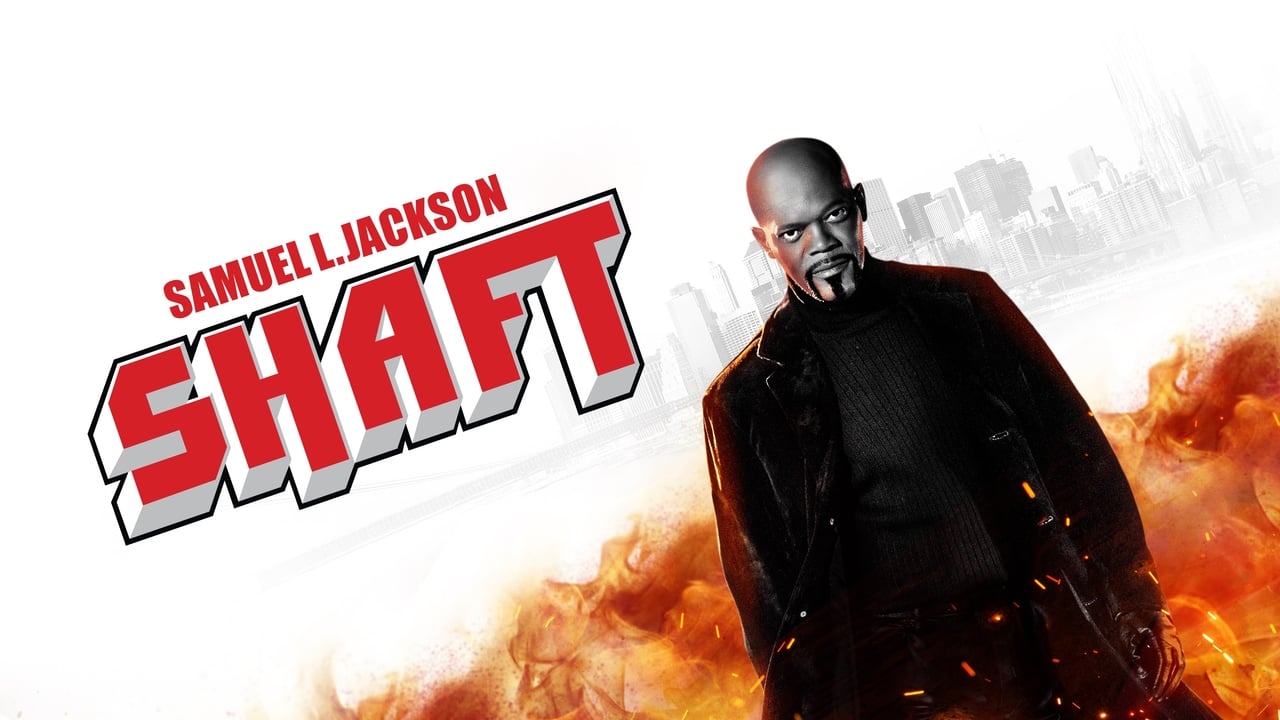
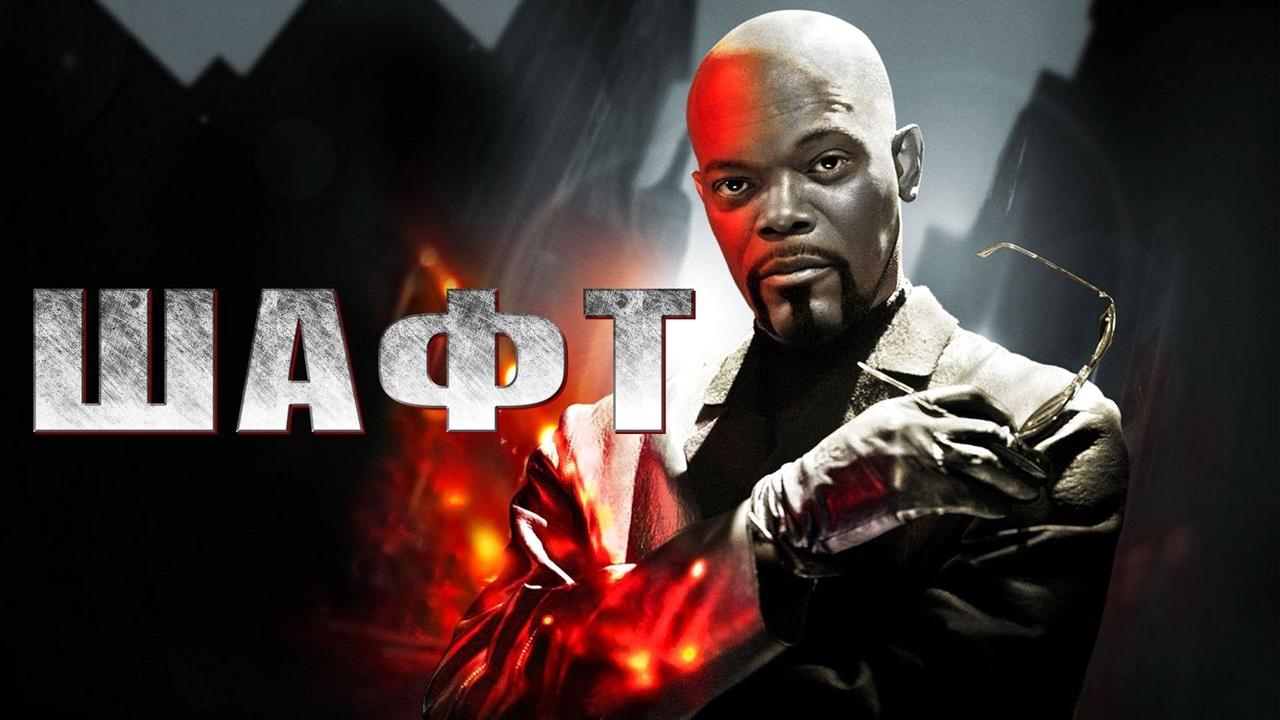
While maybe not relying on the same level of pure practical stunt work as, say, Lethal Weapon (1987), the film still had a tangible feel. You felt the impacts, the shattering glass, the raw energy of Shaft confronting thugs in cramped apartments or dark alleyways. There's a visceral quality here that connects more to the hardboiled thrillers of the 70s and 80s than the increasingly CGI-heavy actioners that would follow. Singleton reportedly fought hard for the R-rating, wanting to ensure the violence and language felt authentic to the world he was depicting. The film cost a reported $46 million and pulled in over $107 million worldwide – a solid success that proved audiences were definitely ready for Shaft’s return.
### More Than Just a Bad Mother...
What makes this Shaft endure isn't just the action or the iconic theme song (which gets a killer update). It's Jackson's towering performance. He nails the swagger, the impatience, the unwavering moral compass (even if his methods are... questionable). He delivers lines dripping with cool contempt and backs it up with decisive action. He owns the screen. The supporting cast is uniformly excellent, particularly Wright and Bale as genuinely threatening antagonists who you love to hate.
Sure, you could argue the plot follows some familiar beats of the urban thriller genre. But it’s executed with such style, confidence, and powerhouse acting that it rises above formula. Singleton’s direction ensures New York City itself feels like a character – vibrant, dangerous, and complex. It captured a specific moment in time, updating a legend while staying true to his spirit.
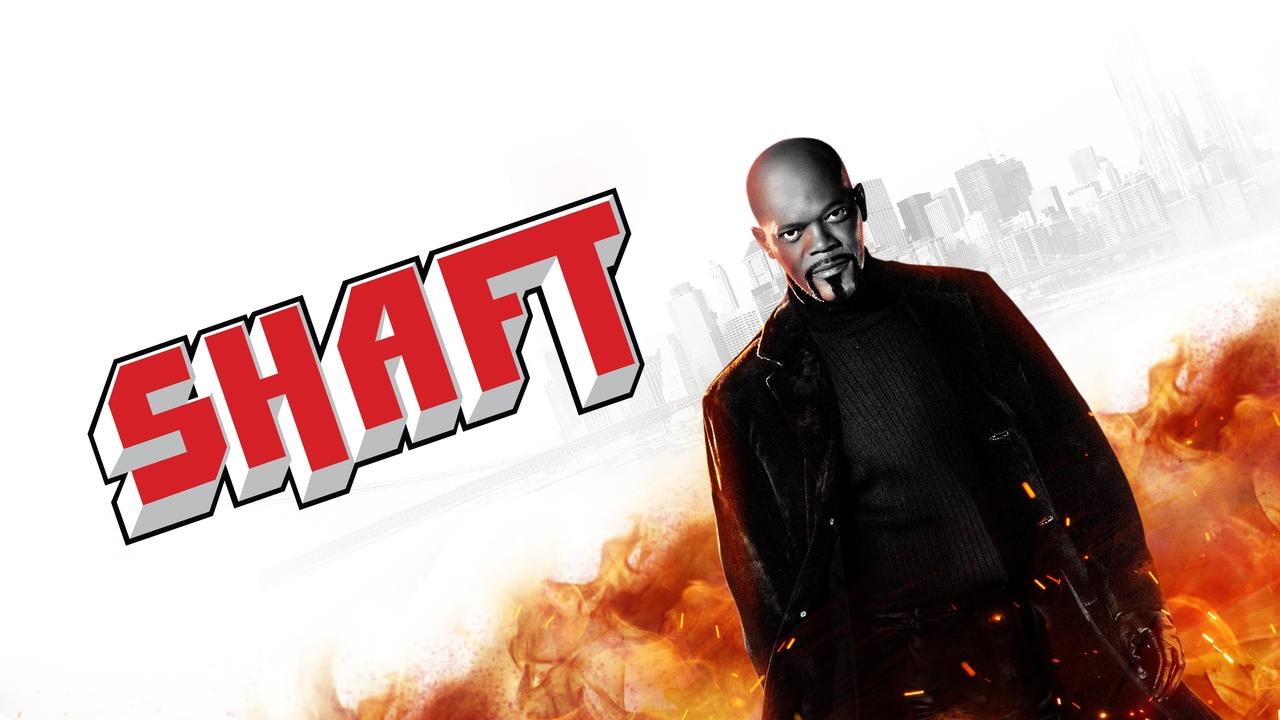
Rating: 8/10
Why the score? Samuel L. Jackson's definitive performance, stellar villains from Wright and Bale, Singleton's assured direction, and a successful modernization of an icon earn this a high mark. It delivers thrilling, grounded action and captures the essential cool of Shaft. It might not be the revolutionary original, but it's a damn good, incredibly entertaining movie that understood its assignment.
Final Take: While technically a product of the new millennium, 2000's Shaft carries the swagger and street-smart grit of the best 70s and 80s urban action flicks, supercharged by an electric turn from Samuel L. Jackson. Shut yo' mouth... and press play.