It arrives like a ghost breath off the rain-swept moors – that palpable sense of honor, thick and heavy as peat smoke, which anchors 1995’s Rob Roy. Released in the cinematic shadow of its flashier, battle-heavy contemporary Braveheart, Michael Caton-Jones’s film offers something quite different, something quieter yet perhaps more resonant over time: a deeply personal story about integrity in a world seemingly designed to crush it. It’s less concerned with the sweep of history and more with the intimate contours of a man’s soul, and the devastating consequences of clinging to one’s word.
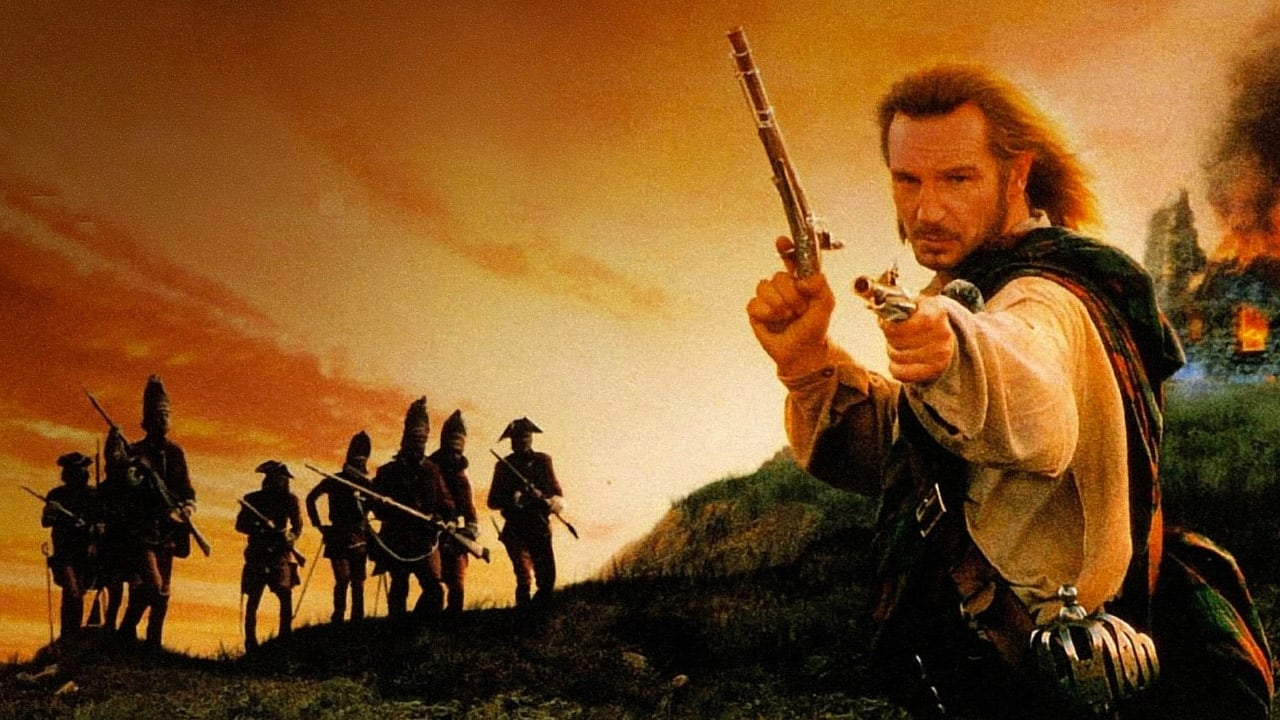
I remember renting this on VHS, probably not long after its theatrical run. The cover, featuring Liam Neeson looking resolute against the rugged Scottish landscape, promised adventure, but the film delivered something more profound, something that lingered long after the tape automatically rewound with that familiar whirring sound.
### A Man of His Word
The premise is deceptively simple: Robert Roy MacGregor (Liam Neeson), a proud Highland clan leader in early 18th century Scotland, seeks a loan from the powerful Marquis of Montrose (John Hurt) to help his people survive a harsh winter. Betrayal, swift and brutal, ensues, orchestrated by Montrose's calculating factor Killearn (Brian Cox) and executed with chilling efficiency by the dangerously foppish swordsman, Archibald Cunningham (Tim Roth). What follows isn't a tale of grand rebellion, but one of survival, persecution, and the staggering cost of refusing to compromise one's principles. Alan Sharp’s screenplay, drawing loosely from history and Daniel Defoe's writings (not Sir Walter Scott's later novel, a common misconception), prioritizes character and moral complexity over spectacle. This focus allows the drama to unfold with a grounded, almost painful realism.
### The Weight of Presence
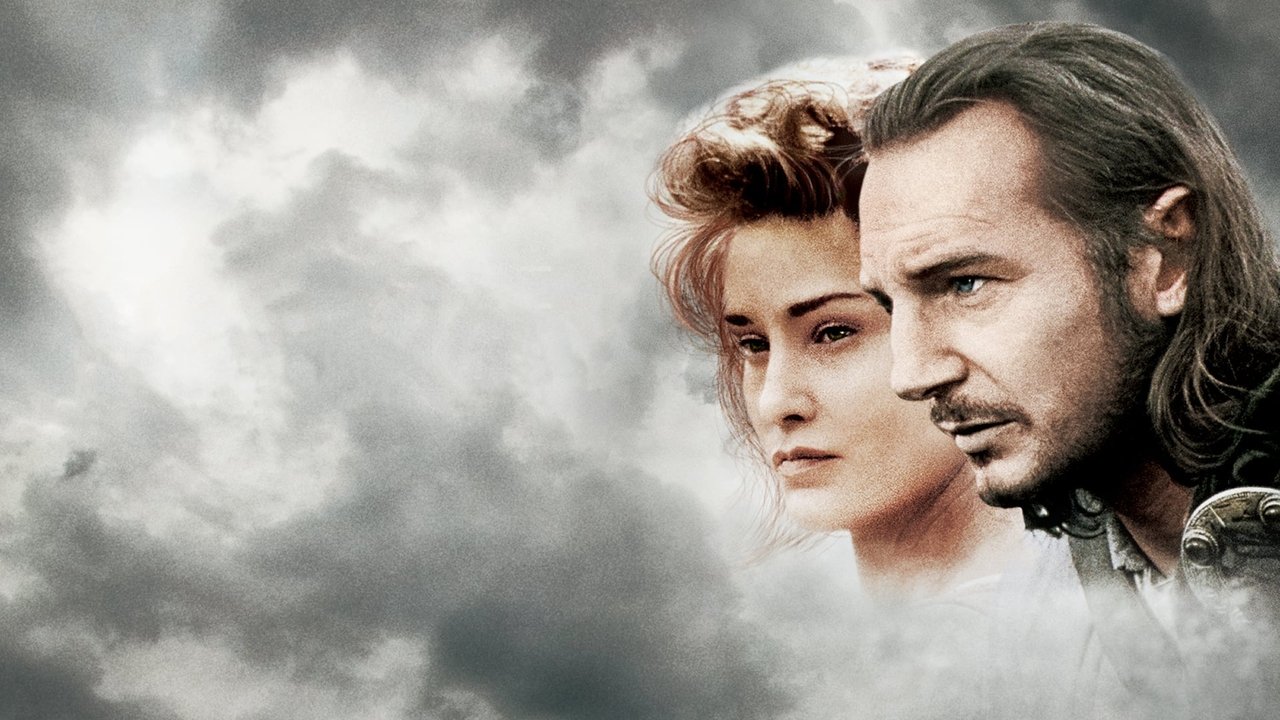
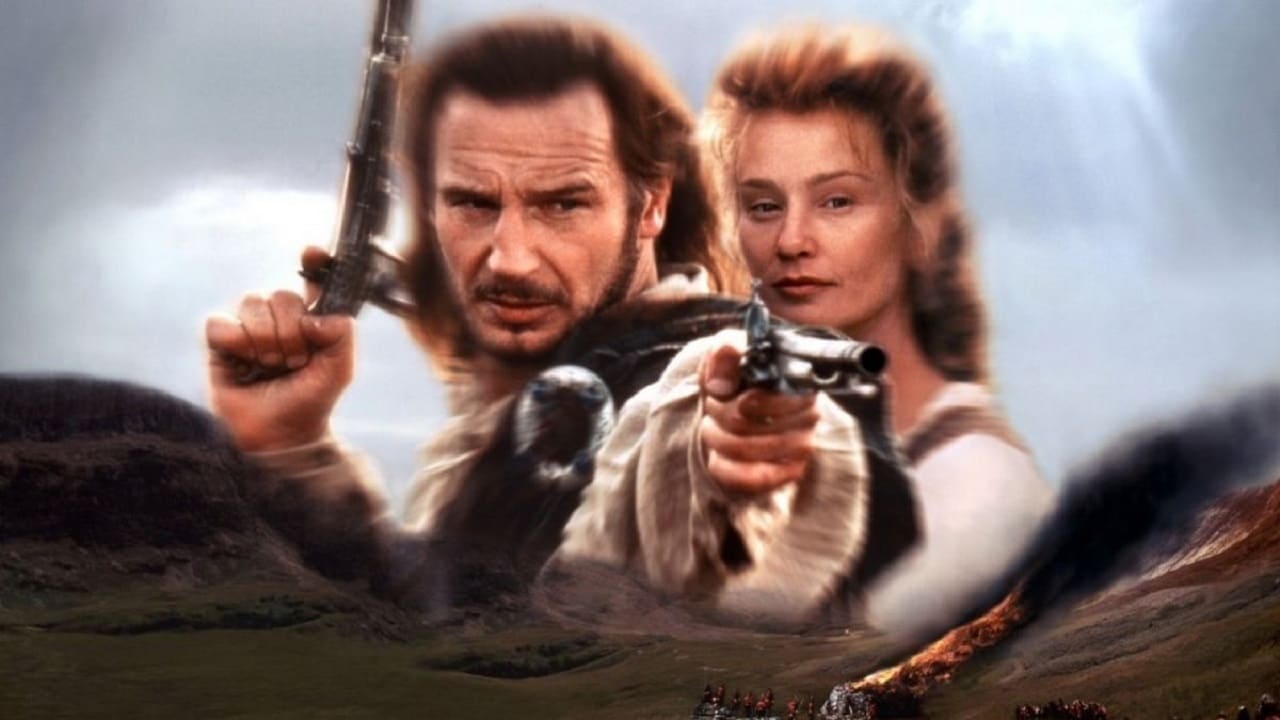
The performances are the bedrock upon which Rob Roy stands, immovable and true. Liam Neeson, years before becoming the action icon of the Taken franchise, embodies MacGregor with a quiet dignity and immense physical presence. He isn’t a mythical hero; he’s a proud, sometimes stubborn man trying to navigate treacherous social currents. Neeson conveys Rob's internal struggles – the simmering rage against injustice, the deep love for his family, the burden of leadership – often through little more than a haunted look in his eyes or the set of his jaw. It’s a performance of compelling restraint. Reportedly, Neeson, committed to authenticity, performed a significant amount of his own stunt work, adding another layer of believability to Rob’s ruggedness.
Standing beside him, equally formidable, is Jessica Lange as Mary MacGregor. This is no damsel in distress. Lange crafts Mary as fiercely intelligent, resilient, and possessed of a strength that complements, and at times surpasses, her husband's. The film doesn't shy away from the brutal realities faced by women in that era, and Lange navigates Mary’s harrowing arc with extraordinary grace and power. Her confrontation scenes crackle with an intensity that feels utterly authentic; she is the film's unwavering emotional core.
Then there’s Tim Roth. His Archibald Cunningham remains one of the great screen villains of the 90s, a chilling portrait of aristocratic malice wrapped in silks and lace. Roth earned a BAFTA win and an Oscar nomination for this role, and it’s easy to see why. He imbues Cunningham with a lazy, contemptuous arrogance and a viper-like deadliness. There’s a fascinating contrast between his effete mannerisms and the lethal skill he displays with a rapier. Roth apparently threw himself into researching the period, focusing on the specific deportment and swordsmanship styles. He understood that Cunningham's cruelty wasn't loud; it was precise, casual, and all the more terrifying for it. And John Hurt, as Montrose, delivers a masterclass in weary cynicism, portraying the Marquis not as a moustache-twirling villain, but as a man trapped by his own status and disdainful of the messy honour he sees in MacGregor.
### Mud, Mist, and Steel
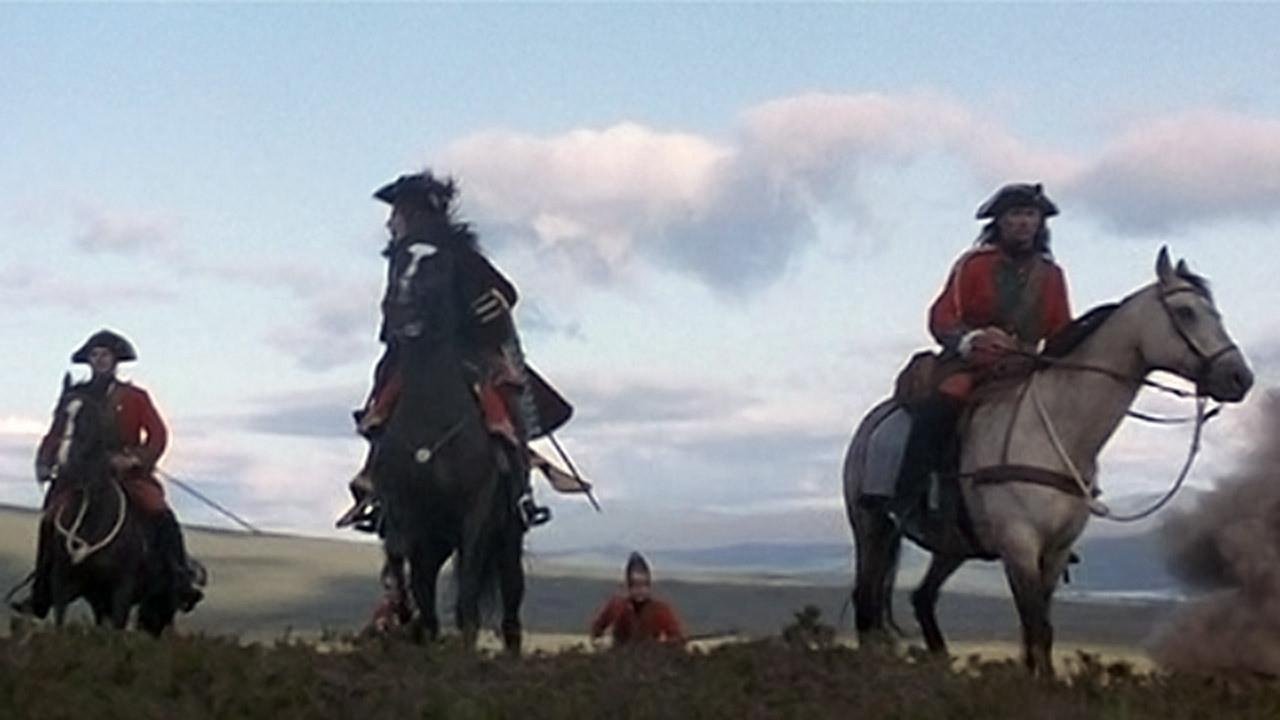
Director Michael Caton-Jones (Scandal, This Boy's Life) wisely lets the stunning, often harsh beauty of the Scottish Highlands, filmed on location in places like Glen Nevis and near Loch Morar, serve as more than just backdrop. It is character – shaping the people, dictating their struggles. The cinematography captures both the breathtaking vistas and the damp, muddy reality of life. Carter Burwell’s evocative score complements this perfectly, underscoring the emotion without overwhelming it.
The production itself, with a budget of around $28 million (a respectable sum, but modest compared to Braveheart's epic scale), focused its resources effectively. Sandy Powell's costume design subtly delineates class and character. But it's the film's approach to violence, particularly the climactic duel, that truly stands out. Choreographed by the legendary William Hobbs, who favored realism over flashy acrobatics (he also worked on Ridley Scott’s The Duellists), the final sword fight between MacGregor and Cunningham is rightly lauded. It's not elegant; it's exhausting, brutal, and desperate. The clash of Neeson’s heavy broadsword against Roth’s light, wickedly fast rapier tells a story in itself – raw strength versus practiced, vicious skill. Weeks of intense training went into making it feel terrifyingly real, a visceral culmination of the film’s central conflict.
### Enduring Honor
While Braveheart captured the popular imagination with its scale and patriotic fervor, Rob Roy offers a different kind of satisfaction. It didn't achieve the same massive box office success (grossing around $58 million worldwide), but its focus on character, its stellar performances, and its unflinching look at the complexities of honor give it a lasting power. It poses uncomfortable questions: What is the true price of integrity? Can honor survive in a world governed by wealth and influence? Doesn't the quiet resilience of individuals like Rob and Mary hold a different kind of heroism?
Rob Roy feels like a film made for grown-ups, even back in 1995. It trusts its audience to appreciate nuance, to feel the weight of its characters' choices. It’s a film that settles in the bones, much like the damp Highland air it so vividly portrays. It’s a reminder that sometimes the most compelling dramas aren't about changing the world, but about refusing to let the world change you.
Rating: 9/10
The score reflects the film's exceptional performances, particularly from Lange and Roth, its mature handling of complex themes, the authentic atmosphere, and that unforgettable, brutally realistic duel. It’s a meticulously crafted historical drama that values character depth over spectacle, earning its emotional impact through grounded storytelling and powerful acting. A true gem from the mid-90s video store shelves that still commands respect. It leaves you pondering not the roar of battle, but the quiet strength it takes to simply stand by your word.