Ah, the Hundred Acre Wood. For generations, it’s been a place of gentle adventures, honey pots, and enduring friendships. But cast your mind back to the turn of the millennium, right as the familiar hum of the VCR was starting to compete with the whir of DVD players. It was then that one of its most exuberant residents finally bounced into the cinematic spotlight all his own. The Tigger Movie (2000) arrived not just as another Pooh story, but as a heartfelt exploration of the one and only Tigger, giving us a surprisingly poignant look under all that boundless energy.
### More Than Just Bouncing
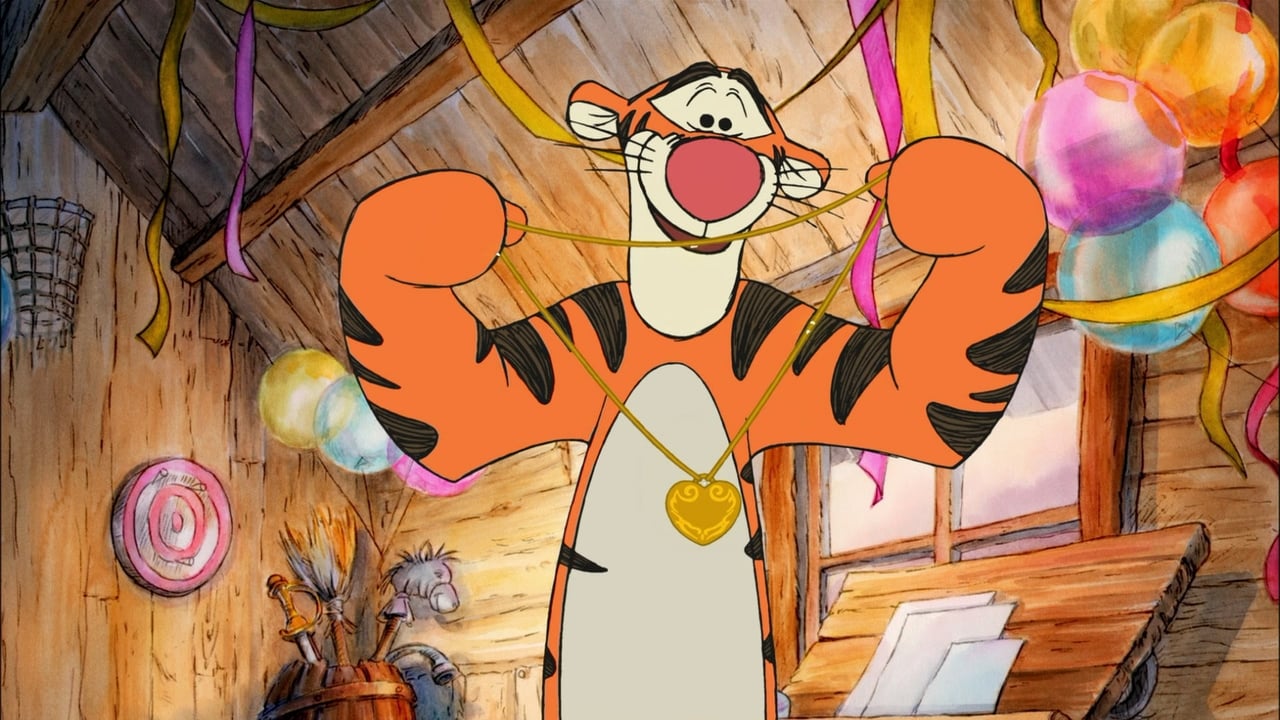
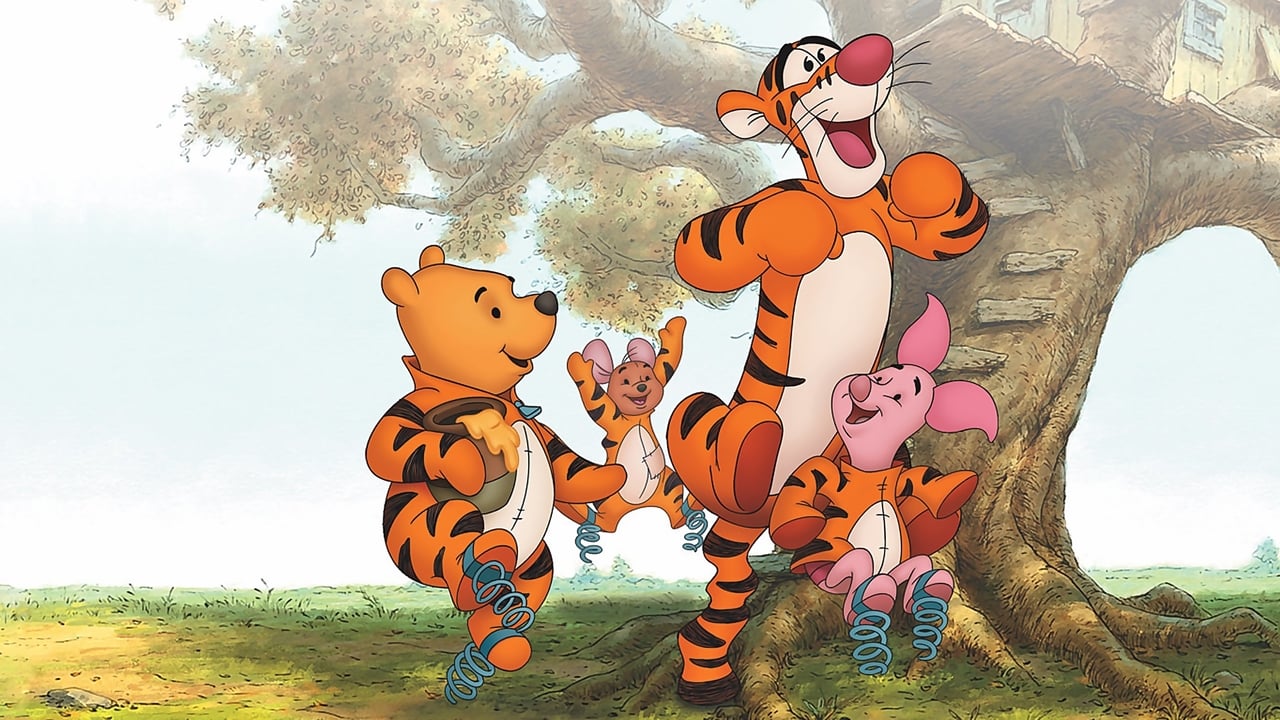
While Winnie the Pooh often anchors the tales, this charming feature, directed and co-written by Jun Falkenstein, decided it was time to delve into Tigger’s desire for connection. We find our irrepressibly bouncy friend feeling a little out of place, wondering if there are other Tiggers out there like him. It’s a simple premise, rooted in A.A. Milne’s beloved world, but it taps into universal feelings of belonging and the definition of family. The narrative follows Tigger's earnest, sometimes misguided, quest to find his "family tree," leading to touching moments and gentle life lessons that resonate beyond just the younger audience it was primarily aimed at. I remember watching this one, perhaps on a slightly newer TV by then but still with that comforting familiarity of these characters, and being genuinely moved by Tigger's vulnerability.
### The Wonderful Thing About Cummings
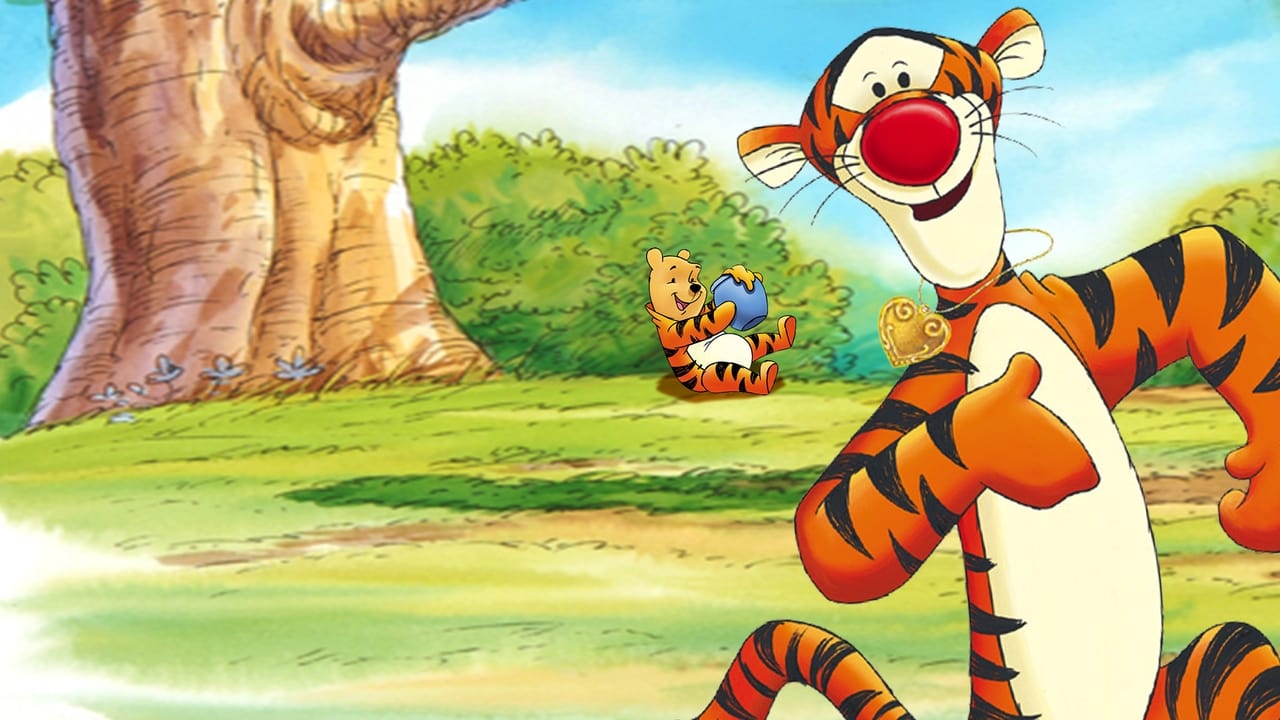
You simply cannot talk about Tigger (or Pooh, for that matter) in the modern Disney era without celebrating the phenomenal talent of Jim Cummings. His performance as Tigger is iconic – capturing that signature “hoo-hoo-hoo-hoo!” laugh, the boundless enthusiasm, and, crucially for this film, the underlying sensitivity. What’s truly remarkable, and a fantastic bit of voice-acting trivia, is that Cummings also voices Winnie the Pooh in the film! Pulling double duty with two such distinct and beloved characters, often interacting within the same scene, is a testament to his incredible range and skill. He seamlessly embodies both the optimistic bouncer and the thoughtful, honey-loving bear. The supporting cast, including Nikita Hopkins as the ever-loyal Roo and the wonderfully fretful Ken Sansom as Rabbit, provide the perfect counterpoints to Tigger’s energy, reinforcing the theme that family is often the friends who surround us.
### Classic Charm, Cinematic Scope
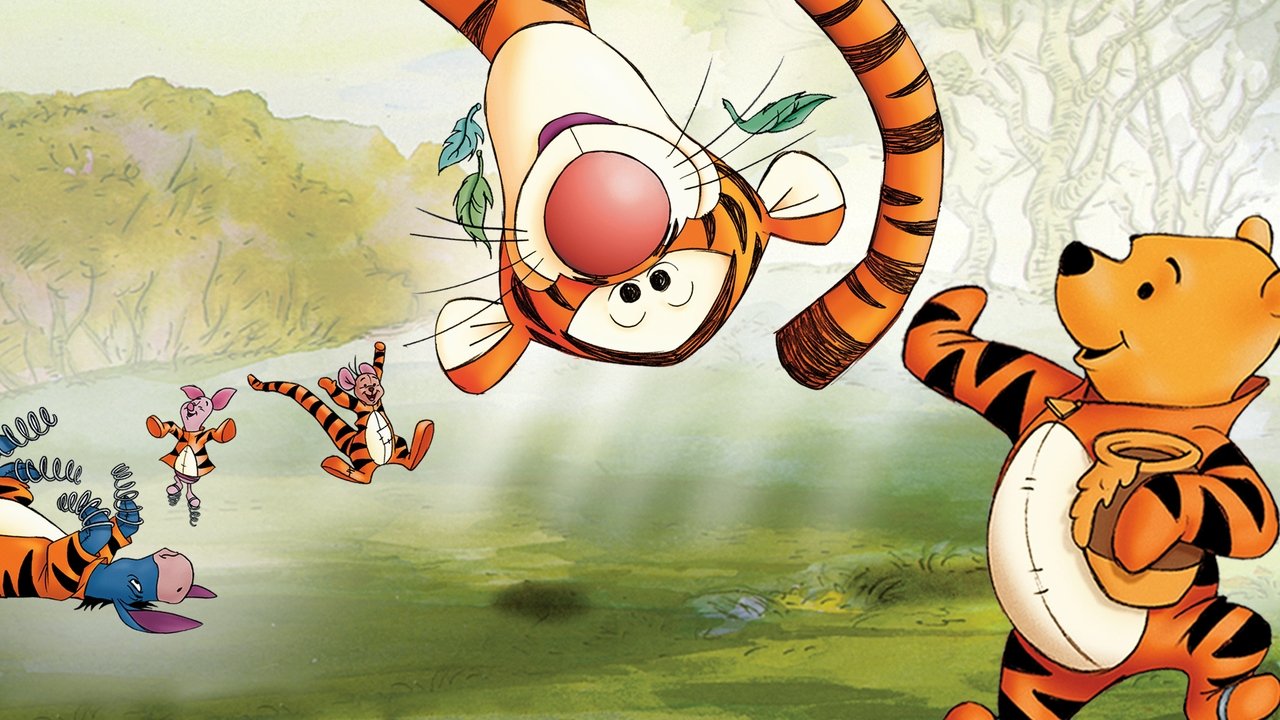
Visually, The Tigger Movie feels like slipping into a warm blanket. The animation, primarily handled by Walt Disney Animation Japan, beautifully retains the classic, storybook aesthetic established by decades of Pooh shorts and features. Yet, it also possesses a slightly richer, more cinematic quality befitting a theatrical release. The Hundred Acre Wood looks lush and inviting, and the character animation is expressive and fluid, particularly during Tigger's famously energetic bounces.
And the music! Who better to provide songs for a Pooh feature than the legendary Sherman Brothers, Richard and Robert? Having penned unforgettable tunes for Disney classics like Mary Poppins (1964) and The Jungle Book (1967), their involvement lends The Tigger Movie an instant layer of nostalgic credibility. Songs like "Round My Family Tree" and the incredibly catchy "How to Be a Tigger" fit perfectly within the Pooh musical canon – simple, heartfelt, and hummable long after the credits roll. It felt like a beautiful continuation of a cherished legacy.
### A Tigger Tale That Earned Its Stripes
Despite its G-rating and gentle nature, The Tigger Movie wasn't just a small home video affair. It received a proper theatrical release and performed admirably, bouncing its way to over $96 million worldwide against a relatively modest $30 million budget. Critics at the time were generally warm, appreciating its faithfulness to the source material and its emotional core (it currently holds a respectable 63% on Rotten Tomatoes from critics, though audiences rate it higher). It proved there was still a considerable appetite for traditional animation and these timeless characters, even as CGI was rapidly becoming the norm.
The production itself was a global effort, showcasing how Disney utilized its various animation studios. While maybe not packed with the kind of behind-the-scenes drama some blockbusters have, its smooth production and successful reception speak volumes about the enduring appeal of Milne’s creations and the quality Disney aimed for, even in what some might have considered just a spin-off. It didn't try to reinvent the wheel; it simply told a Tigger-centric story with heart and care, making it a worthy addition to the Pooh library. For many families, the VHS tape (or perhaps the early DVD!) of this film became a well-loved fixture, offering comfort viewing with a lovely message.
### Final Thoughts
The Tigger Movie might have arrived at the tail-end of the dominant VHS era, but it perfectly encapsulates the warmth and charm that made so many animated features from that time feel special. It’s a film that respects its characters, delivers genuine emotion without being saccharine, and boasts wonderful voice work and memorable songs. It doesn’t rely on pop culture gags or frantic pacing; instead, it trusts in the power of friendship, belonging, and, of course, bouncing. It’s a lovely reminder that sometimes the family you’re searching for has been right there beside you all along.
Rating: 8/10
This rating reflects the film's success in achieving exactly what it set out to do: deliver a heartfelt, beautifully animated, and utterly charming Tigger-centric story that honours the spirit of A.A. Milne and the Disney Pooh legacy. The exceptional voice work by Jim Cummings, the lovely Sherman Brothers songs, and the genuinely touching narrative about finding your family make it a standout within the Pooh filmography and a truly comforting watch. It might be simple, but its execution is full of warmth and quality.
A truly wonderful thing about The Tigger Movie is how it feels both timeless and like a perfect little time capsule – a sweet, sincere adventure from the cusp of a new millennium, proving some stories just never lose their bounce.