Okay, pull up a beanbag chair and let’s rewind to a time when animation spin-offs weren't quite the streaming behemoth they are today. Sometimes, nestled amongst the Disney sequels and Land Before Time installments on the video store shelves, you'd find a real curiosity. Enter Bartok the Magnificent (1999), a direct-to-video feature starring the scene-stealing, slightly neurotic albino bat from Don Bluth and Gary Goldman’s rather grand Anastasia (1997). It felt like an unexpected bonus level unlocked, didn't it? Taking a character primarily known for comic relief and flustered sidekickery and thrusting him into the hero spotlight was a bold move, shifting from Russian revolutions to a more straightforward fairy tale landscape.

### From Sidekick to Star
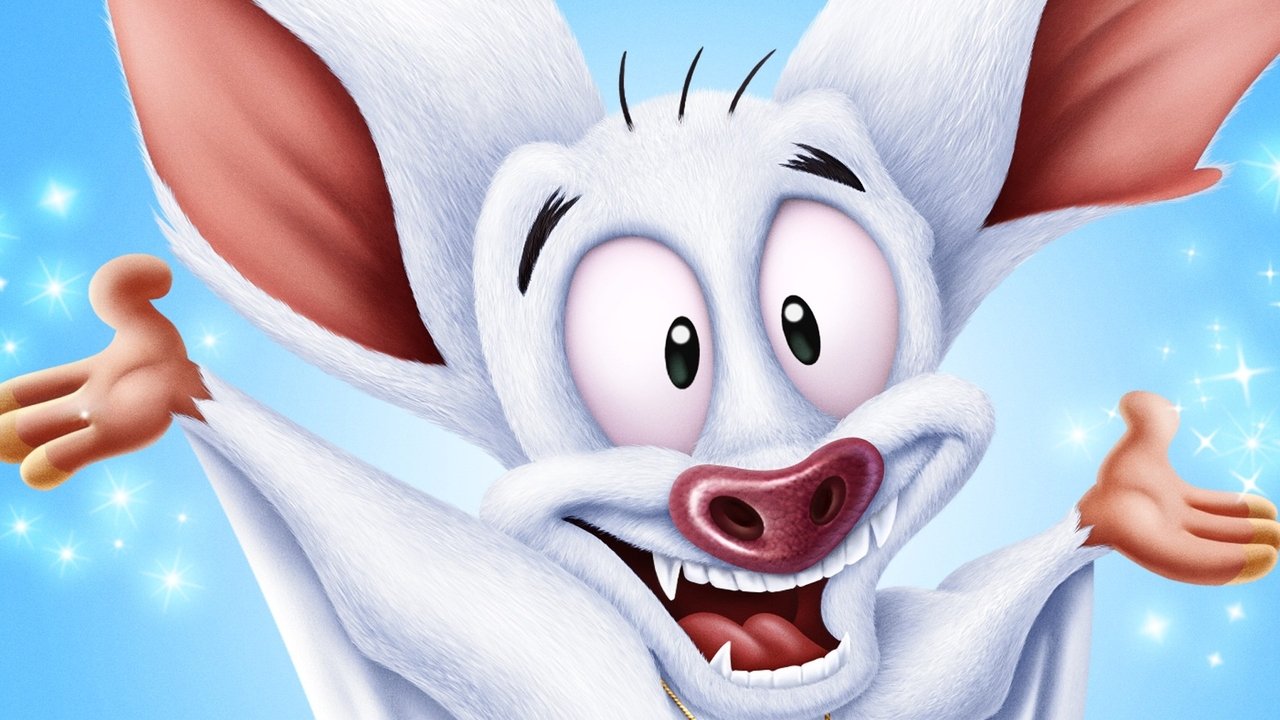
The magic, and much of the film's enduring charm, hinges entirely on Hank Azaria’s phenomenal voice work as Bartok. He imbues the little guy with such infectious energy – a whirlwind of misplaced confidence, genuine fear, and surprisingly sharp wit. Azaria, who deservedly snagged an Emmy for Outstanding Voice-Over Performance for this role, makes Bartok more than just funny; he makes him relatable. We see his stage persona – "Bartok the Magnificent!" – the brave hero dazzling crowds in Moscow with tales of his (mostly fabricated) daring deeds. But peel back the curtain, and he’s just a small bat trying to get by, prone to panic but possessing a good heart buried under layers of bluster. It’s this duality that carries the narrative, written by Jay Lacopo, making Bartok a surprisingly engaging protagonist for his own adventure.
### A Quest Fit for a Bat
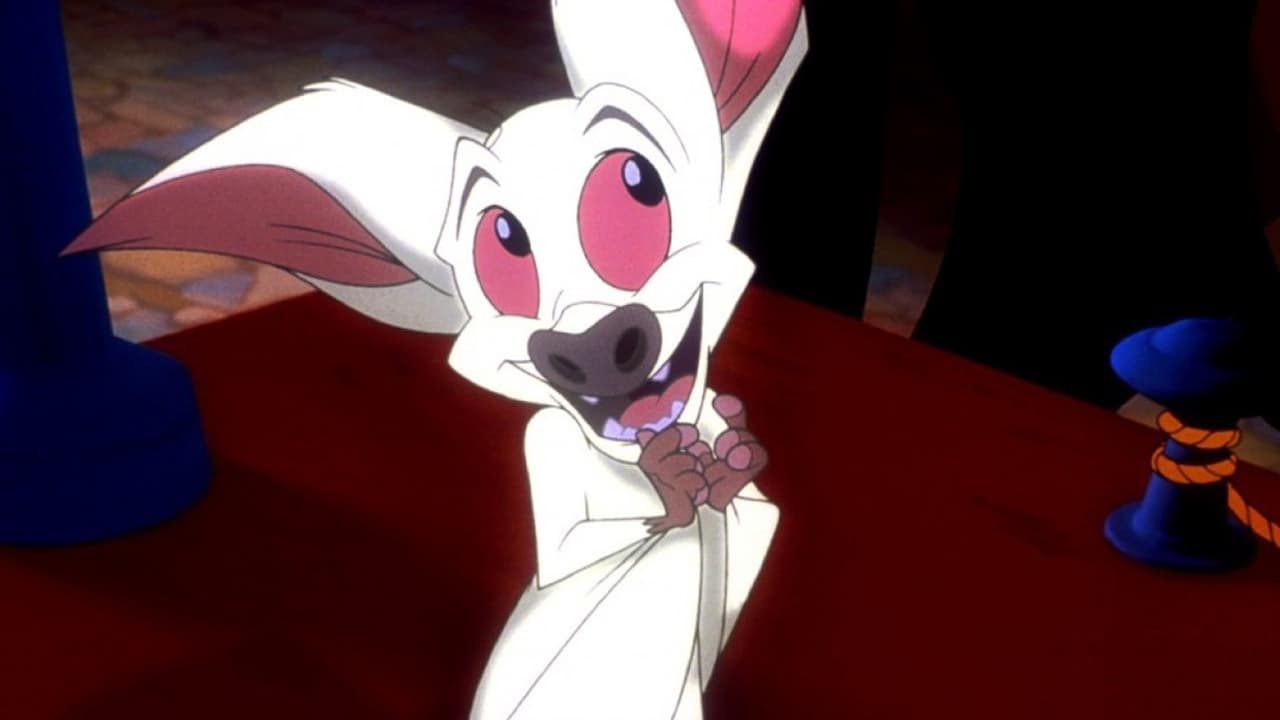
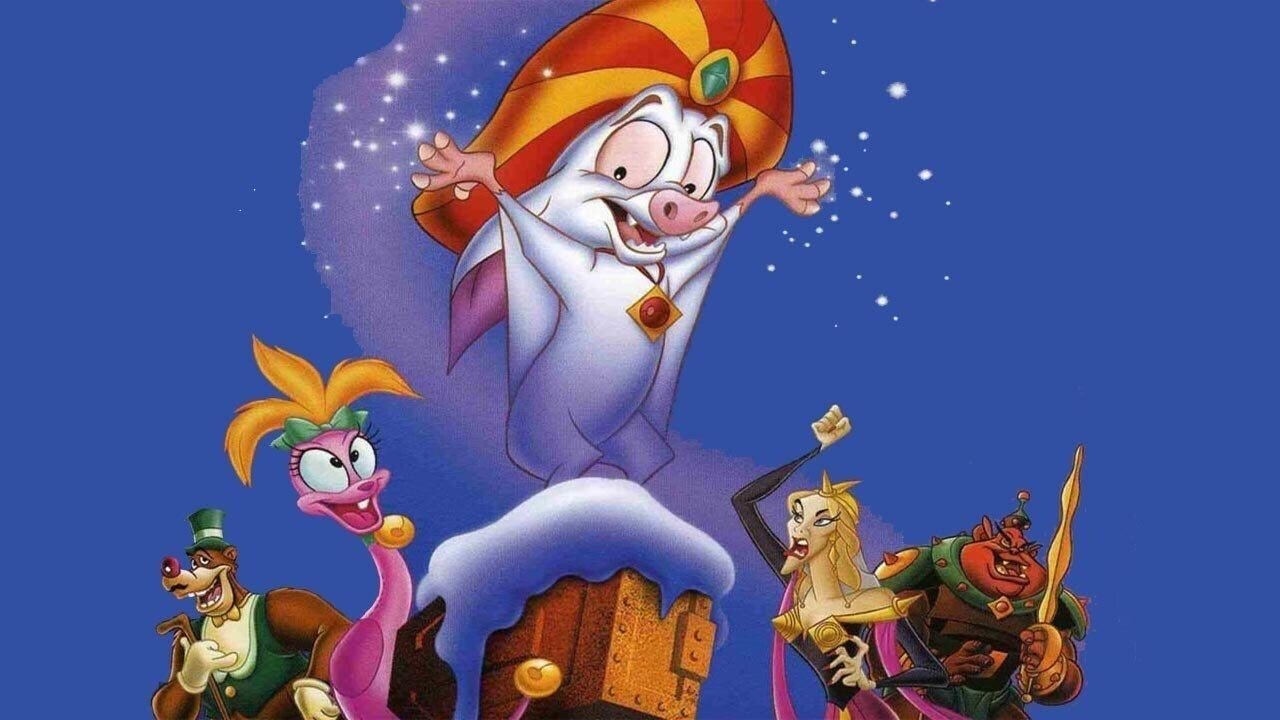
The plot itself is classic fairy tale fodder. When the young heir, Prince Ivan, is snatched away under mysterious circumstances, all fingers point to the legendary, fearsome witch Baba Yaga. The populace, whipped into a frenzy by the Regent Ludmilla (voiced with delicious haughtiness by Catherine O'Hara), turns on Bartok, the only one who showed Ivan any kindness. To clear his name and, you know, survive, Bartok must embark on a perilous quest to Baba Yaga's walking, chicken-legged house to rescue the prince. It’s a simple setup, but effective, providing plenty of opportunities for adventure, scares (well, Bluth-level scares), and character growth. Along the way, Bartok acquires a companion in Zozi, a sophisticated, aristocratic bear voiced with perfect stoicism by Kelsey Grammer (yes, Frasier Crane himself!), who acts as a sort of long-suffering mentor figure. Their dynamic adds another layer of gentle humour to the proceedings.
### That Unmistakable Bluthian Charm
Even on a direct-to-video budget, the fingerprints of Don Bluth and Gary Goldman are all over this production. The animation, while perhaps not quite reaching the lush, theatrical heights of Anastasia or The Secret of NIMH (1982), still possesses that distinctive Bluth style: expressive character designs, fluid movement, and a willingness to embrace slightly darker, weirder imagery than contemporary Disney fare. Baba Yaga’s design, in particular, is wonderfully grotesque and memorable, a cackling force of nature brought vividly to life by the brilliant Andrea Martin. Her performance is a standout, capturing both the menace and the surprising vulnerability of the legendary witch. And who could forget her gatekeeper? A talking skull, embedded in a rock pile, voiced with gleeful malevolence by none other than Tim Curry (reportedly uncredited, but utterly unmistakable). It’s these slightly off-kilter elements that prevent Bartok from feeling like just another generic kids' movie. Fox Animation Studios, which sadly closed its doors not long after this release, clearly let Bluth and Goldman retain some of their signature flavour.
### Hidden Gems and Musical Notes
Part of the fun of revisiting these late-90s animations is rediscovering the talent involved. The musical numbers, with music and lyrics by Stephen Flaherty and Lynn Ahrens (who also penned the memorable songs for Anastasia), are catchy and fit the fairy tale mood, even if they don't quite achieve the iconic status of their predecessor's tunes. "Baba Yaga" and Bartok's self-aggrandizing theme are highlights. It's also interesting to note this was one of the final gasps of traditional hand-drawn animation from a major studio outside of Disney before the CGI wave truly took over. There's a warmth and texture to the animation here that feels distinctively of its time – a quality many of us who grew up with these films still cherish. It wasn't a box office titan (being DTV), but it found its audience on home video, becoming a fond memory for kids who wore out that VHS tape.
### Final Thoughts: A Magnificent Little Adventure?
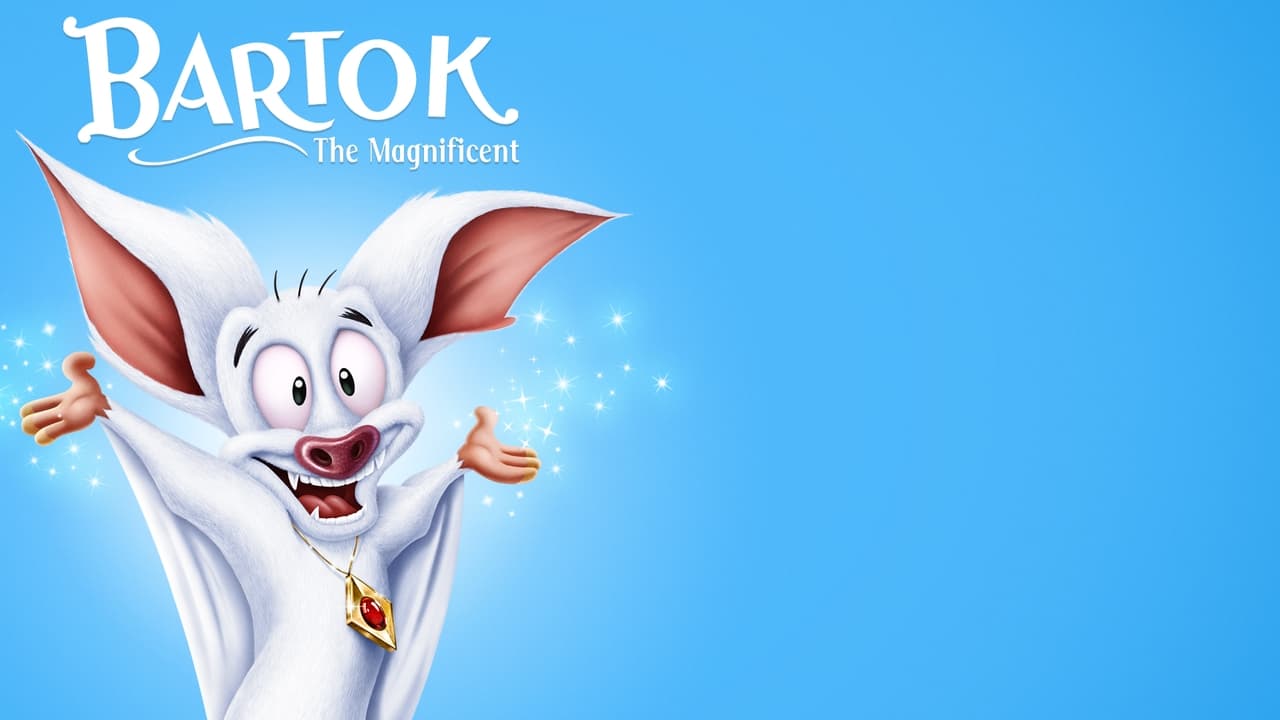
Bartok the Magnificent might not be the first title that leaps to mind when discussing the animation titans of the 90s, but it’s a film brimming with charm, fantastic voice work, and that unique Bluthian aesthetic. It successfully elevates a side character to leading status, crafting a genuinely fun, if simple, fantasy adventure around him. It feels like a cozy, familiar blanket – maybe not the most elaborate quilt in the collection, but warm and comforting nonetheless. For those of us who remember plucking it from the rental shelf, it’s a delightful slice of late-90s animation nostalgia.
Rating: 7/10 - A thoroughly enjoyable and well-crafted direct-to-video adventure that punches above its weight thanks to stellar voice acting (especially Azaria and Martin) and the enduring appeal of its Bluth/Goldman animation style. It lacks the epic scope of Anastasia but offers plenty of heart and humour, making it a worthy spin-off and a fond memory from the tail-end of the VHS era.
It’s a reminder that sometimes, the most magnificent heroes come in the smallest, most endearingly neurotic packages. Now, if you’ll excuse me, I suddenly have the urge to find a talking skull to guard my door.