It's a strange thing, revisiting a film like Milos Forman's Ragtime (1981) decades later. The VHS copy might be a little worn, the tracking occasionally fuzzy, but the sheer scope and simmering indignation of the picture remain startlingly clear. It doesn't feel like just a movie; it’s an attempt to wrestle with the turbulent spirit of America at the turn of the 20th century, a complex tapestry woven from threads of idealism, injustice, burgeoning celebrity, and the painful birth pangs of modernity. What lingers most, perhaps, isn't just the intricate plot, but the haunting echo of opportunities lost and dignities trampled underfoot.
An American Epic, Distilled
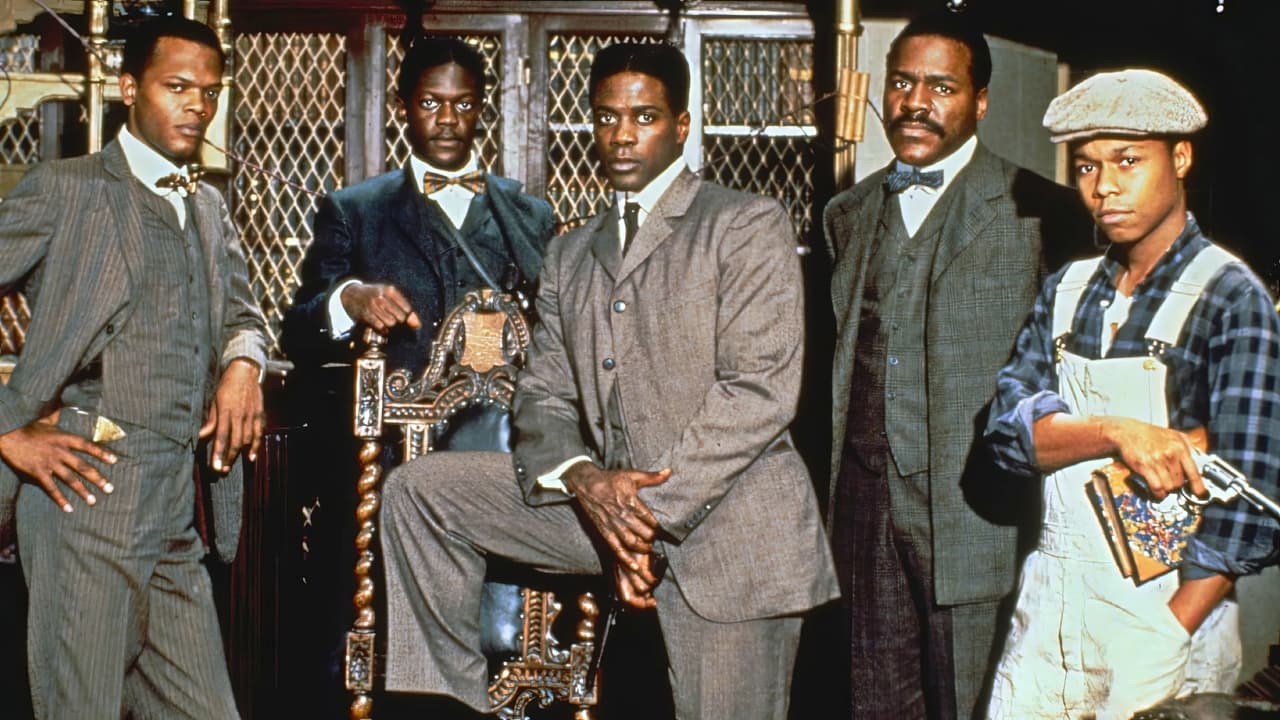
Adapting E. L. Doctorow's sprawling, multi-narrative novel was an immense undertaking. Forman, the Czech director who had already captured American anxieties so brilliantly with One Flew Over the Cuckoo's Nest (1975), made a crucial, perhaps controversial, decision. He opted to largely center the film on the story of Coalhouse Walker Jr., a successful Black ragtime pianist living in Harlem. While this meant streamlining or excising significant portions of Doctorow's richer character mosaic (reportedly much to the author's chagrin), it provides the film with its undeniable, potent emotional core. We still glimpse the affluent white family in New Rochelle, the scandalous saga of Evelyn Nesbit (Elizabeth McGovern) and Stanford White, the struggles of immigrant Tateh (Mandy Patinkin), and historical figures like Harry Houdini and Booker T. Washington (Moses Gunn), but their stories primarily serve to illuminate the central tragedy.
The Spark and the Fire
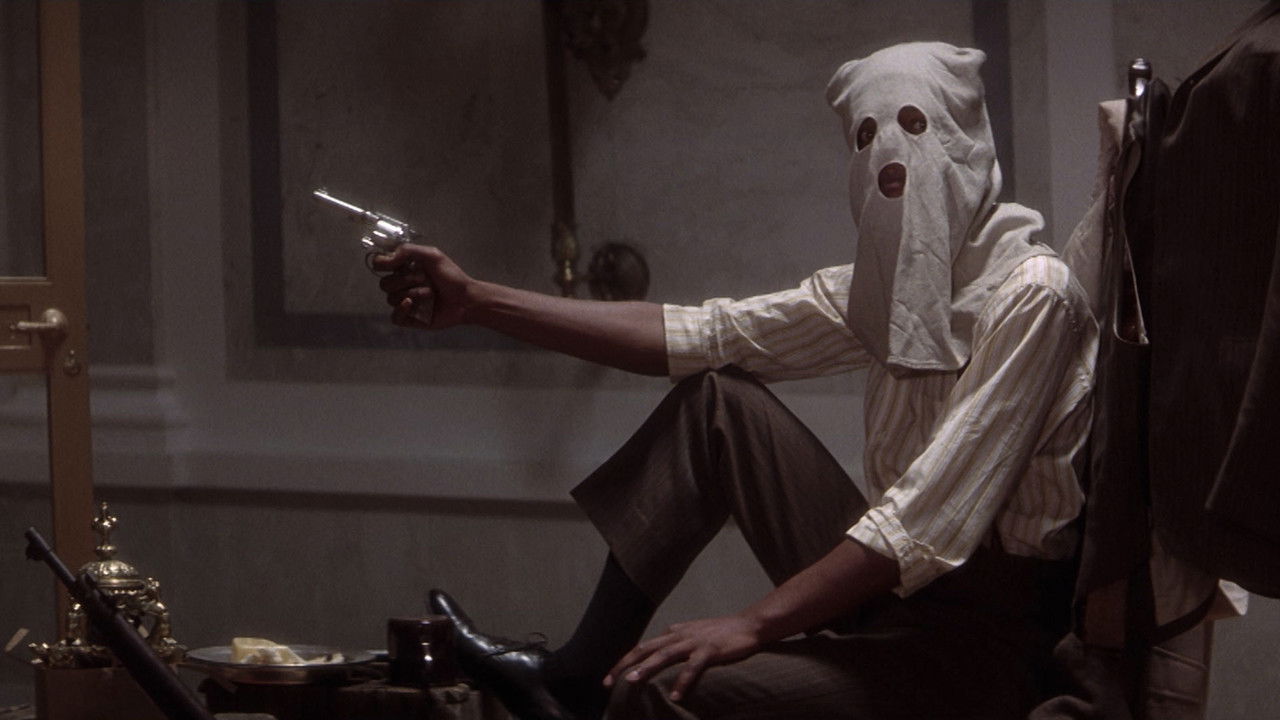
The film truly ignites with the arrival of Coalhouse Walker Jr., portrayed with unforgettable power by Howard E. Rollins Jr. in a career-defining performance. Coalhouse is presented as a man of dignity, pride, and talent, embodying the aspirations of Black Americans seeking their rightful place in society. His courtship of Sarah (Debbie Allen) is tender, his music vibrant. But a single act of petty, racist vandalism against his prized Ford Model T by volunteer firemen, led by the belligerent Willie Conklin (Kenneth McMillan), becomes the catalyst for a devastating chain of events. Rollins captures Coalhouse’s transformation – from patient appeals for justice to simmering rage, and finally, to a righteous, destructive fury – with heartbreaking conviction. His quest for simple restitution, for his dignity to be acknowledged, spirals into a standoff that exposes the deep-seated prejudices and systemic indifference poisoning the American dream. It’s a performance that feels raw, immediate, and deeply sorrowful.
Forman's Measured Hand
Milos Forman directs with a sense of grand scale appropriate for the period, yet maintains an intimate focus on his characters' faces and reactions. He masterfully orchestrates the complex narrative, allowing the different social strata and storylines to intersect and comment upon each other. The production design is immaculate, recreating the era's sights and sounds, from bustling New York streets to the refined quiet of New Rochelle homes. Randy Newman's score, with its evocative ragtime melodies, perfectly complements the visuals, capturing both the energy and the underlying melancholy of the age. Forman doesn't shy away from the ugliness of the racism depicted, presenting it bluntly, forcing the viewer to confront the casual cruelty that fuels the central conflict. It's a stark reminder that his later historical epic, Amadeus (1984), also explored genius thwarted by pettiness, albeit in a vastly different context.
A Constellation of Faces
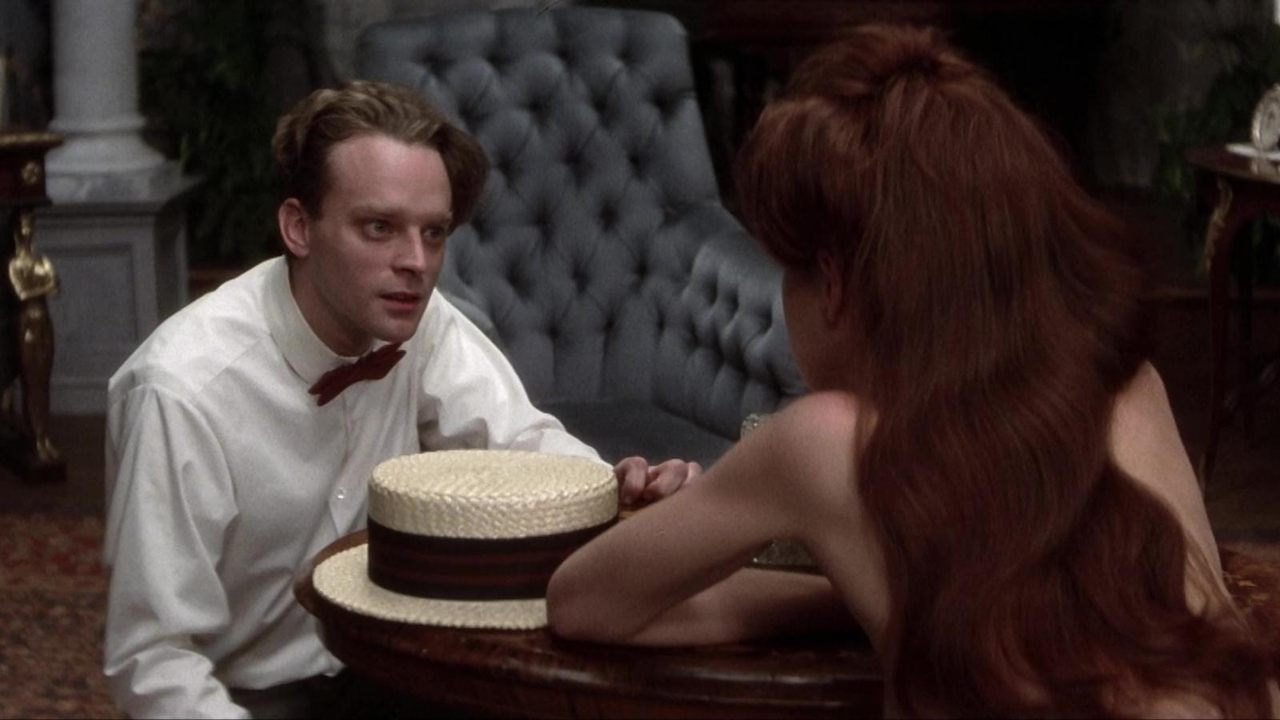
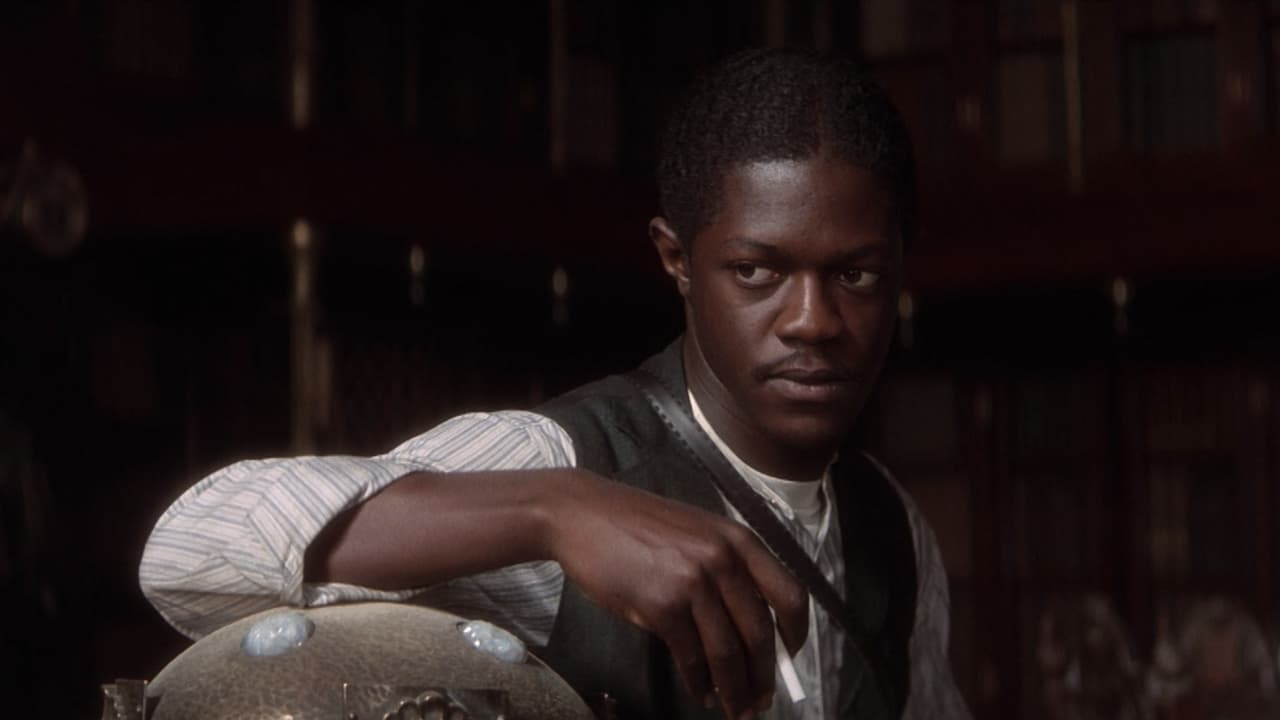
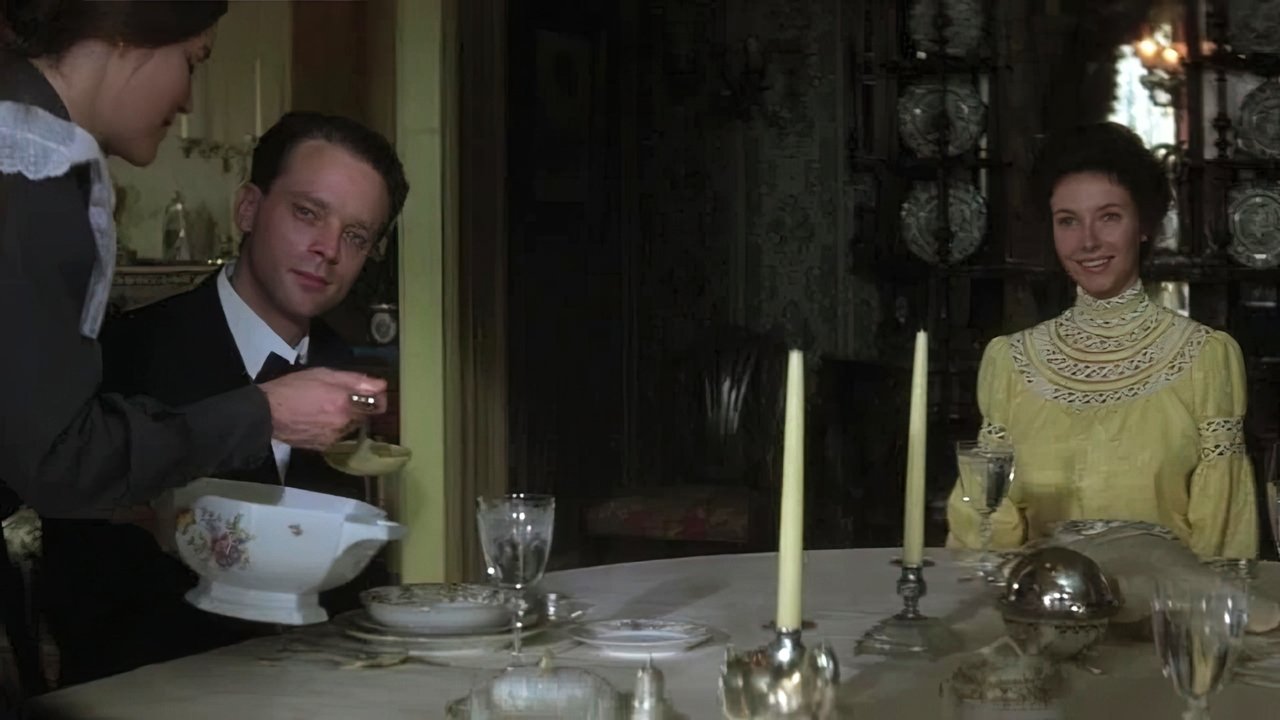
Beyond Rollins, the ensemble cast is superb. Mary Steenburgen, who earned an Oscar nomination, is luminous as Mother, the initially reserved wife and mother whose experiences – taking in Sarah and her child, witnessing the injustice against Coalhouse, and observing her husband's (James Olson) rigid conformity – gradually awaken her own sense of empathy and independence. Elizabeth McGovern, also Oscar-nominated, perfectly embodies the naive allure and manufactured innocence of Evelyn Nesbit, a figure tossed about by fame and scandal. Brad Dourif brings his characteristic intensity to the role of Younger Brother, Mother's emotionally volatile sibling who becomes unexpectedly radicalized by the events unfolding around him. And look closely – the film is peppered with early appearances by actors who would become household names, including Jeff Daniels, Fran Drescher, and even Samuel L. Jackson in a blink-and-you'll-miss-it role as a gang member. Finding these faces adds a layer of retroactive fun for the eagle-eyed VHS viewer.
Cagney's Graceful Exit
And then there’s the small matter of James Cagney. Persuaded out of a 20-year retirement by Forman, Cagney graces the screen one last time as Police Commissioner Rhinelander Waldo. It’s a performance marked by quiet authority and weary pragmatism, a far cry from the electrifying gangster roles like The Public Enemy (1931) that made him a legend. Cagney, reportedly frail during filming (he’d suffered a stroke and hoped the work might aid his recovery), doesn’t need pyrotechnics; his mere presence carries immense weight. His scenes, particularly his negotiations during the library siege, provide a fascinating counterpoint to Coalhouse's righteous anger – the embodiment of entrenched power facing a challenge it struggles to comprehend. It’s a dignified, poignant farewell from one of Hollywood’s true giants.
Echoes in the Static
Despite its artistry and powerful performances, Ragtime was not a box office success upon release, grossing only $21 million against a hefty $32 million budget. Perhaps its unflinching look at racial injustice and its complex, interwoven narrative proved challenging for mainstream audiences in 1981. Yet, watching it today, its themes feel startlingly relevant. The questions it raises about systemic racism, the nature of justice, the corrupting influence of fame, and the struggle for dignity in an indifferent society continue to resonate. Does achieving justice ever justify abandoning principle? How do societies reckon with their past and present inequities? The film doesn't offer easy answers, leaving these questions hanging in the air long after the tape clicks off.
***
Rating: 8/10
Ragtime is a dense, demanding, and deeply moving piece of American filmmaking. While the necessary condensation from its source novel leaves some threads feeling thin, the central story of Coalhouse Walker Jr. is rendered with unforgettable power, anchored by Howard E. Rollins Jr.'s phenomenal performance. Milos Forman navigates the epic scope with skill, the period detail is superb, and the return of James Cagney lends the film a unique historical significance. It’s a film that rewards patience and reflection, a potent reminder from the VHS vaults of cinema's power to confront uncomfortable truths. It leaves you not with easy resolution, but with the lingering, melancholic chords of an era’s troubled soul.