Okay, settle in. Let's dim the lights, maybe pour something contemplative, because tonight we're pulling a tape off the shelf that isn't quite like the usual fare. It’s a film that likely sat somewhat uneasily in the rental store, perhaps nestled between brighter, louder neighbours – Ingmar Bergman's 1980 psychological dissection, From the Life of the Marionettes (Original German: Aus dem Leben der Marionetten). This one... this one lingers.

It opens not with a bang, but with a chilling stillness. We witness a brutal act, presented almost clinically, before the film abruptly shifts, plunging us into stark black and white. What follows isn't a conventional narrative tracing events leading to the crime, but rather a fractured mosaic – interviews, flashbacks, therapy sessions – attempting to piece together the 'why'. Why did Peter Egermann (Robert Atzorn), a seemingly successful, affluent businessman, commit such a terrible act against a prostitute? It's a question the film circles relentlessly, like a detective examining fragments under a cold light.
Peeling Back the Layers
If you came to this expecting typical VHS-era thrills, you'd have been in for a shock. This isn't about the shock of the crime itself, which happens early and almost off-handedly, but the deeper, more unsettling horror of a mind unraveling, hidden behind a façade of bourgeois respectability. The structure is deliberately disjointed, reflecting the psychological fragmentation it explores. We jump between perspectives: Peter himself, his wife Katarina (Christine Buchegger), his psychiatrist Mogens Jensen (Martin Benrath), colleagues, even Katarina's lover. Each segment offers a piece of the puzzle, yet the complete picture remains elusive, perhaps purposefully so. Doesn't this fractured approach feel truer, sometimes, to understanding the complexities of human motivation than a simple A-to-B explanation?

One fascinating bit of context often missed back in the day, unless you were a real Bergman aficionado tracking down his every move, is that Peter and Katarina Egermann are the same couple featured in Bergman's acclaimed 1973 miniseries (and later film) Scenes from a Marriage. Seeing them again here, years later, trapped in this new, colder hell, adds a layer of tragic continuity. It transforms Marionettes from a standalone piece into a bleak postscript on the corrosive potential of relationships and unspoken resentments.
A German Excursion
It's also worth remembering why Bergman, the titan of Swedish cinema, made this film in West Germany. Following a distressing, high-profile (and later dropped) investigation for tax evasion in Sweden, Bergman entered a period of self-imposed exile, working primarily in Munich during the late 70s and early 80s. This geographical shift undeniably colours the film. There’s a certain severity, a crispness to the German language dialogue and the Munich setting that feels distinct from his Swedish work. Shot primarily at Bavaria Film Studios, the production itself carries the weight of this displacement, perhaps lending an extra layer of alienation to Peter's psychological landscape. It wasn't a blockbuster budget affair, naturally for Bergman, but every mark, every deutsche mark, feels precisely placed on screen to serve the austere vision.
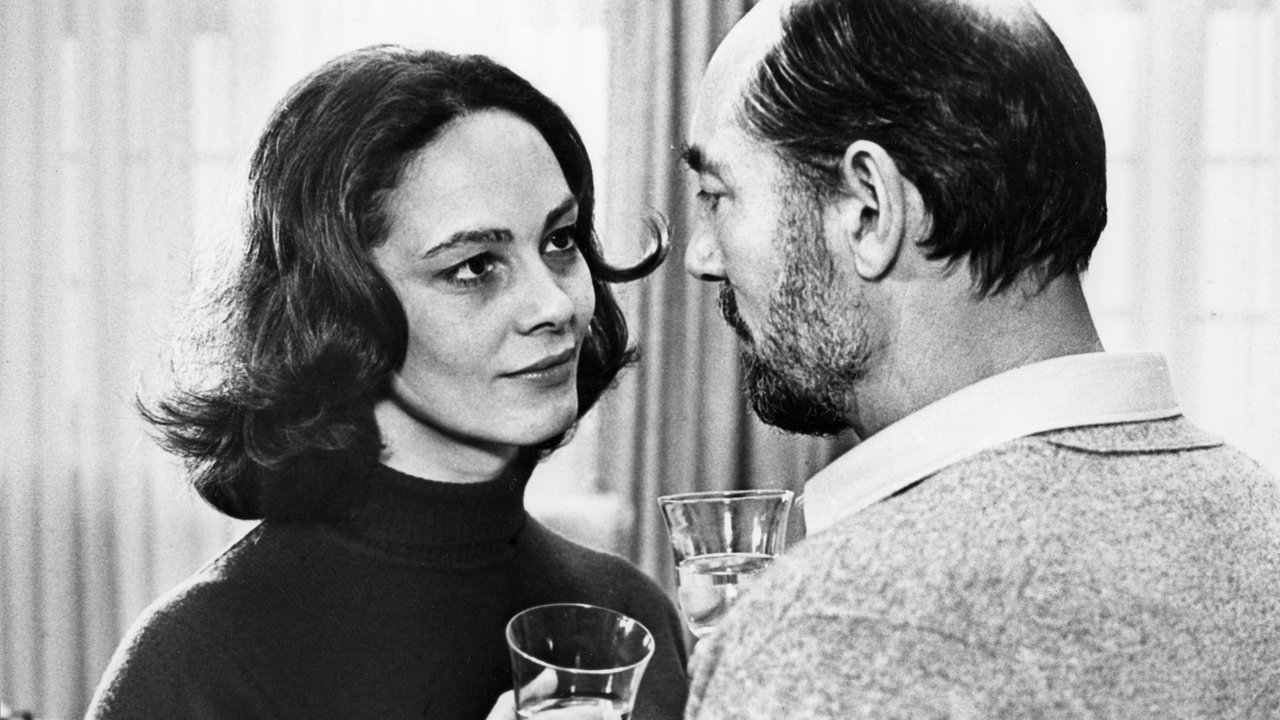
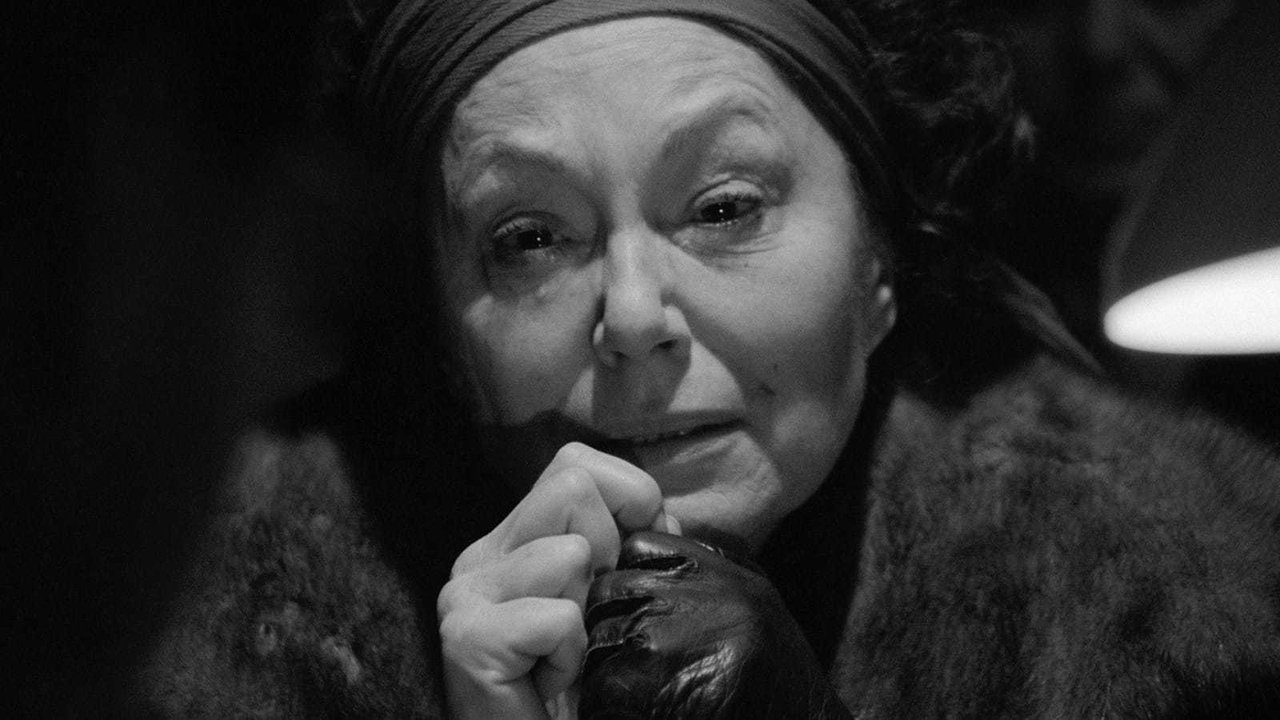
The shift from the colour prologue and epilogue to the stark monochrome of the main narrative is a masterstroke. The colour sequences feel almost hyperreal, dreamlike, bordering on nightmarish, while the black and white investigation that forms the film's core possesses a documentary-like sobriety, a clinical distance that somehow makes the underlying emotional violence even more potent. It forces us to confront the ugliness without the distraction of chromatic warmth.
Performances Under Pressure
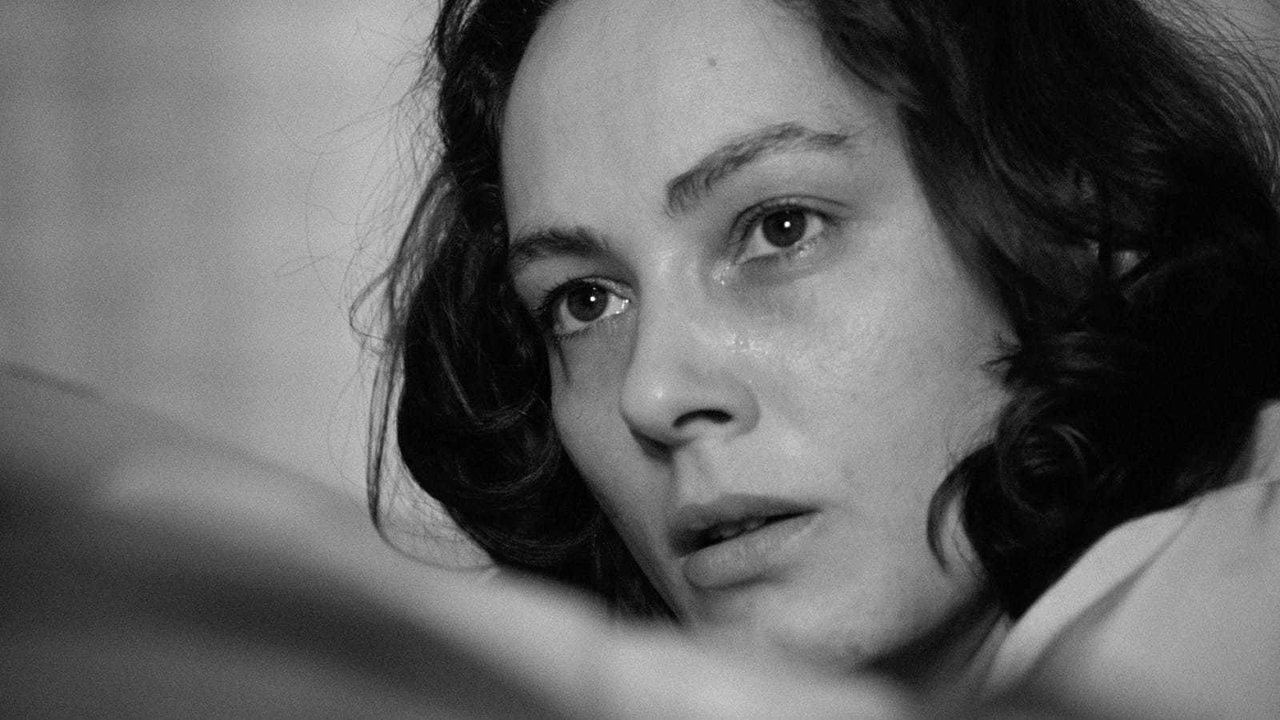
In a film this reliant on psychological nuance, the performances are paramount. Robert Atzorn delivers a chilling portrayal of Peter. He embodies the successful professional, the 'good husband', yet beneath the calm surface, Atzorn lets us glimpse the terrifying vacuum, the simmering rage coiled tight. It’s a performance built on restraint, on what isn't said or shown directly. Christine Buchegger as Katarina is equally compelling, caught in a marriage that seems both suffocating and inescapable, her own desires and frustrations contributing to the toxic dynamic. And Martin Benrath as the psychiatrist provides a crucial anchor, his probing questions guiding us through the labyrinth of Peter's psyche, even as he implicitly acknowledges the limits of understanding such darkness. Their interactions feel less like dialogue and more like carefully measured moves in a devastating endgame.
The Unsettling Resonance
Watching From the Life of the Marionettes again, perhaps on a worn VHS copy dug out from the back of a collection, is a sobering experience. It lacks the comforting resolutions or clear catharsis found in much 80s cinema. It offers no easy answers about the nature of evil or the roots of violence. Instead, it presents a chilling portrait of repression, marital decay, and the terrifying possibility that the smooth surfaces of 'normal' life can conceal profound disturbances. It makes you wonder about the pressures and secrets simmering beneath the polite exchanges we witness every day.
It’s certainly not a 'fun' watch in the conventional sense. I remember renting this as a teenager, probably expecting something entirely different based on the box art or its placement in the 'Drama' section. The experience was... intense. Quietly devastating. It wasn’t the kind of film you discussed easily with friends the next day alongside the latest action flick. It burrowed deeper.
Rating: 8/10
This score reflects the film's undeniable power, masterful direction, and deeply unsettling psychological depth. Ingmar Bergman crafts a challenging, intellectually rigorous work that probes uncomfortable truths about human nature and relationships. The performances are superb, and the visual strategy is striking. It loses points only perhaps for its sheer bleakness and demanding nature, which might make it less accessible or rewatchable for some compared to more conventional fare. However, its quality and Bergman's artistry are undeniable. This is a film that doesn't just entertain; it dissects, disturbs, and forces reflection.
Final Thought: It leaves you with the disquieting realization that sometimes, the strings controlling the marionettes are pulled not by external forces, but by the tangled, hidden knots within ourselves. A truly haunting piece from the master.