There's a certain quiet vulnerability captured in some early 80s films that feels worlds away from the bombast that followed. Before the slicker teen comedies and high-concept adventures took over, movies sometimes just felt like real life, albeit through a slightly warmer, cinematic lens. Watching My Bodyguard (1980) again is like stepping back into that feeling – the knot in your stomach walking down a school hallway, the nervous hope of finding an ally, the simple, profound relief of connection. It wasn't about saving the world; it was about surviving sophomore year.
### Navigating the Urban Jungle Gym
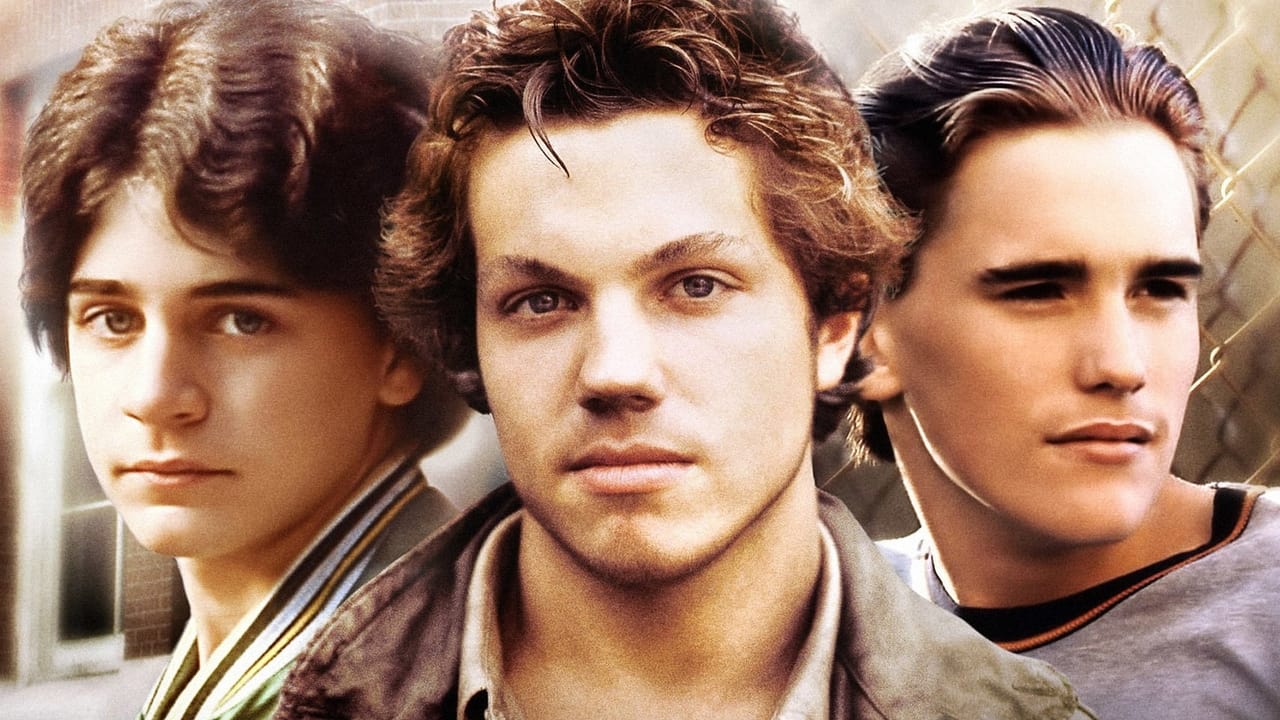
The film introduces us to Clifford Peach, played with genuine earnestness by Chris Makepeace. He's the new kid, navigating not just a new school but a new life residing in the luxurious Ambassador East Hotel in Chicago, where his father manages the establishment. This immediately sets up a fish-out-of-water dynamic, highlighting class differences and the inherent awkwardness of adolescence. Clifford’s slight build and gentle nature make him an instant target for the resident extortionist bully, Melvin Moody. And who better to embody that simmering, unpredictable menace than a young Matt Dillon in one of his earliest, and arguably most memorable, roles? Dillon absolutely crackles with barely contained aggression, making Moody a truly intimidating figure without resorting to cartoonish villainy. You felt the threat when he cornered Clifford.
### The Enigma in the Overalls
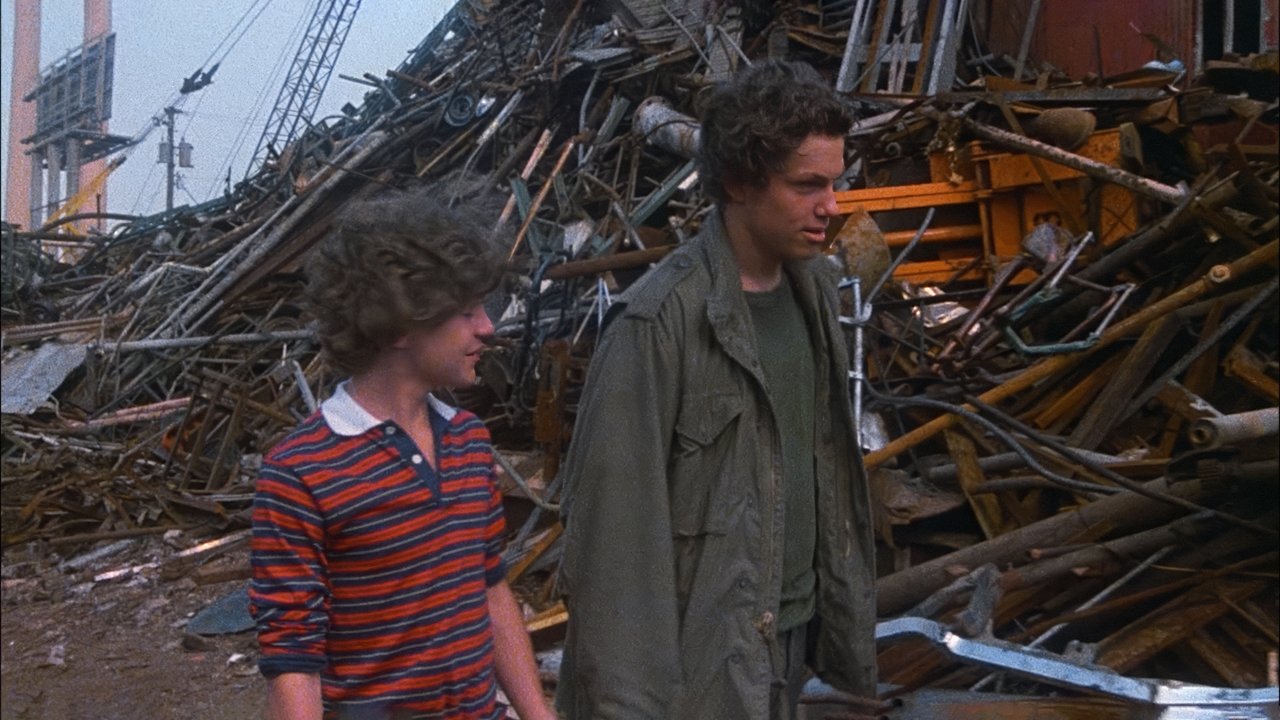
Desperate, Clifford seeks protection from the most unlikely source: Ricky Linderman, a hulking, brooding older student played brilliantly in his screen debut by Adam Baldwin. Linderman is a legend whispered about in hushed tones – rumors swirl about him having killed his brother, maybe even a cop. He’s an outcast by choice, moving through the crowded school hallways like a solitary battleship. Baldwin, discovered by the filmmakers near the Chicago shooting locations, brings an incredible presence to Linderman. He conveys so much with so little dialogue – the weariness, the hidden pain, the flicker of surprise when Clifford actually dares to approach him. Their initial interactions, the clumsy negotiation for protection, feel touchingly real. It’s not a slick transaction; it’s two lonely kids fumbling towards an understanding.
### A Different Kind of Teen Movie
What truly sets My Bodyguard apart, especially viewed through a modern lens, is its grounded tone. Director Tony Bill, making his directorial debut after a successful producing career (he helped bring us The Sting (1973), after all!), crafts a film that feels refreshingly authentic. This wasn't John Hughes' vibrant suburbia yet; this was gritty, lovely Chicago, beautifully shot on location (you can almost feel the chill off Lake Michigan), lending the story a tangible sense of place. Lake View High School served as the primary battleground, its brick walls echoing the anxieties of countless real students. Bill avoids easy stereotypes for the most part. Even the supporting characters, like the wonderfully eccentric grandmother played by the legendary Ruth Gordon, feel like distinct individuals rather than plot devices. The screenplay by Alan Ormsby (whose earlier work included the cult horror oddity Children Shouldn't Play with Dead Things - talk about range!) focuses on character development and the slow burn of friendship over flashy set pieces.

### Behind the Locker Doors: Retro Facts
My Bodyguard became something of a sleeper hit. Made on a relatively modest budget of around $3 million (roughly $11 million today), it pulled in over $22 million at the box office (a cool $81 million adjusted for inflation!). It clearly struck a chord with audiences craving something more genuine. Critics largely agreed, praising the performances and realism – it still holds a respectable 7.1/10 on IMDb and an 83% Tomatometer score on Rotten Tomatoes.
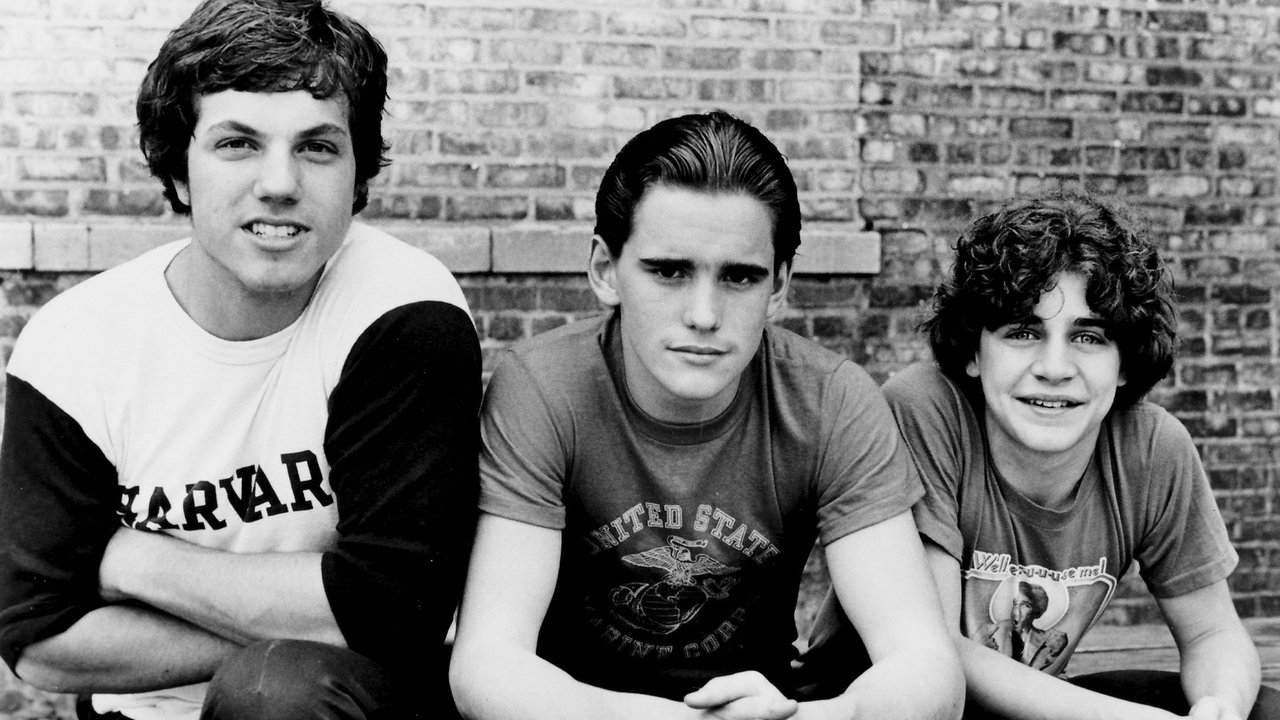
It’s fascinating to think that Adam Baldwin wasn’t a trained actor when he landed the role of Linderman. His natural presence and quiet intensity became one of the film's strongest assets, launching a long and varied career. Similarly, Matt Dillon was just finding his footing, already showcasing the raw talent that would make him a star throughout the decade. This film caught them both right at the beginning, adding to its time-capsule quality. And the gentle, sometimes melancholic score by Dave Grusin perfectly complements the film's mood, enhancing the emotional beats without overpowering them.
### More Than Just Muscle
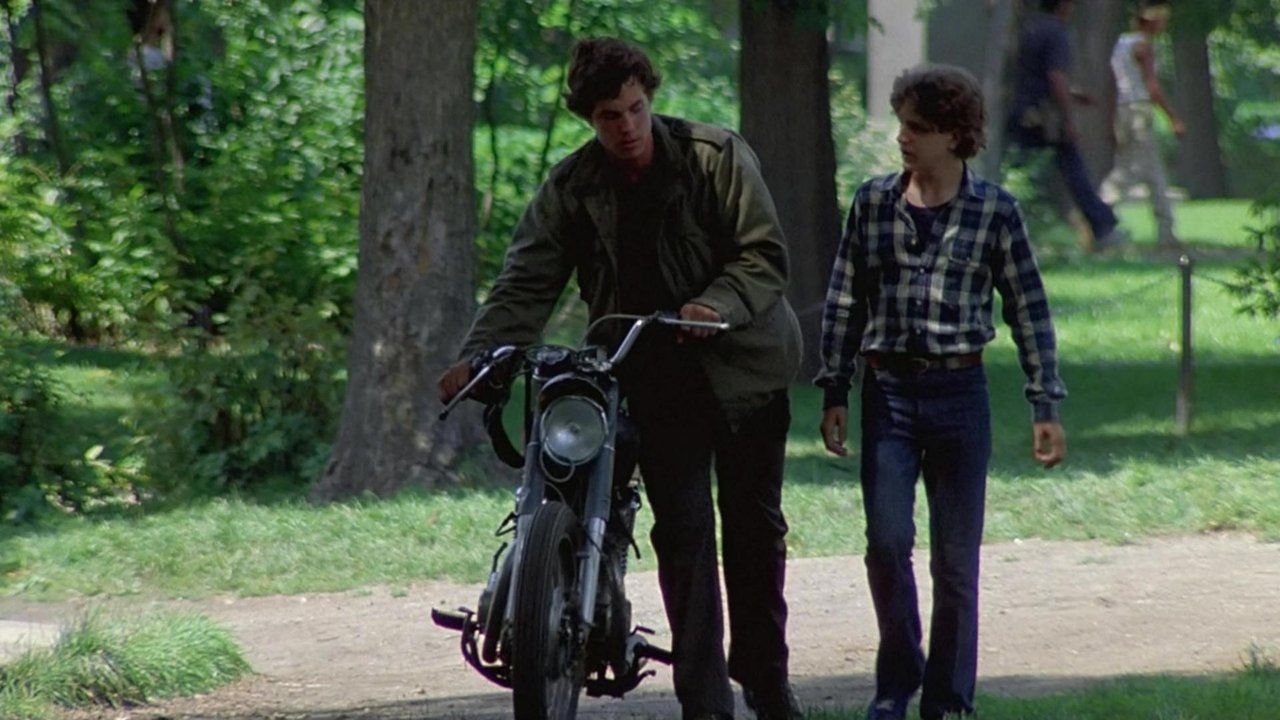
While the premise involves hiring protection, My Bodyguard is ultimately about courage – not just the physical kind, but the courage to connect, to stand up for yourself, and to see past intimidating reputations. It explores the weight of rumors and the pain of isolation. Clifford needs Linderman's muscle, yes, but Linderman, burdened by his own tragic past (the truth of which is slowly, sensitively revealed), needs Clifford's persistent belief in his inherent goodness. Their evolving friendship is the beating heart of the film. Remember that scene where Linderman dismantles Moody's car? Pure, cathartic wish-fulfillment for anyone who ever felt powerless against a bully. It wasn’t just about payback; it was about reclaiming agency.
The film handles its themes with a surprising amount of sensitivity for its time. Bullying isn't presented as a joke, but as a corrosive force. Friendship isn't instantaneous; it's earned through trust and vulnerability. It might seem low-key compared to the teen flicks that followed, but its emotional honesty gives it staying power.
Overall: My Bodyguard remains a standout slice-of-life drama from the cusp of the 80s. It trades spectacle for sincerity, delivering compelling performances (especially from its young leads), a tangible atmosphere, and a story about finding strength in unexpected places. It captures the anxieties and triumphs of adolescence with a rare authenticity that still resonates. It’s a film with genuine heart, a quiet classic that reminds us that sometimes, the biggest battles are fought in the schoolyard, and the best allies are the ones nobody else understands.
Rating: 8/10 - This score is earned through its powerful debut performances from Baldwin and Dillon, Makepeace's relatable portrayal, Tony Bill's grounded direction, and its enduring, heartfelt exploration of friendship and courage that sidesteps easy clichés. It’s a truly well-crafted piece of early 80s filmmaking.