Okay, rewind the tape. Hear that satisfying clunk as it slots into the VCR? That familiar whirring sound? For so many of us, the next image burned into our retinas was likely that funky, hand-drawn animation kicking off Grease. Accompanied by Frankie Valli hitting those high notes, it wasn't just a movie starting – it felt like an instant party invitation, beamed directly into our living rooms. Released way back in 1978, this blockbuster musical became an absolute cornerstone of home video libraries throughout the 80s and 90s, a Technicolor sugar rush we revisited again and again.
### Tell Me More, Tell Me More!
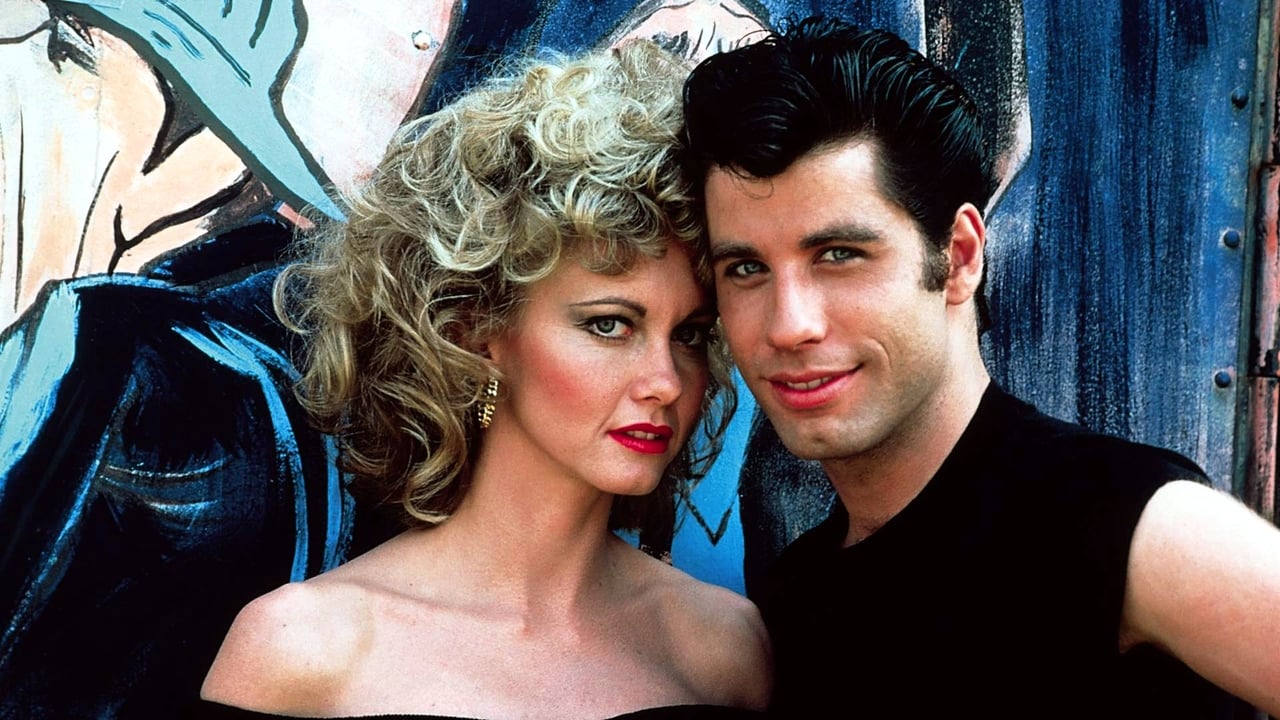
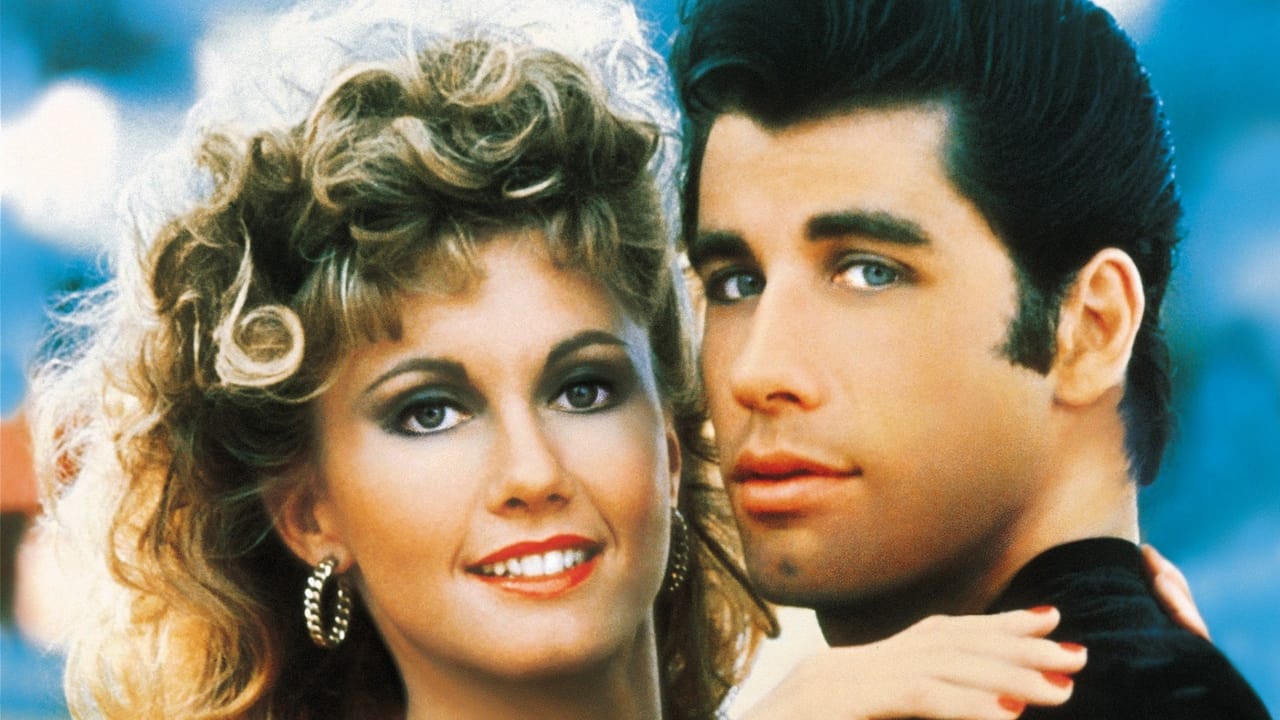
At its heart, Grease is the classic story of summer love hitting the harsh fluorescent lights of high school reality. We have Danny Zuko (John Travolta), the swaggering leader of the T-Birds, all leather jackets and greased-back hair, trying to maintain his cool cred after a summer romance. And then there's Sandy Olsson (Olivia Newton-John), the sweet, innocent newcomer from Australia, navigating the social minefield of Rydell High. Their unexpected reunion throws both their worlds – and the carefully constructed cliques of Rydell – into delightful chaos. Directed by Randal Kleiser, who clearly knew how to bottle sunshine, the film perfectly captures that heightened reality of teenage dreams, fears, and ridiculously catchy song-and-dance numbers. It’s a vision of the 1950s filtered through pure 1970s showbiz pizzazz, written for the screen by Brontë Woodard and producer Allan Carr, adapting the original stage musical.
### You're the One That I Want (And Sing Along To)
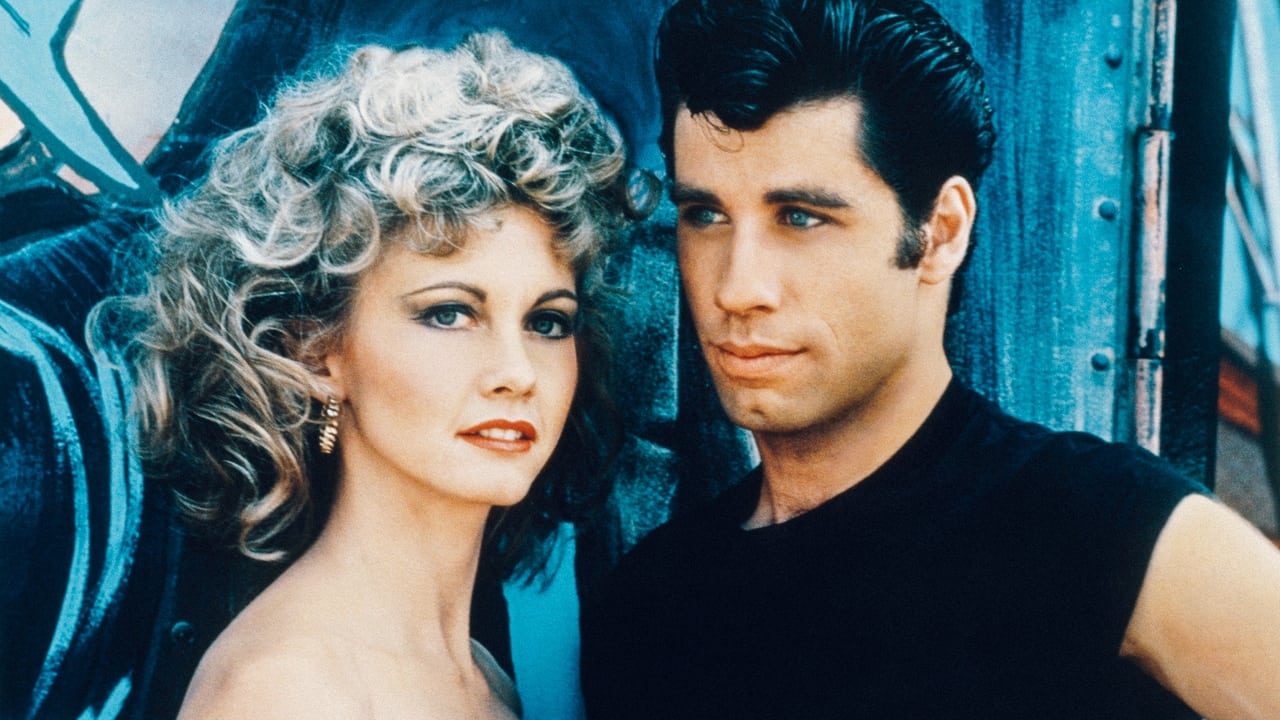
Let's be honest: the absolute engine driving Grease is its phenomenal soundtrack. From the doo-wop harmonies of "Summer Nights" recounting Danny and Sandy's differing perspectives (a storytelling masterstroke!), to the raw energy of "Greased Lightnin'" and the sheer yearning of "Hopelessly Devoted to You," these songs are permanently etched into pop culture history. Interestingly, "Hopelessly Devoted to You" and the title track weren't even in the original stage show; they were written specifically for the film, the former earning an Oscar nomination. You couldn't escape these tunes in '78, and decades later, hearing them still triggers an involuntary urge to snap your fingers or maybe even attempt a hand jive. The music isn't just accompaniment; it is the story, expressing every longing, frustration, and burst of joy the characters feel.
### Those Magic Changes
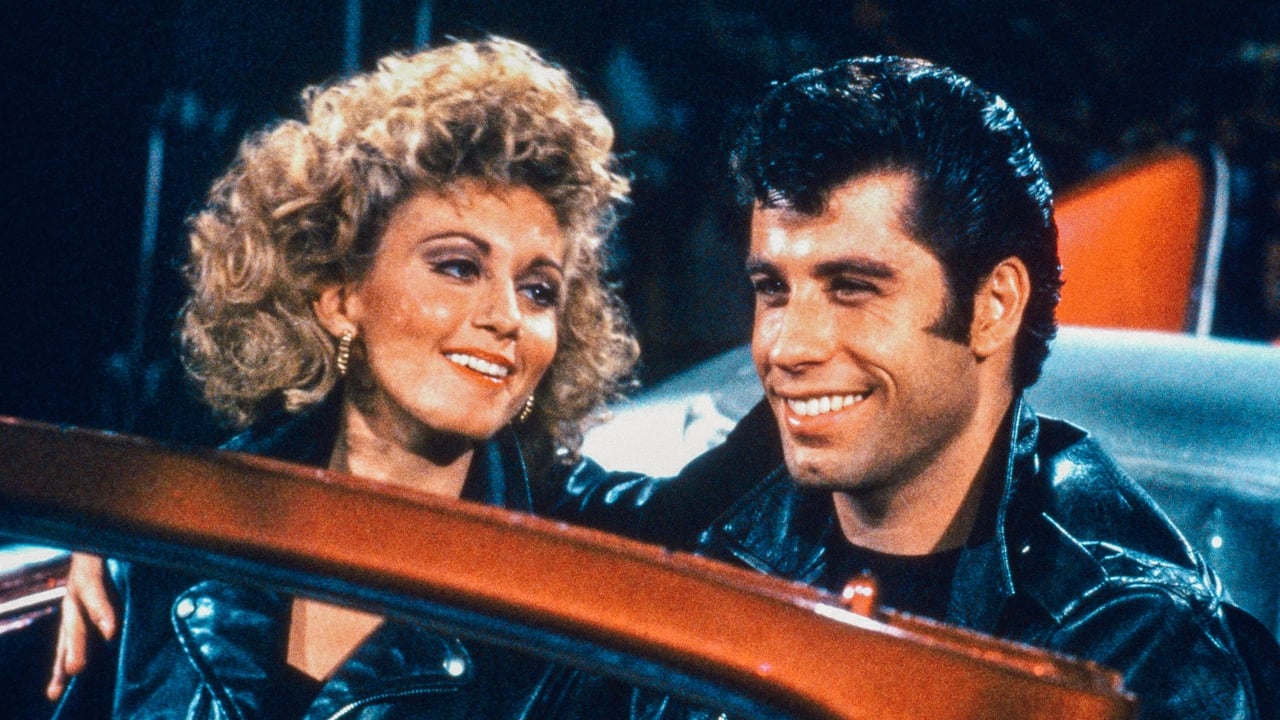
John Travolta, riding high on his Saturday Night Fever fame, is pure magnetic charisma as Danny. He nails the vulnerability beneath the tough-guy facade, and man, could he move. Paired with the luminous Olivia Newton-John, whose transition from wide-eyed innocent to leather-clad powerhouse remains one of cinema's great glow-ups, their chemistry is undeniable. It’s that central romance, however bumpy and occasionally problematic by modern standards, that anchors the whole swirling spectacle. We believed in their summer love, and we rooted for them to figure it out amidst the peer pressure and posturing.
### Look At Me, I'm Sandra Dee (And Friends)
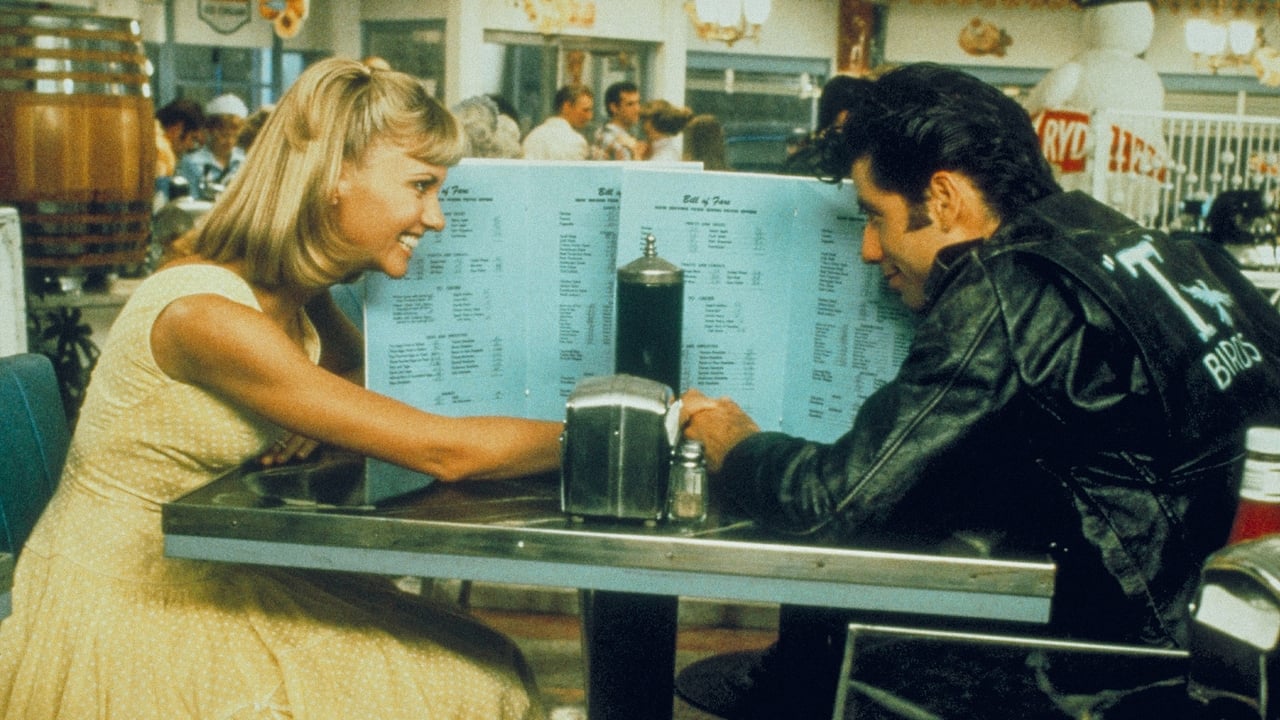
While Danny and Sandy are the leads, Rydell High feels alive thanks to its supporting cast. The Pink Ladies, led by the sharp-tongued and surprisingly complex Rizzo (Stockard Channing, in a truly star-making performance that steals every scene she's in), offer a cynical counterpoint to Sandy's sweetness. Channing delivers "There Are Worse Things I Could Do" with such raw emotion it momentarily grounds the film in genuine pathos. The T-Birds, including Jeff Conaway as Kenickie, provide the goofy, loyal backup for Danny. Frenchy (Didi Conn) and her Beauty School Dropout fantasy sequence (featuring Frankie Avalon!) is pure, delightful camp. These characters make Rydell feel like a place we actually hung out, even if our own high schools had decidedly fewer spontaneous musical numbers.
### Retro Fun Facts & Rydell Realities
It’s always amusing to remember that most of the main cast were hilariously older than the high schoolers they portrayed – Olivia Newton-John was nearing 30, and Stockard Channing was well into her 30s! This perhaps adds to the film's slightly fantastical, heightened quality. The original stage musical was apparently much grittier, tackling teen issues with more bite; the film smoothed the edges, aiming for broader appeal and achieving it spectacularly. It became the highest-grossing musical film ever at the time, a certified phenomenon that solidified its place in the pop culture firmament. Watching it now, yes, some elements feel dated – the gender dynamics, the slightly baffling instant personality change Sandy undergoes – but it’s presented with such infectious energy and goodwill that it’s hard to hold onto cynicism for long. It’s a fantasy, a musical valentine to an idealized past.
### Still the Word
Grease wasn't just a movie; for many growing up in the VHS era, it was a rite of passage. It was the tape you wore out, the songs you learned by heart, the sleepover movie that everyone could agree on. It’s pure, unadulterated entertainment, bursting with colour, energy, and tunes that refuse to leave your head. Does it offer deep social commentary? Not really. Is it a nuanced look at teenage life? Probably not. But is it ridiculously fun, charmingly performed, and endlessly rewatchable? Absolutely. It captured lightning in a bottle, a perfect storm of casting, music, and nostalgia (even back then!) that still resonates.
Rating: 9/10
This score reflects its undeniable status as a cultural touchstone and its sheer entertainment value. The music is legendary, the performances iconic, and the energy infectious. While some aspects haven't aged perfectly, its power to delight and evoke pure joy remains almost unmatched. It earns its place high on the shelf in VHS Heaven for being the cinematic equivalent of sunshine and sugar.