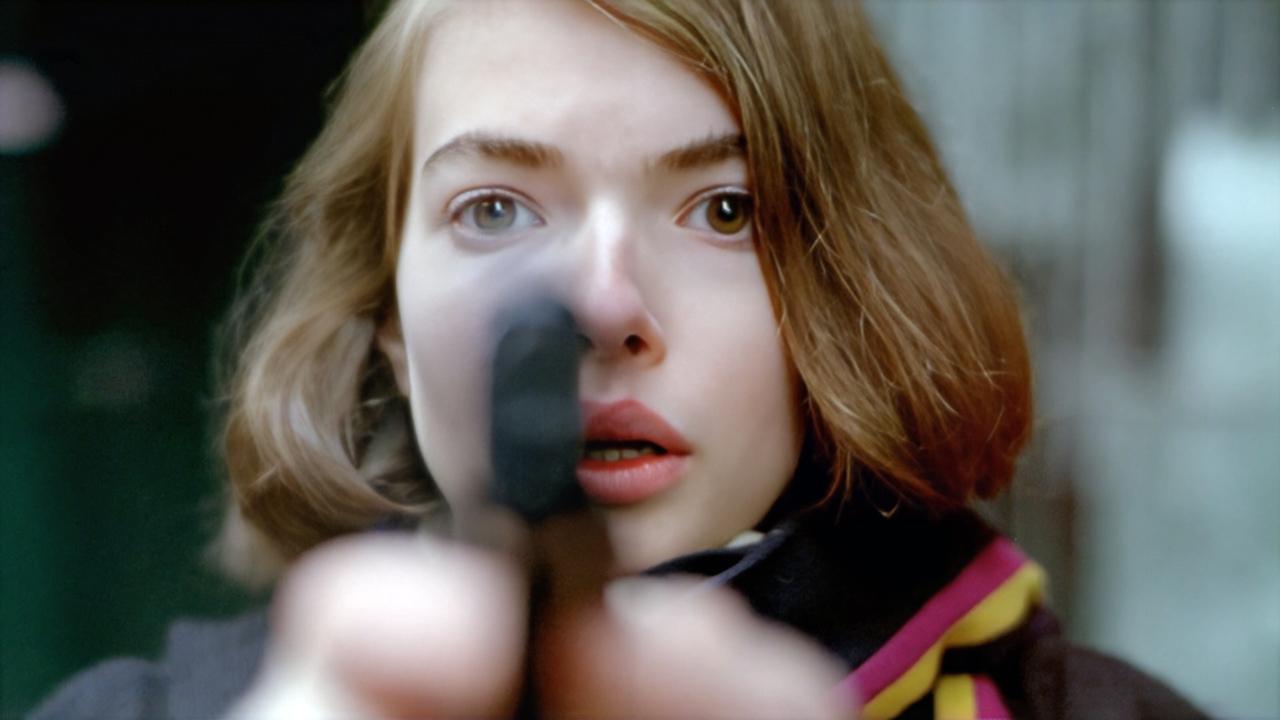
The first thing that strikes you about Thana is her silence. Not just quietness, but a profound, almost unnerving stillness. In the grimy, pre-gentrification landscape of early 80s New York City – a character in itself – she moves like a ghost through the garment district, a mute seamstress absorbing the city’s casual menace. Then, the violation comes, twice in horrifying succession, shattering that silence internally, replacing it with something cold, sharp, and aimed with deadly precision. Ms .45 doesn't just begin; it detonates, leaving you in the unsettling quiet of the aftermath, waiting for the other shoe to drop.
Urban Decay as a Hunting Ground
Director Abel Ferrara, already known for the notorious Driller Killer (1979), plunges us headfirst into a New York that feels genuinely dangerous. Forget the glossy postcards; this is the city as a pressure cooker, thick with ambient threat. The film breathes the exhaust fumes, the simmering aggression on the streets, the isolation felt even amidst crowds. Ferrara uses the low budget not as a limitation, but as an amplifier for the raw, documentary-style dread. The city isn’t just a backdrop; it’s an accomplice, its decaying corners and shadowy alleys reflecting Thana’s internal fracturing. Remember that feeling, watching films shot on location in those years? That sense that the danger wasn't just scripted, it was there, lurking just outside the frame.
A Star Forged in Silence and Fury
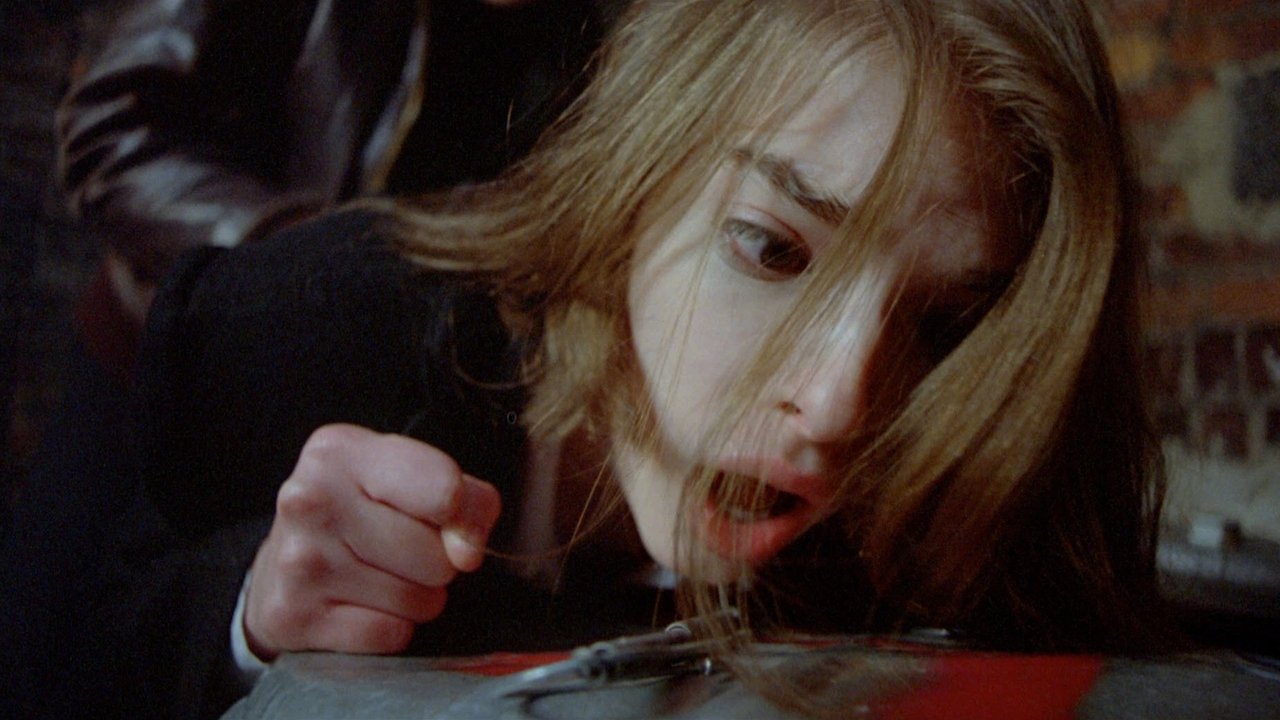
At the heart of this chilling spiral is Zoë Lund (credited here as Zoë Tamerlis), delivering a performance that remains utterly magnetic. It’s staggering to realize she was only around 18 during filming. Thana barely speaks throughout the film, especially after her trauma. Lund communicates everything – the terror, the numbness, the shift to icy resolve, and finally, the chilling satisfaction – through her eyes, her posture, the subtle tightening of her jaw. It’s a portrayal stripped bare of theatricality, relying instead on pure presence. Her transformation from shrinking violet to Angel of Vengeance isn’t glamorous; it’s stark, disturbing, and deeply compelling. Lund, who tragically passed away far too young but would later co-write Ferrara’s equally harrowing Bad Lieutenant (1992), carries the entire weight of the film on her near-silent shoulders. Doesn't her quiet intensity still feel remarkably powerful?
The .45 Caliber Catharsis
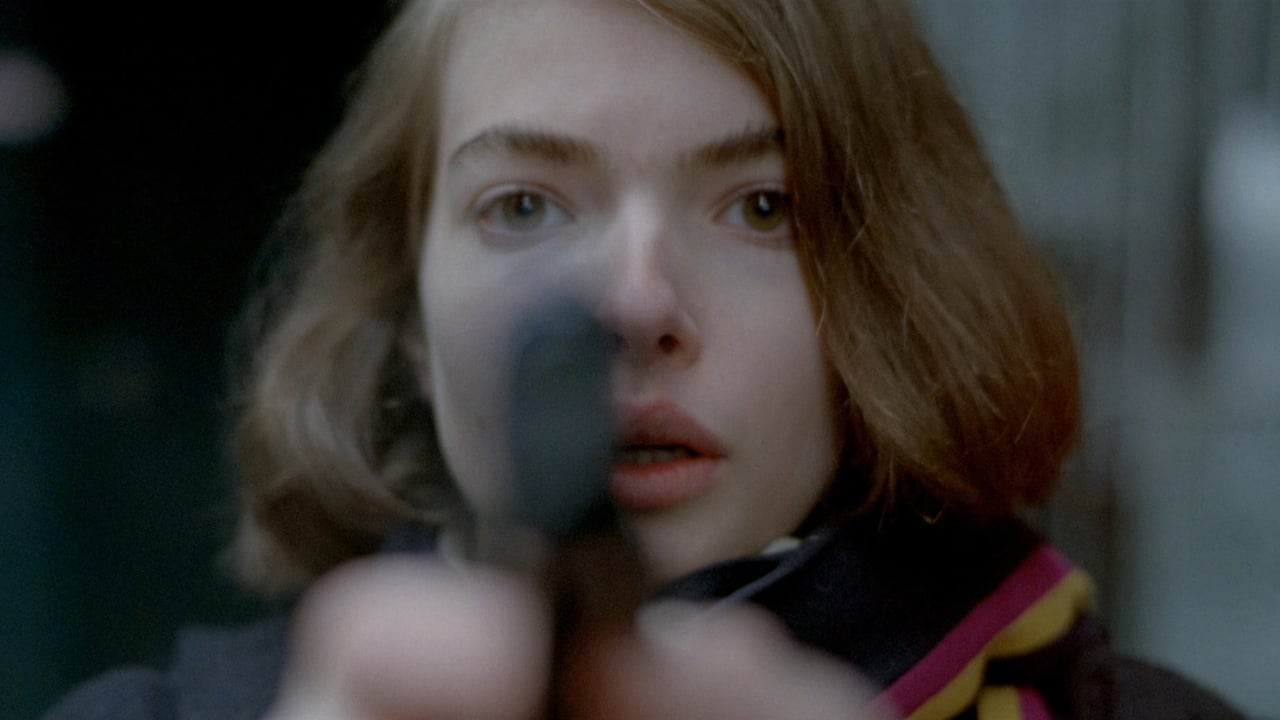
Once Thana procures the titular weapon from her second attacker, Ms .45 shifts gears. It leans into its exploitation roots, becoming a vigilante fantasy steeped in grime. The film walks a razor's edge – is it empowering, exploitative, or both? Thana's targets become increasingly random, testing the audience's allegiance. The power dynamic flips, but the world remains just as predatory, only now Thana is the one with the upper hand, dishing out brutal justice with cold efficiency. Ferrara doesn't shy away from the violence, nor does he necessarily condemn Thana's actions outright, leaving the viewer in a morally ambiguous space that feels distinctly '80s indie. There's a grim satisfaction, perhaps, but it’s laced with profound unease. The practical effects, particularly the gunshot wounds, have that signature visceral quality of the era – messy, impactful, and disturbingly real-feeling on a grainy VHS transfer.
Behind the Grime: Notes from the Underground
Ms .45 wasn't exactly welcomed with open arms. Its bleakness and violence led to censorship issues, particularly overseas where it faced cuts. Made for a reported pittance (estimates vary, but certainly low six figures), its eventual cult status is a testament to its raw power and Lund's unforgettable performance. Ferrara and writer Nicholas St. John crafted something that tapped into the anxieties of the time – urban decay, random violence, female vulnerability – and twisted it into a dark, confrontational piece of pulp art. The legend goes that Lund embraced the role's darkness, contributing significantly to Thana's chilling evolution.
The Unforgettable Climax (Spoiler Warning!)
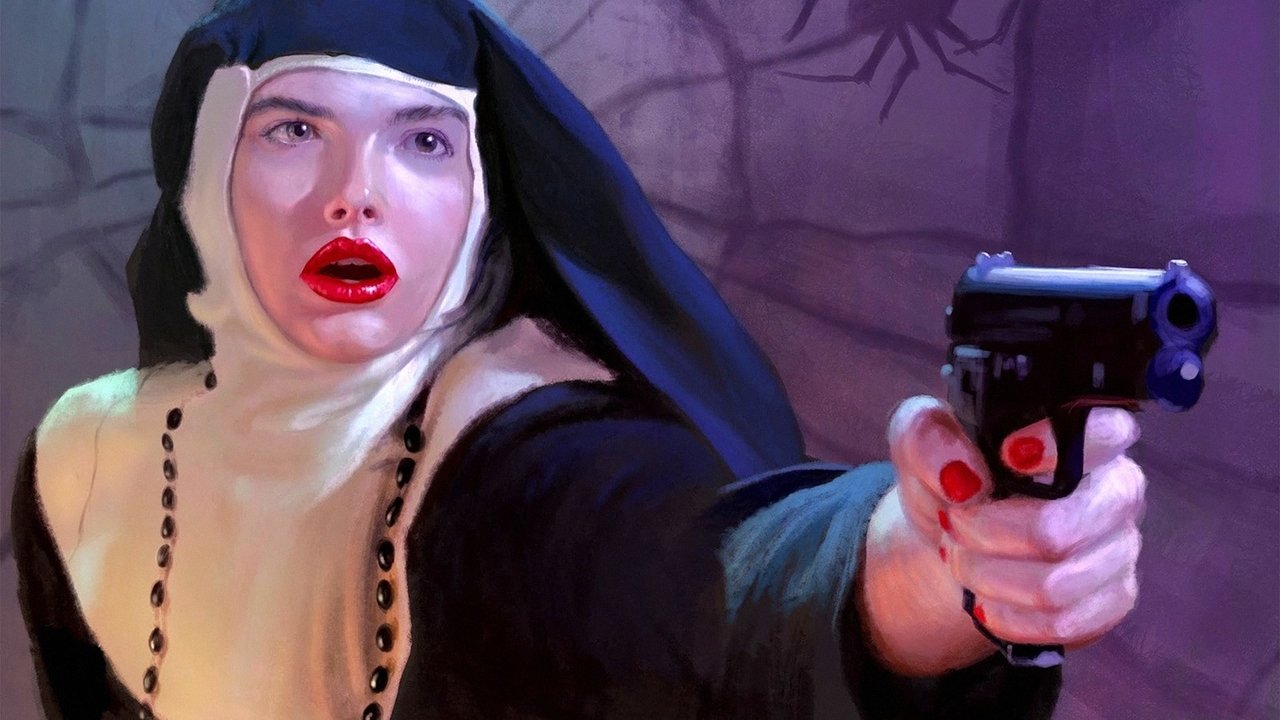
The film culminates in that Halloween party scene. Thana, dressed as a nun, wielding her .45 amidst the oblivious revelers, is an image burned into the retinas of anyone who caught this late at night on a worn-out tape. It’s absurd, terrifying, and culminates in a shocking act of betrayal and a final, ambiguous gunshot that leaves you breathless. It refuses easy answers, solidifying the film's status as something more than just a simple revenge flick. It’s a primal scream from the depths of urban despair.
Legacy of a Cult Renegade
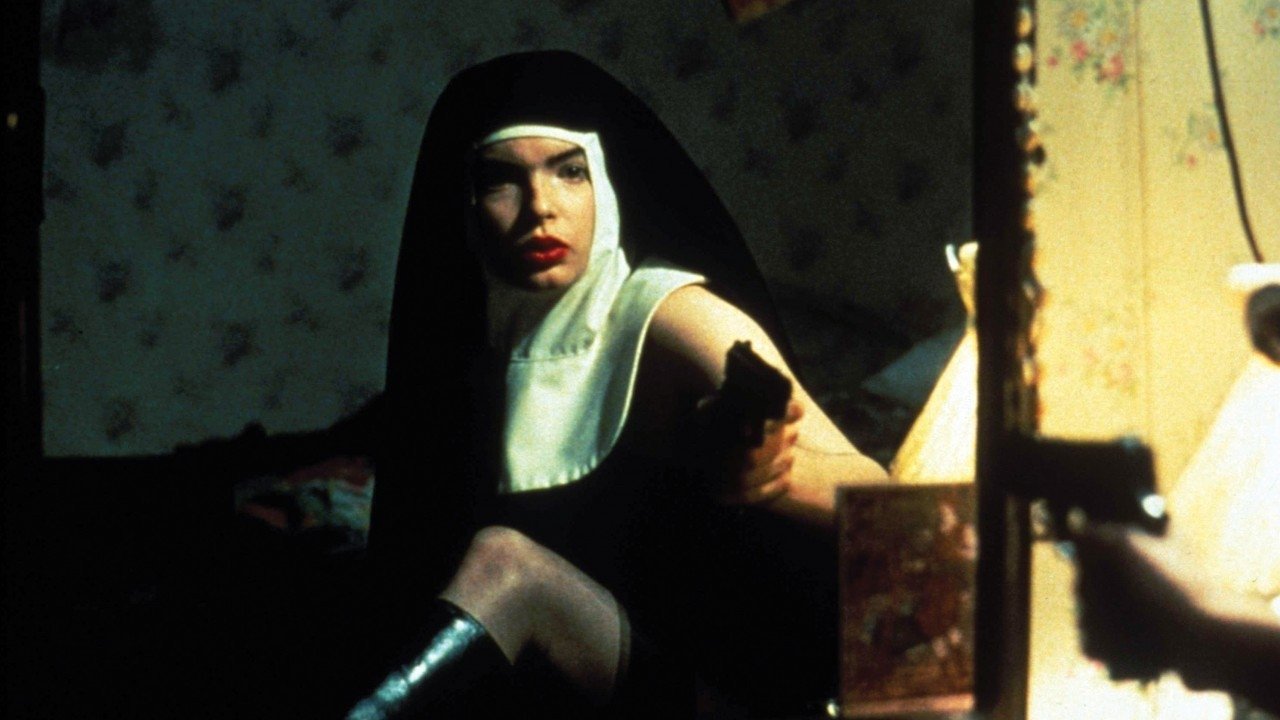
Ms .45 isn't an easy watch. It’s bleak, brutal, and morally complex. It occupies a strange space between art-house grit and exploitation shocker, fueled by Ferrara’s uncompromising vision and Zoë Lund’s mesmerizing central performance. It doesn’t offer comfort, only a cold, hard look at the cycle of violence and the darkness lurking beneath the city streets. For fans of raw, confrontational 80s cinema, it remains a potent and deeply unsettling experience. It’s the kind of film that sticks with you, like the lingering metallic taste of fear after a close call on a dark street.
Rating: 8/10
This score reflects the film's raw power, Zoë Lund's phenomenal performance, Abel Ferrara's unflinching direction, and its undeniable impact as a cult classic. It captures a specific, gritty time and place with brutal honesty. While its low budget shows and its exploitation elements might alienate some, its sheer atmospheric dread and psychological intensity make it a standout piece of 80s underground filmmaking. It's a jagged shard of cinematic glass, reflecting a dark reality many preferred to ignore.